A new study highlights a surprising source of indoor air pollution: gas stoves. For many Americans, these common kitchen appliances are responsible for over half of their total exposure to nitrogen dioxide (NO2), a harmful toxin. NO2 can irritate airways, worsen respiratory illnesses like asthma, and contribute to outdoor smog, making this a significant public health concern. The research suggests that switching to electric cooking could considerably reduce this exposure and offers a clear path toward healthier homes and cleaner air for everyone. This discovery underscores the urgent need for sustainable household solutions.
The Trump administration joined forces with Saudi Arabia, Russia, and Iran to block a key summary from a major UN environment report that urged phasing out fossil fuels and switching to clean energy. This summary, drawn from the Global Environment Outlook 7, a massive review by 300 experts, was meant to guide world leaders on tackling the planet's worsening state—from climate chaos to plastic pollution. It's the first time since 1997 that no such policymaker summary has been issued, signaling a dangerous setback as global warming accelerates and demands urgent action on sustainable solutions.
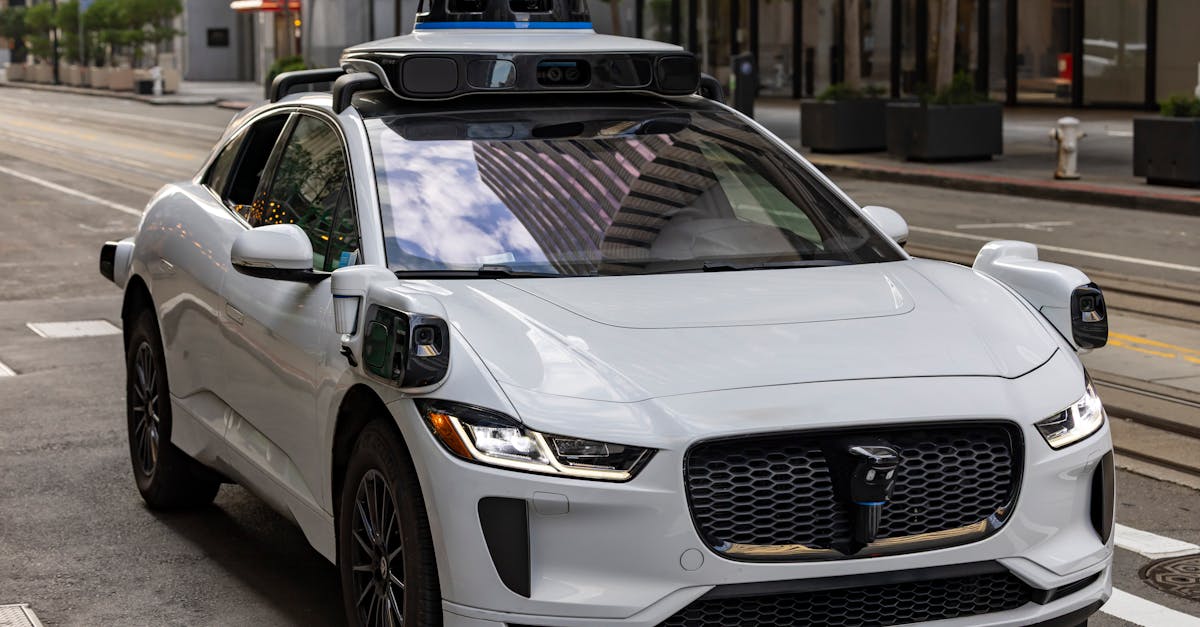
Waymo's driverless electric taxis are exploding across U.S. cities like Austin and Atlanta, with 14 million trips this year and plans for even more in 2026. These all-electric vehicles from Waymo, Zoox, and Tesla could swap out gas-guzzling rides, hitting transportation—the nation's top source of greenhouse gases. Studies show even modest EV adoption cuts air pollution and asthma visits, like a USC medical school report linking 20 zero-emission vehicles per 1,000 people to fewer ER trips. Yet experts warn of rising traffic and power demands that might offset gains amid urgent climate needs.
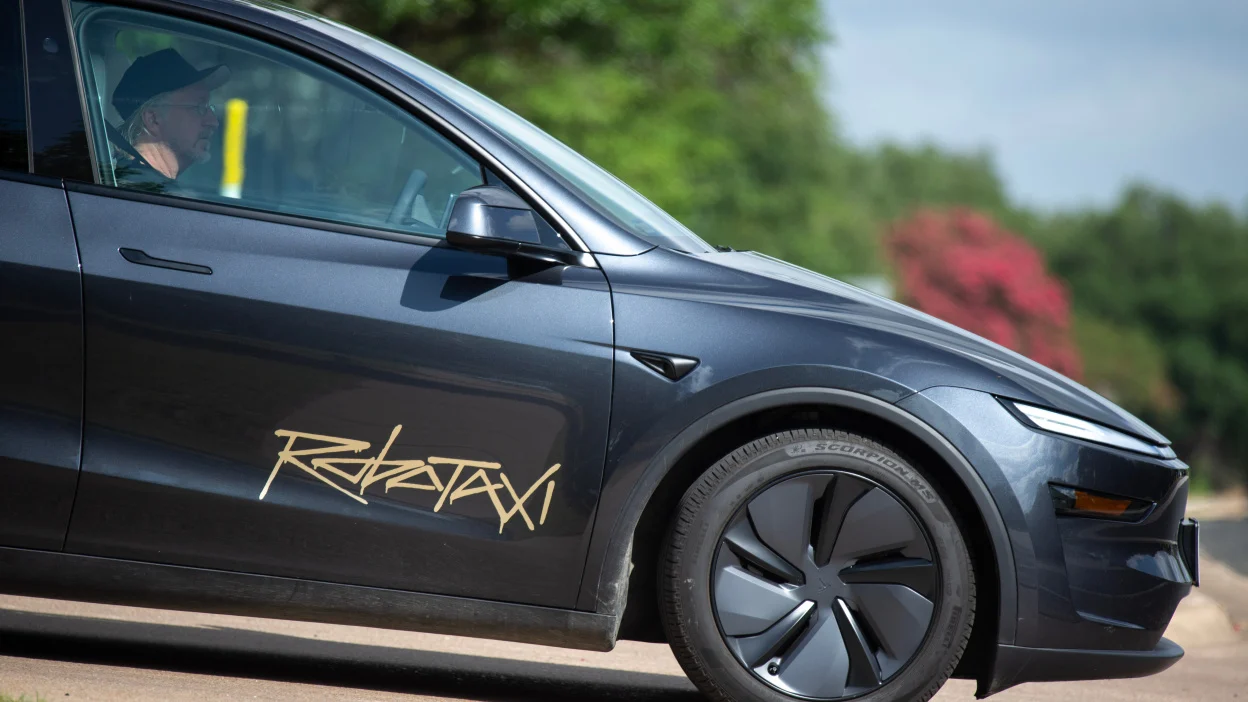
Elon Musk revealed at the xAI Hackathon that Tesla's Full Self-Driving (FSD) unsupervised capability is 'pretty much solved,' with Robotaxi safety monitors removing in weeks. A new model, an order of magnitude larger and boosted by reasoning and reinforcement learning, launches in January or February 2026. This pushes Tesla toward true autonomy, enhancing electric vehicles' appeal. FSD optimizes driving for efficiency, slashing energy use and emissions—key for fighting climate change and accelerating sustainable transport.
A groundbreaking new study confirms that an early estimate of sea level rise, made by the UN's Intergovernmental Panel on Climate Change (IPCC) three decades ago, closely matches what has actually occurred. Researchers led by Torbjörn Törnqvist of Tulane University found that global sea levels have risen by about nine centimeters since the early 1990s, nearly identical to the eight centimeters predicted in one of the IPCC's middle-of-the-road scenarios for carbon emissions. This remarkable accuracy, achieved before today's advanced computer models, underscores how well scientists understood the fundamental mechanisms of climate change even then. It serves as a powerful reminder of the urgent need for action as climate predictions continue to unfold in real time.
Lithium-ion batteries, commonly found in our phones and cars, are now revolutionizing global electricity grids. These massive battery systems store power when it's abundant and inexpensive, then release it during peak demand. This innovative approach helps stabilize our power supply, making it more reliable and reducing the need for costly traditional power plants. Once dismissed, this technology is now proving essential for our energy future, ensuring a more consistent and affordable power supply for everyone.
Elon Musk recently hinted that Tesla's Full Self-Driving (FSD) v14.2.1 might allow texting, depending on surrounding traffic conditions. This controversial suggestion prompted a real-world test to assess exactly how the advanced driver-assistance system responds to a driver using their mobile phone. While the in-car monitoring system did not always intervene immediately during the experiment, the findings underscore critical questions about driver attention and safety. Experts strongly advise against texting while driving, emphasizing that legal prohibitions against phone use at the wheel remain, and drivers are ultimately responsible for any incidents, even with FSD engaged.
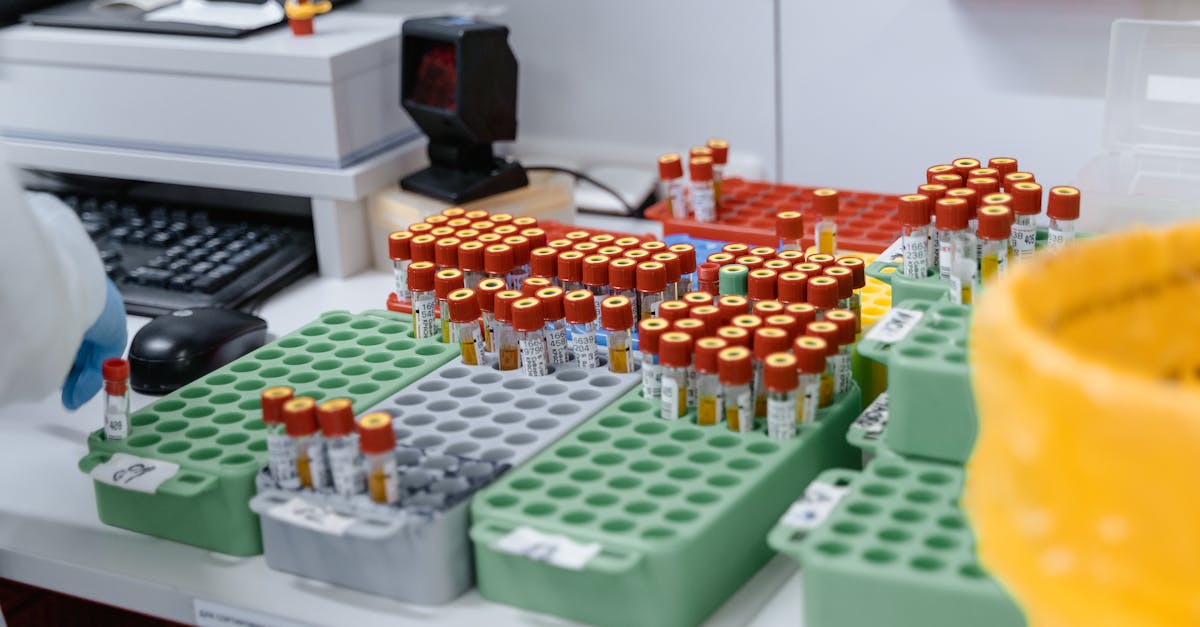
Scientists in North Carolina have made a startling discovery: a 'forever chemical' called TFA, previously considered less harmful, is widespread in both the environment and people's blood. This compound, part of the larger PFAS family, was found in high concentrations in Wilmington's drinking water and residents' blood, challenging industry claims. The findings highlight an urgent environmental and public health concern, revealing deeper contamination issues than previously understood in the Cape Fear River Basin.
Tackling massive environmental issues can feel overwhelming, but hope is springing up in communities nationwide. The New York Times embarked on a mission to showcase a unique local solution from every U.S. state, proving that grassroots efforts are making a tangible difference. From restoring vital grasslands in South Dakota to harnessing clean geothermal energy in Texas, these innovative projects demonstrate a powerful commitment to sustainability. They highlight the urgent need for action and the incredible potential of localized strategies to protect our planet for future generations.
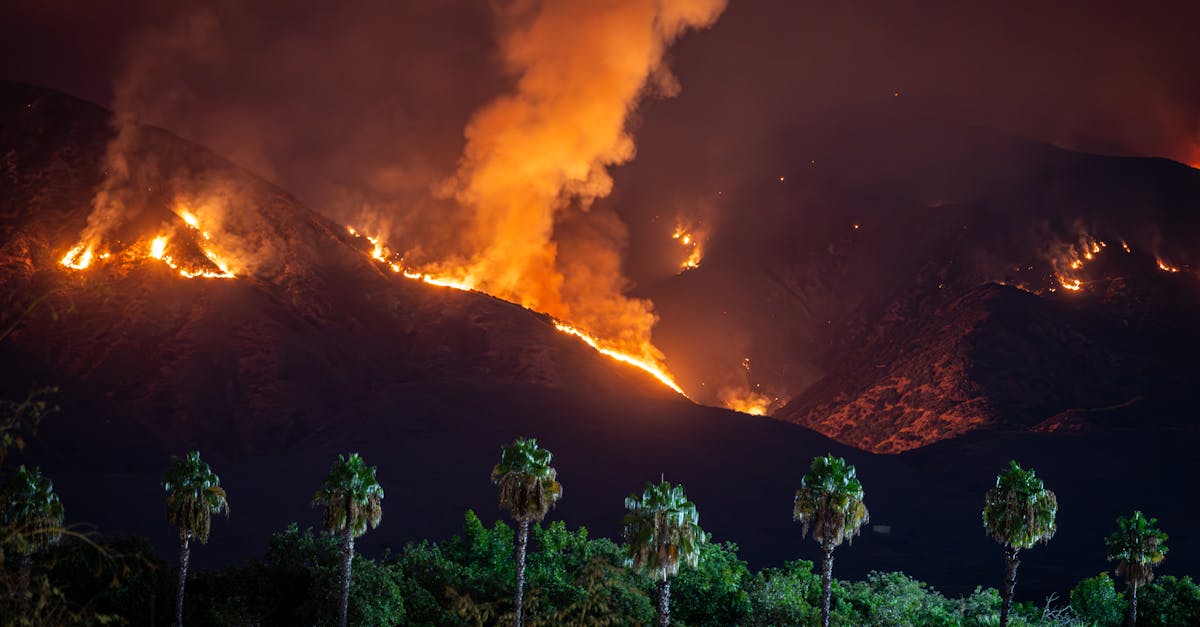
Early adopters of 'zone zero'—clearing brush and flammables within five feet of their homes—saw far better outcomes in the recent Eaton and Palisades fires in L.A. County, according to a new IBHS report. Homes with minimal vegetation in this critical zone had only 9% destruction rates, compared to 27% where it was overgrown. As climate change fuels more intense wildfires, these findings underscore the urgent need for proactive defenses like defensible space and home hardening to protect communities and reduce fire spread in our warming world.
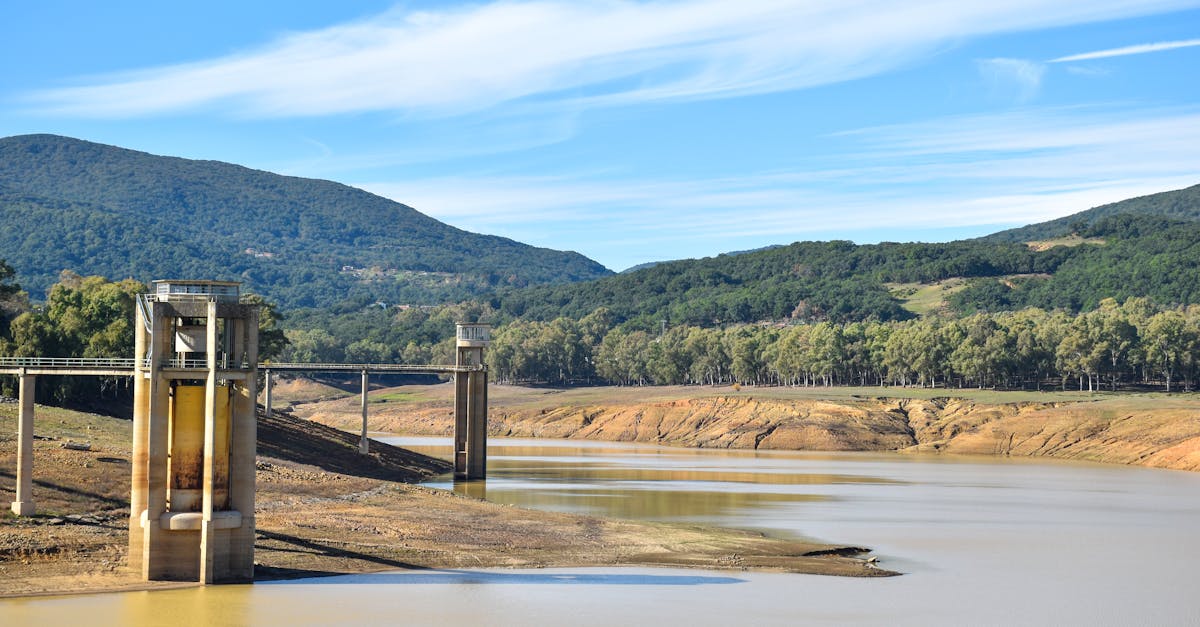
For the first time in months, rain finally fell in Iran's capital Tehran, offering a glimmer of hope amid the country's driest autumn in over 50 years. Yet, with reservoirs critically low and dams like Latyan under 10% capacity, experts warn this brief shower isn't nearly enough to avert crisis. President Masoud Pezeshkian has even floated moving the government out of Tehran by year's end if more rain doesn't come. Climate change, fueled by fossil fuel emissions, is making these droughts far more frequent—now every 10 years instead of every 50-100—piling pressure on water-stressed agriculture and urban centers. Urgent global action to curb warming is crucial to prevent such escalating disasters.
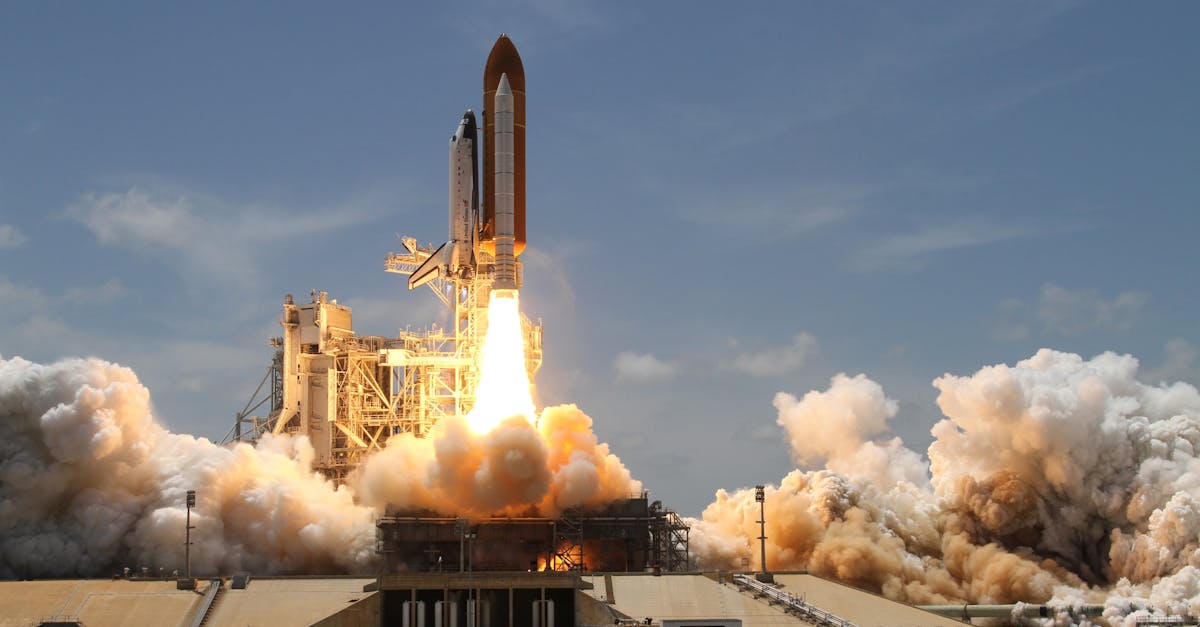
SpaceX is reportedly planning a massive IPO in 2026, aiming to raise over $30 billion at a staggering $1.5 trillion valuation, according to Bloomberg sources. Elon Musk has long been cautious about going public due to pressures like quarterly reporting and litigation, but he's hinted at ways for Tesla shareholders to invest in SpaceX. Starlink, generating 60-70% of revenue, is the key driver behind this sky-high value, alongside Starship progress and launch services. This could open SpaceX to everyday investors, fueling further innovation in space tech.