The magic of a truly dark, star-filled night is becoming increasingly rare, yet its absence impacts everything from our health to wildlife navigation. As artificial light expands globally, it disrupts natural rhythms and obscures the cosmos, raising concerns for environmental balance. However, new insights offer hope, suggesting that by rethinking our approach to lighting, we can easily reverse this trend. Embracing strategic, sustainable lighting solutions could lead us toward a future where dark skies are once again a common sight.
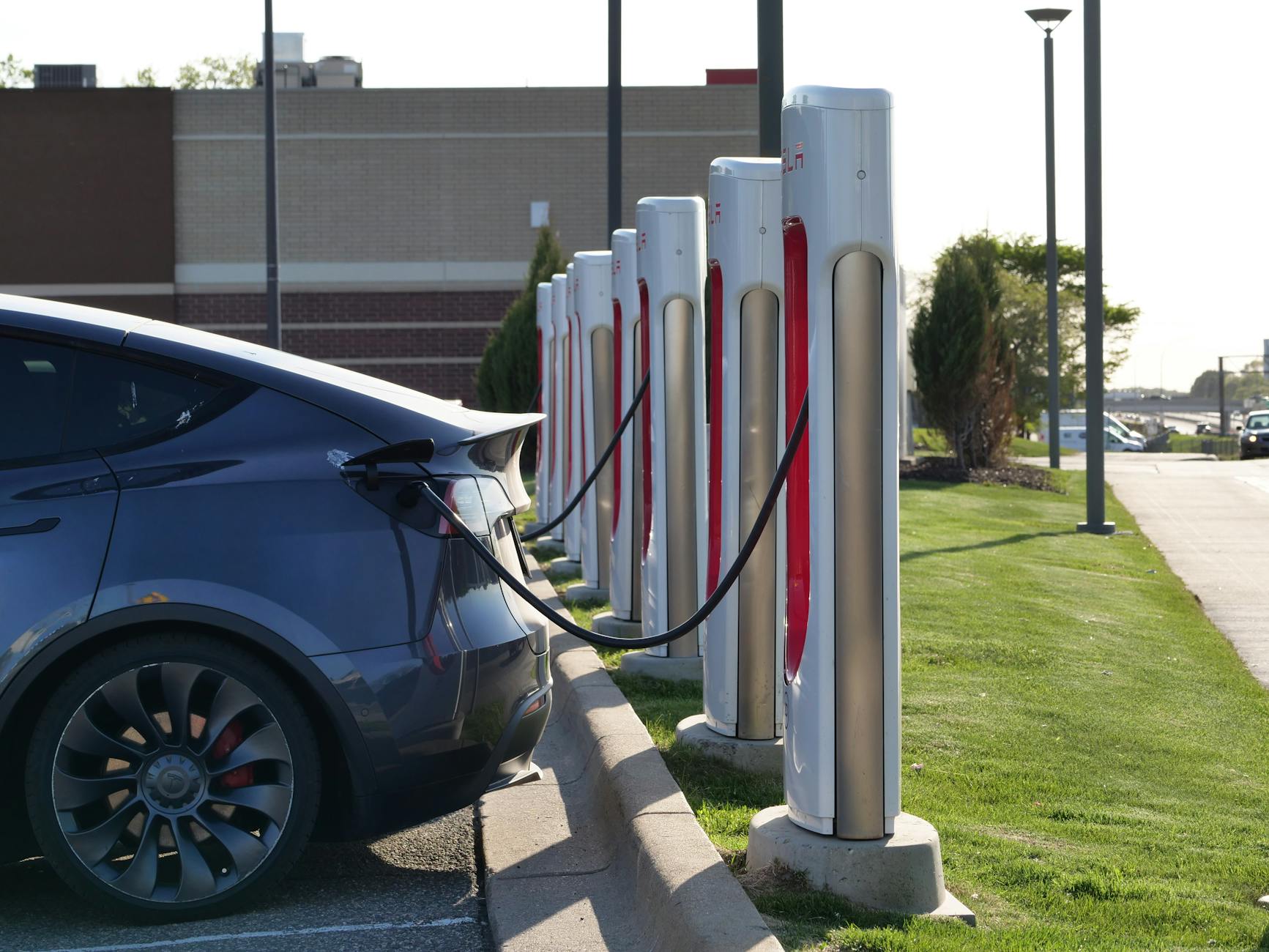
Tesla has rolled out a new 'Emergency Drive Away' feature for its Supercharger network, giving drivers a critical escape route in urgent situations. This update allows a Tesla to be driven away even with the charging cable still connected, a significant change designed for emergencies. While it offers a vital layer of safety, Tesla warns that using the feature will cause damage to both the vehicle and the Supercharger. This development comes as the global shift towards electric vehicles continues to prioritize both convenience and user security.
The U.S. Securities and Exchange Commission (SEC) is proposing to scrap a long-standing rule that allows shareholders to formally petition companies. This move, if enacted, would remove a critical tool used by investor and advocacy groups to press for greater action on climate change and sustainability. Shareholders have successfully used this rule to push companies for more transparency on emissions and to address environmental impacts like deforestation. Critics warn that dismantling this pathway could severely limit efforts to address urgent climate risks and corporate accountability.
A groundbreaking study reveals that "nature-based" insurance policies could save billions for both insurance companies and policyholders, offering a powerful new strategy against climate risks. Research shows that preserving and restoring natural habitats—like wetlands and healthy forests—can dramatically cut down on damages from disasters such as wildfires and floods. This innovative approach not only lowers costs but also champions essential environmental action, highlighting how healthy ecosystems are crucial for our planet's future in a warming world. It’s a win-win for our communities and the environment.
Chinese electric vehicle (EV) manufacturers are forging significant partnerships with international automakers, selling regulatory carbon credits to help them meet strict emissions standards. This growing trend highlights a new way for EV makers like XPENG to monetize their lead in clean technology. Agreements with companies such as Porsche allow traditional car brands to offset their fleet emissions, underscoring the urgent global push for electrification and sustainable transport solutions. This strategic move benefits both sides, fostering faster adoption of zero-emission vehicles and driving climate action in the automotive sector.
Extreme weather events, supercharged by climate change, are making everyday groceries significantly more expensive worldwide. A new study by Zero Carbon Analytics reveals that nearly all recent global food price spikes, from beef to tomatoes and seaweed, can be traced back to unprecedented temperatures, droughts, or heavy rainfall. This phenomenon, dubbed "climateflation," is transforming temporary weather-related cost increases into a persistent burden on household budgets. The findings underscore the urgent need for sustainable solutions to protect our food systems and economies.
Canada is developing a new framework to allow its companies to participate in international carbon markets. This move, focusing on Internationally Transferred Mitigation Outcomes (ITMOs), aims to attract vital investment into Canadian climate projects and boost demand for carbon removal and nature-based solutions. By enabling global trade in emissions reductions, Canada seeks to accelerate its journey towards net-zero targets while strengthening its role in the global clean economy. This initiative underscores the urgency of climate action, providing a pathway to finance critical environmental efforts.
Cincinnati is investing almost a million dollars directly into community-led efforts to combat climate change. Through its "Seeds of Change" program, the city has funded over 170 projects, empowering residents to drive local solutions. These initiatives, ranging from community gardens to solar installations, aim to reduce carbon pollution and build a more resilient city. This approach highlights the power of grassroots action in tackling the urgent global warming crisis.
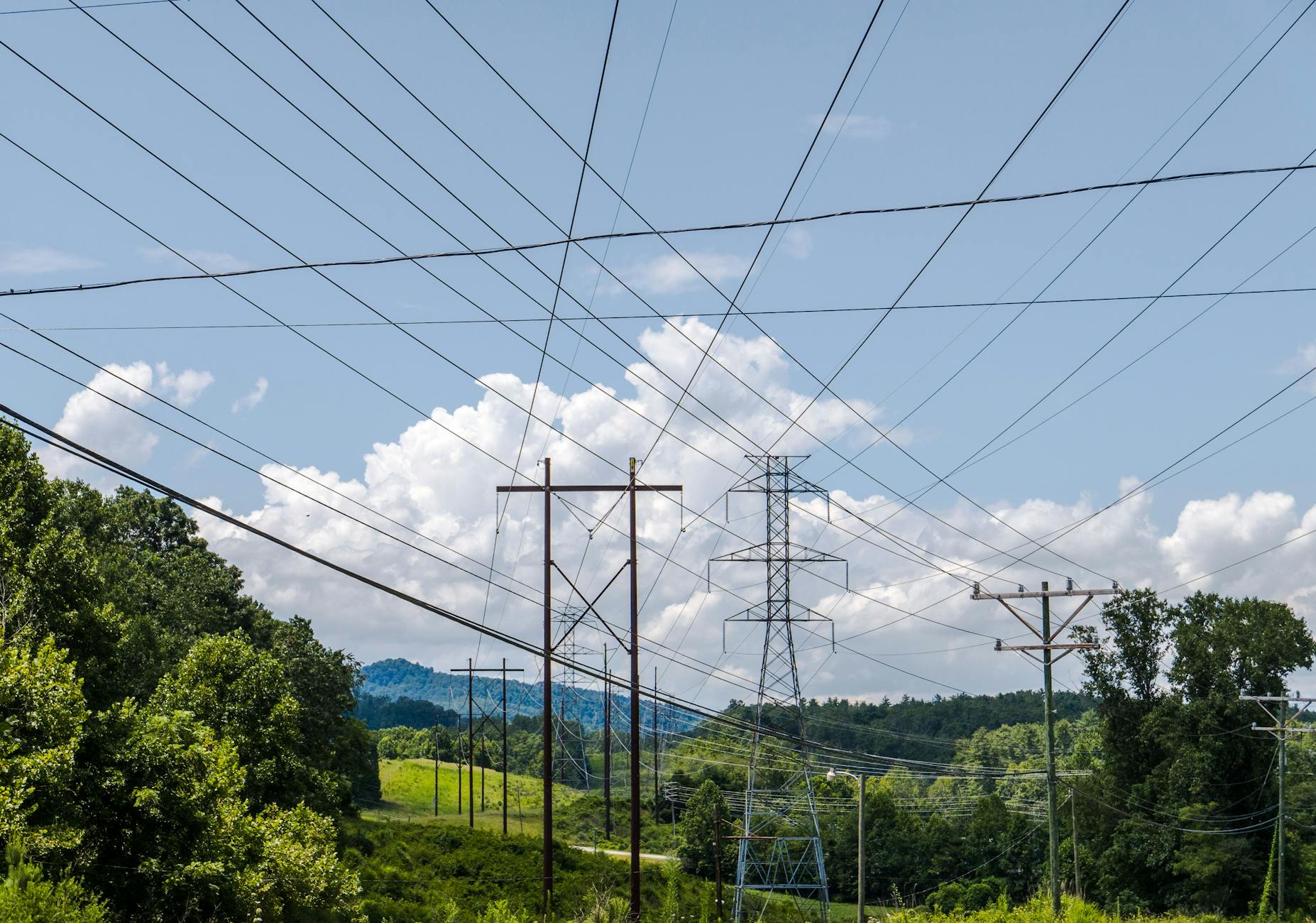
America's electricity grid is nearing a crisis point, threatening to send power bills soaring and derail crucial efforts to combat climate change. Just like too many cars cause traffic jams, an overloaded grid can't efficiently move electricity from power plants to our homes and businesses. This congestion is driven by rapidly growing demand from new technologies like electric vehicles and data centers. Without swift action to upgrade our transmission lines, we risk higher costs for everyone and a slower transition to cleaner, more sustainable energy solutions.
Governor Gavin Newsom has signed a sweeping package of environmental and energy laws, promising to reshape California’s power landscape. These new measures aim to make electricity more affordable and reliable for residents while accelerating the state's transition to clean energy. By empowering homeowners with smart technologies and curbing utility profits, California is taking bold steps toward a greener future. These actions are crucial for protecting our environment, combating climate change, and ensuring a sustainable energy system for all.
Middlesex County, New Jersey, is taking major oil and gas companies to court, seeking to recover hundreds of millions of dollars for damages caused by worsening climate change impacts. The county, New Jersey's second most populous, has endured severe flooding, extreme heat, and poor air quality, costing its communities dearly. This lawsuit accuses companies like ExxonMobil and Shell of decades of deception regarding climate risks. The action highlights the growing legal battle for accountability as local governments face the escalating financial burden of a warming planet.
Over $25 million in critical funding for national parks, including Joshua Tree National Park, has been blocked by the Trump administration. This decision has halted more than 130 agreements with partner organizations, preventing essential conservation and maintenance work. For Joshua Tree, this means suspending projects crucial for protecting its namesake plants from devastating wildfires and the growing impact of climate change. The move underscores significant challenges to preserving our natural heritage and highlights the urgent need for consistent environmental action.