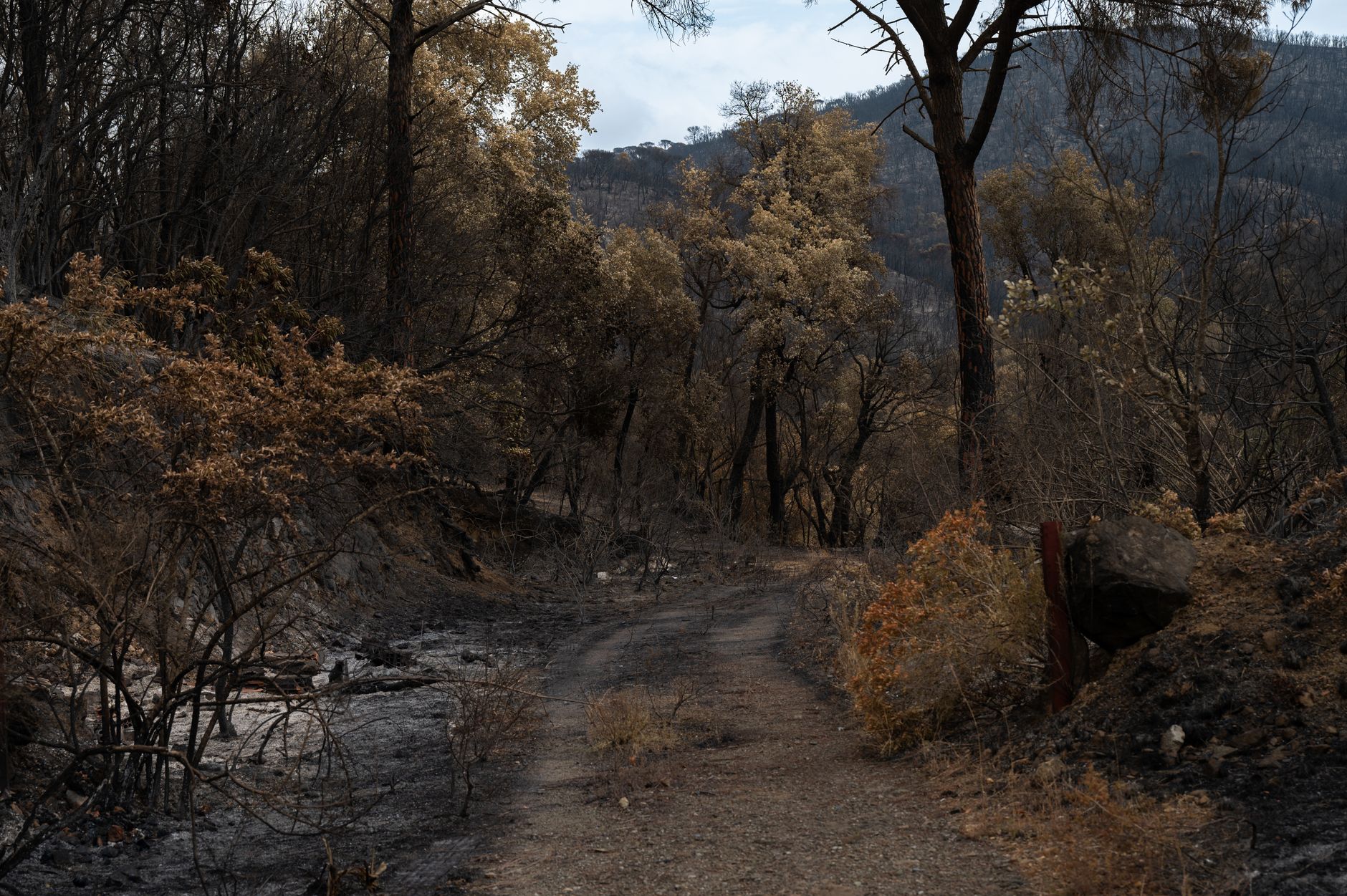
Over $25 million in critical funding for national parks, including Joshua Tree National Park, has been blocked by the Trump administration. This decision has halted more than 130 agreements with partner organizations, preventing essential conservation and maintenance work. For Joshua Tree, this means suspending projects crucial for protecting its namesake plants from devastating wildfires and the growing impact of climate change. The move underscores significant challenges to preserving our natural heritage and highlights the urgent need for consistent environmental action.
A long-awaited independent investigation has shed critical light on the devastating Eaton and Palisades fires of January 2025, which claimed 31 lives and destroyed over 16,000 structures. The comprehensive 724-page report, commissioned by Governor Gavin Newsom, reveals significant shortcomings in governmental planning, communication, and emergency response. It confirms previous concerns about delayed evacuation alerts for vulnerable communities and overlooked warning signs, offering the most candid assessment yet of the catastrophic events. This report highlights the urgent need for improved coordination and accountability to prevent future tragedies.
Europe faced a summer of unprecedented climate extremes in 2026, with over half the continent enduring dangerous heat stress levels, as reported by the European Union’s Copernicus Climate Change Service. This wasn't just about high temperatures; the period from May to August brought record-low flows in major rivers and significant losses of vital food crops. Experts confirm that human-caused global warming intensified these events, making them hotter and more probable. The cascading impacts highlight a critical need for urgent and coordinated climate action to adapt to a rapidly changing world.
The vital effort to restore the Chesapeake Bay is now facing significant hurdles. A new federal executive order has replaced a long-standing framework, raising concerns about coordinated action and accountability for pollution control. Adding to the challenge, seven Virginia tribes have withdrawn from formal participation after their request for signatory status in the Bay program was denied. These developments threaten to slow progress on cleaning up this national treasure, making effective environmental action more urgent than ever.
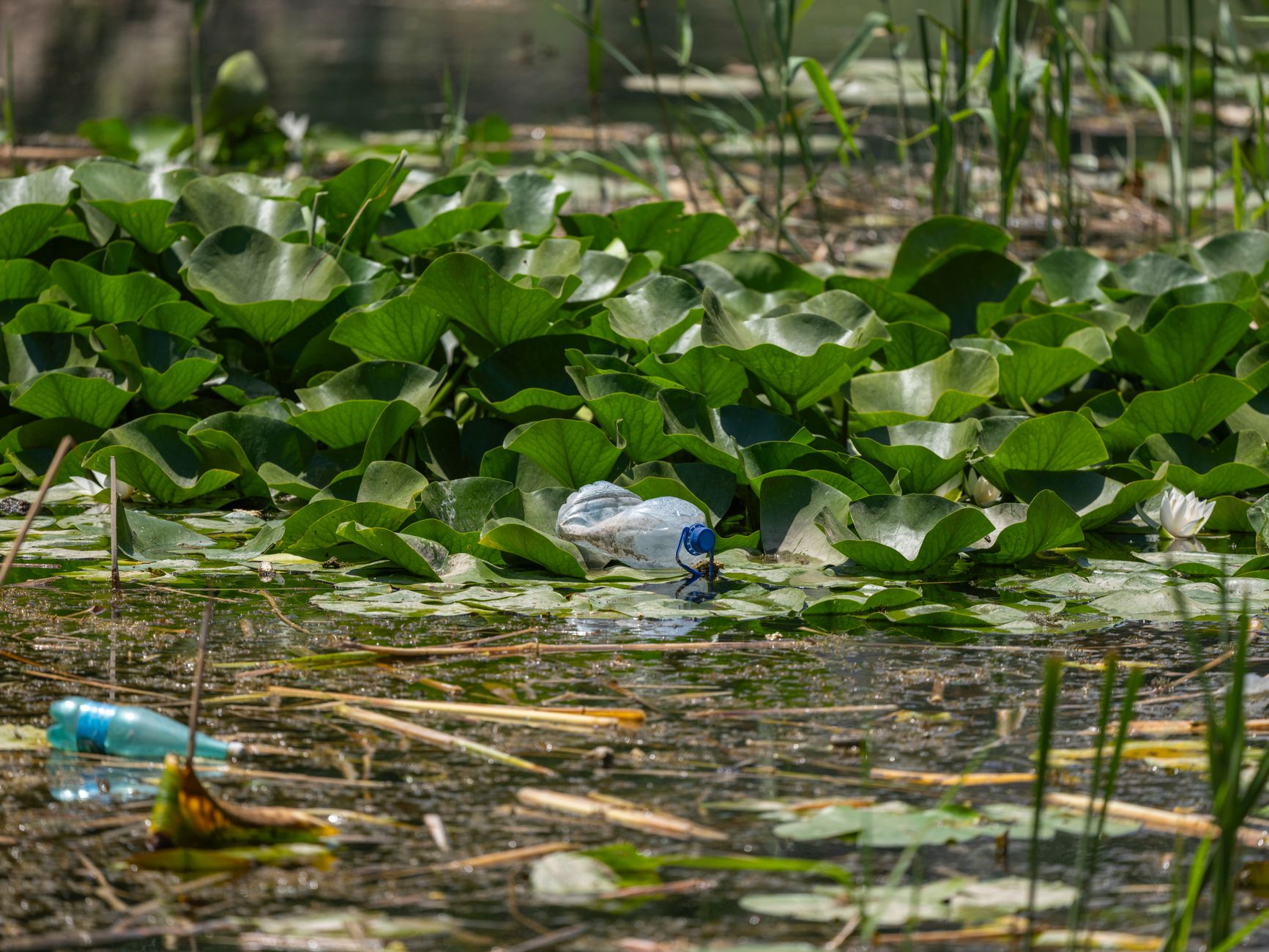
As global negotiators strive for a binding plastics treaty, recent conflict in Iran highlights the economic fragility tied to our reliance on fossil fuel-derived plastics. Key nations, particularly fossil fuel producers, continue to hinder efforts to limit plastic production, prioritizing waste management over comprehensive solutions. This standoff comes as the war exposed how disruptions in oil and gas supply chains directly impact prices for countless essential goods, underscoring the urgent need for sustainable alternatives and a robust global agreement to tackle plastic pollution.
Brazil's upcoming presidential election on Sunday holds immense implications for the Amazon rainforest, an ecosystem crucial to the global climate. Voters face a stark choice between President Luiz Inácio Lula da Silva, who has championed conservation, and Sen. Flávio Bolsonaro, whose approach raises concerns among environmental experts. The Amazon stores vast amounts of carbon and regulates weather patterns worldwide, making its protection essential for addressing global warming. This election will determine whether Brazil continues its path toward reducing deforestation or risks reversing recent progress.
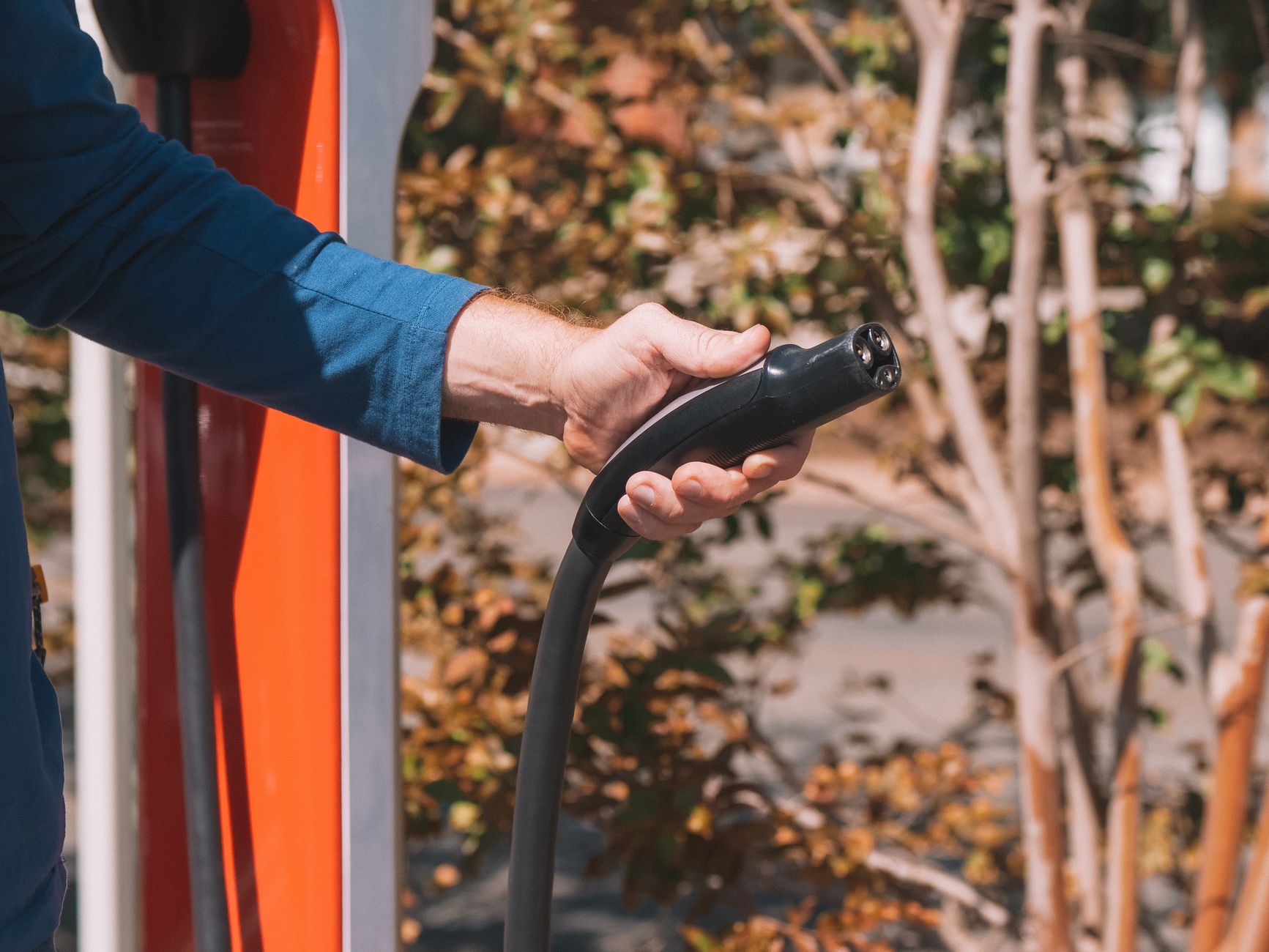
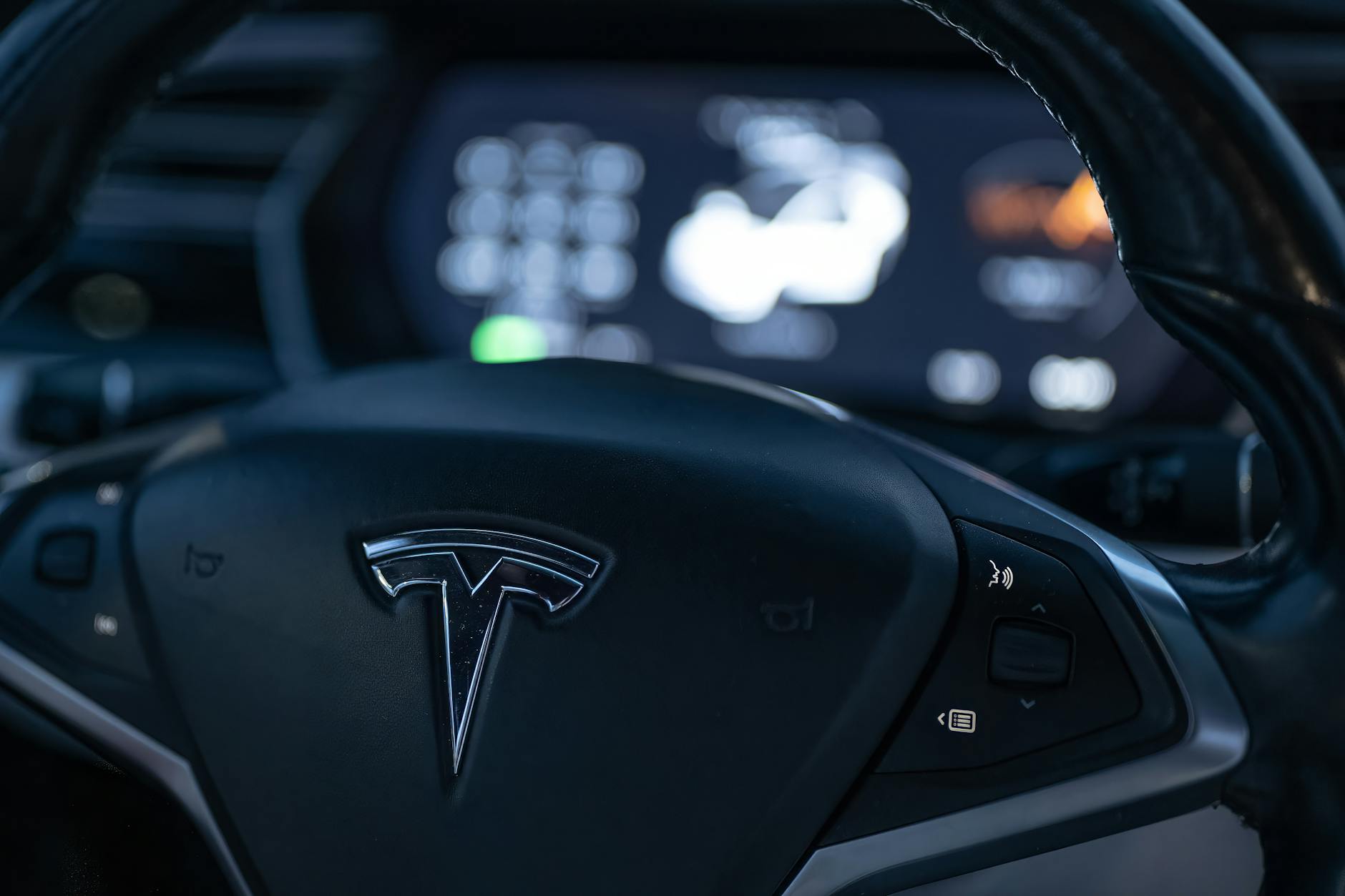
Tesla has introduced a significant new safety feature for its Supercharger network called 'Emergency Drive Away.' This allows drivers to quickly leave a charging stall, even if the cable is still connected, in urgent situations. While this capability offers a crucial escape route, Tesla warns that using it will damage both the vehicle and the Supercharger. The move comes as a direct response to growing concerns about driver safety at public charging locations, highlighting an evolving need for secure and accessible electric vehicle infrastructure as we transition to a cleaner energy future.
Cowboy Clean Fuels has made a significant stride in climate action by selling its first durable carbon removal credits, backed by tech giant Salesforce. This marks a crucial step for the Wyoming-based company, which combines permanent carbon storage with the production of renewable natural gas. The innovative process, utilizing agricultural waste and existing infrastructure, offers a promising pathway for both reducing atmospheric carbon and generating cleaner energy. Such pioneering efforts are vital in the urgent global fight against climate change, accelerating the development of sustainable solutions.
Tesla has once again surprised many, reporting impressive delivery numbers for Q3 2026 that surpassed Wall Street's predictions. More than just vehicles, the company also hit its second-best quarter ever for energy storage deployment, underscoring its dual role in the global shift towards a sustainable future. This strong performance highlights growing consumer demand for electric solutions and the critical progress being made in renewable energy, pushing us closer to a cleaner environment.
California's vast coastline, a treasure of biodiversity and recreation, faces a historic decision. The state's Fish and Game Commission is preparing to vote on groundbreaking petitions from Indigenous tribes seeking to create and manage new marine protected areas. This moment marks a significant shift, aiming to include Indigenous perspectives that were historically overlooked in ocean management. These proposals not only protect vital ecosystems but also strengthen climate resilience, underscoring the urgency of collaborative environmental action.
Tesla is pushing the boundaries of electric vehicle performance with a newly granted patent for its upcoming Roadster. This innovative "Electric Car Fan" system is designed to generate crucial downforce at any speed, a challenge for high-performance electric cars that deliver instant torque. By literally sucking the car to the pavement, this technology promises to dramatically improve acceleration, braking, and cornering, showcasing how electric powertrains are inspiring entirely new engineering solutions. It's a glimpse into the future of sustainable, high-octane driving.
California's ocean life is bracing for a powerful El Niño winter, a climate pattern bringing unusually warm waters. While some, like a visiting whale shark, offer awe-inspiring sights, experts warn of significant challenges for local ecosystems. This natural phenomenon, now compounded by existing marine heatwaves and a changing climate, is creating unprecedented conditions. Understanding these shifts is crucial for protecting the diverse creatures that call California's coast home, highlighting the urgency of environmental observation and action.