Cowboy Clean Fuels has made a significant stride in climate action by selling its first durable carbon removal credits, backed by tech giant Salesforce. This marks a crucial step for the Wyoming-based company, which combines permanent carbon storage with the production of renewable natural gas. The innovative process, utilizing agricultural waste and existing infrastructure, offers a promising pathway for both reducing atmospheric carbon and generating cleaner energy. Such pioneering efforts are vital in the urgent global fight against climate change, accelerating the development of sustainable solutions.
Tesla has once again surprised many, reporting impressive delivery numbers for Q3 2026 that surpassed Wall Street's predictions. More than just vehicles, the company also hit its second-best quarter ever for energy storage deployment, underscoring its dual role in the global shift towards a sustainable future. This strong performance highlights growing consumer demand for electric solutions and the critical progress being made in renewable energy, pushing us closer to a cleaner environment.
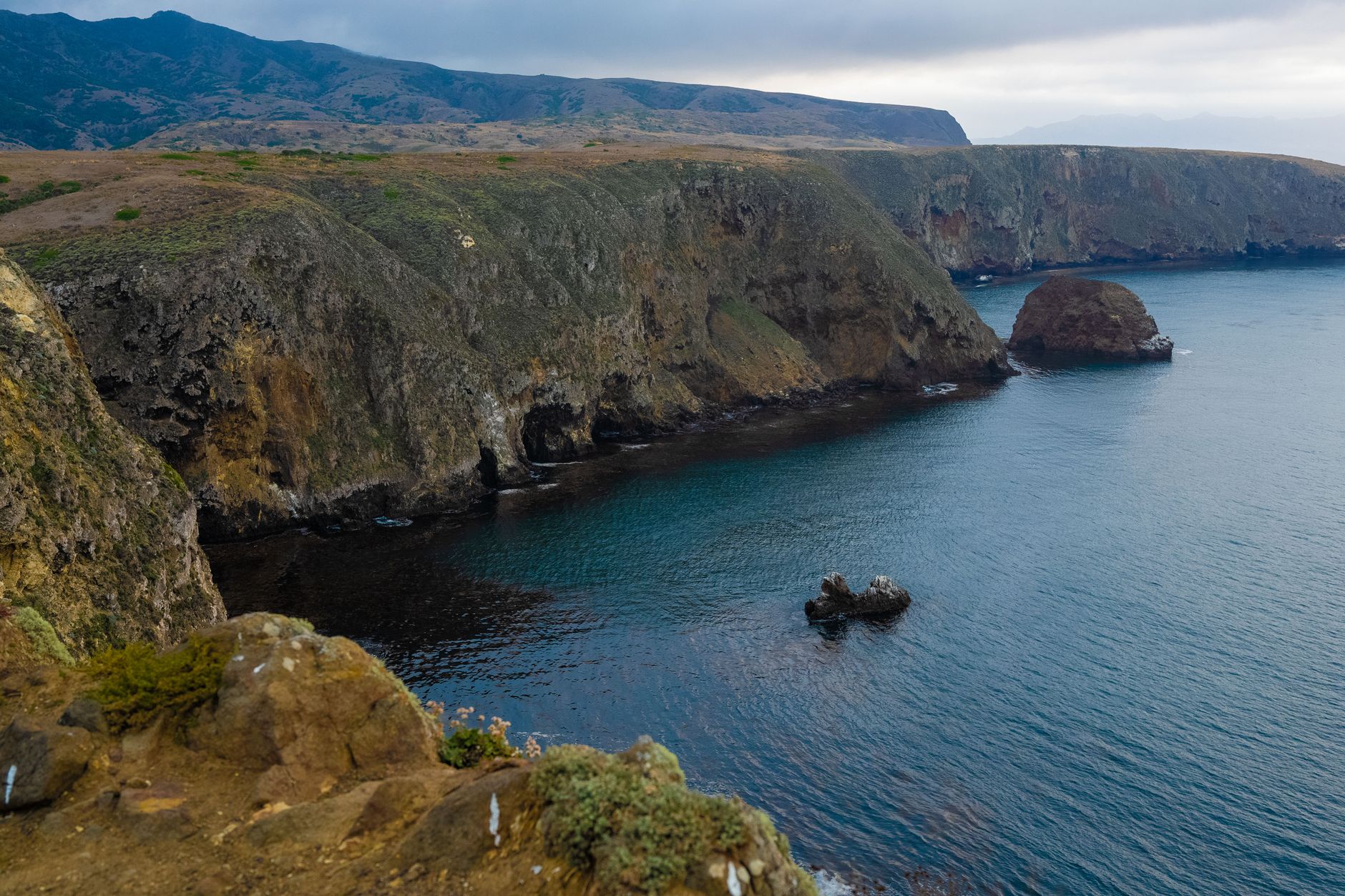
California's vast coastline, a treasure of biodiversity and recreation, faces a historic decision. The state's Fish and Game Commission is preparing to vote on groundbreaking petitions from Indigenous tribes seeking to create and manage new marine protected areas. This moment marks a significant shift, aiming to include Indigenous perspectives that were historically overlooked in ocean management. These proposals not only protect vital ecosystems but also strengthen climate resilience, underscoring the urgency of collaborative environmental action.
Tesla is pushing the boundaries of electric vehicle performance with a newly granted patent for its upcoming Roadster. This innovative "Electric Car Fan" system is designed to generate crucial downforce at any speed, a challenge for high-performance electric cars that deliver instant torque. By literally sucking the car to the pavement, this technology promises to dramatically improve acceleration, braking, and cornering, showcasing how electric powertrains are inspiring entirely new engineering solutions. It's a glimpse into the future of sustainable, high-octane driving.
California's ocean life is bracing for a powerful El Niño winter, a climate pattern bringing unusually warm waters. While some, like a visiting whale shark, offer awe-inspiring sights, experts warn of significant challenges for local ecosystems. This natural phenomenon, now compounded by existing marine heatwaves and a changing climate, is creating unprecedented conditions. Understanding these shifts is crucial for protecting the diverse creatures that call California's coast home, highlighting the urgency of environmental observation and action.
Northern California's Scott River, crucial for salmon returning to spawn, has largely dried up this year, raising alarm among environmental groups. While farmers continue to irrigate fields, advocates accuse state regulators of failing to protect river flows. This severe situation highlights the escalating conflict over water resources and the immediate threat posed to a vital fish population, intensifying calls for sustainable water management amidst a changing climate.
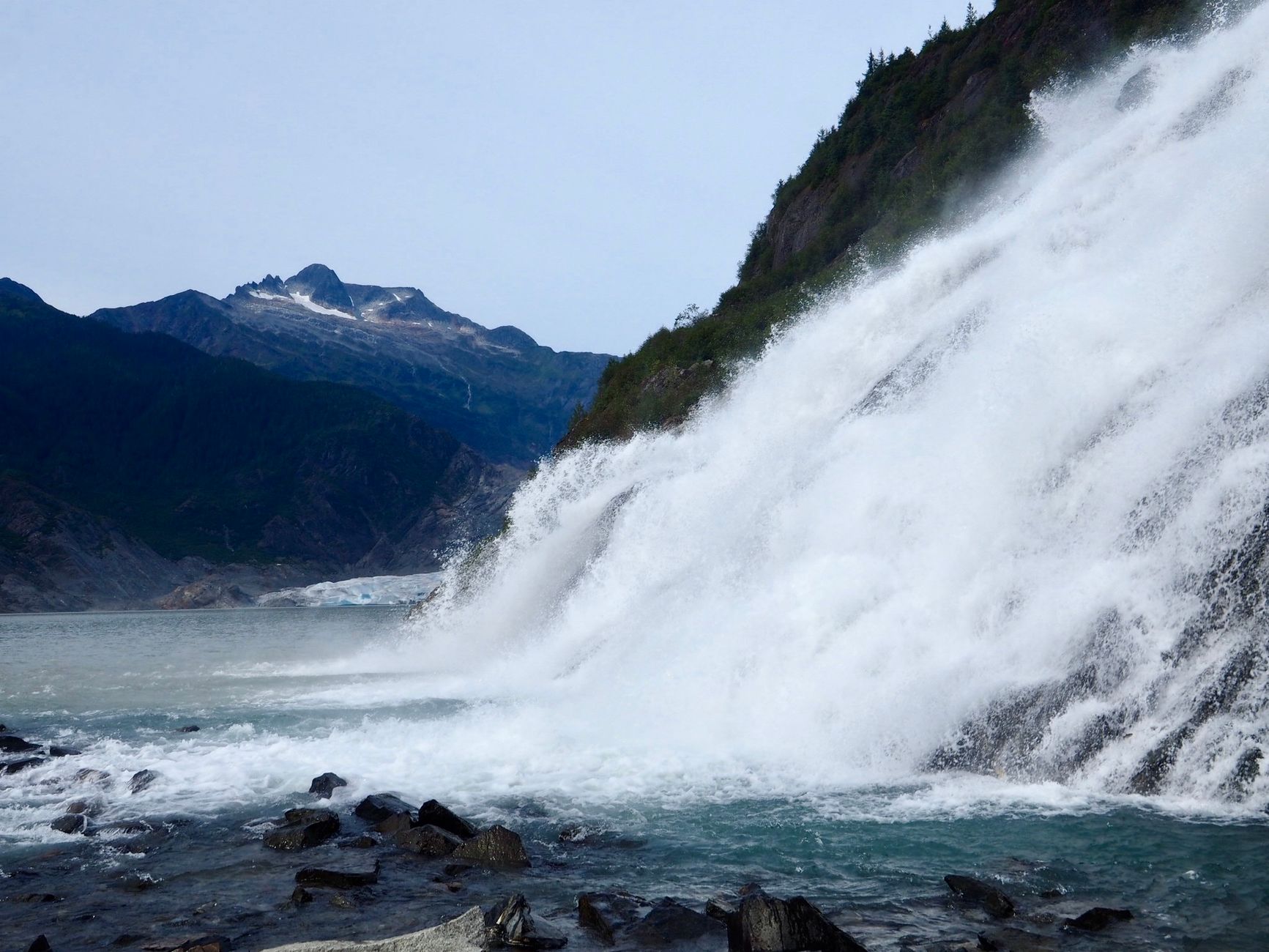
Juneau, Alaska, faces a growing crisis as severe floods increasingly threaten homes and livelihoods. These devastating waters are a direct consequence of rapid glacier melt, fueled by climate change, transforming lives for residents like Malachi Thorington, who has lost significant parts of his home. What began as minor flooding fifteen years ago has escalated into a major, destructive force each summer. This highlights the urgent need for climate action and robust adaptation strategies to protect vulnerable communities from these intensifying environmental challenges.
A new bill introduced in Congress aims to tackle the widespread DDT pollution off California's coast, where an estimated half a million barrels of toxic waste were dumped after World War II. This legislation seeks to finally address the environmental nightmare, which continues to poison marine life like dolphins, condors, and sea lions, leading to severe health issues. The 'Ocean Protection and DDT Reduction Act' proposes designating NOAA as the lead agency, providing crucial funding for mapping contamination, tracking its spread, and exploring cleanup solutions like bioremediation. This marks a vital step toward protecting our ocean ecosystems and rectifying a tragic chapter of environmental negligence.
California voters are considering Proposition 45, a ballot measure aiming to accelerate the environmental review process for housing projects. Supporters argue the current system is too slow and costly, driving up housing prices and hindering the creation of much-needed homes across the state. They believe this change will make building faster and more affordable, benefiting Californians seeking housing. However, critics strongly contend that Proposition 45 would drastically weaken the California Environmental Quality Act (CEQA), potentially sacrificing crucial environmental protections for air, water, and communities. This debate highlights the delicate balance between addressing the state's housing crisis and safeguarding its natural resources for future generations.
Silver prices have experienced a dramatic year, plummeting sharply from their peak before a modest recovery. This significant volatility presents new challenges for silver producers, even as the global market faces its fifth consecutive annual supply deficit. In this dynamic environment, Sierra Madre Gold & Silver is actively expanding its operations in Mexico, aiming to increase production despite the fluctuating commodity prices. The company's strategy involves scaling up existing mines and bringing new assets online to meet ongoing demand.
California Governor Gavin Newsom has vetoed a bill that would have given Native American tribes a stronger voice in the state's vital water policy decisions. Newsom stated his concern that the legislation could delay urgent efforts to secure California's water supply in the face of climate change. However, tribal leaders expressed deep disappointment, calling the decision a 'slap in the face' and a reversal of earlier commitments to address historical injustices. This move underscores ongoing tensions between urgent climate adaptation strategies and the rightful inclusion of Indigenous perspectives in environmental governance.
North Carolina's Roanoke River, a vital ecosystem, is finally getting a comprehensive plan to address 50 years of severe pollution. For decades, a local pulp mill discharged toxic dioxins and mercury, contaminating the river's fish and sediment, posing risks to both wildlife and human health. Federal and state regulators have now reached a tentative agreement with Domtar, the current owner, to fund extensive restoration efforts. This crucial step aims to heal the river, protect its unique habitats, and ensure a healthier future for the diverse species and communities that rely on it. The public has a chance to comment on this important environmental action via the draft restoration plan.