What if a 'Darker' World Brings a Brighter Future for All?

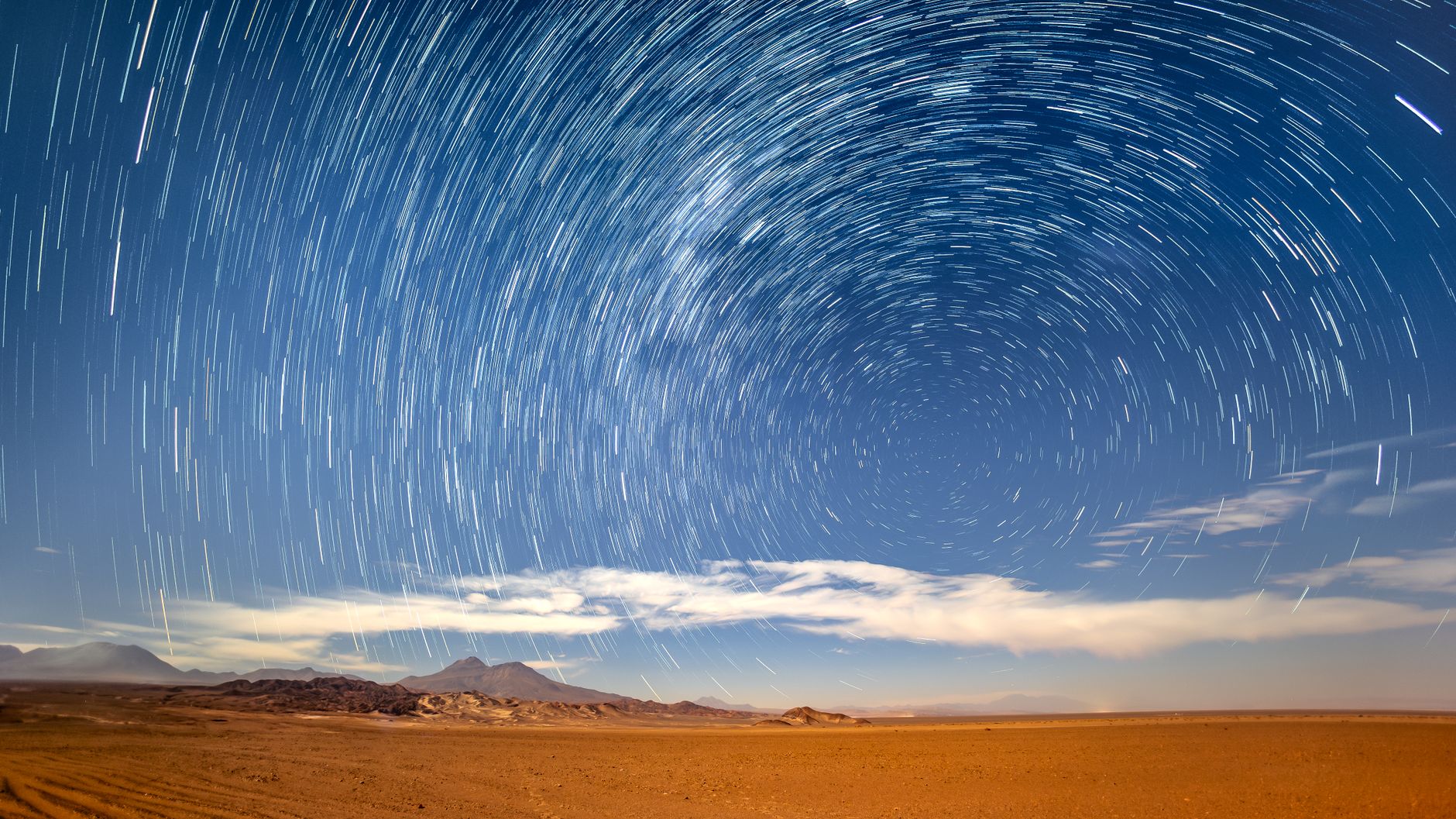
The magic of a truly dark, star-filled night is becoming increasingly rare, yet its absence impacts everything from our health to wildlife navigation. As artificial light expands globally, it disrupts natural rhythms and obscures the cosmos, raising concerns for environmental balance. However, new insights offer hope, suggesting that by rethinking our approach to lighting, we can easily reverse this trend. Embracing strategic, sustainable lighting solutions could lead us toward a future where dark skies are once again a common sight.
In a world often bathed in constant artificial light, experiencing a truly dark night, where the Milky Way is visible and starlight casts shadows, has become a rare privilege. Naturalist and author Craig Childs, in his book “The Wild Dark: Finding the Night Sky in the Age of Light”, explores this disappearing phenomenon and its profound implications. Childs undertook a journey from the bright glow of Las Vegas to the darkest deserts, witnessing the varying levels of night sky quality, often measured using the Bortle scale.
This explosion of artificial light, dramatically increasing since the late 1990s with the rise of LEDs, is more than just an aesthetic loss; it's an environmental concern. Wildlife navigation is severely affected; for example, migratory birds are drawn off course by city lights, leading to exhaustion and collisions. Millions of grasshoppers swarm to city lights from the desert, disrupting ecosystems. For humans, the constant presence of light disrupts our natural circadian rhythms, impacting hormonal balance and potentially contributing to health issues like increased rates of breast cancer in night-shift workers. Our bodies, like all organisms, are wired for both day and night, and denying this natural rhythm has consequences.
The good news is that light pollution is a surprisingly solvable problem. Unlike other complex environmental challenges, restoring dark skies can be as simple as turning off a switch or making smarter lighting choices. Lighting engineers are beginning to understand that light doesn't need to be everywhere or blinding to be safe; it needs to be strategic. By choosing warmer-toned, shielded lights that direct illumination downwards, and by being mindful of light trespass from our homes, we can make a significant difference.
Communities are also taking action. Places like Flagstaff, Arizona, are replacing colder street lights with warmer, more environmentally friendly LEDs. Even Boulder City, Nevada, despite being close to the bright lights of Las Vegas, is recognized as a dark sky community, committed to preserving its patch of darkness. These efforts demonstrate that protecting and restoring dark skies is achievable, bringing us back in touch with the awe-inspiring beauty of our galaxy and supporting the health of both humans and the planet.