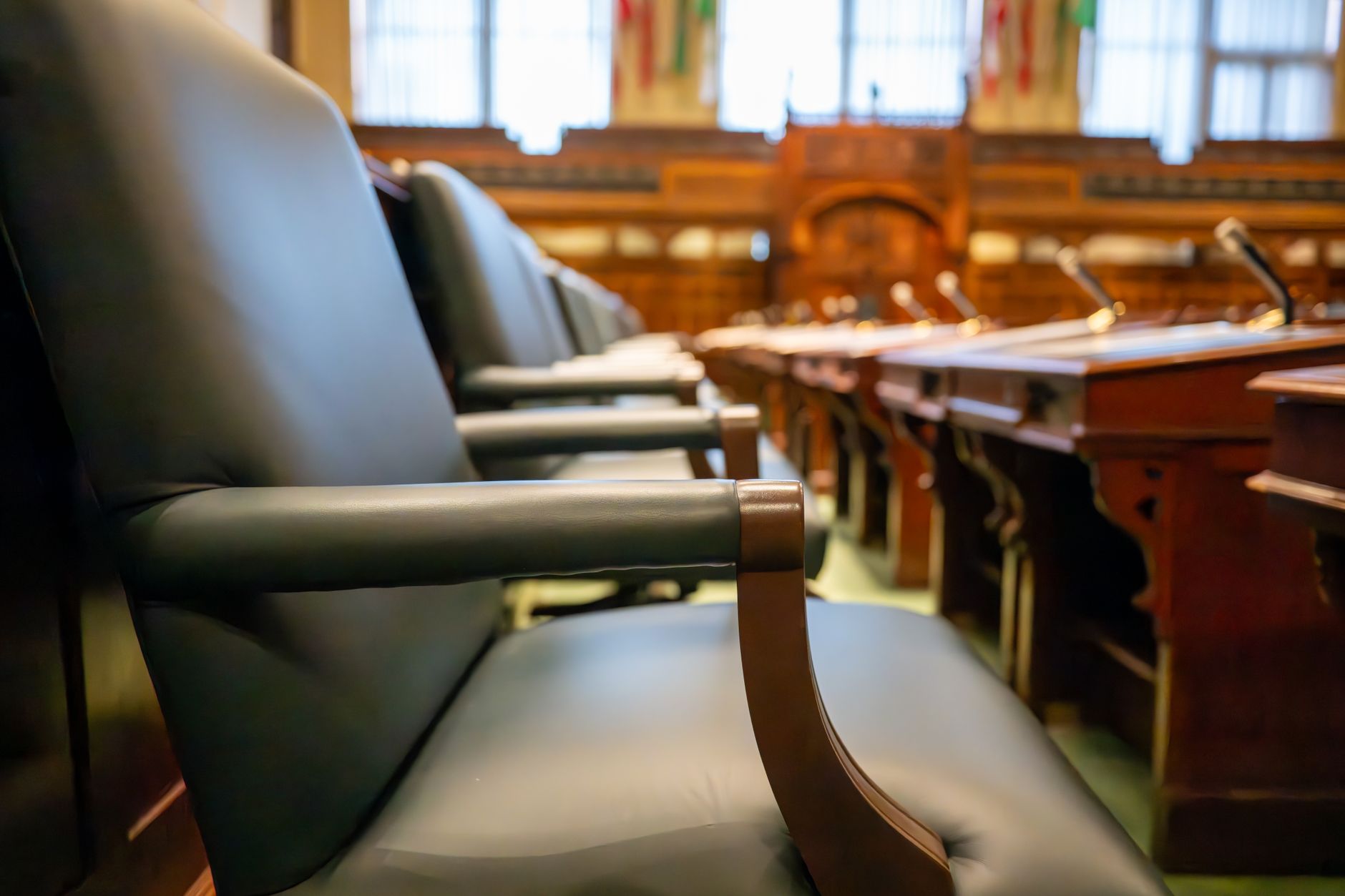
Texas Railroad Commissioner Wayne Christian recently defied state lawmakers by skipping a critical hearing concerning the oversight of the state's powerful oil and gas industry. This comes amid a controversial change to the commission's public participation policy, which now limits guaranteed public comment periods. The move has sparked a serious clash with the Texas House Committee on Energy Resources, raising significant concerns about transparency and accountability in regulating issues like abandoned wells and hazardous wastewater, which deeply impact Texas communities and the environment.
A new scientific report reveals that Greenland and Antarctica have lost a staggering 12.5 trillion tons of ice since 1979. This massive melt, largely driven by warming ocean waters, has already contributed to a global sea level rise of about an inch. Experts warn that this seemingly small change leads to annual flooding for millions of people, highlighting the urgent need for global climate action. The study underscores how quickly our planet's polar regions are transforming, with significant consequences for coastal communities.
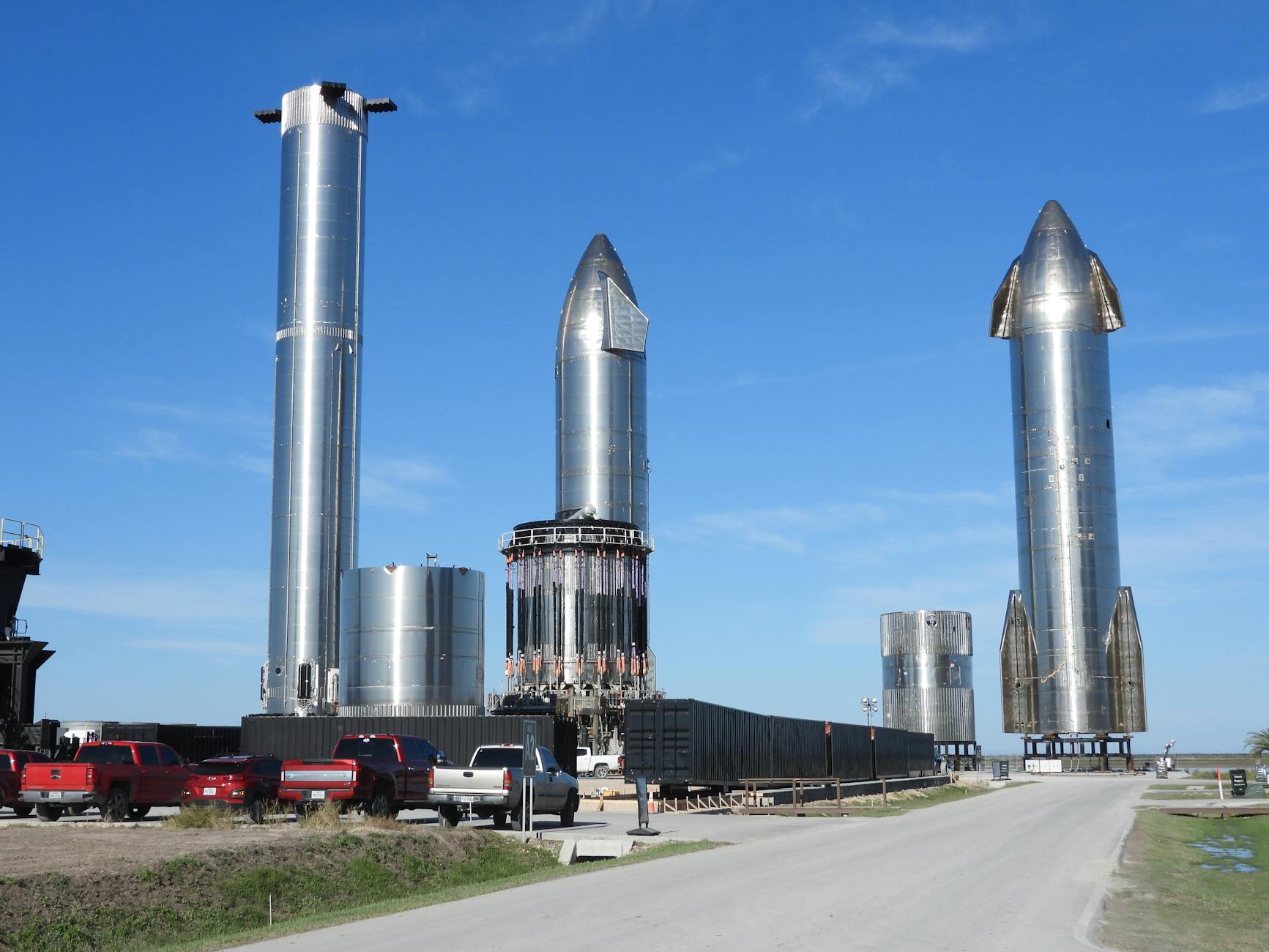
SpaceX is preparing for a landmark moment as its Starship rocket targets September 22 for its 14th test flight. Unlike previous suborbital journeys, this mission aims to achieve a genuine orbit around Earth for the first time. This ambitious step is not just about reaching space; it also seeks to deploy a fresh batch of Starlink V3 satellites, promising a significant boost in global internet bandwidth. Following extensive testing of Starship's heat shield and reusability, this flight represents a pivotal shift from experimental hops to delivering real payloads. Success here is vital for advancing more sustainable and efficient access to space, helping connect the world while paving the way for future exploration.
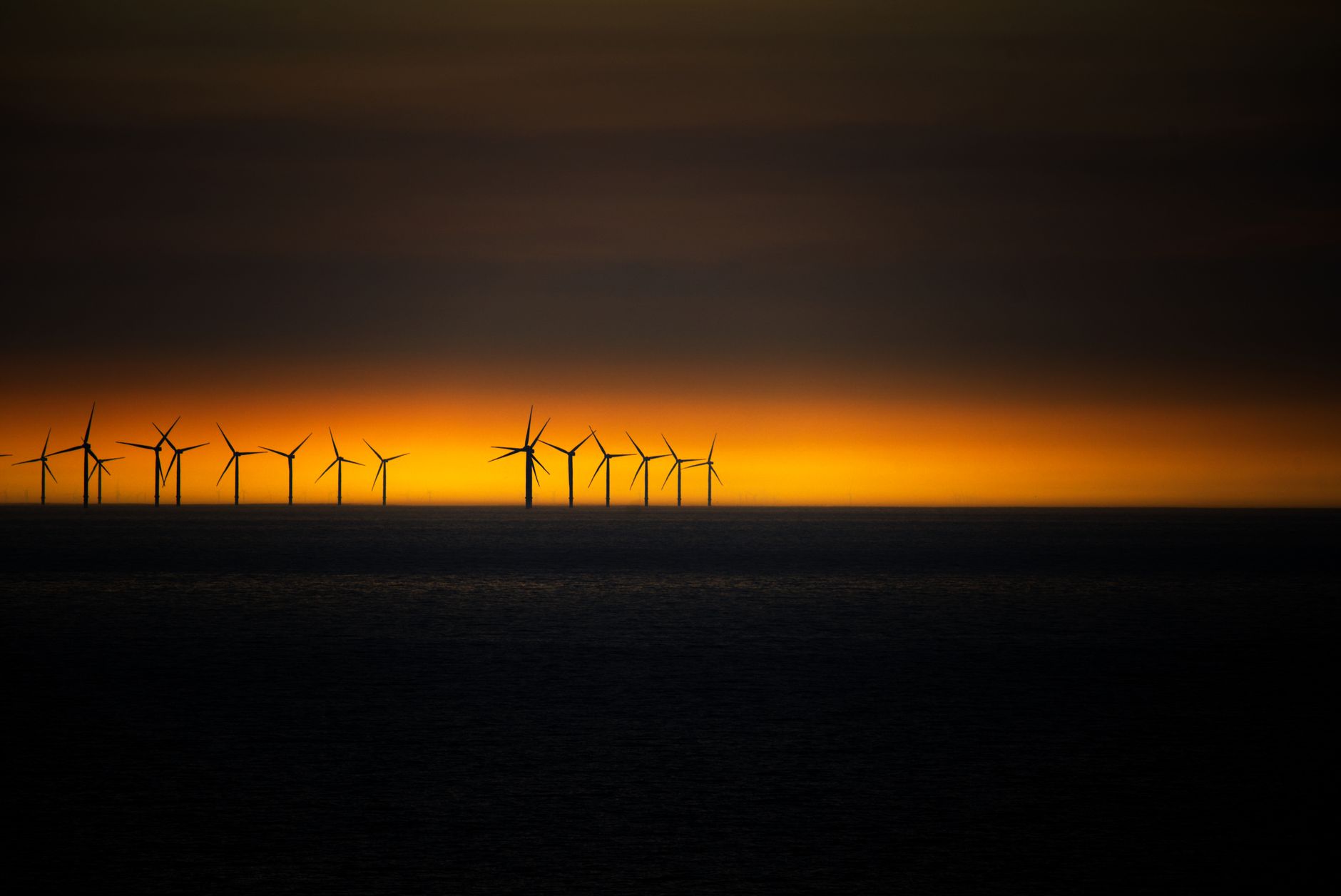
Germany is making a significant leap towards its clean energy goals with a massive €2.1 billion (roughly $2.4 billion) financing package for the Gennaker offshore wind farm. This landmark project, backed by BlackRock-owned Skyborn Renewables, will add nearly 1 gigawatt of clean electricity to the German grid. Set to power approximately one million households by late 2028, it marks a crucial step in reducing reliance on fossil fuels and accelerating the country's transition to sustainable, domestically produced energy. The investment underscores Europe's growing commitment to robust environmental action.
A quiet revolution is stirring in our food system, challenging the way we think about everything from wheat fields to the bread on our tables. Farmers, bakers, and consumers are uncovering the complexities of industrial agriculture, particularly in grain production. This movement emphasizes local economies, transparent processes, and genetically diverse crops, aiming to build soil health, boost biodiversity, and provide truly nourishing food. It's a shift towards a more sustainable and community-driven future, highlighting the urgent need for environmental action in how we grow what we eat.
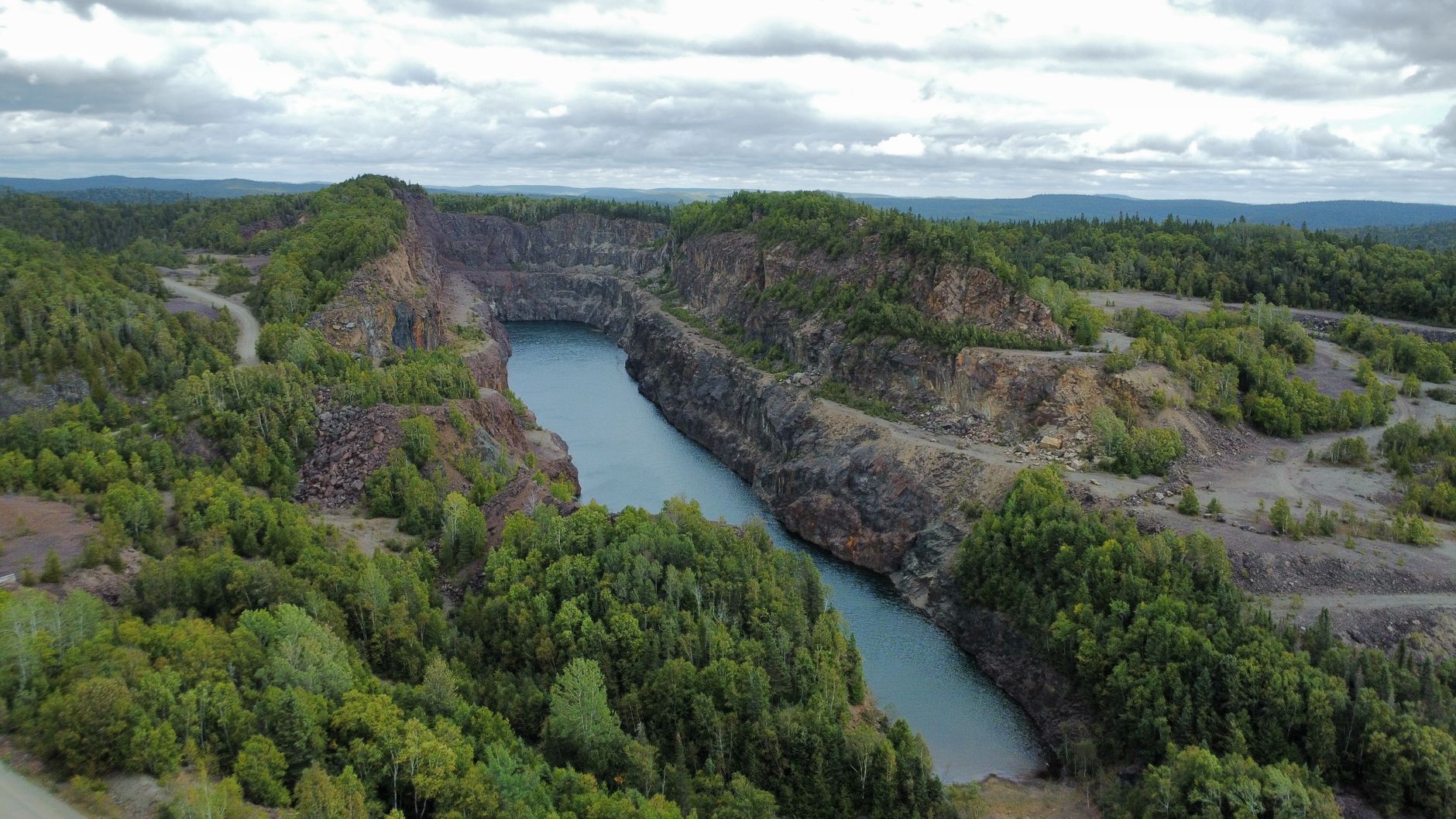
Canada has launched an ambitious initiative, the Canada Investment Summit 2026, aiming to attract C$1 trillion in global investments over five years. At the core of this plan is a significant focus on critical minerals, essential for electric vehicles, renewable energy, and other clean technologies. With 63 mining and metals projects highlighted, the nation seeks to become a key player in diversifying global supply chains. This strategic push is crucial for accelerating the worldwide shift towards sustainable solutions, but it also underscores the vital need to manage the environmental impact of increased mining activities responsibly.
Tesla is set to unveil its highly anticipated next-generation Roadster on October 1st in Waco, Texas. This electric supercar promises to redefine speed and range, showcasing the incredible potential of sustainable transportation. After years of speculation and delays, the event is expected to reveal mind-bending performance specs, including a potential 'SpaceX thruster package.' This launch highlights how electric vehicles are pushing boundaries, offering a cleaner, more thrilling future for driving and accelerating our shift away from fossil fuels.
Google has made a significant 22-year commitment to Finland's low-carbon energy future, signing a major power purchase agreement with utility Fortum. This landmark deal will secure up to 50% of the Loviisa nuclear power plant's output, helping finance crucial investments to extend its operation until 2050. This ensures a vital source of fossil-free electricity, which currently provides about 10% of Finland’s power, remains online for decades. Beyond nuclear, Google's €13 billion investment also targets new renewable energy projects and battery storage solutions, underscoring a broad strategy for a resilient, sustainable energy grid and highlighting the urgency of transitioning to cleaner technologies.
As our climate warms, communities face increasingly extreme disasters like fires and floods, causing billions in damage and devastating lives. A vital federal initiative, the Building Resilient Infrastructure and Communities (BRIC) program, offers a solution by funding projects to limit this destruction before it happens. Remarkably, every dollar invested in such proactive measures has been shown to save six dollars in future costs. This demonstrates the critical financial and environmental sense in preparing for the escalating impacts of climate change.
As students return to classes, they face a world grappling with the warmest U.S. summer on record and challenges to the very sciences that explain our changing planet. To meet this moment, Yale Climate Connections has assembled a thought-provoking collection of new books. This diverse bookshelf reveals how virtually every academic discipline—from physics and biology to art and archaeology—is critical for understanding and effectively addressing the climate crisis. It underscores the urgent need for a multidisciplinary approach, offering insights into environmental action, climate urgency, and pathways toward a sustainable future.
Congressional Republicans are moving to protect fossil fuel companies from lawsuits seeking damages for climate change impacts. New legislation, like the “Stop Climate Shakedowns Act,” aims to grant broad immunity to the industry, dismissing scientific consensus on emissions and their link to global warming. This effort comes as communities across the U.S. grapple with devastating climate-related disasters and push for accountability from those contributing to the crisis. Critics warn these bills threaten environmental protection and public health by shielding major polluters.
Elon Musk has given his clearest indication yet that Tesla and SpaceX could eventually merge, citing their deepening collaboration at the All-In Summit. This marks a significant shift from his past denials, fueling months of speculation on Wall Street. With both companies increasingly working together on key projects like AI and chip facilities, the prospect of a combined entity could accelerate innovation across various sectors. Such a move would amplify their potential to drive forward sustainable technologies, furthering Tesla's mission for a greener future alongside SpaceX's ambitious space endeavors.