A new investigation reveals that extreme heat is silently claiming thousands more American lives each year than official records indicate. With temperatures rising due to climate change, this undercount masks a critical public health crisis. Families like Debbie Willson's, who lost her son Adam in scorching Arizona, are experiencing the devastating impact firsthand, often without heat being acknowledged on death certificates. Understanding the true scale of heat-related deaths is vital for effective climate action and protecting vulnerable communities from an increasingly dangerous world. This hidden toll highlights the urgent need to address global warming and implement sustainable solutions.
Tesla is preparing to launch its highly anticipated Cybercab this Thursday in Austin, Texas, marking a significant step in the future of transportation. This invite-only event will introduce a vehicle designed to operate entirely without a steering wheel or pedals, offering truly driverless ride-hailing services on public roads for the very first time. The Cybercab represents a groundbreaking stride for Tesla, aiming to redefine urban mobility and advance sustainable solutions by potentially reducing the need for individual car ownership and its associated emissions, paving the way for cleaner, more efficient city transit.
Singapore-based Climate Impact X (CIX) and London-based Carbonplace are set to merge, aiming to create a more connected and efficient global carbon market. This significant move, announced on August 26, 2026, would combine CIX’s trading and price-discovery tools with Carbonplace’s settlement and multi-registry access. The goal is to simplify buying, selling, and tracking carbon credits, which is crucial for accelerating climate action by making environmental investments more accessible and trustworthy. This integration seeks to overcome current market fragmentation and unlock greater capital for sustainability initiatives worldwide.
A new United Nations report warns that Earth is rapidly approaching a dangerous phase of climate "overshoot," where global temperatures will soon exceed the critical 1.5-degree Celsius warming limit set by the Paris Agreement. This impending breach, driven by persistent fossil fuel emissions, threatens to intensify extreme weather, endanger food and water supplies, and trigger irreversible environmental damage. Scientists emphasize the urgent need to drastically cut greenhouse gas emissions and embrace sustainable solutions to mitigate the worst impacts and secure a safer future.
The Earth is experiencing increasingly severe heat, with 2026 potentially becoming the hottest year on record. Despite this urgent backdrop, climate change has taken a back seat in recent Democratic political campaigns. What was once a central rallying cry and a driver for policies like the Green New Deal has quietly faded from the forefront. This shift raises concerns among scientists and advocates who warn that delaying action on global warming could profoundly impact the planet's future habitability, making environmental protection a critical but overlooked priority.
Leah C. Stokes' new book, "The Carbon Wave," offers an insider's view into the challenging five-year journey to pass America's most significant climate legislation, the Inflation Reduction Act. This landmark law, investing $369 billion in clean energy, was a hard-won victory against immense political and personal obstacles. Stokes champions collective action, urging a shift from individual carbon footprints to societal structural changes like widespread electrification and clean power. Her memoir highlights how dedicated efforts can transform our energy future and combat the climate crisis effectively.
For social housing tenants like Kirsty and Aida, a system meant to deliver greener heating has instead brought immense hardship. Facing monthly shortfalls of hundreds of pounds, these tenants risk eviction due to high, unregulated heat network costs bundled with their rent. This situation highlights a critical flaw in the UK's push for sustainable heating solutions, where the environmental benefits are overshadowed by financial burdens and poor service. Advocates are now fighting for consumer protection and fair pricing, urging that the urgent need for climate action doesn't come at the expense of vulnerable families.
An environmental group and veterans' organization in Argentina have launched a significant lawsuit to halt a British-Israeli offshore oil project near the disputed Falkland Islands. They argue the "Sea Lion" project, planned for the Argentine continental shelf, poses a grave threat to the region's unique marine ecosystems, home to whales, penguins, and diverse fish species. Beyond ecological concerns, the lawsuit challenges the project on grounds of national sovereignty, asserting that Argentina's laws and environmental authorizations are being ignored. This legal action underscores the urgent need to protect vulnerable marine environments from fossil fuel extraction and highlights the complexities of international law.
Nepal is reeling from catastrophic flash floods that have claimed over 1,000 lives and left thousands more missing along its border with China. Rescue teams are struggling with challenging conditions, including destroyed roads and unstable terrain, as they search for survivors, including hundreds of workers trapped in damaged hydropower projects. The disaster, triggered by a glacial collapse in the Himalayas, serves as a stark reminder of the escalating risks faced by vulnerable regions due to climate change, prompting urgent calls for international action.
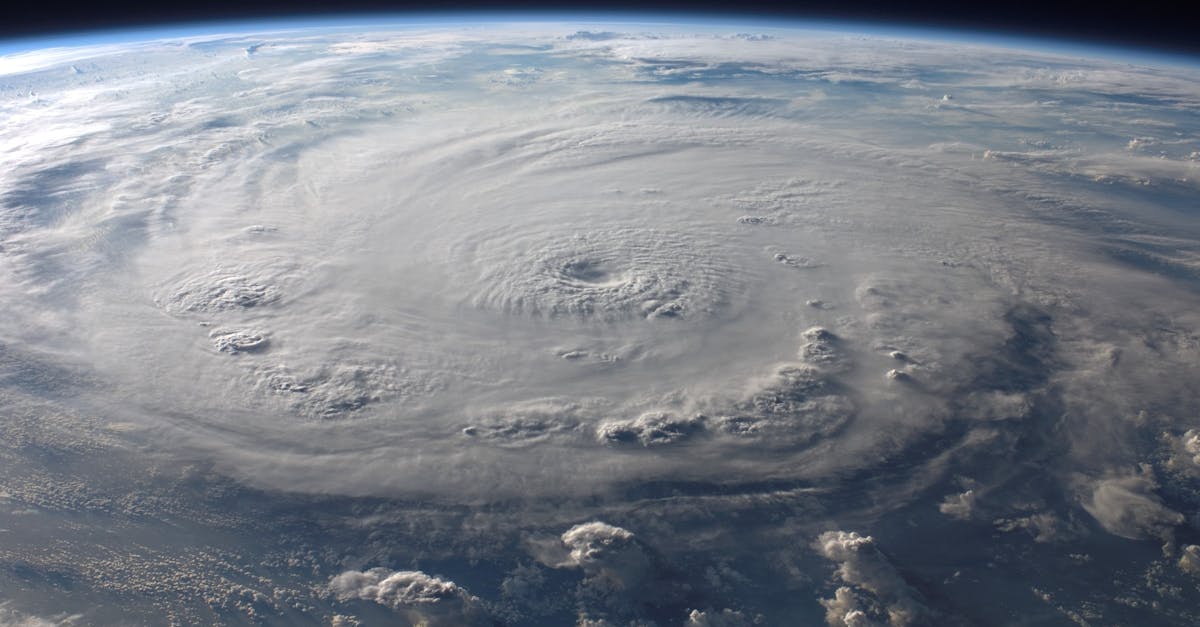
The U.S. Gulf Coast is bracing for Tropical Depression Five, expected to become Tropical Storm Edouard before hitting Texas and Louisiana by Tuesday. This comes amidst an exceptionally active hurricane season in the Eastern Pacific, with major hurricanes threatening Hawaii and potentially Southern California. Meanwhile, a deadly flash flood recently devastated parts of the Grand Canyon, and Puerto Rico continues to suffer from severe drought. These events highlight how rapidly changing weather patterns are impacting communities nationwide, underscoring the urgent need for climate resilience.
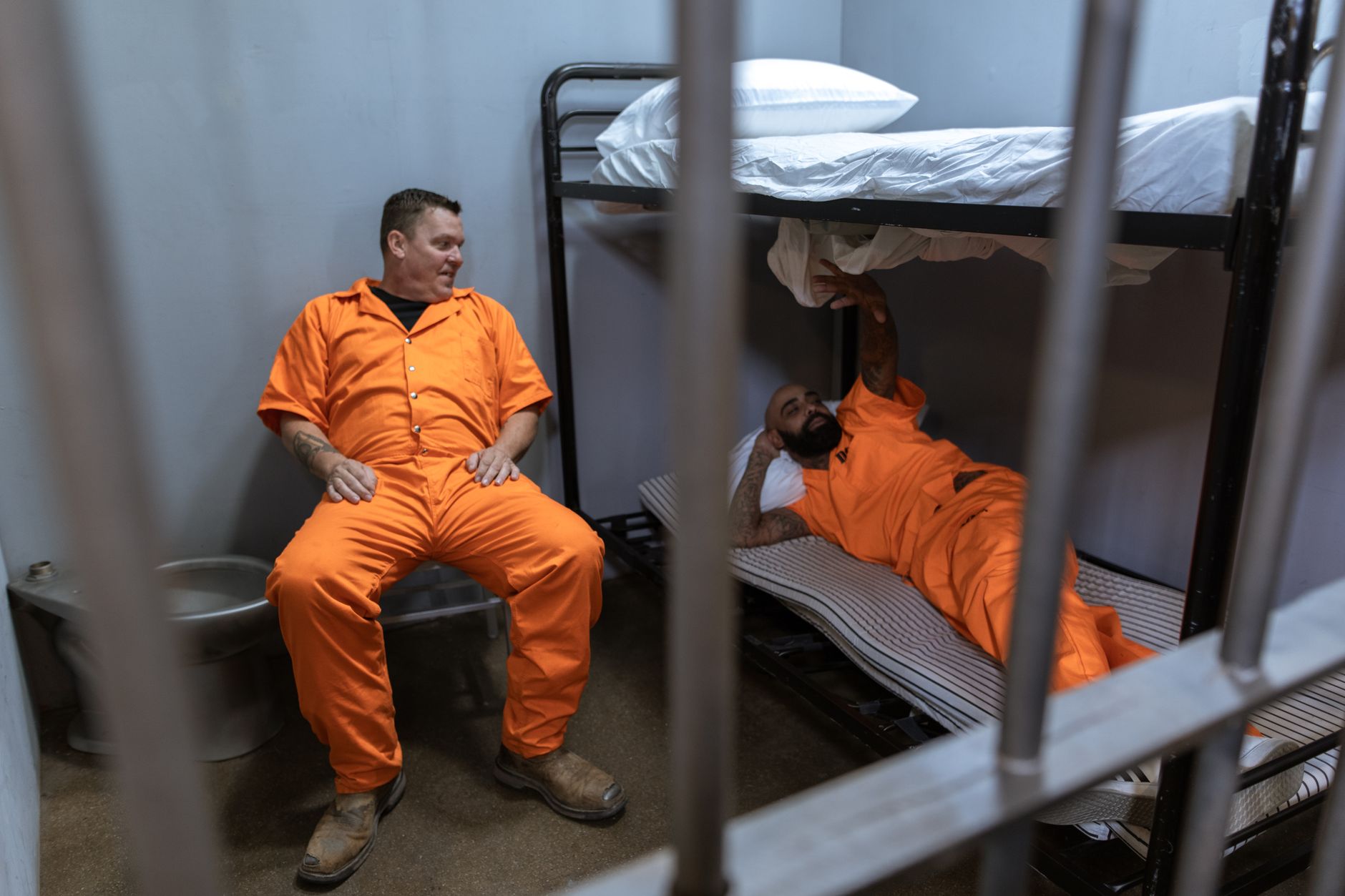
As heat waves intensify globally due to a warming climate, a silent crisis is unfolding within Texas prisons. Many incarcerated individuals are forced to endure sweltering conditions, with temperatures inside some facilities frequently soaring above 100 degrees Fahrenheit. Over half of these individuals sleep in areas without air conditioning, facing severe health risks from extreme heat exposure. Despite urgent calls from advocates and legislative efforts to mandate cooler temperatures, progress has been slow, leaving a vulnerable population at heightened risk as the planet warms.
For many, heatstroke is seen as a short-term crisis, but survivors often face health challenges years later. Rebecca Ochoa's struggle, 11 years after collapsing in Texas heat, highlights the lasting physical and mental toll. As climate change brings more intense and frequent heatwaves, understanding these long-term impacts becomes critically important. This isn't just about immediate survival; it's about a future where more people could live with chronic conditions stemming from heat exposure.