The U.S. Environmental Protection Agency (EPA) recently boasted about its highest enforcement numbers in nearly a decade. However, a new Inside Climate News analysis paints a starkly different picture, revealing that critical lawsuits against major polluters have sharply declined under the current administration. Instead, the agency is focusing on less impactful administrative actions, often without significant penalties. This shift, alongside major staff cuts, raises serious concerns about the EPA's ability to protect our environment and hold big polluters truly accountable, impacting public health and environmental safeguards nationwide.
Tesla is preparing to launch its highly anticipated all-electric Cybercab, a purpose-built ride-hailing vehicle, by officially registering a new fleet in Texas. Just days before an exclusive launch event in Austin on September 3, seven of these unique, steering-wheel-free vehicles have been added to the state’s automated vehicle registry. This move signals a significant step towards a cleaner, more sustainable future for urban transportation, as Tesla aims to integrate these innovative robotaxis into its existing service. The expansion underscores the growing momentum toward electric, autonomous solutions that can reduce emissions and transform city travel for the better.
China's rapidly expanding artificial intelligence (AI) sector is set to dramatically increase the nation's electricity needs. Reports from Wood Mackenzie and the National Energy Administration forecast that data centers could quadruple their power consumption by 2030, reaching up to 800 terawatt-hours. This surge, driven by energy-intensive AI processing, means data centers could account for 6% of China's total electricity use, a significant jump from today's 2%. Addressing this massive demand presents a critical challenge for climate action, pushing China to integrate green energy and smart grid solutions more urgently to power its digital future sustainably.
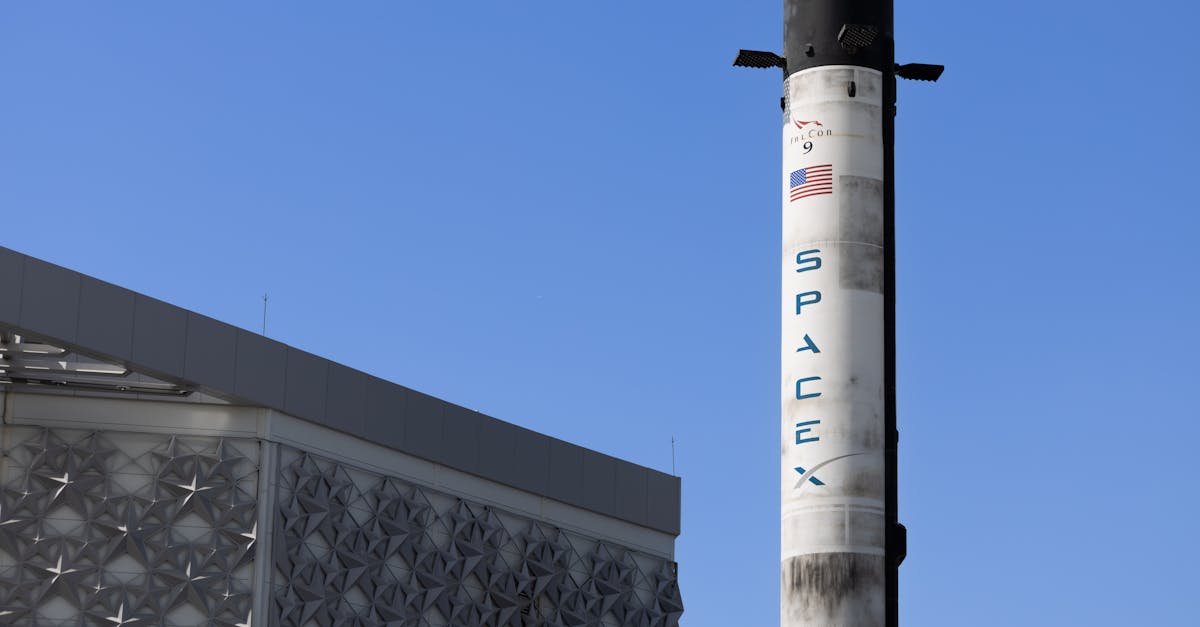
OpenAI, the creator of ChatGPT, has cut off access to its models for the popular coding tool Cursor, following SpaceX's acquisition of Cursor's parent company, Anysphere. This significant move, effective November 12, stems from what OpenAI describes as a breach of trust with Elon Musk's companies. The decision highlights ongoing tensions between Musk and OpenAI, especially after a recent lawsuit where Musk challenged the company's direction. SpaceX had acquired Cursor to leverage its own supercomputing power, aiming to boost its Grok AI and compete with rivals like Anthropic. This development now forces Cursor to rely more heavily on other partners and its in-house technology.
OpenAI has announced it is ending its partnership with Cursor, a popular AI coding tool, following its recent acquisition by Elon Musk's SpaceX. The move, effective November 12, stems from OpenAI's stated concerns about trust, not technology. They cite past alleged contract violations by Musk's companies, including X (formerly Twitter). This decision reignites tensions between Musk and OpenAI, especially after a recent legal battle where Musk sued the company he co-founded. The split leaves Cursor to rely more heavily on other AI models, intensifying the competition in the AI coding space.
Tesla's Full Self-Driving (FSD) system is set to introduce a highly anticipated feature: automatic pothole avoidance. This upcoming upgrade, confirmed by CEO Elon Musk, addresses a common road hazard that causes significant wear and tear on vehicles and discomfort for passengers, something every driver wants to avoid. As Tesla moves closer to fully autonomous electric transport, exemplified by the upcoming Cybercab launch on Thursday, these intelligent driving solutions underscore the commitment to safer, more efficient journeys, further enhancing the benefits of sustainable electrification in our daily lives.
As fall sports kick off across the U.S., young athletes are striving for excellence, but a growing threat looms large: extreme heat. Climate change is fueling more intense heatwaves, making young athletes especially vulnerable to heat-related illnesses, which can progress rapidly. Experts warn that the risks are highest early in the season before bodies fully adjust to intense activity in high temperatures. Protecting these athletes demands proactive strategies and a culture of open communication about how they feel on the field.
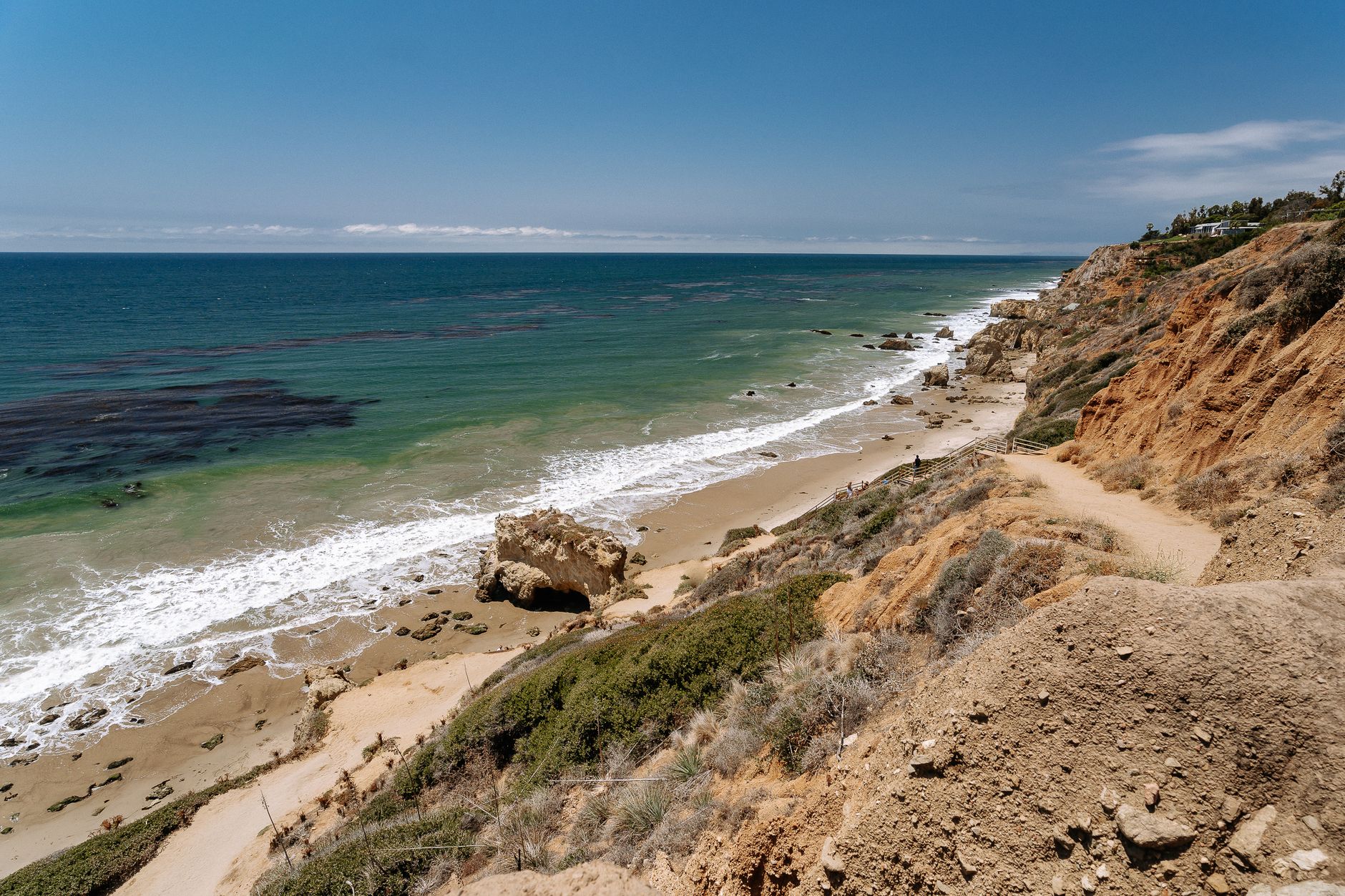
California's iconic beaches are rapidly eroding, facing an unprecedented assault from rising sea levels and powerful storms. A strong El Niño this winter is expected to worsen the situation, pushing tide lines higher and intensifying wave damage. This critical erosion not only threatens natural beauty but also vital infrastructure, underscoring the urgent need for robust environmental action and sustainable solutions to protect our changing coastlines.
Los Angeles County has filed a lawsuit against insurance giant State Farm General, alleging widespread misconduct in handling wildfire claims. Hundreds of victims from last year’s devastating Palisades and Eaton fires reported delayed, denied, or underpaid claims, leaving families struggling to rebuild their lives and homes. This bold action by the county highlights a critical issue: ensuring that insurance providers uphold their promises to communities, especially as climate change intensifies wildfire risks across the region. Fair and timely recovery is not just a policy matter; it's essential for the wellbeing of those who have lost everything.
The former site of Philadelphia's largest oil refinery, now known as the Bellwether District, is at the heart of a new debate. City planners recently identified the 1,300-acre industrial zone as a potential location for a large data center, reigniting concerns among environmental justice advocates. This possibility adds another layer of complexity to a site still undergoing extensive clean-up from over a century of refining pollution. The district's future hinges on choices that could either continue a legacy of heavy industry or pave the way for a truly sustainable future.
OpenAI has announced it will end its partnership with Cursor, a popular AI coding tool, effective November 12. This move comes just weeks after Elon Musk's SpaceX completed a massive $60 billion acquisition of Cursor's parent company. OpenAI stated its decision was due to a lack of confidence in SpaceX's ability to adhere to its terms of service, referencing past contract violations by Musk's companies. This development intensifies the ongoing rivalry and legal battles between OpenAI and its co-founder, Elon Musk, reshaping the competitive landscape of AI development. Cursor will now rely more heavily on Anthropic's Claude and its own in-house models.
In a bold move to rescue the American elm, scientists are deliberately infecting 6,000 young trees with Dutch elm disease. This experimental approach aims to identify and breed a new generation of disease-resistant elms, crucial for restoring these iconic trees. Decimated over the last century, American elms are vital for healthy ecosystems, playing a key role in managing water and preventing floods, a benefit becoming increasingly important in our changing climate. This effort offers a beacon of hope for environmental restoration and resilience.