Nvidia has announced stellar financial results for the second quarter of fiscal 2027, with revenue more than doubling to an impressive $96.2 billion, fueled by explosive demand for AI computing. This incredible growth, however, casts a spotlight on a significant environmental concern: the company's Scope 3 emissions, primarily from its supply chain, surged to 10.7 million metric tons of CO2e in fiscal 2026. While AI offers immense potential, its rapid expansion highlights an urgent need for sustainable practices across the tech industry to keep global warming in check. Addressing these indirect emissions is crucial for a truly green future.
A recent review explores the Tesla Cybertruck All-Wheel-Drive (AWD) after a significant price adjustment, now listed at $74,990. Despite the higher cost, the reviewer asserts it remains the best electric pickup on the market for driving pleasure and capability, thanks to features like Steer-by-Wire and optional Full Self-Driving. This assessment highlights the Cybertruck's unique position in pushing sustainable transport boundaries, offering a compelling alternative to traditional gasoline trucks. Its electric power not only promises a thrilling ride but also aligns with the urgent global shift towards cleaner automotive solutions.
Zoé Marie Rodríguez Meléndez, a Deaf teacher, is rebuilding community among Deaf and Deaf-Blind Puerto Ricans through new organizations like the Puerto Rican Association of the Deaf and Deaf-Blind. This effort is vital for communication and mutual support, especially as Puerto Rico grapples with increasing extreme weather events. Historically marginalized, the Deaf community often lacks accessible information, making strong community ties and clear communication essential for their safety and well-being in a changing climate.
Japan is forging ahead with an ambitious plan for a major carbon capture and storage (CCS) hub at the Mizushima Industrial Complex. This initiative, involving six leading Japanese companies, aims to design facilities capable of capturing, liquefying, and shipping approximately 3.43 million tonnes of CO2 annually. It marks a critical step in Japan's strategy to establish a commercial CCS industry by 2030, leveraging maritime transport to connect industrial areas with crucial underground storage sites. This effort is vital for addressing hard-to-reduce industrial emissions and accelerating the nation’s journey toward its net-zero goals.
When ocean temperatures rise significantly, the effects ripple far beyond marine life, profoundly impacting human health in coastal regions. New research from the University of North Carolina at Chapel Hill reveals a disturbing link: increased exposure to marine heat waves dramatically elevates the risk of child mortality, stunted growth, and a severe form of malnutrition called wasting. These extreme ocean temperature events, becoming more frequent and intense due to human-caused climate change, disrupt vital fishing ecosystems. This jeopardizes food security and income for communities, particularly threatening the youngest and most vulnerable among us, underscoring the urgent need for climate action.
California is on the brink of outlawing disposable vape pens and e-cigarettes. After passing both houses, Assembly Bill 762 targets these single-use, battery-powered devices due to their severe environmental impact. From littering beaches with toxic chemicals and microplastics to sparking dangerous fires in waste facilities, the negative consequences are clear. This move emphasizes the urgent need for sustainable solutions and aims to shift consumers towards refillable, rechargeable alternatives.
The U.S. biofuel credit market is experiencing a significant upheaval following recent announcements from the Environmental Protection Agency (EPA). Prices for crucial ethanol and biomass-based diesel credits have sharply fallen, signaling instability. This downturn stems from the EPA's decision to extend a compliance deadline and its plan to rule on numerous small refinery exemption requests. The move threatens the financial incentives for renewable fuel use, potentially slowing the shift away from fossil fuels. The situation highlights how federal policy directly shapes the economic landscape for sustainable energy solutions in the fight against climate change.
Climate change is no longer just a long-term sustainability concern for businesses; it's a direct and immediate hit to their bottom line. Recent earnings calls reveal how unpredictable weather, crop diseases, and logistical hurdles are driving up costs for major companies, from chocolate makers to coffee roasters. This shift means climate-linked risks are showing up as real financial problems, pushing businesses and investors to recognize the urgent need for action and adaptation in a rapidly changing world.
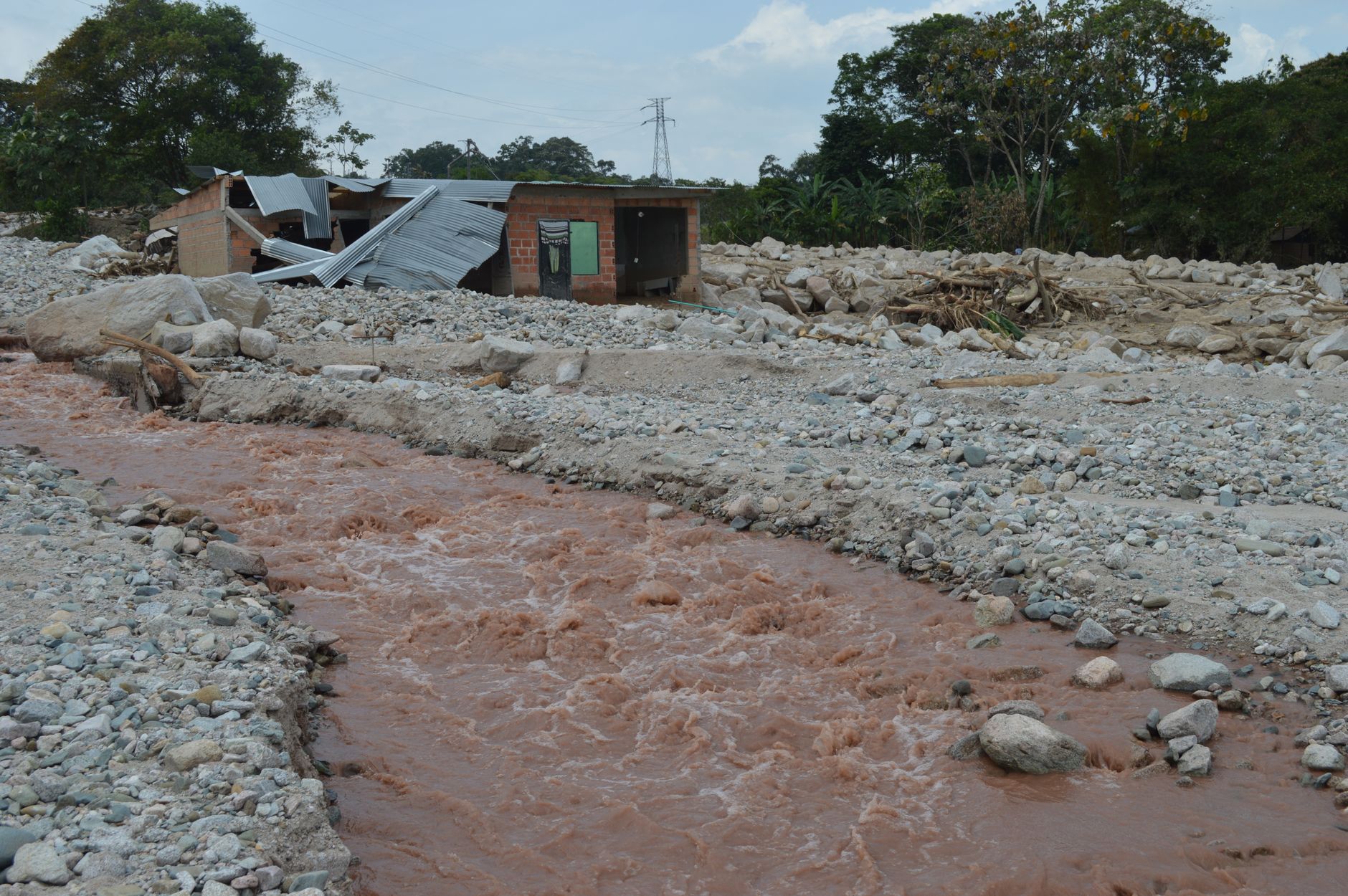
Nepal is reeling from a devastating flash flood, unleashed by an avalanche of ice and rock, which has left at least eight people dead and hundreds missing. Villages, roads, and vital hydropower projects have been swept away by the sudden surge of water from the Bhotekoshi River. This catastrophe highlights the increasing vulnerability of the Himalayan region, which is warming at an alarming rate due to human-caused climate change. Experts point to rapidly melting glaciers as a key factor behind the rising frequency of such extreme weather events. The incident underscores the critical and urgent need for global environmental action.
California lawmakers are quickly addressing critical bills shaping the state's energy and environmental future as the legislative session nears its close. These include debates over climate project funding, utility wildfire protection, and streamlining environmental reviews, all against a backdrop of federal efforts to weaken the state's green initiatives. Amid this rush, California is pushing back to protect its coastal waters, clean air, and accelerate the transition to sustainable solutions like community solar and home energy devices. The outcomes of these last-minute decisions will significantly impact climate action and the daily lives of Californians for years to come.
Home gardeners often face challenges from a changing climate, with intense storms flooding beds and dry spells parching soil. But there's a simple, natural solution gaining traction: cover crops. These special plants, not grown for harvest, are key to building healthy, nutrient-rich soil that can better withstand extreme weather. By embracing this sustainable practice, gardeners can create more resilient ecosystems right in their own backyards, fostering environmental well-being even as global warming intensifies.
Our planet's oceans have just reached their highest temperature ever recorded, hitting a startling 70 degrees on August 22. This alarming milestone, tracked by Europe's Copernicus agency, marks a significant moment as a powerful El Niño event adds to decades of human-driven global warming. Scientists warn that these soaring ocean temperatures are not just a number; they heighten risks to vital marine ecosystems and coastal communities. This record heat further contributes to rising sea levels and intensifies extreme weather, underscoring the urgent need for climate action.