Tesla's distinctive Cybertruck is seeing significant price adjustments, with two of its three models now costing more. The Base All-Wheel-Drive model has risen to $74,990, and the Premium All-Wheel-Drive to $84,990, each seeing a $5,000 increase. This change suggests a growing demand for the unique electric pickup, challenging earlier questions about its market appeal. As an all-electric vehicle, the Cybertruck's performance in the market highlights the ongoing shift towards sustainable transport and the benefits of electrification in reducing emissions.
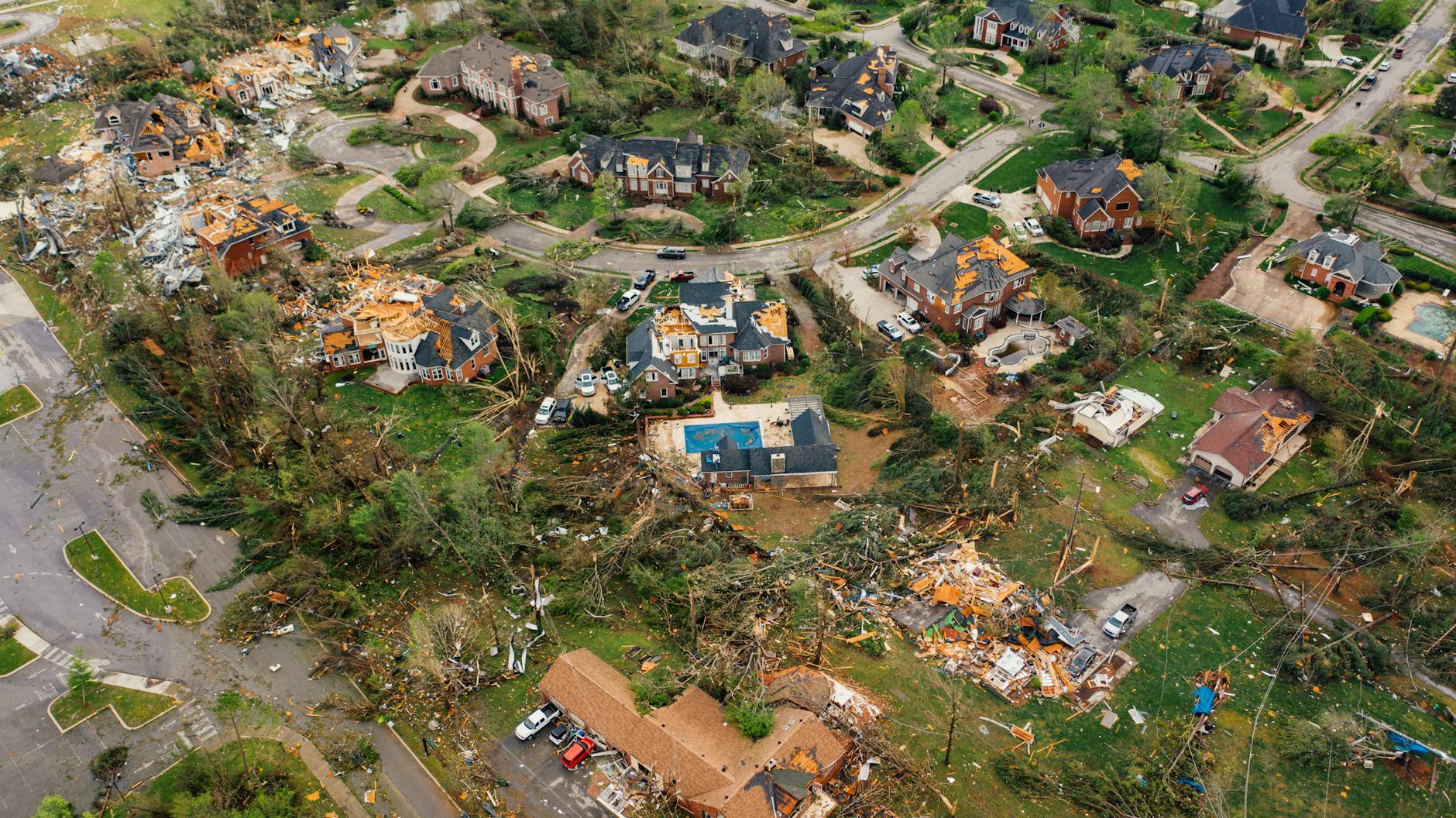
Urban trees do more than just look nice; they offer essential shade, clean our water, and absorb the planet-warming carbon that drives climate change. However, strong winds from hurricanes can turn these green assets into hazards, damaging property and infrastructure. Luckily, experts say that simple preventative actions can dramatically improve trees' chances of weathering a storm. By maintaining and strategically planting trees, communities can protect their valuable urban forests and enhance resilience against increasingly intense weather events.
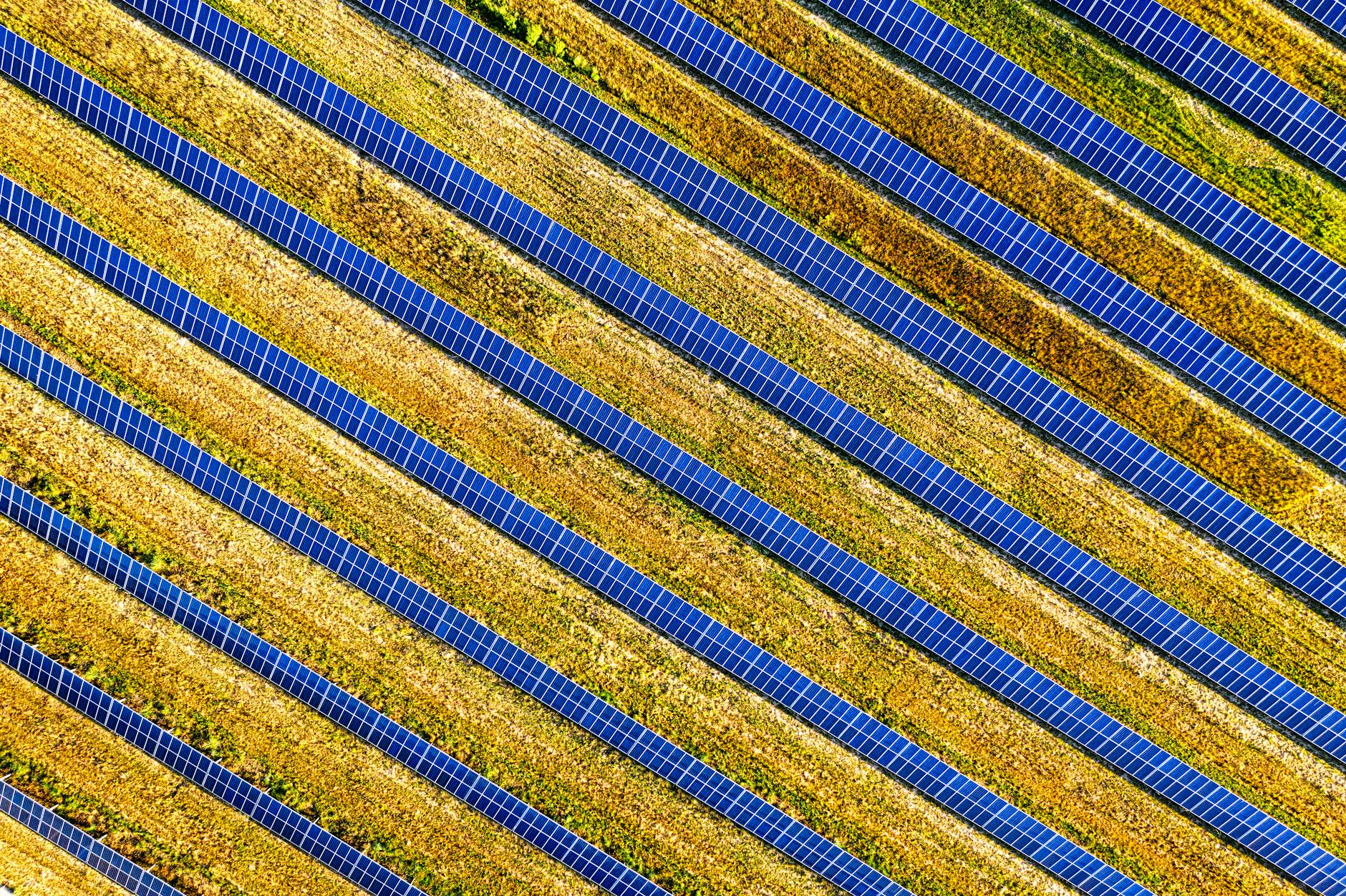
Pennsylvania, once a leader in clean energy, now struggles to keep up with solar adoption, ranking near the bottom nationally for renewable energy growth. A new report by PennFuture highlights “policy inertia” within the state legislature, which favors natural gas over increasingly affordable renewable solutions. This slow progress not only delays crucial environmental action but also exposes residents to unstable electricity prices and exacerbates the impacts of climate change, including costly extreme weather. Swift policy changes are needed to harness solar's potential and secure a cleaner, more stable energy future.
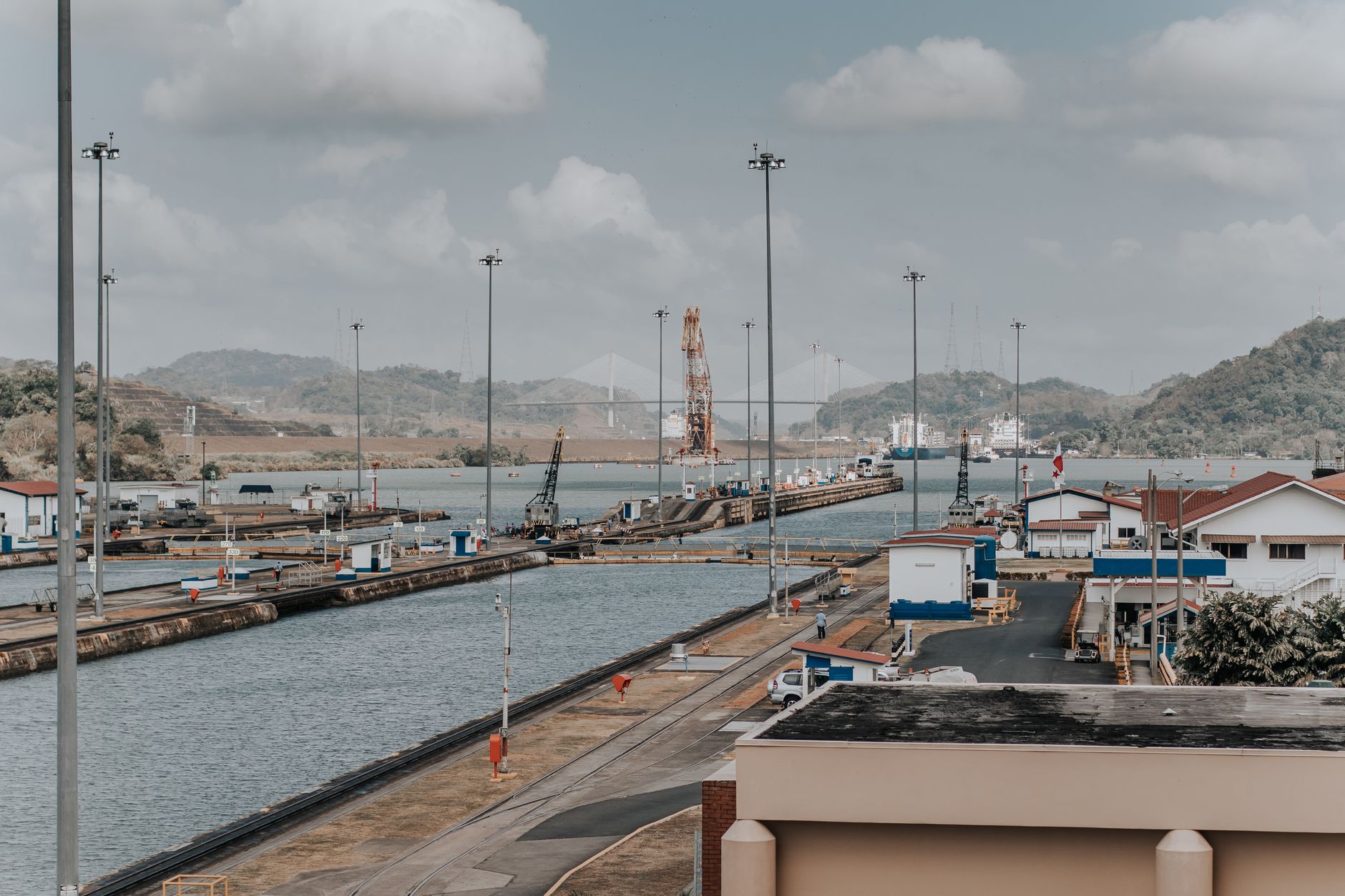
The vital Panama Canal, a key route for global maritime trade, is currently grappling with a severe drought, forcing unprecedented restrictions on ship traffic. Low water levels in the artificial lakes that feed the canal's lock system are largely attributed to the El Niño weather pattern. This situation, impacting 5 percent of global trade and 40 percent of U.S. container traffic, is causing significant delays and increased shipping costs. Experts warn that climate change could further intensify droughts in the region, making such disruptions more common and highlighting the urgent need for environmental resilience.
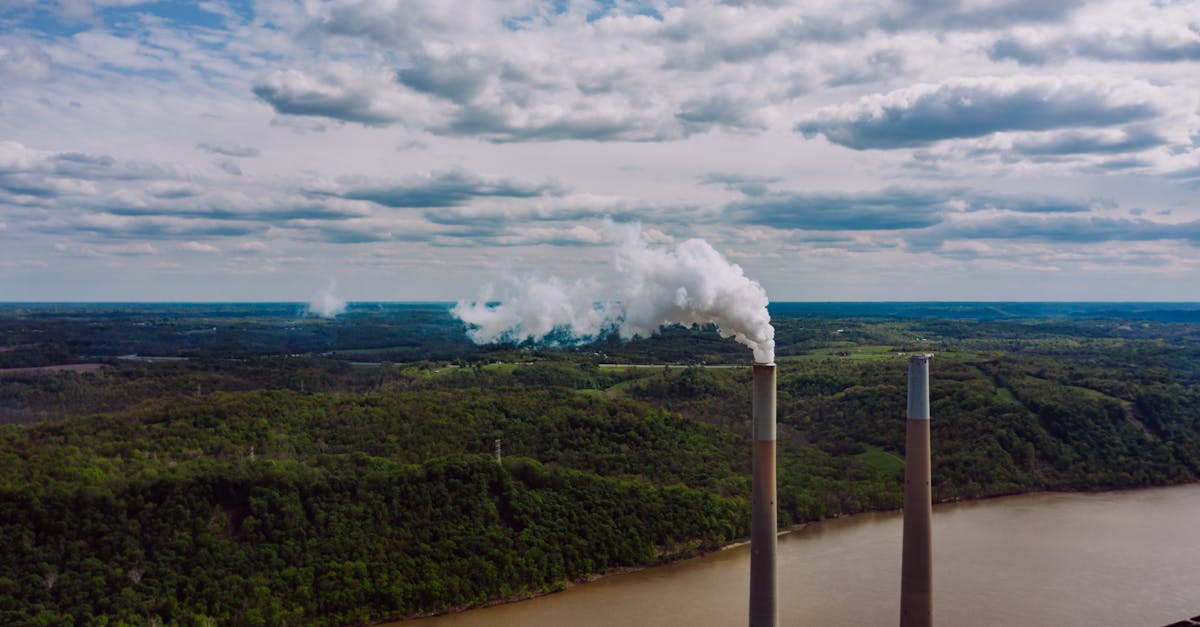
Texas is experiencing an unprecedented surge in planned gas power projects, almost entirely driven by the energy demands of new data centers. A recent report by Global Energy Monitor reveals that the state's projected gas generation has jumped 50% in just six months, marking growth beyond any country except the U.S. itself. These mega-projects could unleash over 100 million tons of greenhouse gases annually, equivalent to a mid-sized industrialized nation’s emissions, exacerbating the global climate crisis. Developers are even turning to less efficient, dirtier gas turbines, signaling a worrying step backward for environmental efforts.
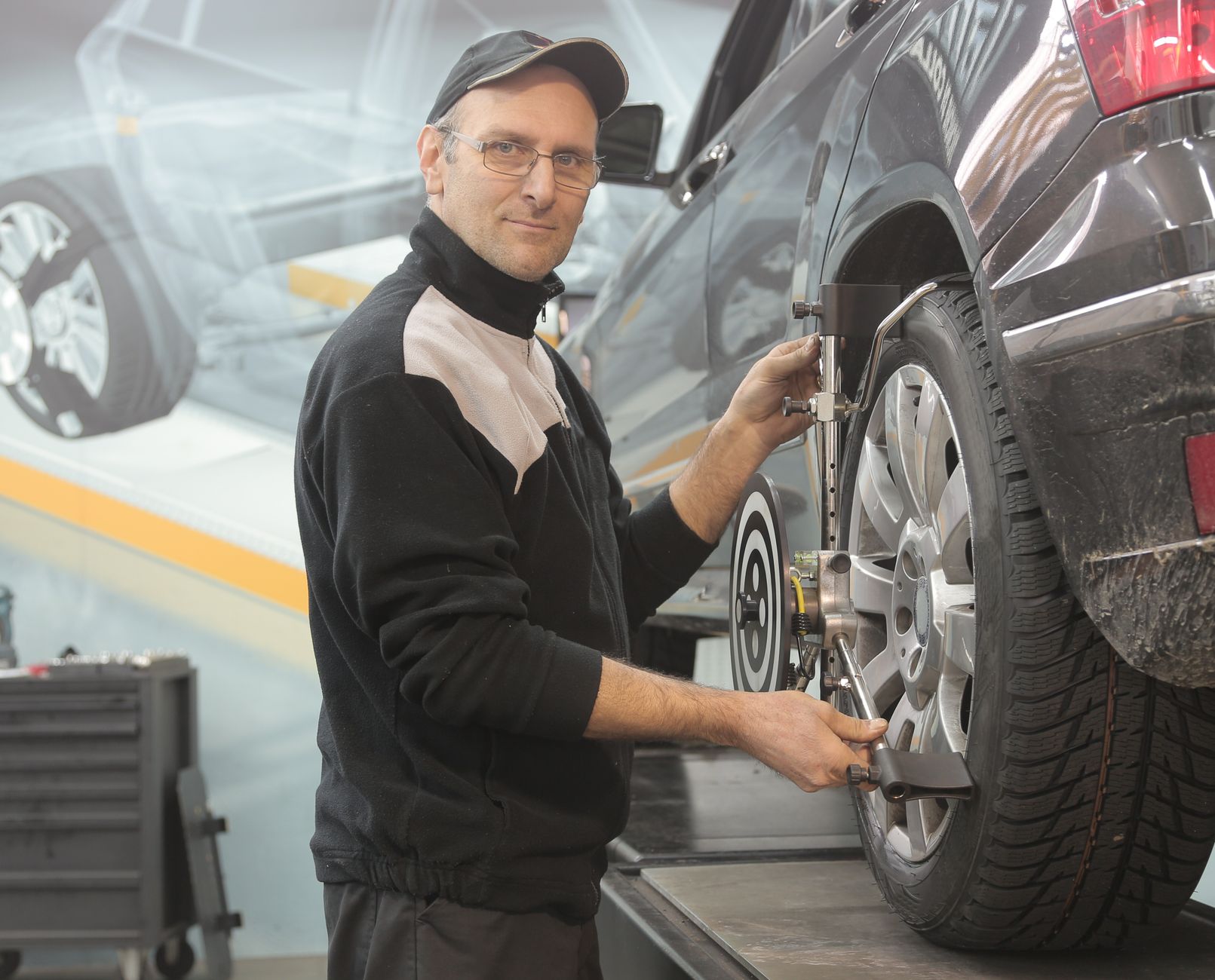
California is taking a significant step towards a cleaner future with a new rule requiring more efficient tires. Announced by the California Energy Commission, this regulation aims to reduce the greenhouse gas emissions that contribute to global warming. By making vehicles operate more efficiently, the state hopes to lessen our reliance on fossil fuels and promote sustainable driving. This move underscores California's ongoing commitment to tackling the climate crisis and encouraging environmental action across the board.
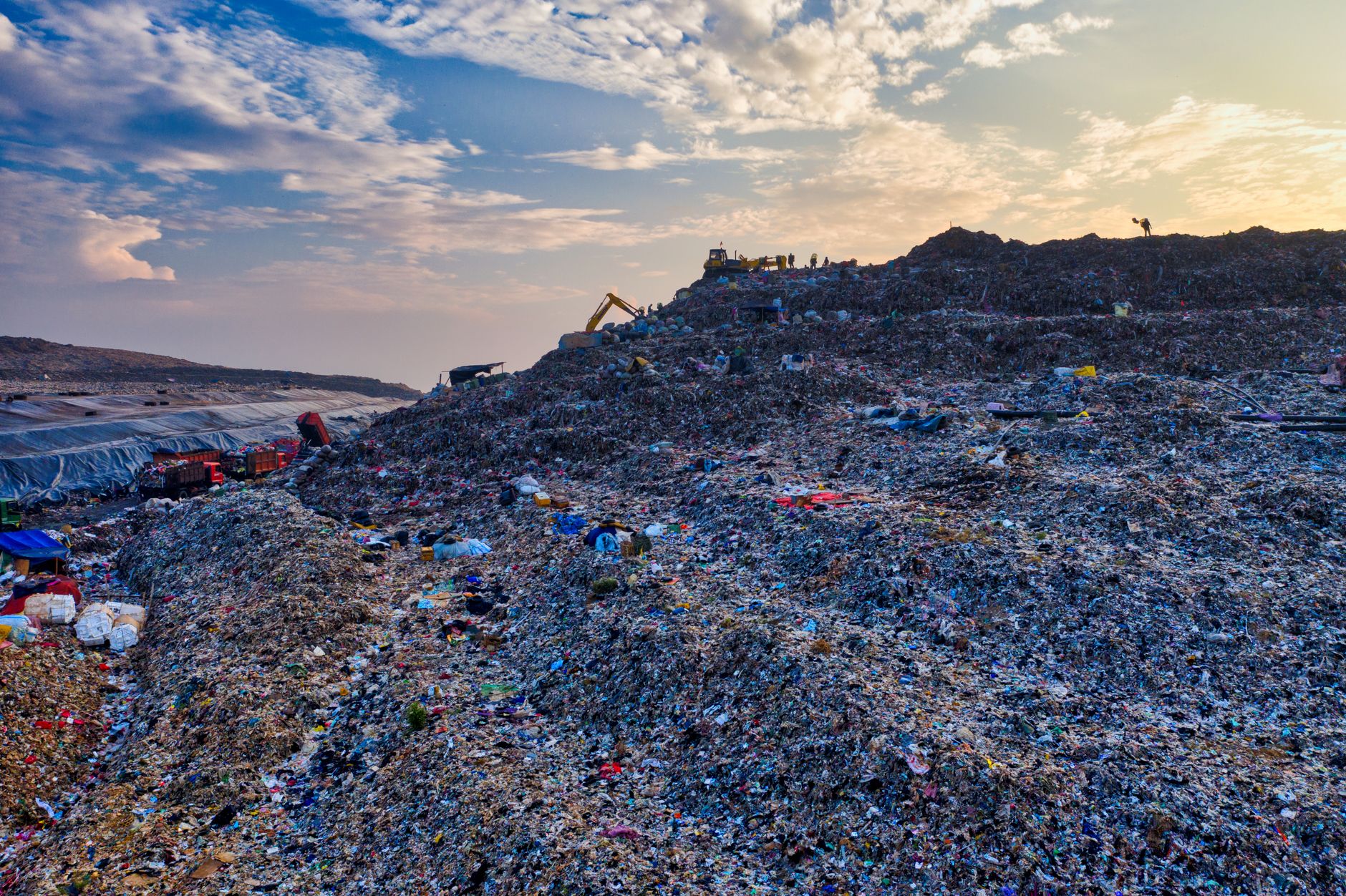
Oman is transforming its approach to waste management, turning a major environmental challenge into a powerful climate solution. The state-owned be'ah company is capturing methane gas from landfills, a potent greenhouse gas, to not only reduce harmful emissions but also generate clean electricity. This innovative strategy is helping Oman earn valuable carbon credits and power its own operations, showcasing a smart path towards sustainability and economic diversification. It represents a significant step in addressing global warming through practical, local action.
As vast wildfires scorch Indonesia's forests and critical peatlands, residents in affected provinces like South Sumatra are facing a severe environmental crisis. Choking haze, driven by a prolonged dry season and the intensifying El Nino, has blanketed cities, prompting thousands to gather for a special Islamic prayer for rain. This spiritual appeal underscores the desperate situation, highlighting the urgent need for action against fires that threaten public health, disrupt daily life, and contribute significantly to global emissions. Authorities are also battling the blazes with cloud seeding and arrests, but the call for rain shows the gravity of the challenge.
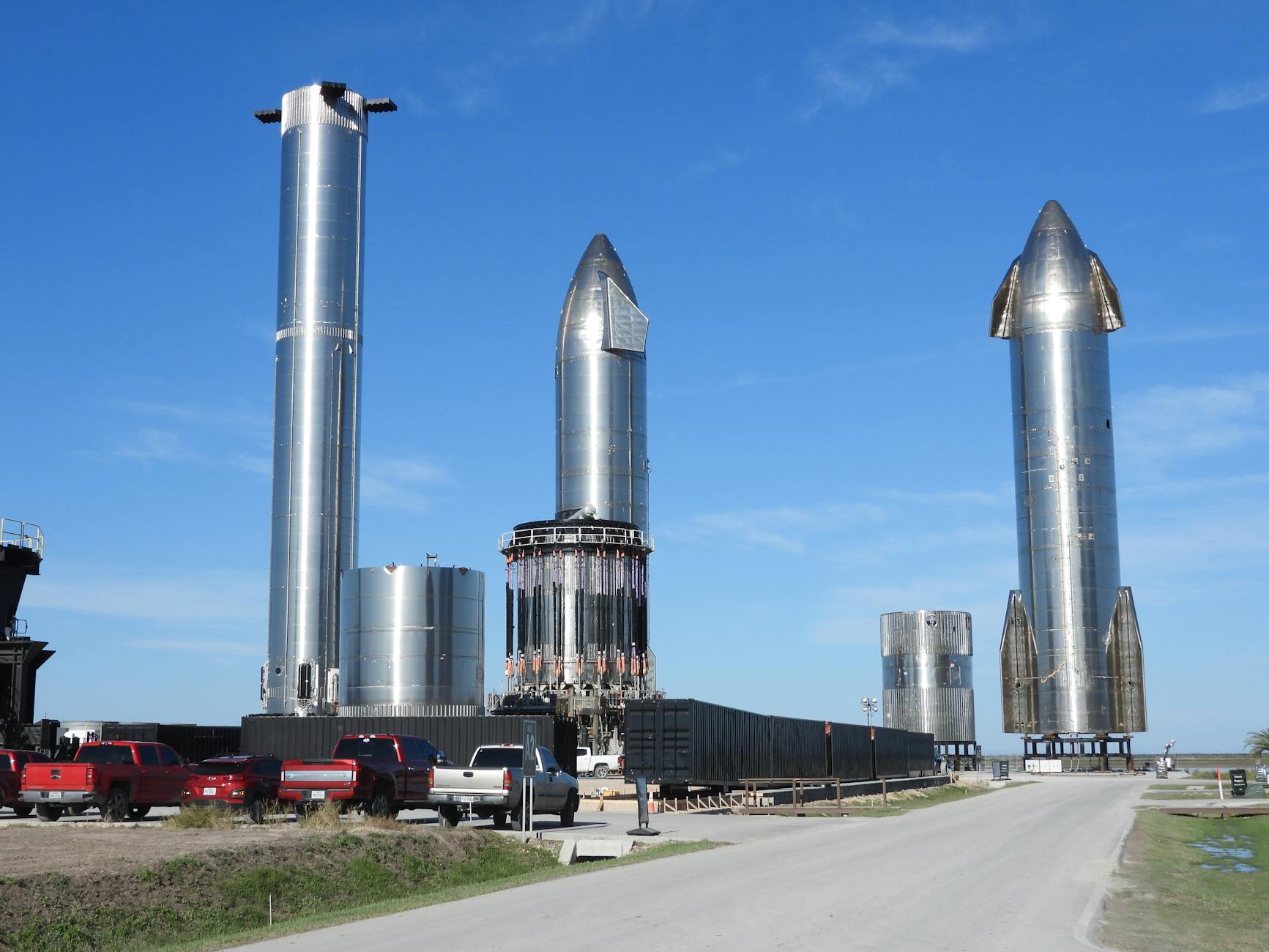
SpaceX is pushing the boundaries of spaceflight with an ambitious plan to catch the Starship upper stage using its launch tower arms. CEO Elon Musk recently announced that this complex maneuver could be attempted in the next few months. This move follows previous successes in catching the Super Heavy booster, bringing SpaceX closer to its goal of fully reusable rockets. Achieving this would dramatically reduce the cost of space access and pave the way for more frequent missions to the Moon and Mars.
More than 80 million people across the U.S. are under extreme heat warnings, facing record-breaking temperatures in the Southern Plains, Lower Mississippi Valley, and Southwest. This "steamy air-mass" is bringing dangerous triple-digit highs, with some areas exceeding 110 degrees Fahrenheit. Critically, nights offer little relief, increasing the risk of heat-related illnesses for millions. Scientists confirm that human-caused climate change is making these heat waves longer, more intense, and more frequent. This escalating situation underscores the urgent need for understanding and addressing our changing climate.
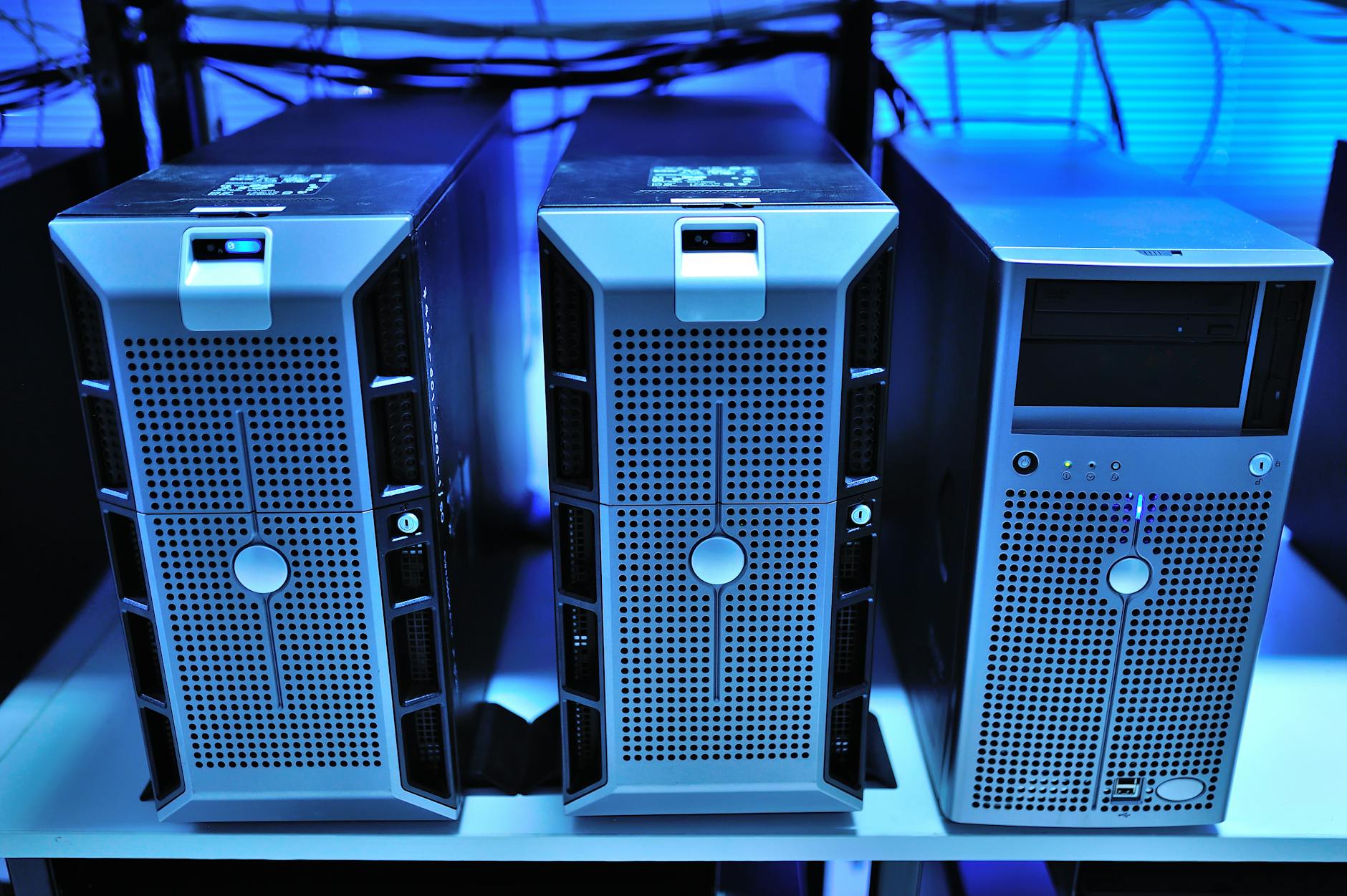
Tesla has filed a trademark for ‘MEGAPOD,’ signaling a major step in its artificial intelligence strategy. This new trademark describes self-contained, modular hardware systems designed specifically for AI computing, integrating servers, networking, power, and cooling. Similar to its Megapack energy storage units, 'MEGAPOD' could enable scalable and rapid deployment of AI infrastructure. This move aligns with Tesla's ambitious plans, including projects like "Digital Optimus" and the broader integration of AI into its vehicles and Supercharger network.
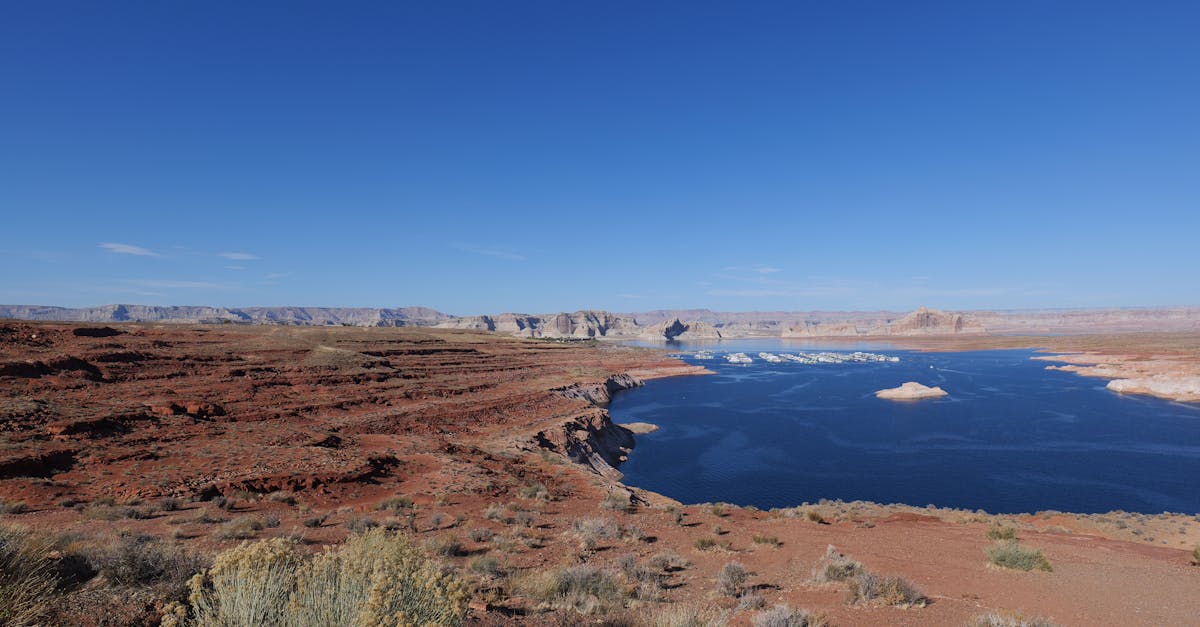
A groundbreaking study reveals that some of the world's largest fossil fuel and cement companies are disproportionately responsible for the severe water crisis in the American West. Between 2014 and 2024, emissions from 122 "carbon majors" are linked to roughly half of the region's lost water, a staggering amount equivalent to filling Lake Mead. This research highlights how our reliance on fossil fuels directly contributes to deepening droughts, impacting millions of people, agriculture, and increasing wildfire risks, underscoring an urgent call for environmental action.