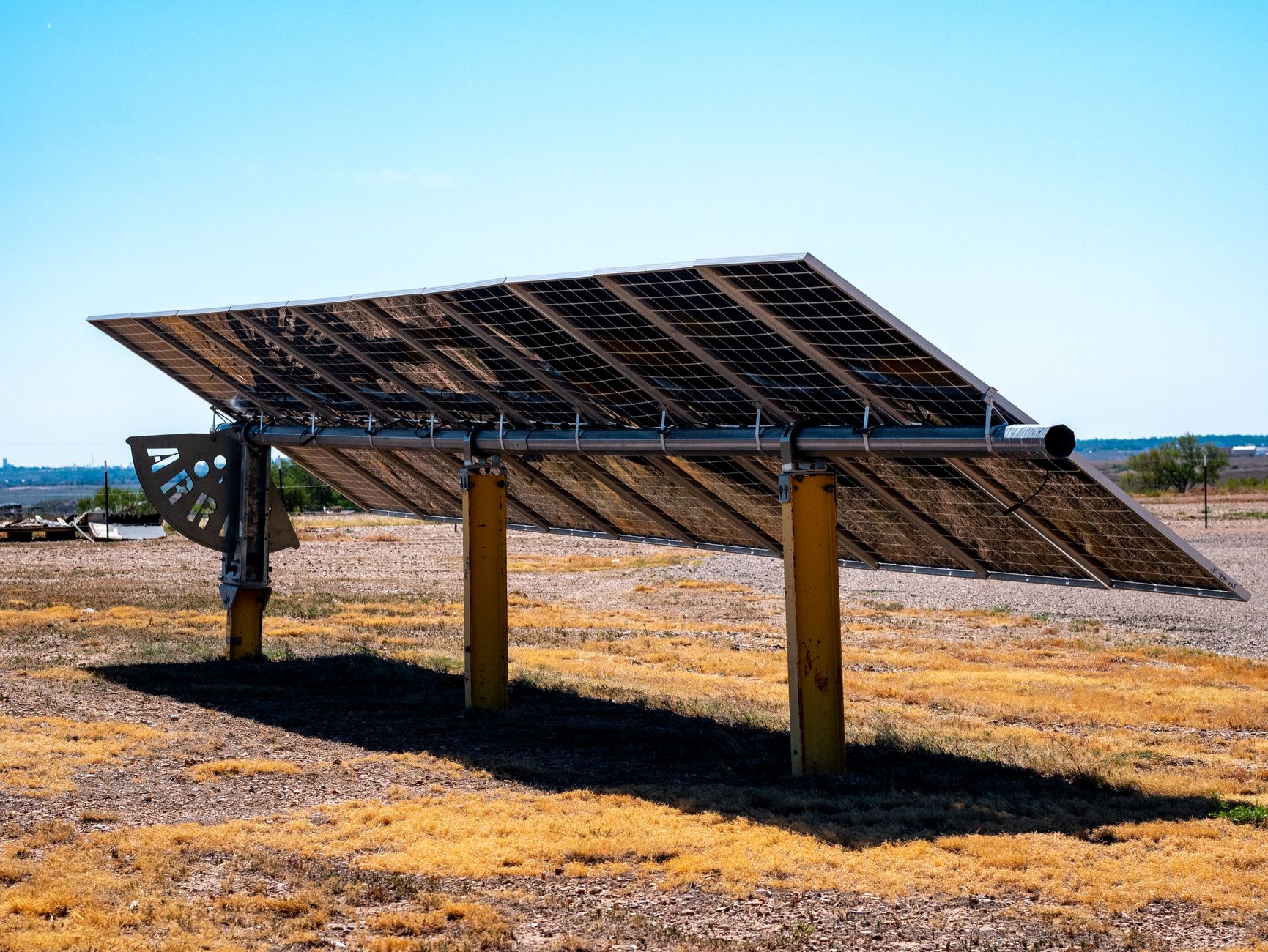
Meta recently announced a significant solar energy purchase in Texas, a move that will bring a new 144-megawatt project online. This comes as the tech giant faces scrutiny after quietly stepping away from a major corporate renewable energy initiative earlier this year. While embracing solar, Meta is also planning a large gas-fired plant to power new data centers crucial for its expanding artificial intelligence operations. This dual approach raises questions about the company's commitment to fully clean energy amidst the surging demand for power from AI, highlighting the urgent need for sustainable solutions in the tech sector.
Imagine having a severe allergy to a common sugar found in most mammals, unknowingly hidden in many foods. This is the reality for people with alpha-gal syndrome, a condition usually triggered by the bite of a lone-star tick. As our climate warms, these ticks are expanding their territory, bringing this challenging allergy to new regions. A proposed federal bill aims to make life safer by requiring clear labeling for alpha-gal, helping affected individuals avoid potentially dangerous reactions.
The European Union is grappling with a difficult decision: whether to delay a crucial part of its landmark methane regulation. Set to begin in January, these rules would require energy importers to monitor and report methane emissions. However, soaring energy prices, partly due to the Iran war, have sparked concerns about supply and affordability across Europe, leading to pressure from member states and key energy suppliers. Methane, a potent greenhouse gas, is the second-largest contributor to global warming, making this potential pause a significant moment for climate action.
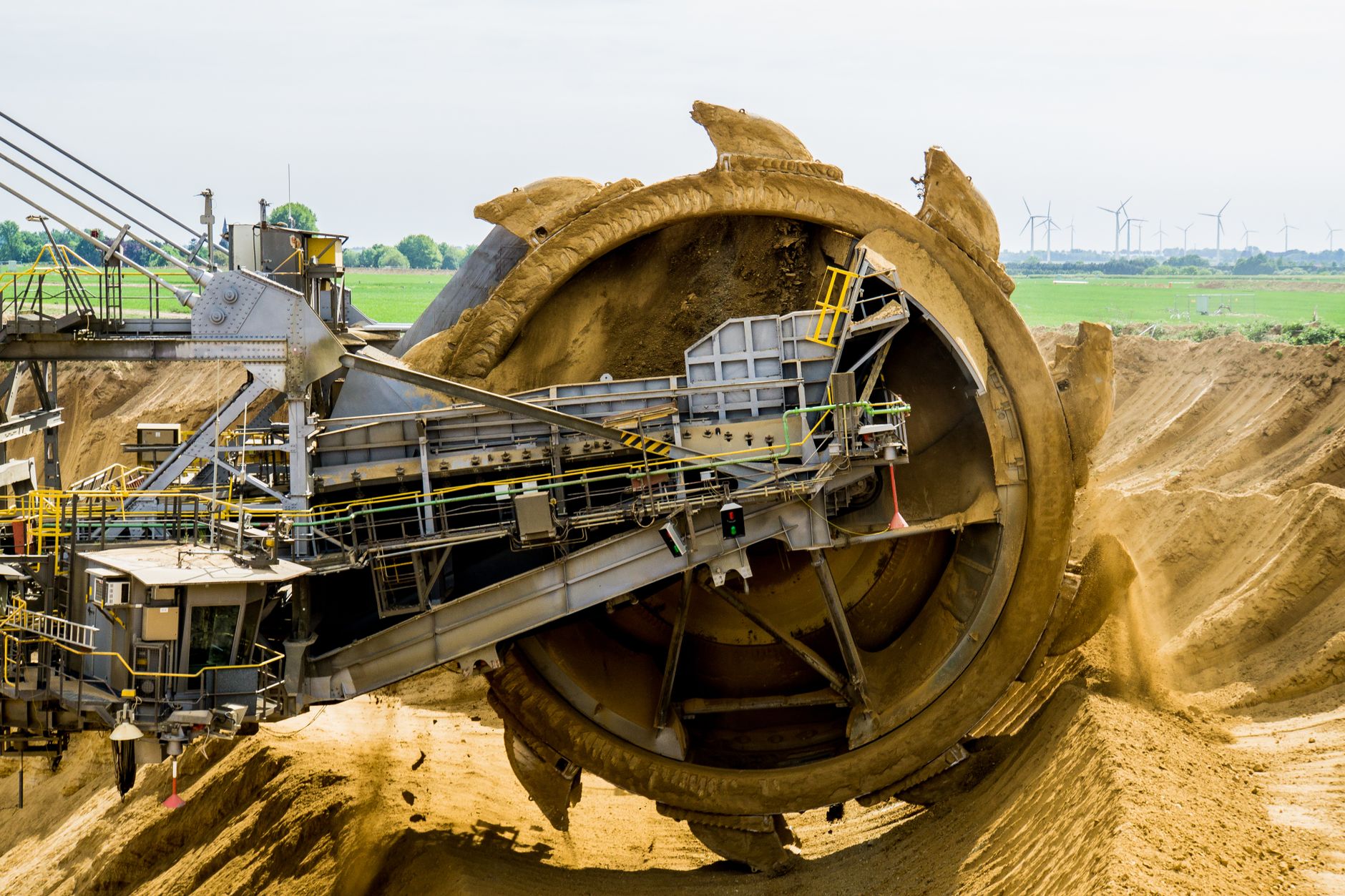
Gold miners are currently enjoying unprecedented financial success, with gold prices soaring significantly faster than their operating costs. This creates a massive cash-flow opportunity for the industry. The critical question now is how these substantial earnings are being utilized: are they being directed towards vital decarbonization efforts, renewable energy projects, and electrification initiatives? Investing in sustainable solutions is crucial for reducing the mining sector's considerable environmental impact and accelerating global progress against climate change.
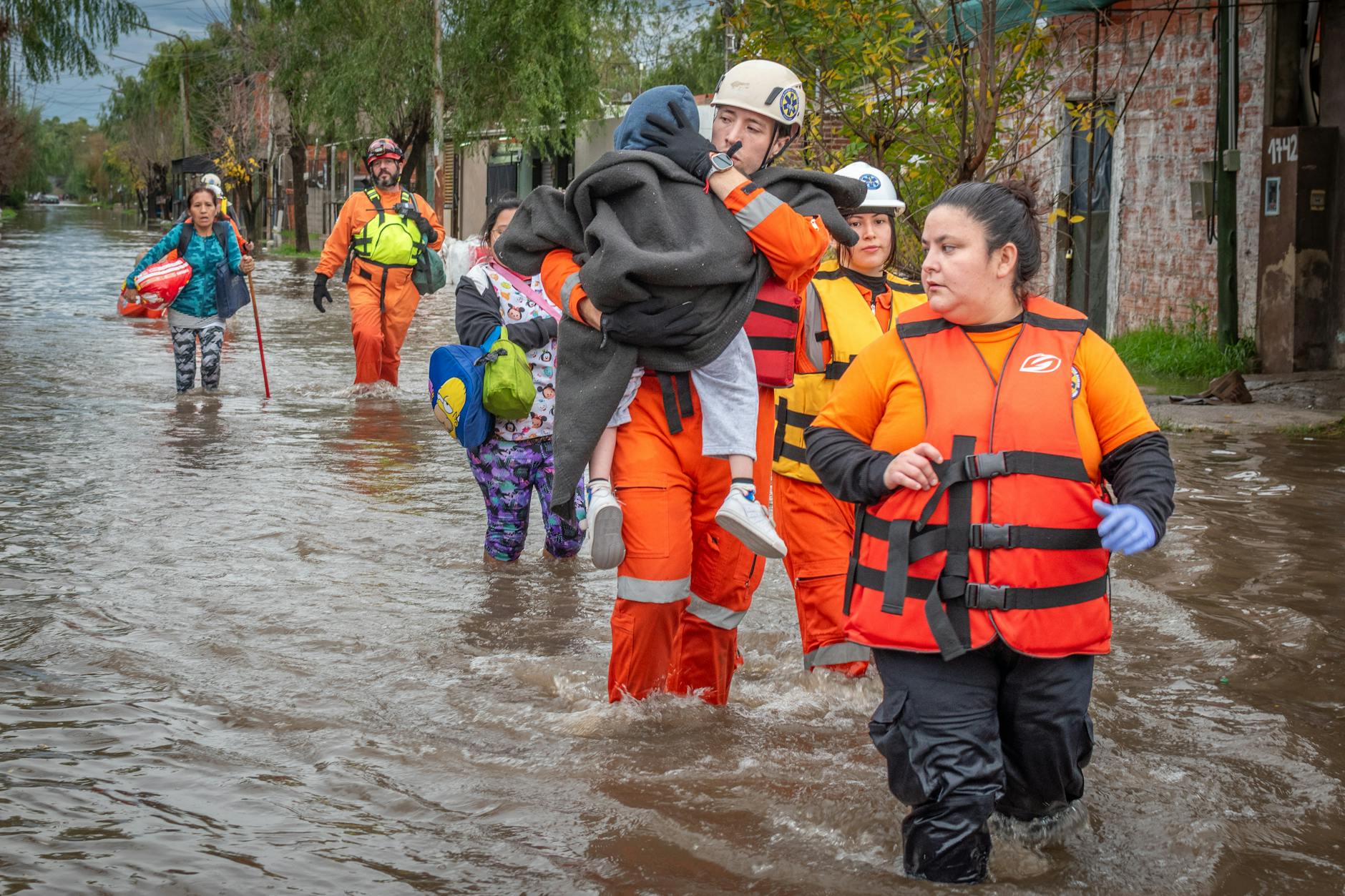
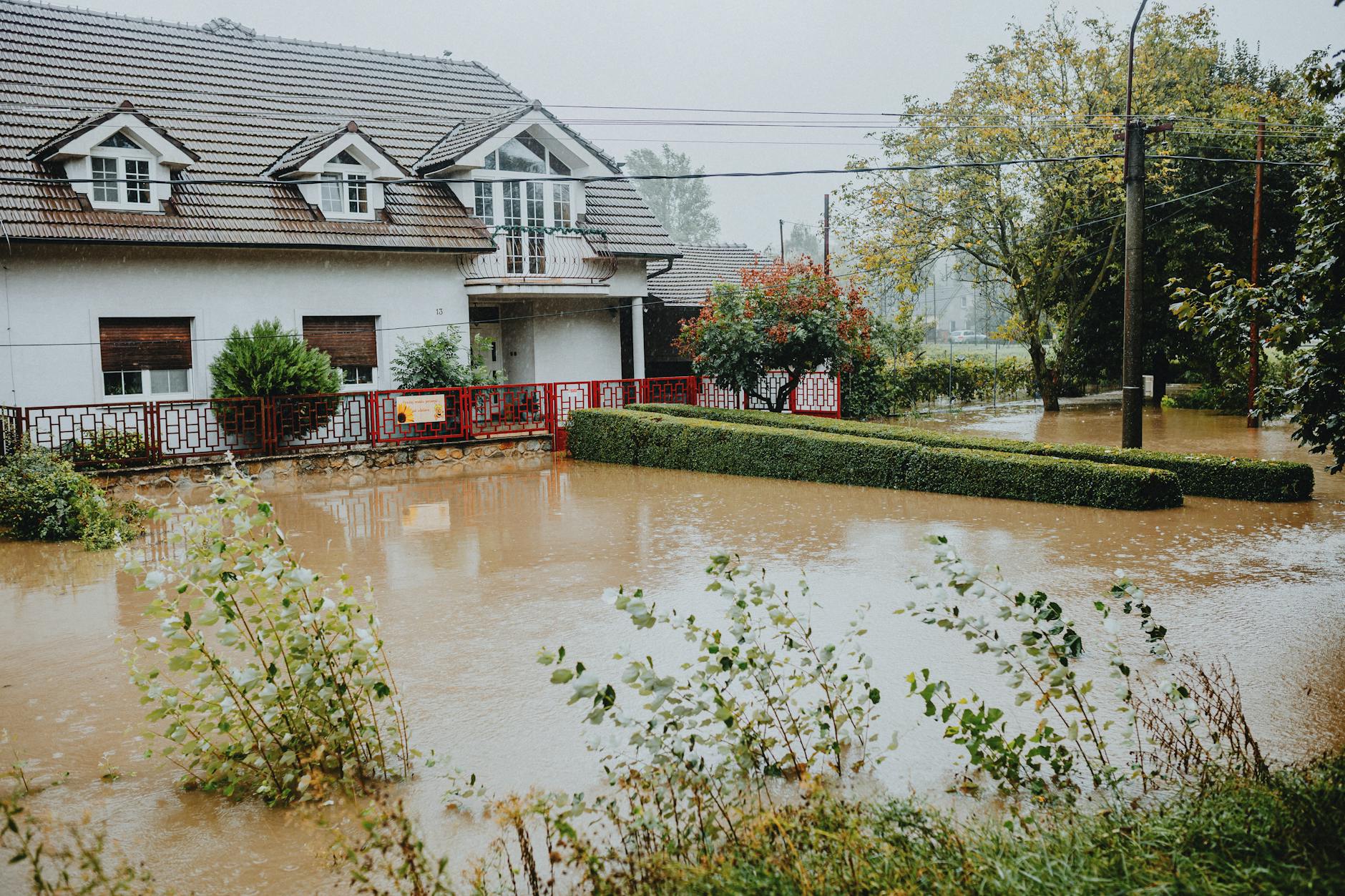
The U.S. Southwest is bracing for continued severe flooding as the remnants of former Hurricane Polo sweep across the region. After weakening over northwestern Mexico, Polo's heavy rains have saturated areas of Arizona and New Mexico, prompting urgent evacuations in several small towns due to concerns about a dam's stability. This extreme weather follows an unusually wet September, leaving the ground with nowhere to absorb the new deluge. The escalating flood risk is a stark reminder of how climate change intensifies weather patterns, making already vulnerable areas prone to devastating, rapid-onset events, demanding increased climate resilience.
For many, like those in eastern Kentucky who faced terrifying floods in July 2022, the aftermath of a disaster is worsened by a lack of flood insurance. Despite a rising threat from climate change that brings more extreme weather, millions of homes across the U.S. at severe risk remain uninsured. This growing gap is driven by a federal program struggling with rising costs and outdated risk assessments, leaving vulnerable communities to face devastating financial burdens alone. The situation highlights an urgent need for sustainable solutions and better protection against our changing climate.
The highly anticipated Tesla Roadster is poised to redefine electric performance, with a recently granted patent hinting at its groundbreaking capabilities. This innovative 'Electric Car Fan' system is designed to provide unmatched grip, independent of speed, tackling a key challenge for high-torque electric vehicles. By actively pressing the car onto the pavement, this technology promises exhilarating acceleration, shorter stopping distances, and superior control. Such advancements not only push automotive limits but also underscore the immense potential of electrification in creating a cleaner, faster future for transportation.
Tesla is pushing the boundaries of electric vehicle performance with a newly granted patent for its upcoming Roadster. This innovative "Electric Car Fan" system aims to provide incredible downforce, essential for handling the instant torque of high-performance EVs. Unlike traditional aerodynamics, these fans can generate grip even at low speeds, promising to redefine acceleration, braking, and cornering capabilities. It's a glimpse into the cutting-edge engineering driving the future of sustainable, high-speed mobility.
A recent Penn State study exploring shallow groundwater near fracking sites in southwestern Pennsylvania found generally low radium levels, but the findings aren't conclusive for the whole region due to limited samples. While direct links between fracking and high radium were weak, researchers did note concerning increases in water salinity. This elevated salt content, whether from drilling, road salt, or septic systems, can corrode pipes and aquifers, potentially releasing harmful metals like lead and radium. The study adds to the ongoing debate about fracking's environmental impact on drinking water, a critical issue for many Pennsylvanians relying on private wells.
Cities worldwide are discovering effective, budget-friendly ways to bounce back swiftly from increasingly severe weather events. For instance, New York is showing remarkable resilience against heavy rainfall and flash flooding, thanks to these innovative local strategies. This shift highlights a critical pathway for urban areas to adapt to our changing climate. It underscores the urgent need for communities to embrace sustainable solutions to protect residents and infrastructure as global warming intensifies.
Tech giant Meta is making a significant move to tackle its supply chain emissions and the global plastic waste crisis by partnering with U.S. startup MacroCycle Technologies. Meta has committed to purchasing environmental attribute certificates from MacroCycle's first commercial plant, which will produce 5,000 tonnes of high-quality recycled PET plastic annually. This crucial agreement provides MacroCycle with the long-term demand needed to build its facility and scale its innovative recycling process, turning difficult plastic waste into valuable material. With global plastic production soaring and recycling rates struggling, this collaboration is a vital step toward creating a more circular economy and easing the environmental burden of plastic pollution.
Base Carbon's Rwanda cookstoves project just secured a significant boost in carbon credits eligible for the aviation industry's mandatory climate compliance scheme, CORSIA. These 640,000 newly approved credits, part of a larger nearly 2-million-ton inventory, are crucial as the sector faces a massive shortage of units required to offset emissions. This project not only helps airlines meet their climate obligations but also brings vital environmental benefits to rural Rwandan households by reducing deforestation and harmful indoor air pollution. It highlights how local sustainable solutions are pivotal for global climate action.