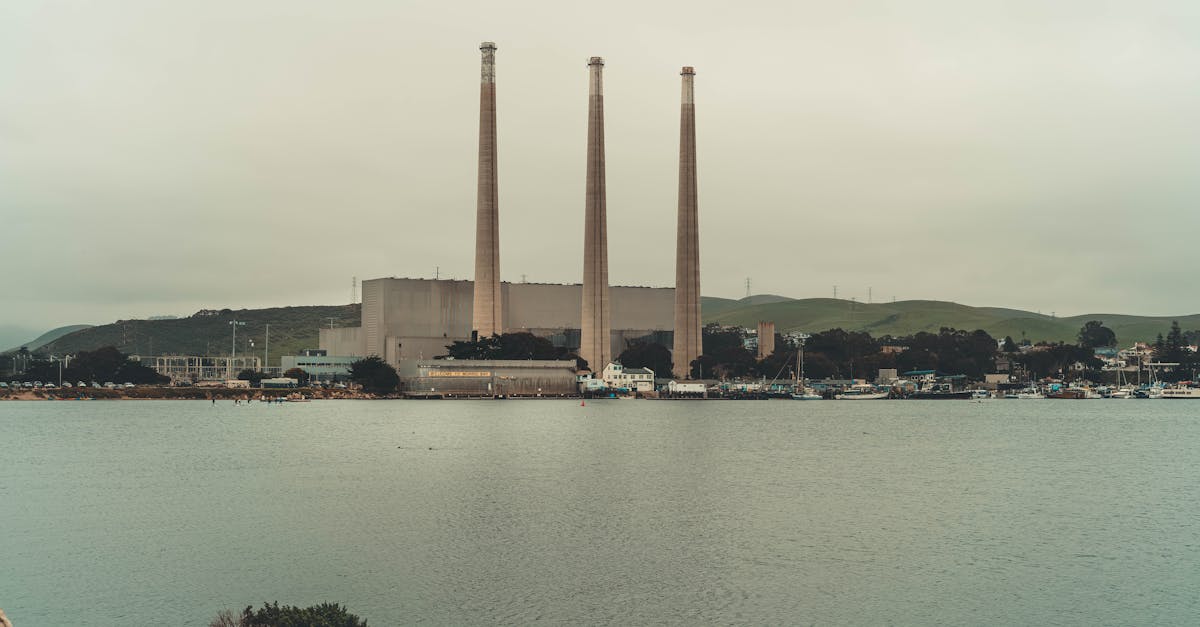
California is reconsidering its long-standing plan to shut down the Diablo Canyon nuclear power plant. Originally set for closure in 2025, the plant received an extension to 2030, and now a movement is growing to keep it running until 2045. This surprising shift comes as the state grapples with surging electricity demand driven by artificial intelligence, electric vehicles, and building electrification, alongside ambitious goals for 100% carbon-free energy. The debate highlights the complex challenges of transitioning to a sustainable energy future while ensuring a reliable power supply.
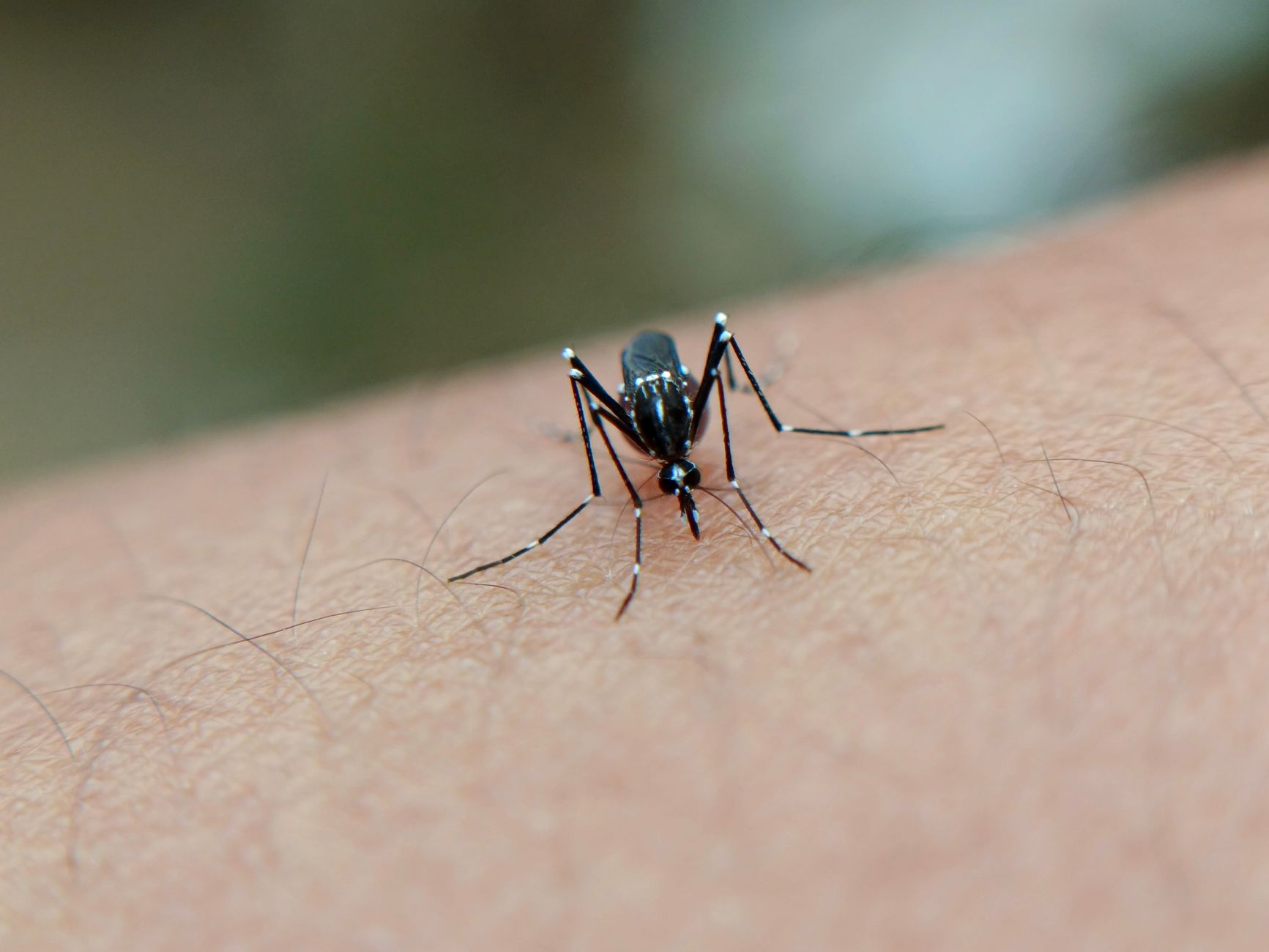
California is facing a concerning rise in diseases carried by insects like mosquitoes, ticks, and fleas. Recent cases of tularemia, Rickettsia, and a significant spike in West Nile virus are raising alarms across the state. While better tracking plays a role, experts confirm that environmental changes, including warmer temperatures, are creating ideal conditions for these disease vectors to thrive and spread. This growing public health challenge underscores the urgent need to address the impacts of a changing climate on our well-being.
Point Reyes National Seashore has been the center of a decades-long conflict between environmentalists and long-standing ranching families. This scenic California peninsula, rich in wildlife like elephant seals and tule elk, has also hosted agriculture since the 1800s. A 2025 settlement aimed to prioritize natural landscapes, leading most ranchers to leave for conservation efforts. However, two remaining families have now sued to overturn this deal, reigniting the bitter dispute over the land's future and its precious ecosystem. The struggle highlights the urgent need to balance human activities with environmental protection in vital natural spaces.
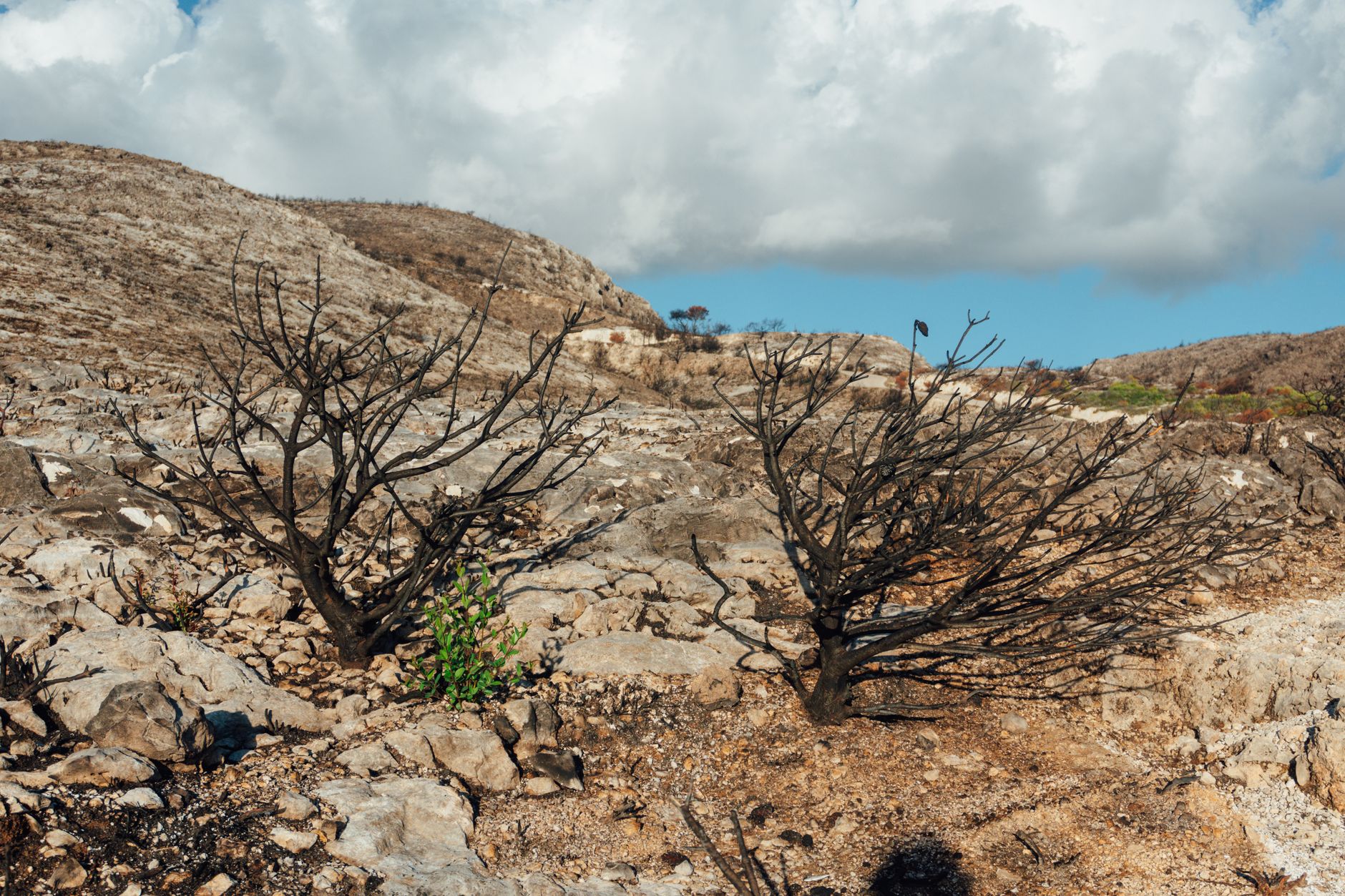
Europe is grappling with widespread and destructive wildfires, fueled by unusually hot and dry conditions. In Belgium, a massive blaze has scorched a significant portion of the High Fens nature reserve, becoming one of the country's largest on record and forcing hundreds to evacuate. Meanwhile, Greece's Salamina island saw two tragic fatalities as fierce winds rapidly spread flames near residential areas. These devastating events highlight the urgent need for global climate action as extreme weather becomes more frequent and intense.
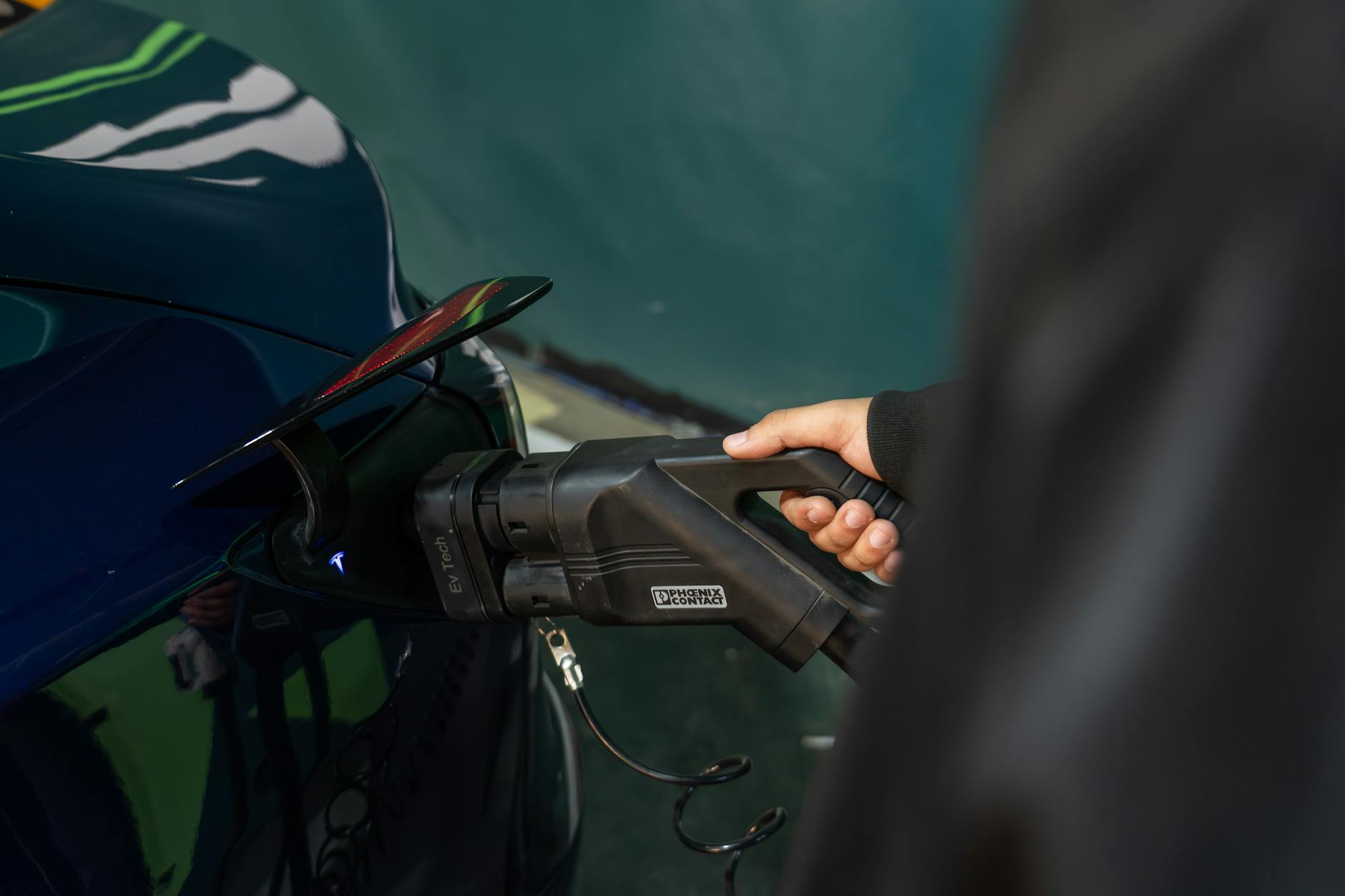
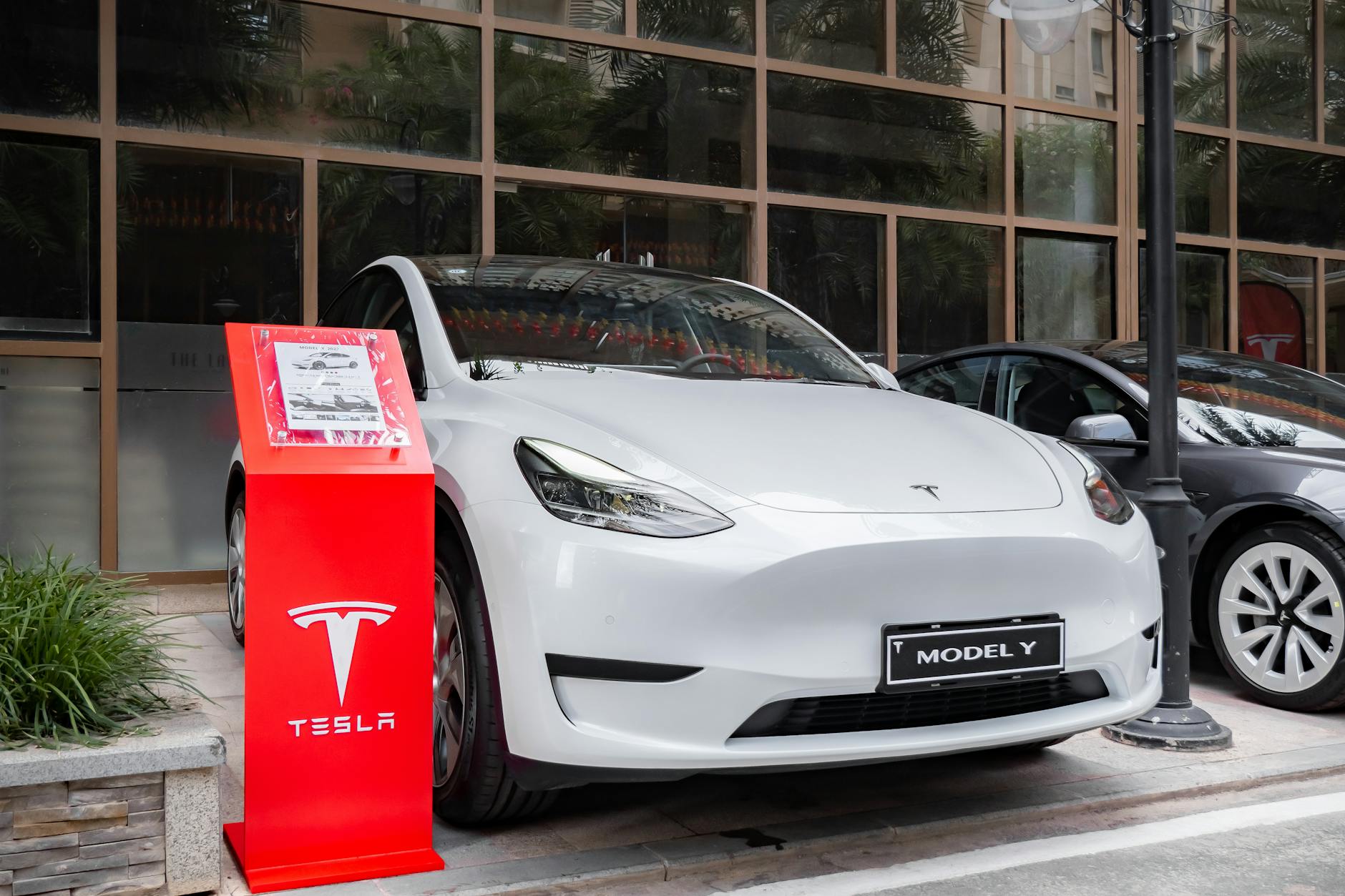
Tesla recently launched an exciting new Outlet Adapter, allowing Model Y owners to use their electric vehicles as a powerful energy source for various devices, from laptops to camping gear. This Vehicle-to-Load (V2L) capability truly showcases the versatile potential of electrification. However, many owners of even the newest Model Y builds are discovering their cars aren't compatible due to an older power conversion system. This unexpected limitation means accessing this innovative feature could require an expensive hardware upgrade, highlighting a surprising hurdle in an otherwise forward-looking technology.
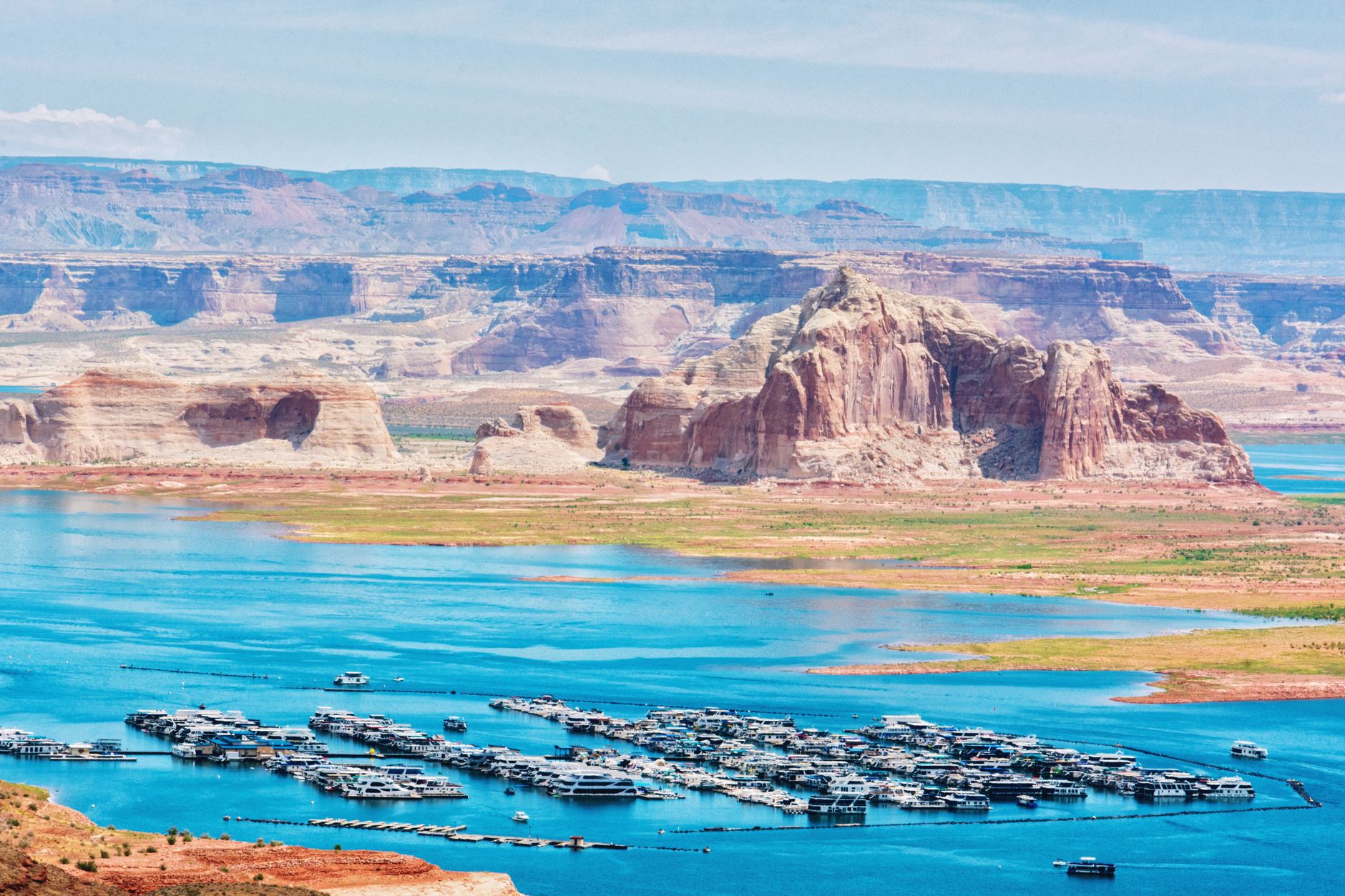
Lake Powell, the nation's second-largest reservoir and a vital artery of the Colorado River, has reached a new record low water level. This alarming milestone, following a similar drop at Lake Mead, signals a deepening water crisis across the western U.S. Millions of people, crucial wildlife habitats, and critical hydropower generation depend on the dwindling Colorado River system, highlighting the urgent need for sustainable water management in the face of persistent drought and rising temperatures.
Tesla has introduced a new Vehicle-to-Load (V2L) Outlet Adapter for its Model Y, allowing owners to power external devices directly from their cars. This innovative accessory transforms the electric vehicle into a versatile power source for everything from laptops to electric grills, showcasing the expanding utility of sustainable transportation. However, a surprising number of even newer Model Y vehicles are not compatible with this $80 adapter, leaving many owners unable to access the feature without an expensive hardware upgrade. This situation highlights the evolving landscape of EV technology and the importance of ensuring broad accessibility to advanced functionalities.
In the mountain villages of Guatemala, communities like El Duraznal are buried under a growing tide of plastic waste, leading to critical health and environmental issues. With limited waste management, many residents resort to burning plastic, unknowingly releasing harmful toxins into the air. This practice contributes to severe indoor air pollution, endangering women and children, and exacerbates local environmental degradation. A collaborative research project, Ecolectivos, is working with these communities to find sustainable solutions and highlight the urgent need for action against this pervasive plastic crisis.
The global effort to combat climate change is gaining significant momentum, with major advancements unfolding across continents. From Asia's burgeoning carbon markets to Brazil's innovative carbon capture frameworks and Europe's bold decarbonization investments, the push for sustainable solutions is accelerating. These developments underscore a crucial global commitment to reducing emissions and fostering a cleaner, more resilient future, showcasing how diverse strategies are converging to tackle climate urgency.
The vast majority of meat consumed in America comes from concentrated animal feeding operations, or CAFOs. While efficient for production, these massive facilities generate staggering amounts of waste, pollute vital water sources, and release potent greenhouse gases. Communities living near these operations often face severe health issues and environmental degradation. The urgency of addressing these impacts on our planet and public health is growing, highlighting the critical need for sustainable changes in our food systems.
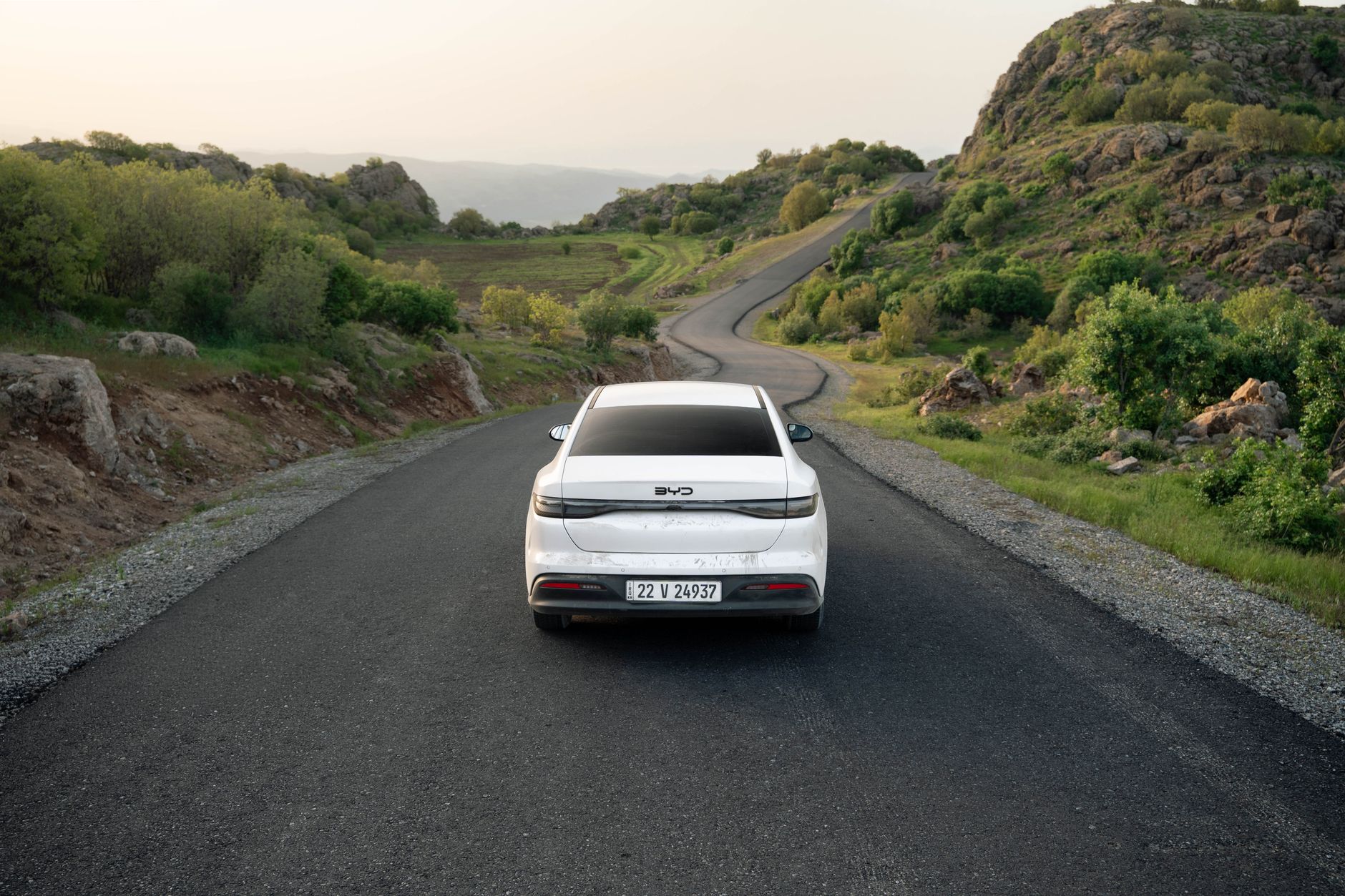
A remarkable shift is underway in South America, with electric vehicle (EV) sales accelerating at an astonishing rate. Argentina, in particular, has seen its EV market share jump significantly, driven largely by Chinese manufacturers like BYD. This rapid adoption is a "leapfrog" moment for emerging markets, bypassing the slower transition seen in some leading economies. While this surge offers hope for reducing global transportation emissions and combating climate change, experts caution that true decarbonization requires more than just vehicle electrification.
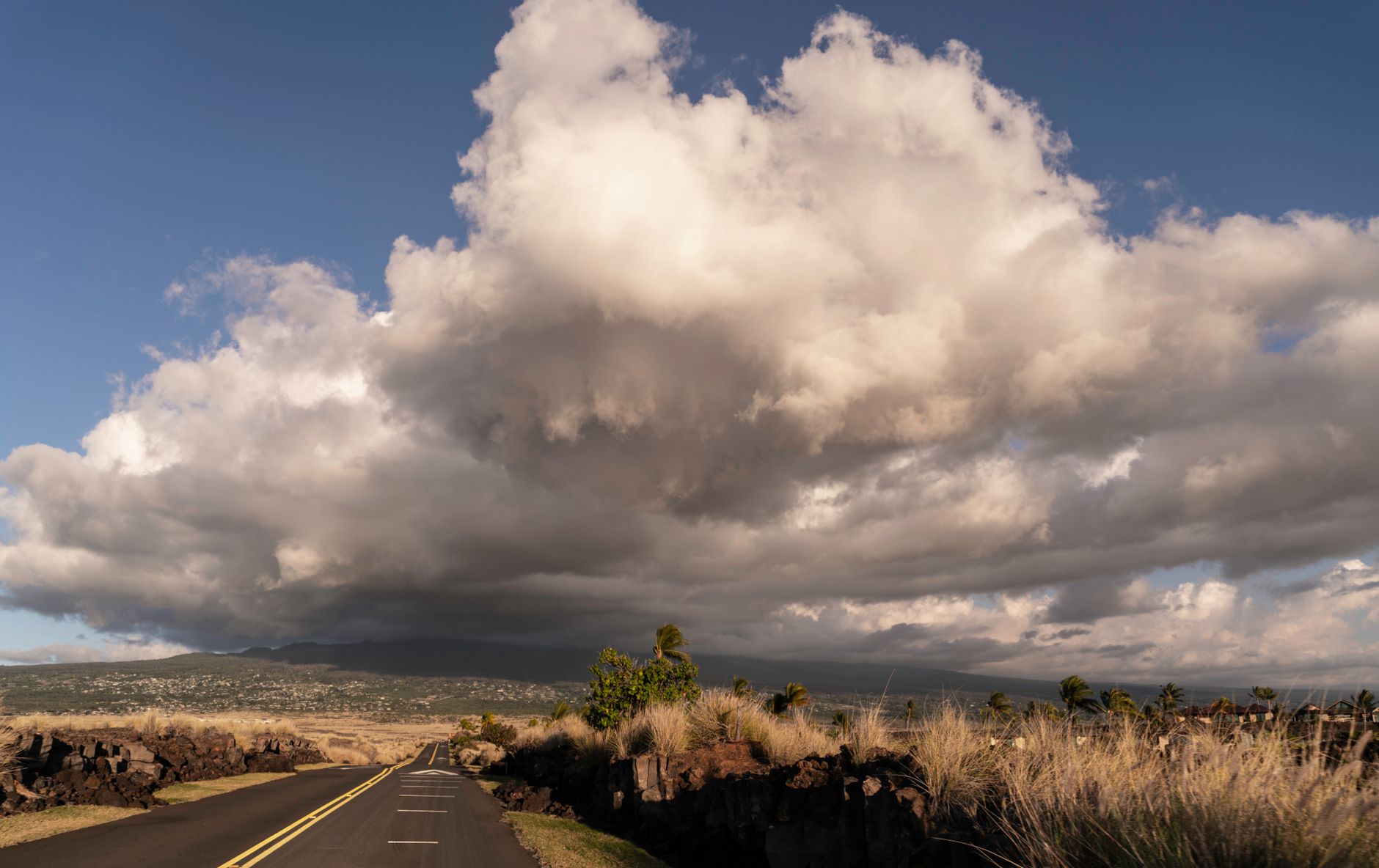
Tropical Storm Lala is rapidly approaching Hawaii's Big Island, poised to become the first hurricane to make direct landfall in 155 years. Residents are bracing for "enormous" impacts, including up to 25 inches of rain, life-threatening mudslides, and dangerous flooding across the islands. This comes as Hawaii is still recovering from previous severe weather events and faces elevated wildfire risks. The storm's arrival during a powerful El Niño year underscores the growing urgency of preparing for extreme weather in our changing climate.