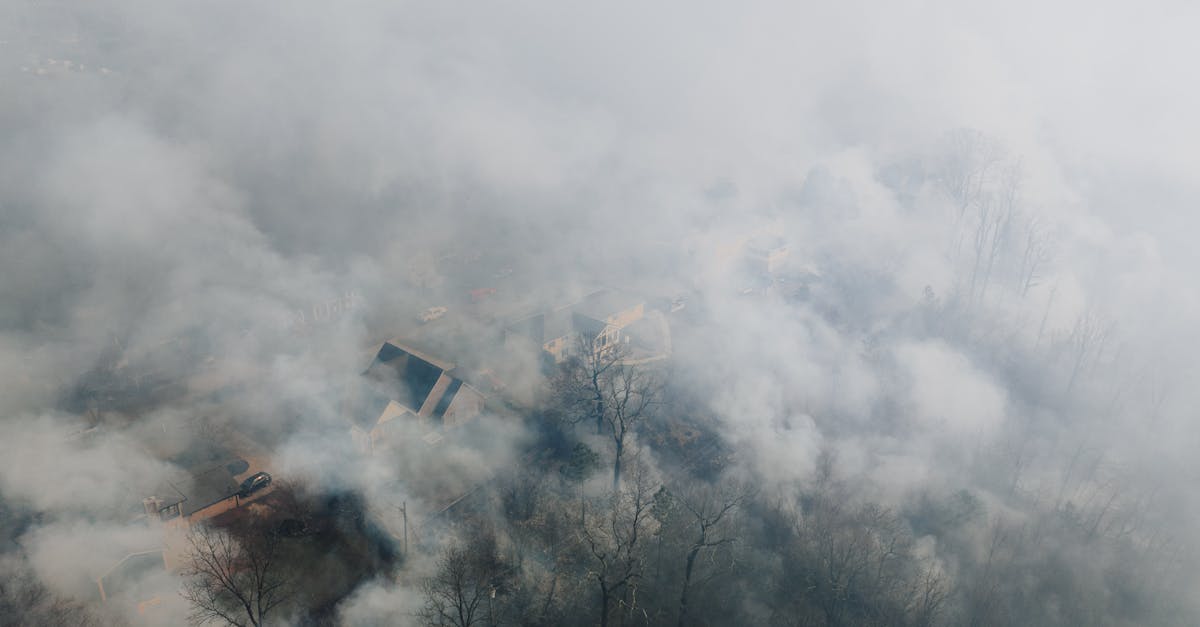
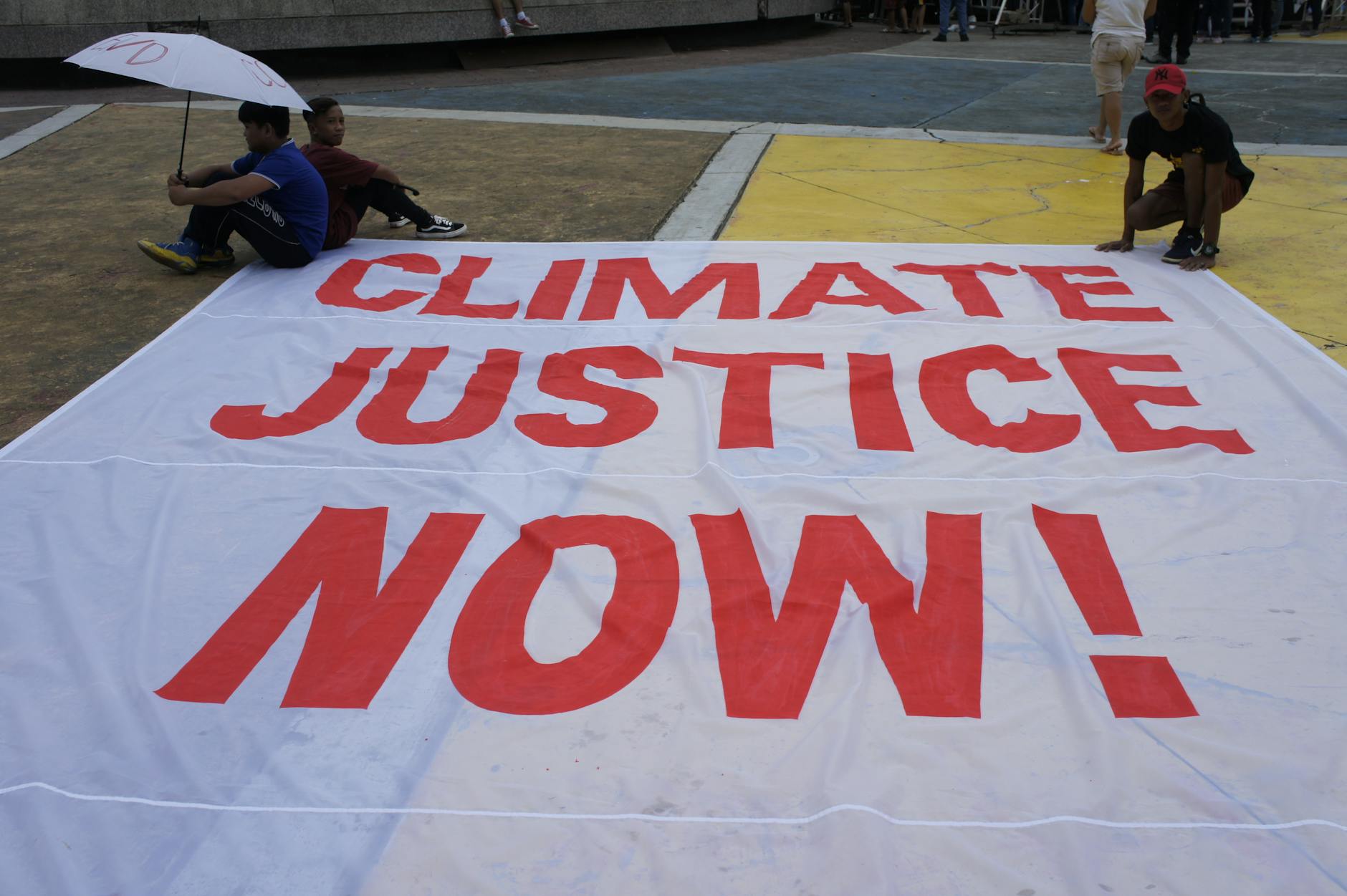
Pennsylvania is grappling with an unexpected and dangerous climate hazard: thick wildfire smoke drifting from far-off Canadian fires. This new reality, a stark contrast to decades of improved air quality, is forcing communities to confront unhealthy air levels. Children, the elderly, and outdoor workers are especially vulnerable to the tiny, harmful particles that can cause serious health problems. This unprecedented challenge underscores the urgent need to understand and adapt to the widespread impacts of a warming planet.
Millions are mourning the loss of Jackie, the beloved bald eagle from Big Bear Lake, who passed away at 14 after a weeks-long battle with a mysterious illness. Known globally through a popular livestream, Jackie and her mate, Shadow, captivated viewers with their wild journey, from raising chicks to enduring storms. Her passing reminds us of the delicate beauty of wildlife and the profound connection people can form with nature, highlighting why protecting these majestic creatures and their habitats is more important than ever.
Big Bear's celebrated bald eagle, Jackie, known for her captivating presence on a popular livestream, is facing a severe health crisis. This devoted mother, who meticulously arranges her nest with her mate, Shadow, has garnered a massive following worldwide. Recently rescued from Big Bear Lake, Jackie is now under critical care at the Ojai Raptor Center. Despite extensive medical testing, the cause of her mysterious illness remains unknown, leaving fans and wildlife experts deeply concerned for her well-being. Her story underscores the delicate balance of nature and the profound connection people feel towards majestic wildlife, reminding us of our shared responsibility to protect these precious creatures and their habitats.
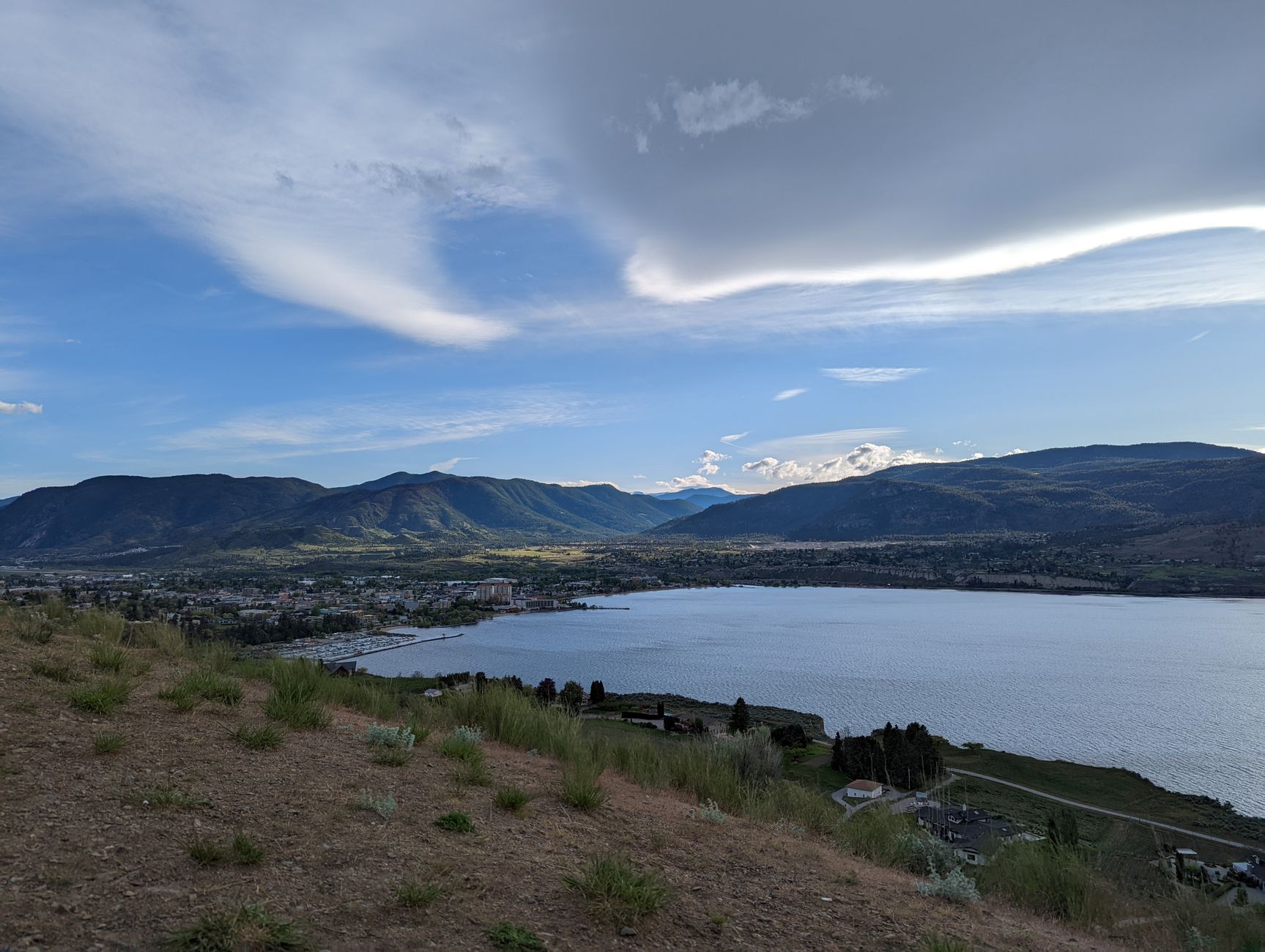
Massive wildfires are tearing across the western U.S. and Canada, forcing thousands from their homes and devastating communities. These blazes, intensifying in a warming climate, have prompted widespread evacuations, destroyed countless structures, and even claimed lives. From British Columbia's Okanagan Lake to Spokane, Washington, residents are grappling with unprecedented destruction and an uncertain future. The escalating frequency and intensity of such events highlight the urgent need for robust environmental action and sustainable solutions.
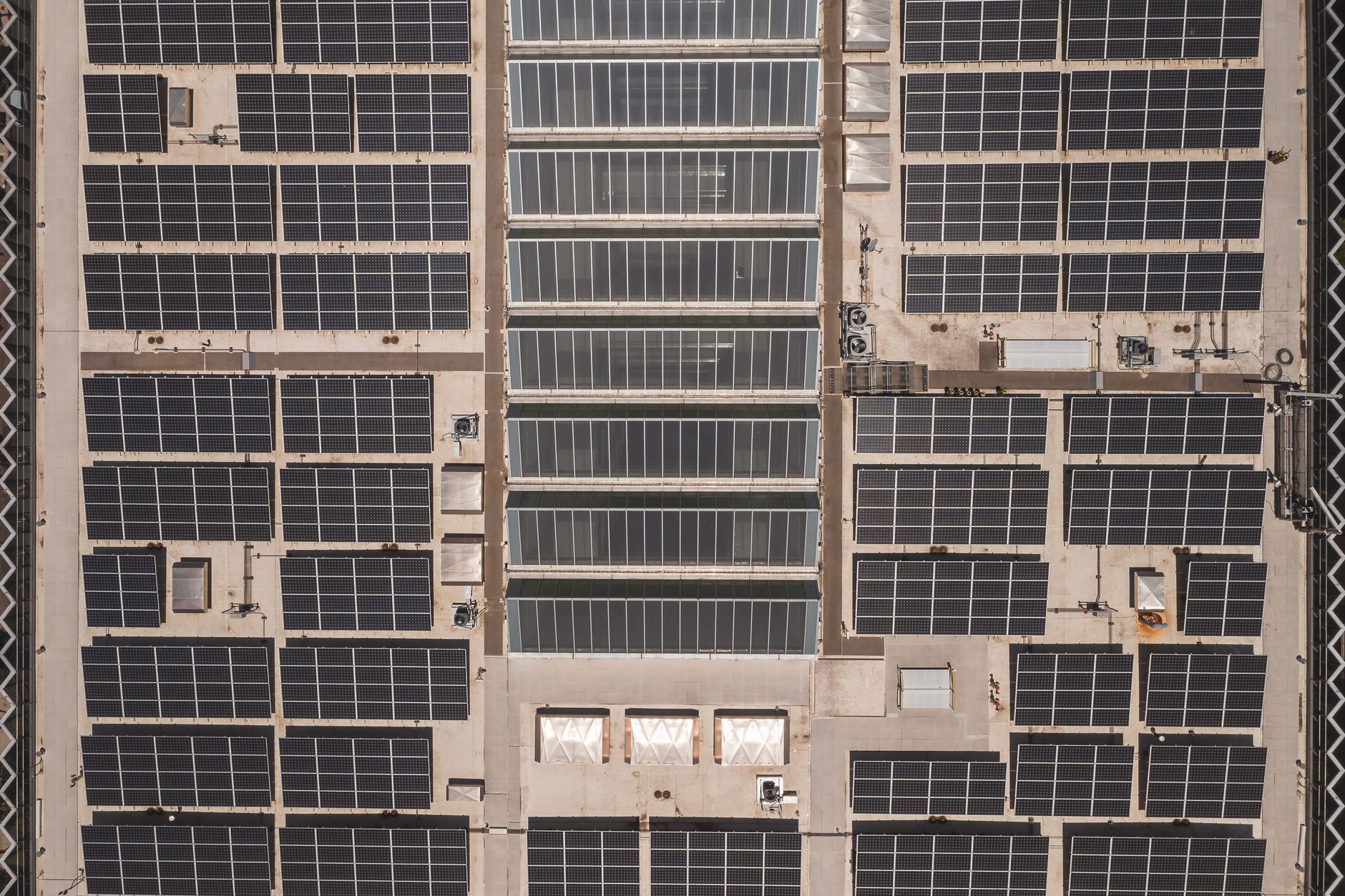
Tesla is proposing a colossal $10.1 billion solar cell manufacturing plant in Fort Bend County, Texas, signaling a significant push towards domestic clean energy production. This ambitious "Project Crystal Sun" aims to create nearly 10,000 permanent jobs, marking a major economic and environmental win for the region. The facility would produce solar cells for homes, businesses, and utilities, reducing reliance on overseas supply chains and boosting sustainable power solutions. This move underscores the critical importance of electrification and shifting away from fossil fuels, powering a cleaner future for everyone. The final decision hinges on local tax incentives, making this a pivotal moment for Texas's role in the green economy.
Tesla, in partnership with SpaceX and xAI, has revealed stunning new renders of its massive "Terafab Texas" facility, a project valued at an astounding $16.8 billion. This ambitious endeavor in Grimes County, Texas, showcases a future where advanced robotics and driverless electric vehicles work seamlessly within a strikingly designed environment. This vision highlights a significant push towards integrating sustainable transportation and automated solutions on an unprecedented scale, promising a glimpse into how future industries could operate and contribute to a cleaner planet. The project signals a major step in the ongoing global shift toward electrification and innovative manufacturing.
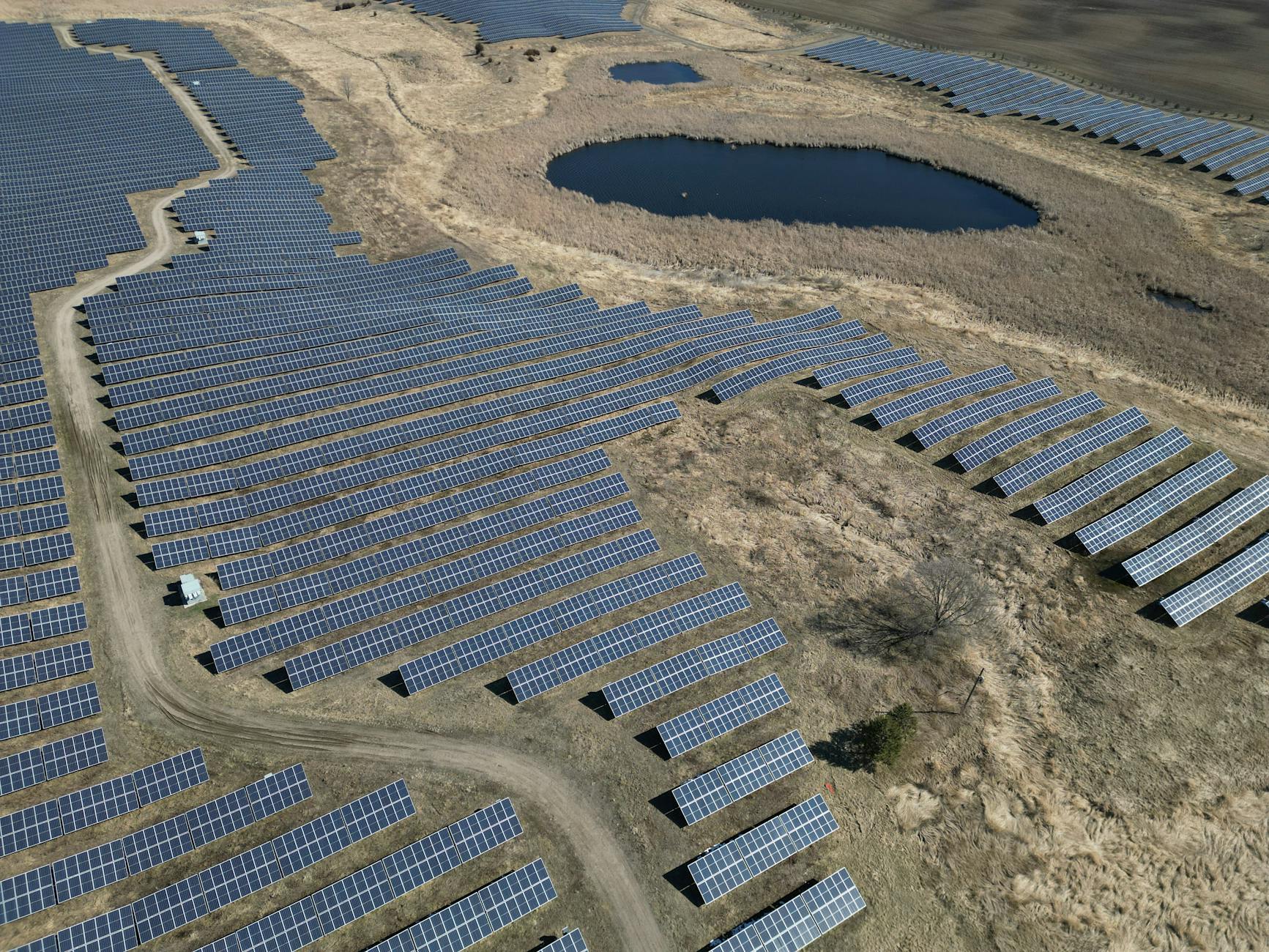
Google is significantly expanding its renewable energy footprint in Oklahoma through a new 15-year power purchase agreement with German energy company RWE. This partnership will see Google acquire all electricity from RWE’s 155-megawatt Crooked Creek Solar project, set to begin commercial operations in 2028. This move is crucial for powering Google's growing data center and AI operations, reflecting a broader commitment to clean energy and environmental action. It also promises substantial local economic benefits, including job creation and tax revenue, making it a win for both sustainability and community development.
Health officials along the Gulf Coast are issuing urgent warnings as cases of a flesh-eating bacteria, Vibrio vulnificus, sharply increase. This year, states like Louisiana and Florida are reporting higher infection rates and fatalities compared to past averages. Scientists point to rising ocean temperatures driven by climate change as a key factor enabling the bacteria to spread and thrive, turning our beloved coastal waters into a growing health concern. This trend underscores the critical need for climate action to protect public health and our environment.
Recent reports highlight urgent global climate challenges and varied responses. While carbon credit markets are evolving to place governments at the heart of mitigation, Europe is notably lagging, with no country on track to meet its climate action goals. Meanwhile, California is proactively addressing future climate risks in its insurance sector, a stark contrast to a new private hurricane evacuation service in Florida, underscoring growing climate inequality. Türkiye is championing resilient cities and international cooperation for COP31, demonstrating diverse global approaches to our shared environmental crisis.
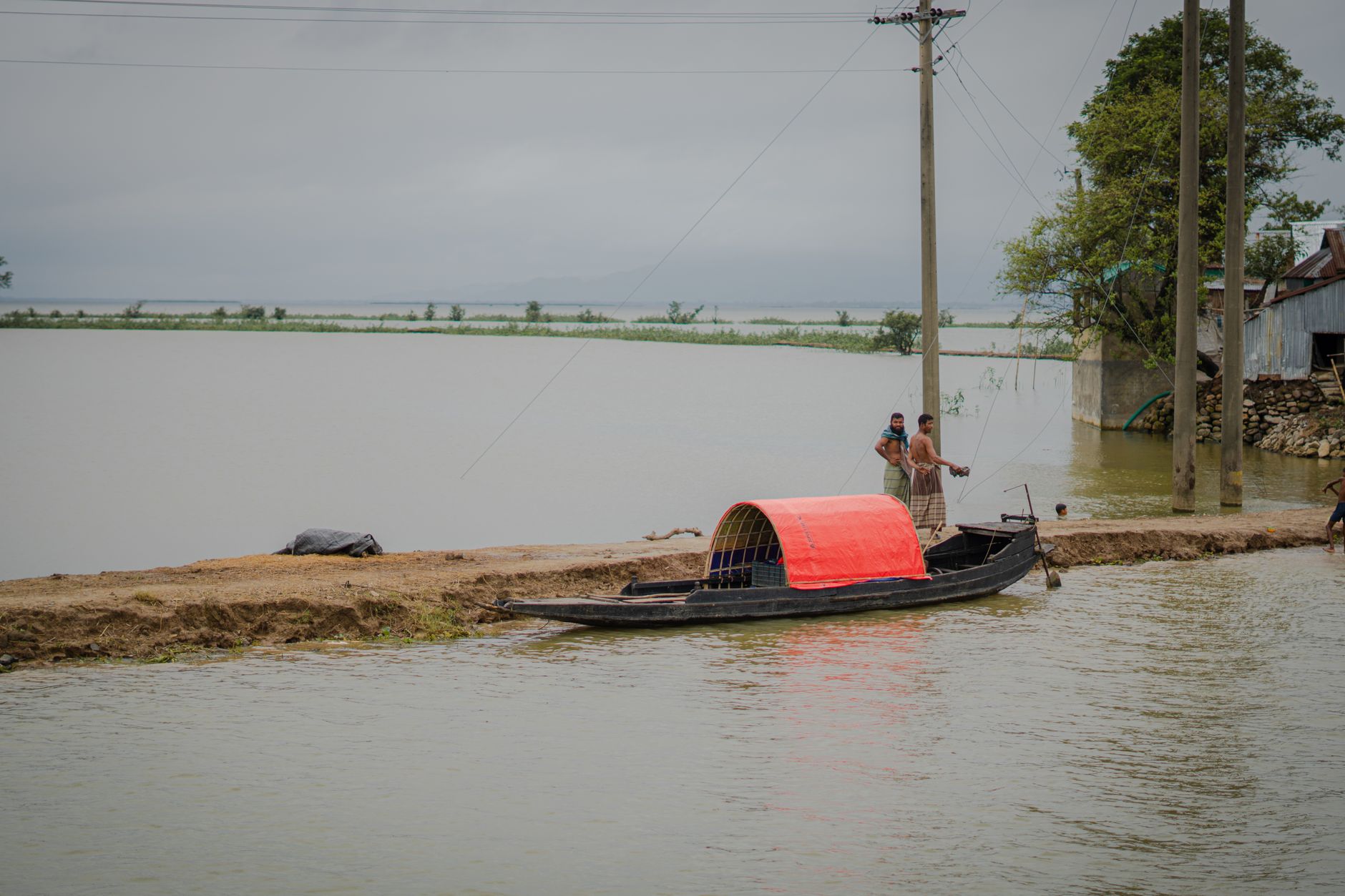
India's northeastern Assam state is grappling with a severe flood crisis, where the death toll has tragically reached 100. Relentless monsoon rains have caused major rivers, including the Brahmaputra, to overflow, sweeping away homes and displacing hundreds of thousands of people. While many are slowly returning, they face immense challenges rebuilding their lives amidst widespread devastation. Experts point to human-caused climate change as a key factor intensifying these destructive monsoons, highlighting the urgent need for global climate action to prevent further humanitarian disasters. This crisis underscores the devastating real-world consequences of a warming planet.
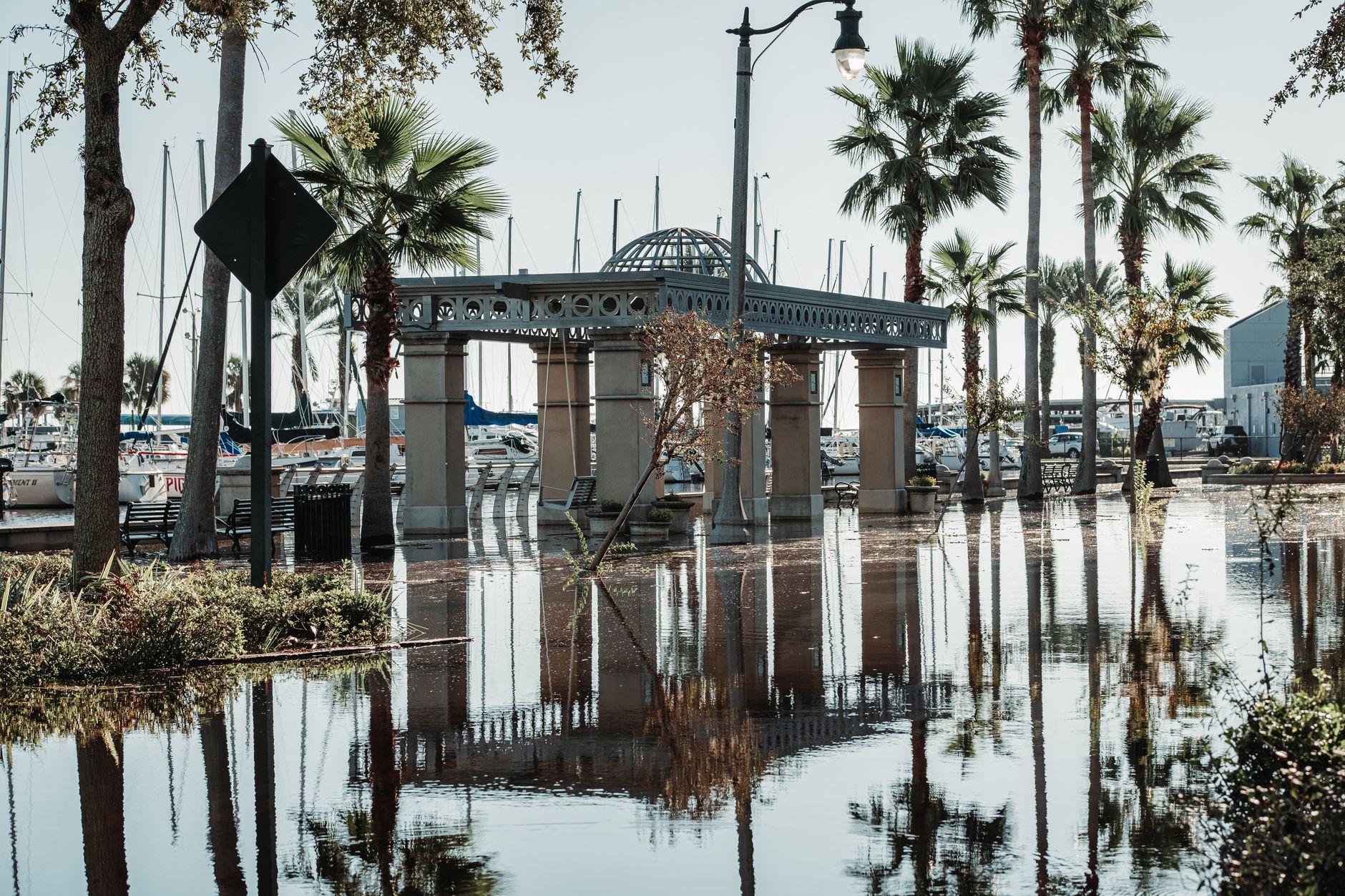
Southern California is facing a significant weather challenge this August, with a scorching heatwave bringing temperatures well into the 90s and 100s across the region. This intense heat increases the risk of heat illnesses and elevated fire conditions. Compounding the situation, high tides, amplified by unusually warm ocean temperatures and ongoing sea level rise, threaten coastal areas with minor flooding. This combination of extreme weather underscores the urgent need for climate action and sustainable solutions.
New reports highlight critical shifts and alarming failures in global climate action. Governments are stepping up their role in scaling carbon credit markets, crucial for mitigating emissions across entire regions. Meanwhile, Turkey prepares for COP31 by championing urban resilience and energy transition through international cooperation. However, the EU faces a stark reality: no country is on track for its climate goals, underscoring growing environmental and economic risks. This uneven progress, from innovative insurance rules in California to private disaster escapes in Florida, reveals both advancements and troubling climate inequalities.