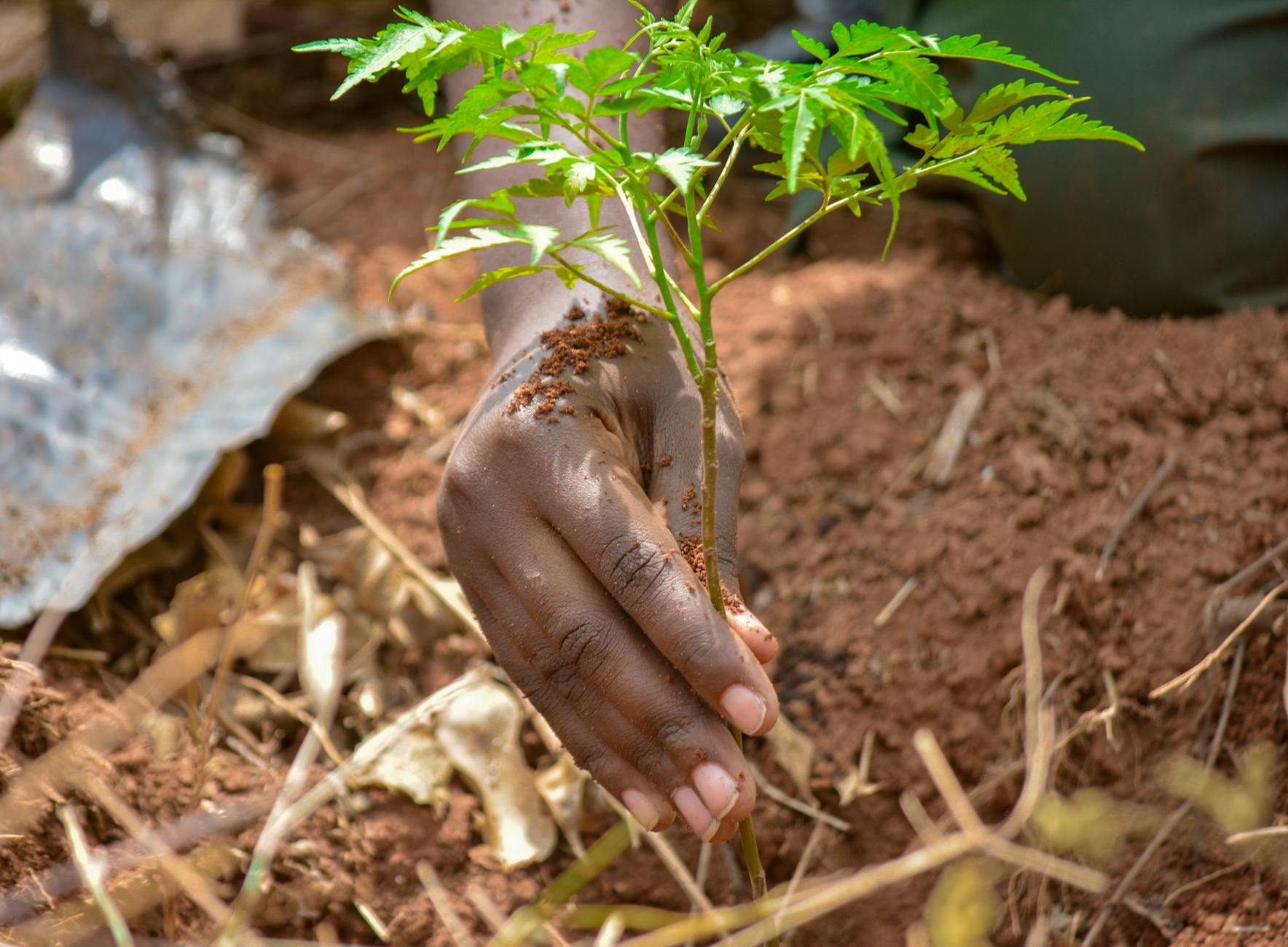
Mombak, a Brazilian carbon removal company, has achieved a significant milestone by delivering its first verified carbon removal credits from Amazon restoration projects over two years ahead of schedule. This early delivery of more than 21,000 credits proves that large-scale nature-based solutions can effectively remove carbon and meet commercial commitments. Major buyers like Google and Microsoft benefit, reinforcing their crucial climate strategies. This success builds trust in the voluntary carbon market, showing that high-quality climate action is possible. It underscores the urgency and importance of restoring vital ecosystems for global warming efforts.
As global temperatures rise, a surprising impact is emerging on air travel: more frequent flight delays. Extreme heat thins the air, making it harder for airplanes to take off safely, often requiring passengers or cargo to be removed. What was once a challenge for desert airports is now becoming a broader issue, disrupting travel plans across more regions. Experts warn that human-caused climate change is making these disruptions more common, underscoring the urgent need for action to protect our climate and ensure smooth travel in the future.
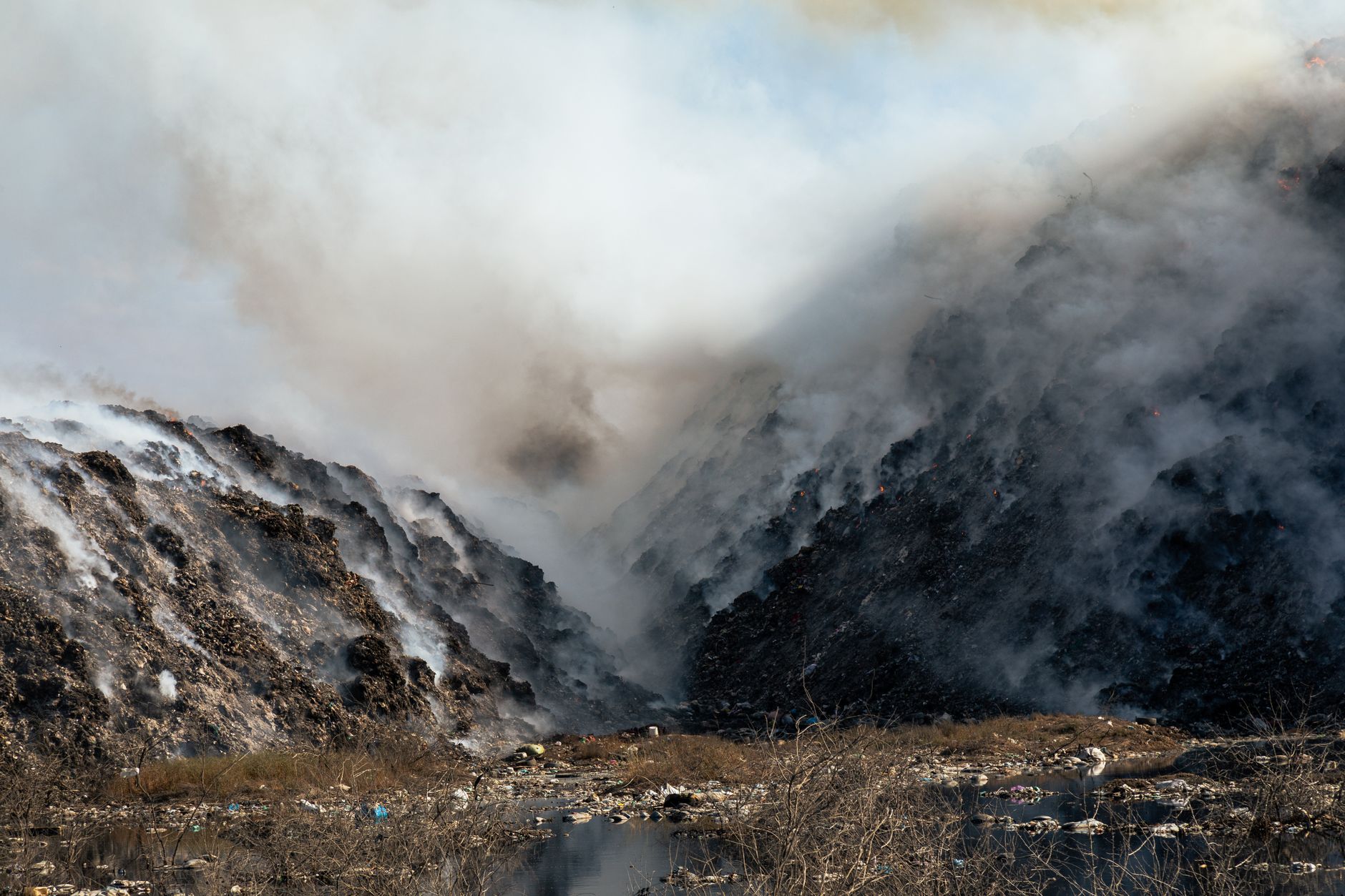
An alarming crisis is unfolding in California as underground fires spread through multiple landfills, releasing toxic gases and hazardous liquids. What began as a localized issue at Chiquita Canyon Landfill three years ago has now been discovered at two other sites, raising concerns about a broader problem across the state. Residents near these burning landfills are reporting severe health issues like nausea and dizziness, trapped in their homes by unbearable stench. The situation underscores the dire consequences of inadequate waste management and the urgent need for sustainable environmental solutions.
In places like Austin, Texas, what seems like a simple power outage can quickly turn homes into dangerous heat traps, especially as global temperatures rise. The problem is severe for vulnerable residents, including low-income families and the elderly, who often live in older homes ill-equipped to handle extreme heat without air conditioning. Austin's climate adaptation manager notes a shocking increase in 100-degree days, transforming the challenge into a critical safety concern. This urgent situation highlights the deadly consequences of unchecked climate change and the need for immediate community action and sustainable solutions. City programs aim to improve home energy efficiency and offer cooling centers, but individual vigilance is also key.
Twenty years after landmark climate warnings, our planet faces escalating challenges, from political inaction to worsening wildfires. But in 2026, a new wave of 15 books is sparking vital conversations, offering fresh perspectives on the climate crisis. These titles explore five distinct paths forward, from leveraging existing clean technology to rethinking how we communicate, connect, and even live together. They underscore the urgent need for a renewed commitment to environmental action, challenging us to confront and adapt to the changing world we've created for future generations. This outpouring of ideas reminds us that while the challenge is immense, innovative solutions and collective effort remain our strongest hope.
Puerto Rico is set to begin rationing water this Friday, a stark measure necessitated by the island's most severe drought in over a decade. This critical decision impacts residents across the region, highlighting the growing challenges posed by extreme weather events. The move underscores the urgent need for robust water management strategies and collective action to address the escalating effects of global warming, ensuring access to this vital resource for all communities.
Tesla has launched an urgent legal battle to ensure its Cybertruck production doesn't grind to a halt. The electric vehicle giant is suing supplier Angstrom Automotive Group, claiming the company is holding essential manufacturing equipment "for ransom." This critical dispute could stop Cybertruck deliveries in mere days if Tesla doesn't regain access to its property. The lawsuit highlights the complex supply chain challenges faced even by leading EV makers, underscoring the importance of keeping electric vehicle production flowing to meet growing demand for sustainable transportation.
California's Attorney General Rob Bonta has intensified legal action against DuPont, accusing the chemical giant and its spin-off companies of orchestrating a complex "shell game" to escape responsibility for widespread PFAS contamination. These "forever chemicals," known for their links to cancer and other severe health problems, have polluted California's drinking water and environment, affecting millions. Bonta alleges a multi-phase corporate restructuring designed to hide valuable assets and leave a "fall guy" company with massive cleanup liabilities. This critical legal battle aims to ensure accountability for environmental damage and protect communities from these persistent toxins. The state seeks to halt further asset transfers, ensuring funds are available for necessary cleanups.
Florida's approach to distributing federal water aid is facing scrutiny, as restrictive state rules prevent many poor communities from accessing crucial funding. Despite receiving a historic boost from the 2021 Bipartisan Infrastructure Law, Florida’s definition of a "disadvantaged community" includes a strict population cap of 10,000 residents. This means places like Belle Glade, a majority-Black farmworker city, are excluded from the most generous aid—principal forgiveness—even though they desperately need infrastructure upgrades for clean, reliable drinking water. This policy raises concerns about equitable access to vital resources and environmental justice.
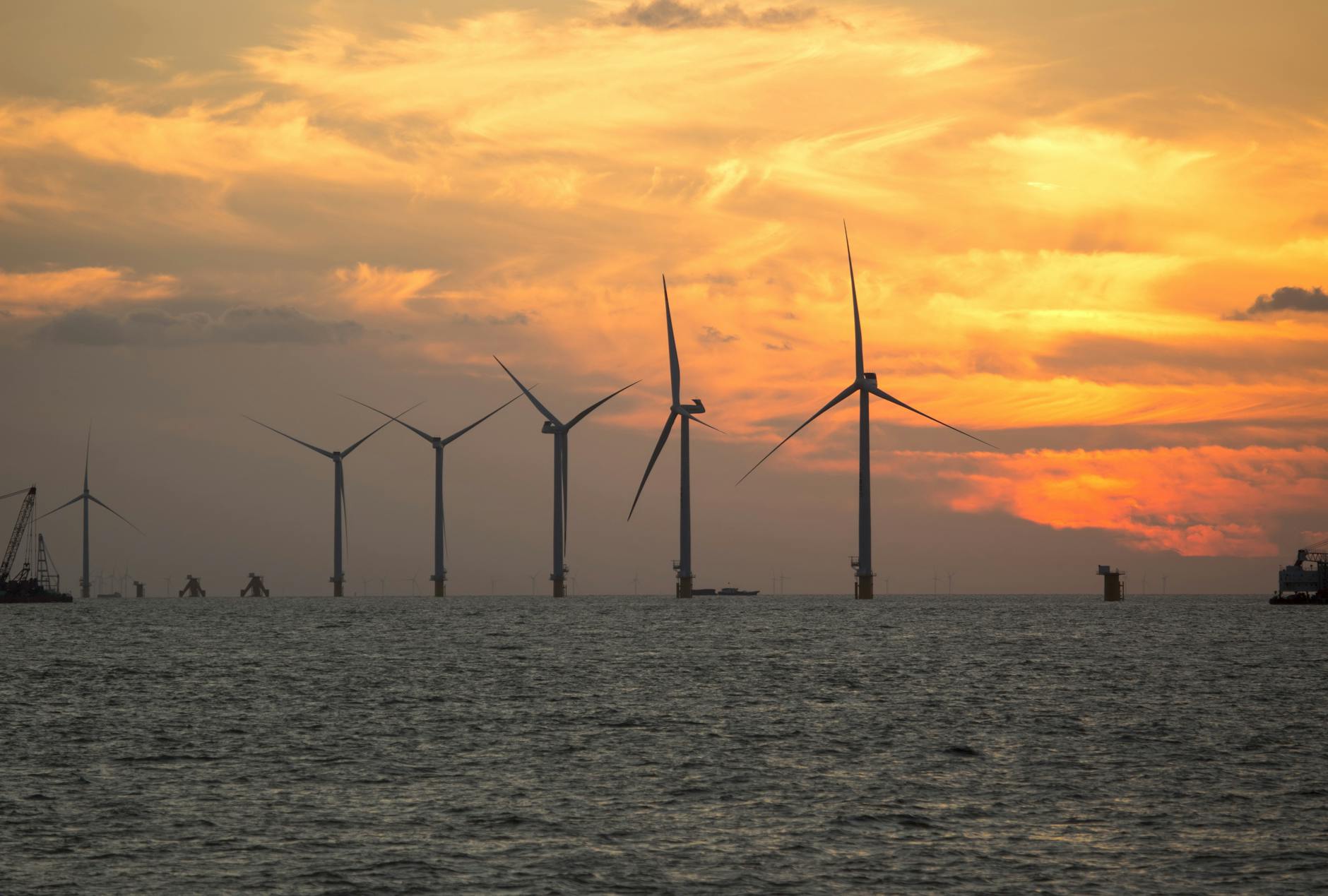
A major blow has been dealt to California's clean energy ambitions as German giant RWE exits its offshore wind projects following a $1.22-billion deal with the U.S. Interior Department. This agreement, the fifth and largest of its kind under the Trump administration, reroutes significant investment away from renewable energy and towards fossil fuel projects. Experts warn this move jeopardizes California's ability to combat climate change, achieve its green energy goals, and develop crucial electrification infrastructure. The urgency of transitioning to sustainable solutions is now more apparent than ever, as government actions directly impact our collective future.
A widespread salmonella outbreak, sickening 345 people across 27 U.S. states, has been traced back to jalapeño peppers from a farm in Sinaloa, Mexico. Federal health officials identified Coast Citrus Distributors as the company that moved the contaminated peppers into the U.S., prompting a recall. Most affected individuals reported eating at Mexican-style restaurants, leading chains like Chipotle and Qdoba to remove jalapeños as a precaution. The Centers for Disease Control and Prevention reports 36 hospitalizations, underscoring the serious public health concern.
Elon Musk has announced a major victory for SpaceX, declaring that a persistent engineering challenge with Starship's heat shield tiles has been effectively resolved. This breakthrough is crucial for achieving rapid and full reusability, a core principle for making space travel more accessible and sustainable. The ability to quickly reuse rockets reduces waste and energy consumption, aligning with broader goals for a more environmentally conscious future. This step brings us closer to a new era of space exploration and resource utilization.