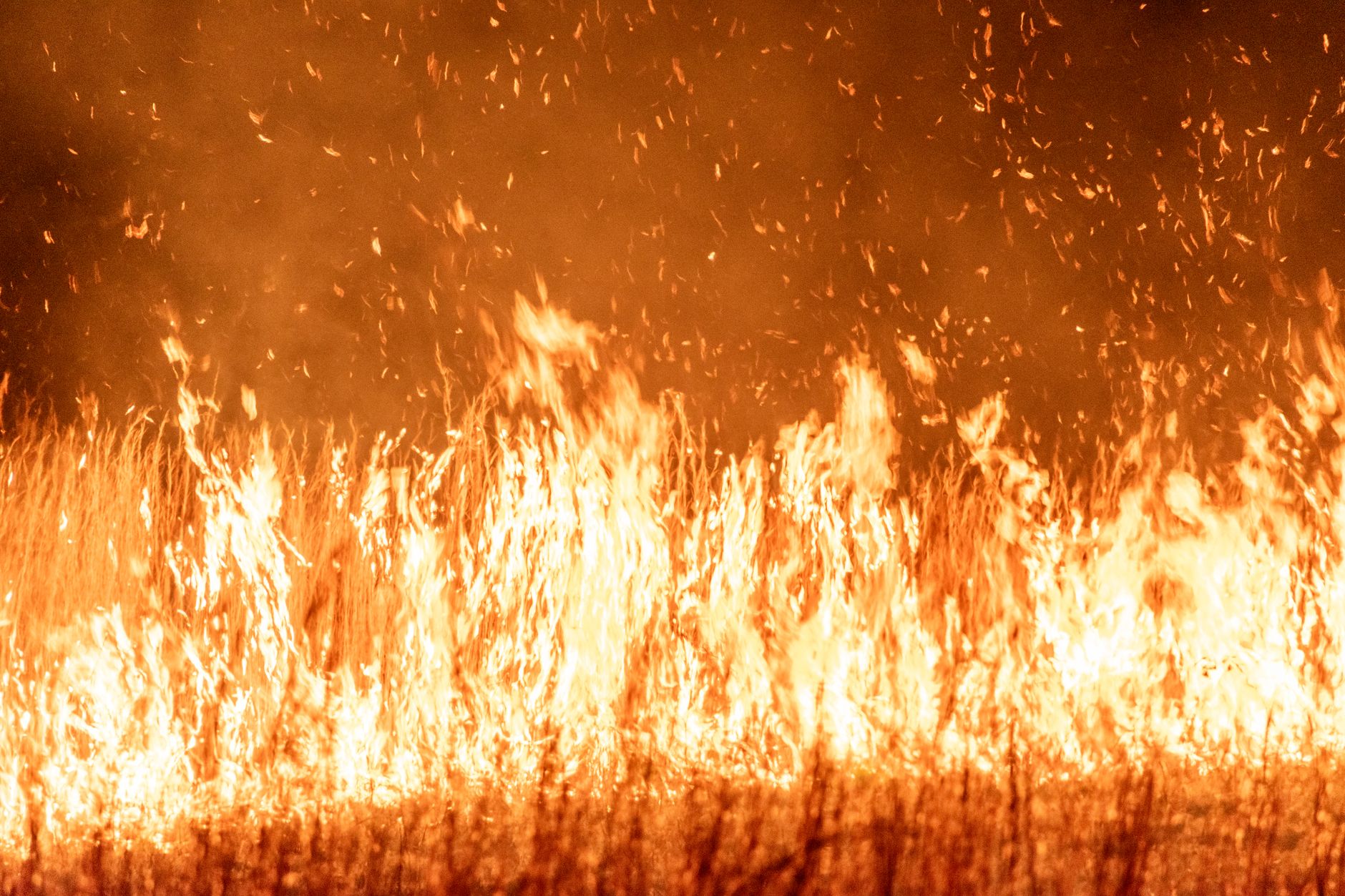
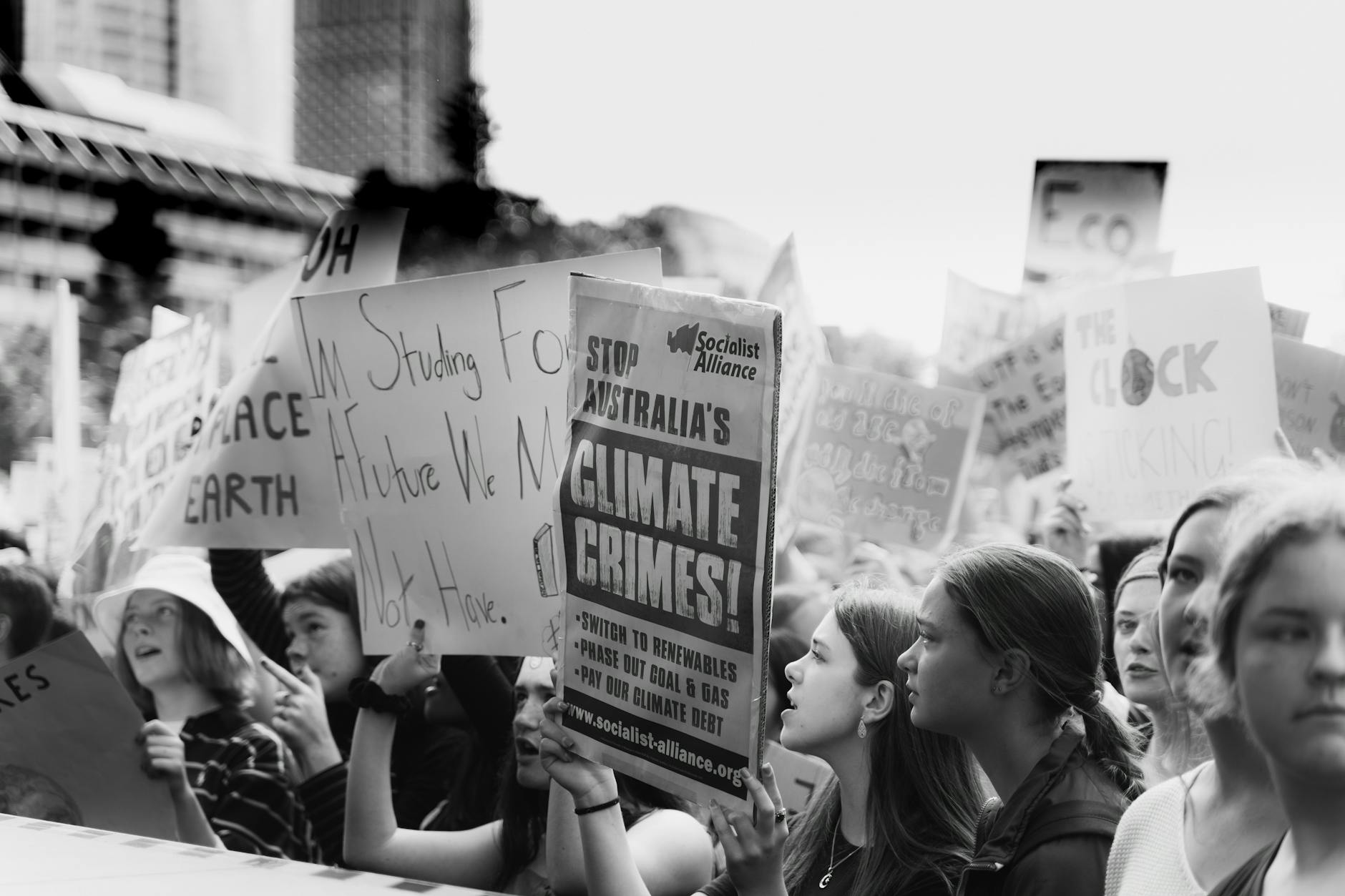
From scorching wildfires to deadly heat waves and oceans hotter than ever, this summer feels like a record. Surprisingly, 2026 is currently only the third-hottest year on record. However, scientists warn this is just the beginning. A powerful El Niño combined with accelerating human-caused global warming is poised to make 2026, or certainly 2027, the warmest year yet. This escalating heat underscores the urgent need for action against climate change, highlighting a future where current extremes become the new normal.
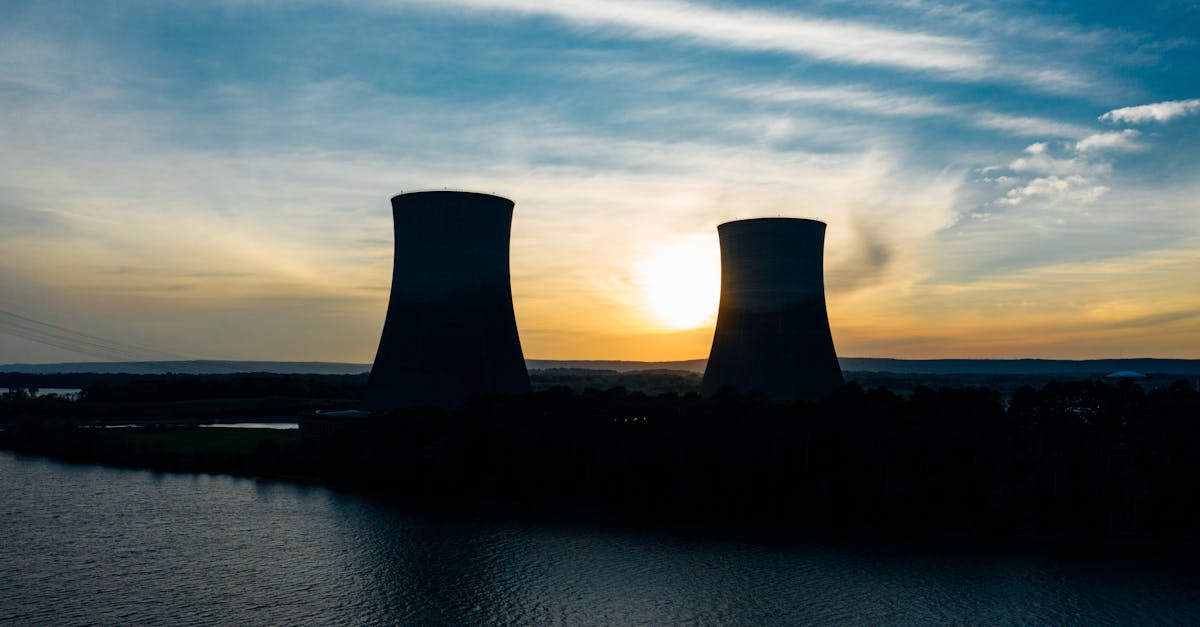
Europe is grappling with a severe heat wave, leading to unprecedented low water levels in vital rivers like the Danube. This climate crisis is directly impacting energy production, pushing nuclear power plants to the brink of shutdown and intensifying devastating wildfires across the continent. The extreme conditions serve as a stark reminder of our planet's accelerating warming and the urgent need for sustainable solutions to protect both natural resources and human lives.
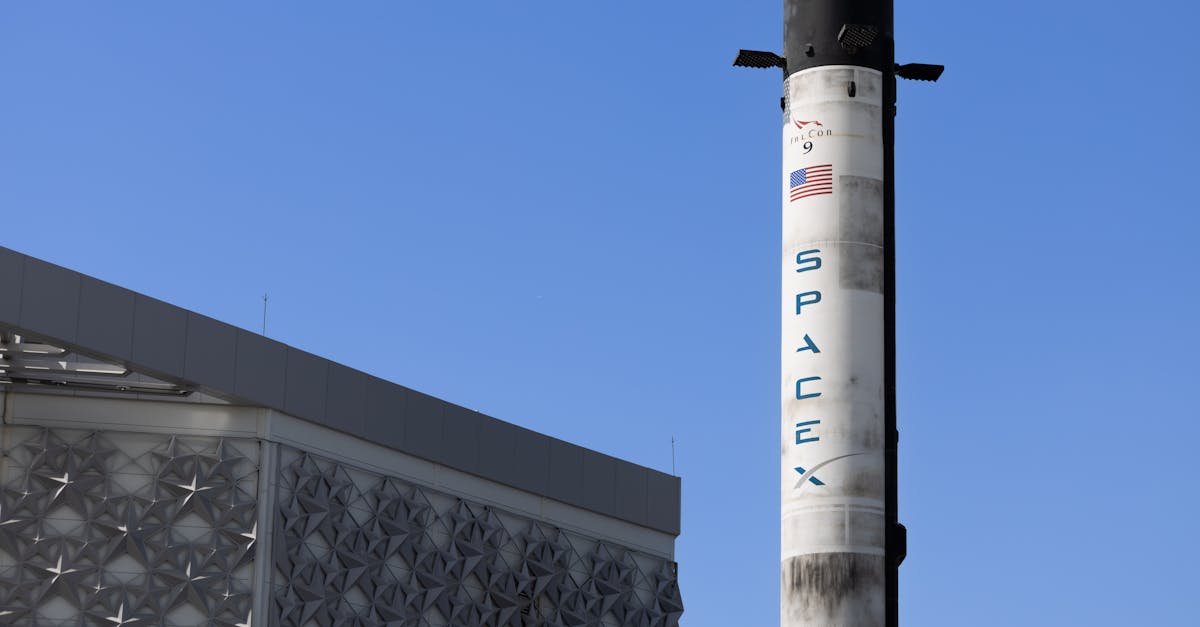
SpaceX has secured a significant $1.6 billion contract from the U.S. Space Force, tasking the company with 18 Falcon 9 missions. These launches, set to occur from Vandenberg Space Force Base through 2027, will deploy satellites crucial for detecting and tracking airborne threats in near real time. This latest award is the largest publicly disclosed under the Space Force's rapid commercial procurement program, highlighting the military's confidence in SpaceX's capabilities. The swift two-month contracting process underscores the urgency and efficiency of this vital national security initiative.
Walmart, the world's largest retailer, has achieved a significant environmental milestone, cutting its operational greenhouse gas emissions by 25% from 2015 levels. This remarkable progress comes as the company continues to expand its business, driven by e-commerce and investments in artificial intelligence. By embracing renewable energy sources, improving energy efficiency in its stores, and adopting cleaner transportation, Walmart is making tangible strides toward its ambitious goal of becoming a zero-emissions company by 2040, as detailed in its FY2026 ESG Report. This demonstrates that business growth and vital climate action can go hand-in-hand, underscoring the urgency of sustainable solutions in global commerce.
As western Oregon faces the realities of a warming climate, its mountain snowpack, a critical water source for irrigation, is rapidly shrinking. This environmental shift poses a significant challenge for farmers who rely on ample water for their crops. Thankfully, a new initiative is empowering local farmers to adapt by teaching them innovative dry farming techniques. These methods allow them to grow essential produce with dramatically less water, securing food production while fostering resilience in the face of increasing water scarcity.
Oregon is experiencing an exceptionally severe wildfire season, forcing ranchers to evacuate their cattle from critical grazing lands. These blazes threaten not only the livelihoods of many families but also highlight the growing fragility of ecosystems in the face of escalating climate challenges. The intense heat and dry conditions underscore the urgent need for robust environmental action and sustainable land management practices. This ongoing crisis emphasizes how interconnected our daily lives are with the health of our planet.
Swansea University has controversially reversed its commitment to exclude fossil fuel and arms companies from its career events, sparking outrage among students and staff. This decision comes despite an ongoing climate crisis, marked by recent record-breaking heatwaves and drought, which underscore the urgency of environmental action. The reversal undoes an 18-month campaign by student and staff groups, who had successfully pushed the university to adopt an ethical careers policy just last year. Critics call the move "shameful," arguing it prioritizes profit over the planet and the future of its students.
Five Amazon nations recently launched "Operation Green Shield 2026," a massive effort to combat environmental crime in the world's largest rainforest. This coordinated crackdown, involving thousands of officers, targeted illegal mining, logging, and wildlife trafficking across Bolivia, Brazil, Colombia, Ecuador, and Peru. The operation underscores a growing global commitment to protect the Amazon, a vital ecosystem under constant threat from illicit activities. Its success highlights the crucial role of international collaboration in preserving our planet's natural treasures and fighting climate change.
Elon Musk has again warned short sellers betting against SpaceX, just before the company releases its first quarterly earnings report as a publicly traded firm. Data shows a significant portion of SpaceX shares are currently "shorted," indicating a strong belief by some investors that the stock will fall. This tension follows a decline in SpaceX's stock since its record-breaking IPO in June 2026. Musk, known for his direct challenges to short sellers, remains confident in SpaceX's long-term vision, even as the company faces its initial public scrutiny.
Swansea University has controversially reversed its commitment to exclude fossil fuel and arms companies from its career events, sparking outrage among students and staff. This decision comes despite an ongoing climate crisis, marked by recent record-breaking heatwaves and drought, which underscore the urgency of environmental action. The reversal undoes an 18-month campaign by student and staff groups, who had successfully pushed the university to adopt an ethical careers policy just last year. Critics call the move "shameful," arguing it prioritizes profit over the planet and the future of its students.
SpaceX, trading as $SPCX, recently delivered its first quarterly earnings report as a public company, drawing significant market attention. The report came amidst a tense backdrop, with high interest from short sellers betting against the stock's future. Just hours before the release, CEO Elon Musk issued another strong warning to these investors, emphasizing the risks of maintaining bearish positions. Despite post-IPO volatility, the company's financial results reportedly showed a strong performance, beating expectations. This debut marks a critical moment for SpaceX as it navigates public scrutiny while pursuing ambitious goals in the burgeoning space economy.
Swansea University has controversially reversed its commitment to exclude fossil fuel and arms companies from its career events, sparking outrage among students and staff. This decision comes despite an ongoing climate crisis, marked by recent record-breaking heatwaves and drought, which underscore the urgency of environmental action. The reversal undoes an 18-month campaign by student and staff groups, who had successfully pushed the university to adopt an ethical careers policy just last year. Critics call the move "shameful," arguing it prioritizes profit over the planet and the future of its students.