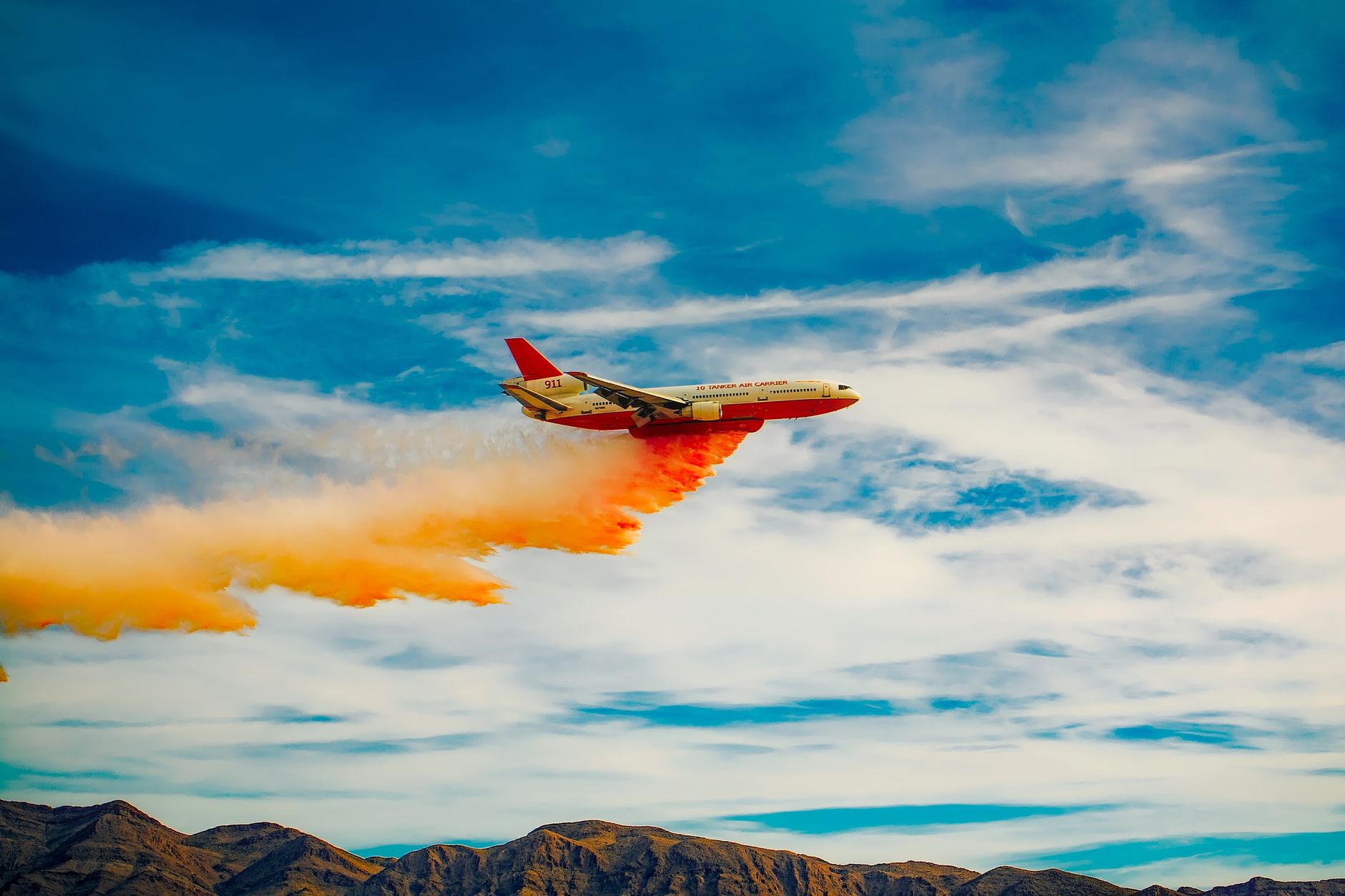
Massive wildfires are tearing through France and Spain, forcing over 250,000 people from their homes and leading to at least one reported death. These "unprecedented" blazes, fueled by scorching heatwaves and prolonged drought, have overwhelmed emergency services, even altering the iconic Tour de France. The sheer scale and intensity of these infernos underscore the urgent need to address the accelerating impacts of global warming on our communities and natural environments.
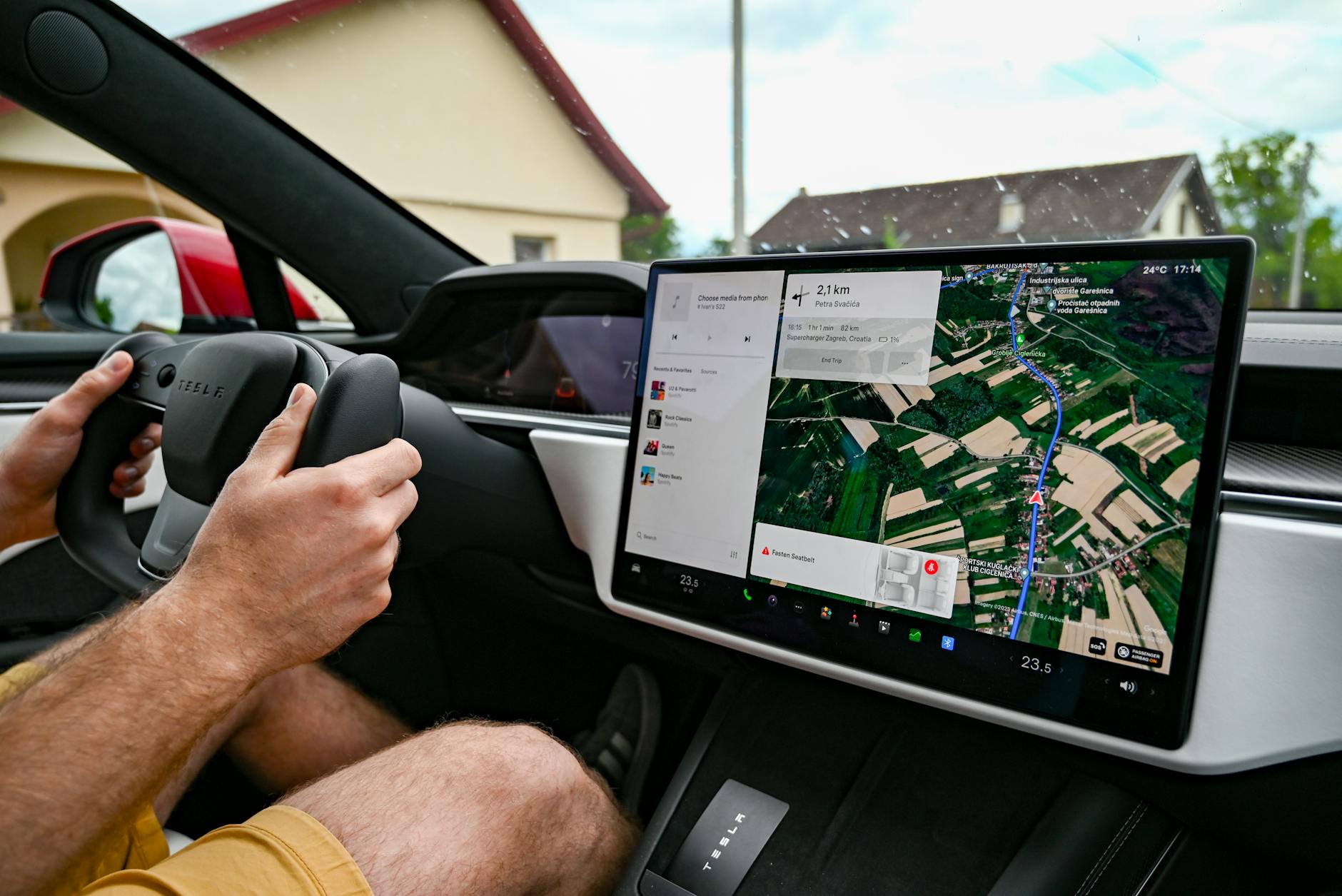
Tesla has announced a significant milestone for its Robotaxi program, revealing that its autonomous vehicles have completed over 380,000 unsupervised miles across six cities in two states with zero notable incidents. This achievement challenges traditional views on self-driving technology, as Tesla exclusively uses cameras for its system, unlike many competitors relying on additional sensors. The impressive safety record validates Tesla's approach and underscores the potential for electric Robotaxis to offer a safe, efficient, and environmentally friendly transportation solution, pushing us closer to a sustainable urban future.
France has officially put the brakes on Tesla’s Full Self-Driving (FSD) Supervised system, citing ongoing safety concerns. French Transport Minister Phillippe Tabarot emphasized that drivers remain fully responsible and highlighted issues like potential speeding and ensuring driver attention during complex maneuvers. This decision drew a sharp response from Elon Musk, who pointed to Tesla's compelling safety data showing FSD vehicles are dramatically safer than average driving, urging a quicker path for life-saving technology.
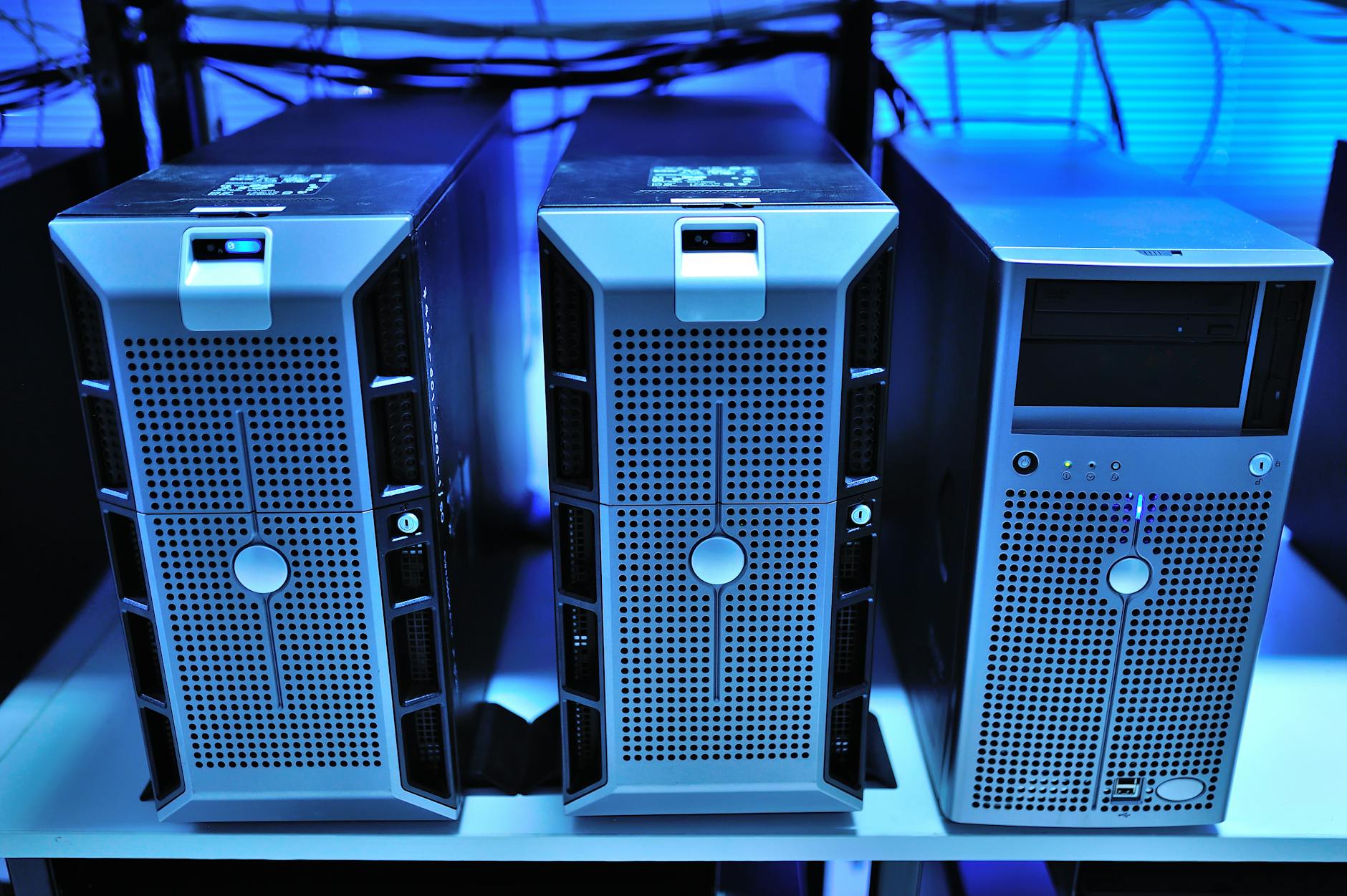
The race to power artificial intelligence (AI) has led tech giants like Microsoft and Nvidia to a new partner: advanced nuclear energy. Oklo, a developer of advanced nuclear reactors, saw its shares surge after being selected for a $200 million U.S. government program. This initiative aims to accelerate the use of clean, reliable nuclear power for the rapidly expanding AI data centers, highlighting a critical shift toward sustainable electrification to meet growing energy demands and climate goals.
France recently declined to approve Tesla's Full Self-Driving (FSD) Supervised system, sparking a strong reaction from Elon Musk. French Transport Minister Phillippe Tabarot cited safety concerns, despite acknowledging technological progress. Musk, however, argues that delaying this advanced system comes at a human cost, pointing to data suggesting FSD vehicles are significantly safer than average. This disagreement highlights a critical debate over how quickly advanced safety technologies should be adopted on European roads.
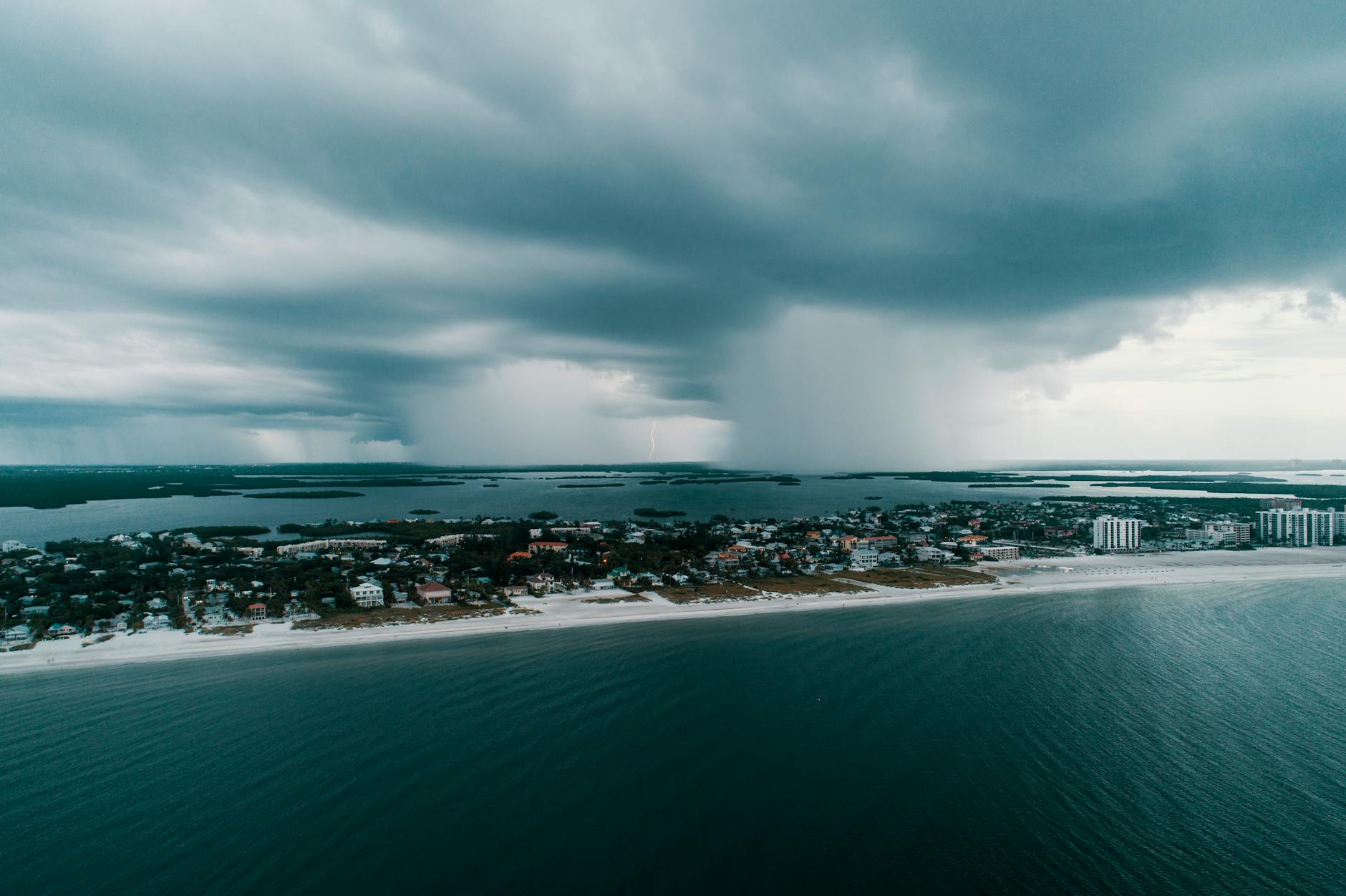
Yale Climate Connections is intensifying its efforts to provide crucial hurricane coverage, including new Spanish-language resources, as a volatile season approaches. Their meteorological team, which has offered life-saving insights since 2020, underscores the devastating impact of these extreme weather events, which have caused nearly $400 billion in damages and over 1,600 deaths in the U.S. and Caribbean this decade. Recognizing the escalating threat posed by a changing climate, YCC is launching a fundraising drive. This initiative aims to ensure continued expansion of their vital reporting, helping communities prepare and respond to increasingly intense storms. Public support is essential to bolster these critical environmental and safety services.
Atlanta is transforming an old, neglected railway into a vibrant 22-mile loop called the Atlanta Beltline. This ambitious project creates a shaded path for walking and biking, connecting 45 neighborhoods, parks, housing, and public transit. Crucially, it will become the world's longest linear arboretum, filled with hundreds of plant and tree types. This green infrastructure is a vital step in combating the effects of climate change, offering much-needed cooling, stormwater filtration, and a haven for urban wildlife.
A groundbreaking effort, initially a federal "National Nature Assessment," aimed to document the profound links between nature and human health. Despite being abruptly canceled by the Trump administration, around 180 dedicated scientists refused to let the vital work die. They independently completed the project, now known as the Nature Record, with foundation support and expert review. This remarkable perseverance has revealed critical insights into how spending time in nature can improve well-being, underscoring the urgent need for greater environmental protection and equitable access to green spaces for all.
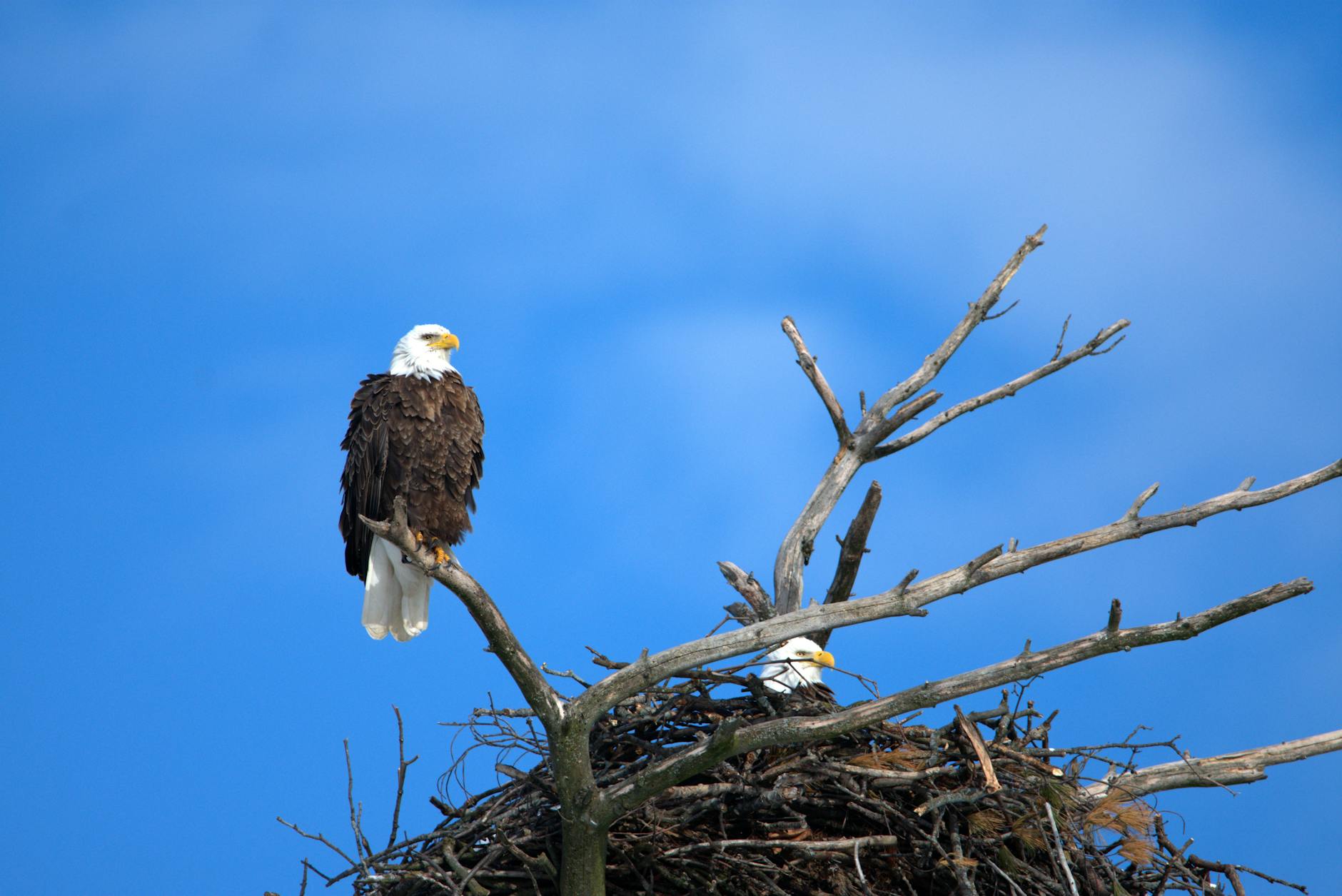
In a much-needed boost for wildlife conservation, OpenAI co-founder Greg Brockman and his wife Anna have donated $5.5 million to purchase undeveloped land near the famous Big Bear bald eagle nest. This generous gift completes a $10 million fundraising goal, securing a critical foraging habitat for beloved eagles Jackie and Shadow. The news comes as eagle Jackie remains in critical condition from an unknown illness, bringing a ray of hope to worried fans. This vital acquisition will prevent a planned development, safeguarding a pristine natural area essential for these magnificent birds and the broader ecosystem.
The acclaimed folk musical "Hadestown," based on ancient Greek myths, is now a major film. This cinematic version reunites the original Tony-winning Broadway cast, bringing the beloved story to a wider audience. Set in a 1930s American Deep South backdrop, the musical explores universal themes of love, sacrifice, and societal division. Its timeless narrative, featuring Orpheus, Eurydice, Hades, and Persephone, resonates powerfully with today's world, offering both tragedy and enduring hope.
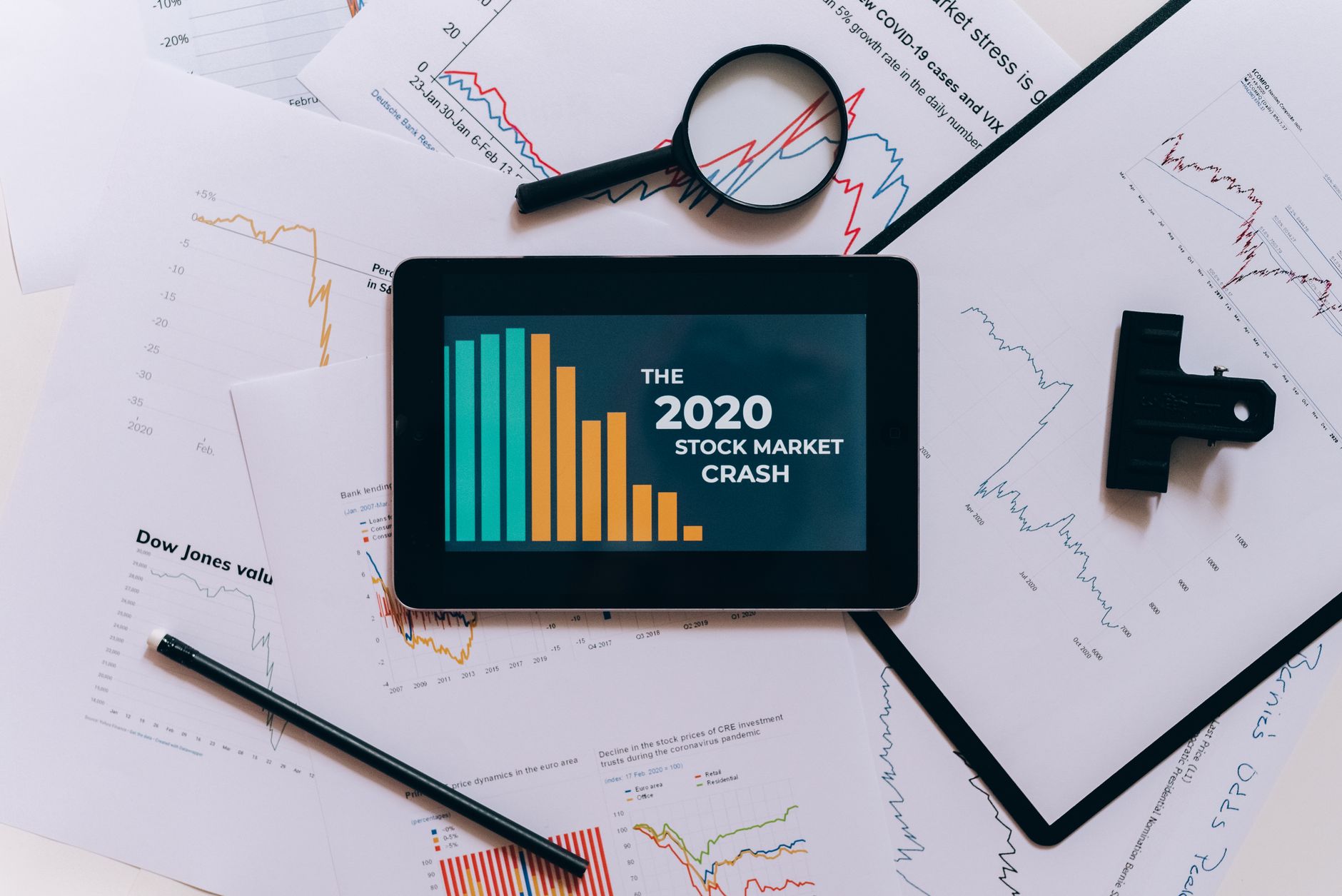
Tesla’s stock saw one of its sharpest declines recently, plummeting almost 15% and wiping out over $140 billion in market value. This significant drop followed the company's Q2 2026 earnings report, which presented a mixed picture: record revenue and vehicle deliveries, yet unexpectedly low profits. While Tesla continues to drive forward with electrification and energy solutions, investors reacted to increased spending on ambitious future projects and lingering questions about their timelines. This highlights the delicate balance between pushing innovative clean technologies and short-term financial performance.
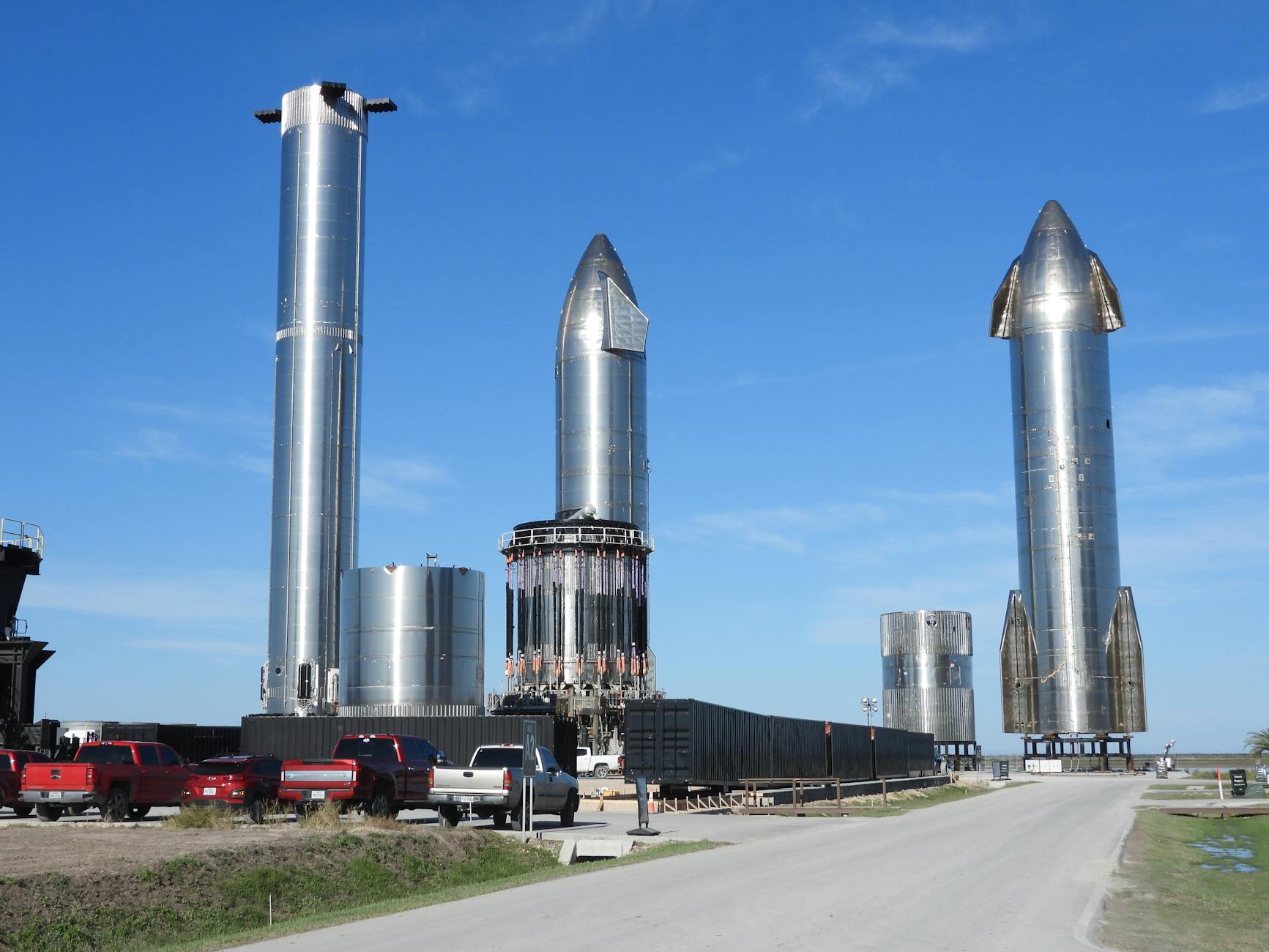
SpaceX has once again delayed its Starship Flight 13 launch, pushing it to Friday, July 24, due to weather conditions from Tropical Storm Bertha. The delay is crucial because the mission requires clear ground imagery to monitor Starship’s heat shield during its ascent through the atmosphere. This marks the second delay for Flight 13; an earlier attempt on July 16 was aborted due to engine ignition issues. The flight is significant, carrying 20 production Starlink V3 satellites and aiming to gather vital data on the heat shield, which is essential for future orbital flights.