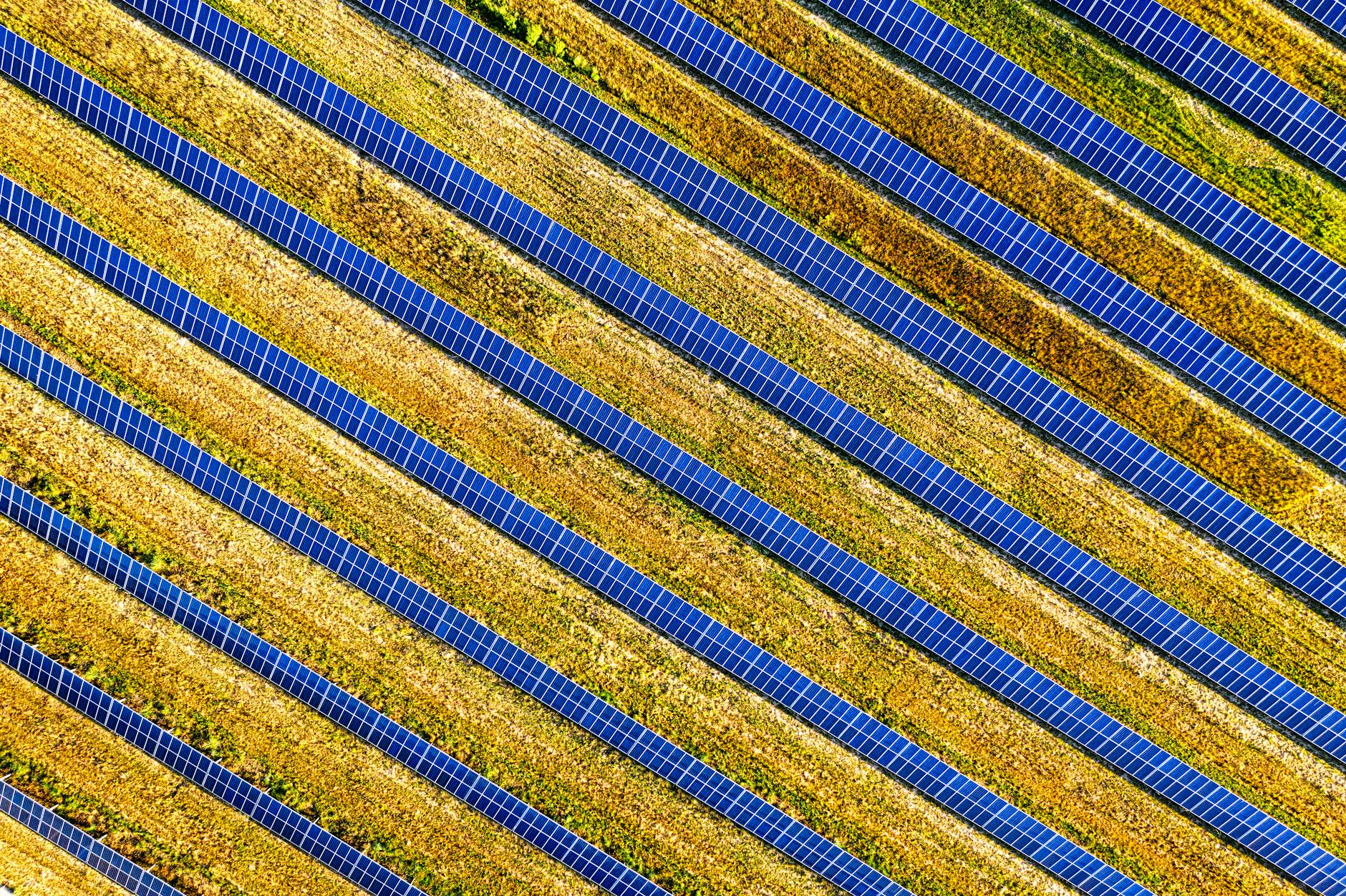
Pennsylvania, once a leader in clean energy, now struggles to keep up with solar adoption, ranking near the bottom nationally for renewable energy growth. A new report by PennFuture highlights “policy inertia” within the state legislature, which favors natural gas over increasingly affordable renewable solutions. This slow progress not only delays crucial environmental action but also exposes residents to unstable electricity prices and exacerbates the impacts of climate change, including costly extreme weather. Swift policy changes are needed to harness solar's potential and secure a cleaner, more stable energy future.
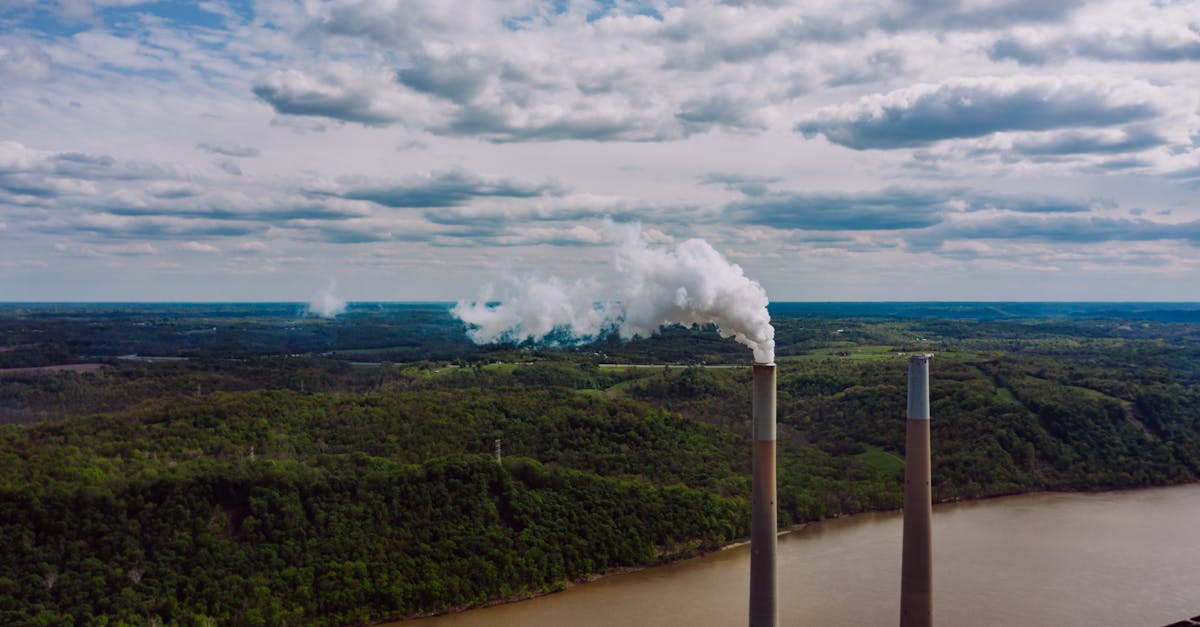
Texas is experiencing an unprecedented surge in planned gas power projects, almost entirely driven by the energy demands of new data centers. A recent report by Global Energy Monitor reveals that the state's projected gas generation has jumped 50% in just six months, marking growth beyond any country except the U.S. itself. These mega-projects could unleash over 100 million tons of greenhouse gases annually, equivalent to a mid-sized industrialized nation’s emissions, exacerbating the global climate crisis. Developers are even turning to less efficient, dirtier gas turbines, signaling a worrying step backward for environmental efforts.
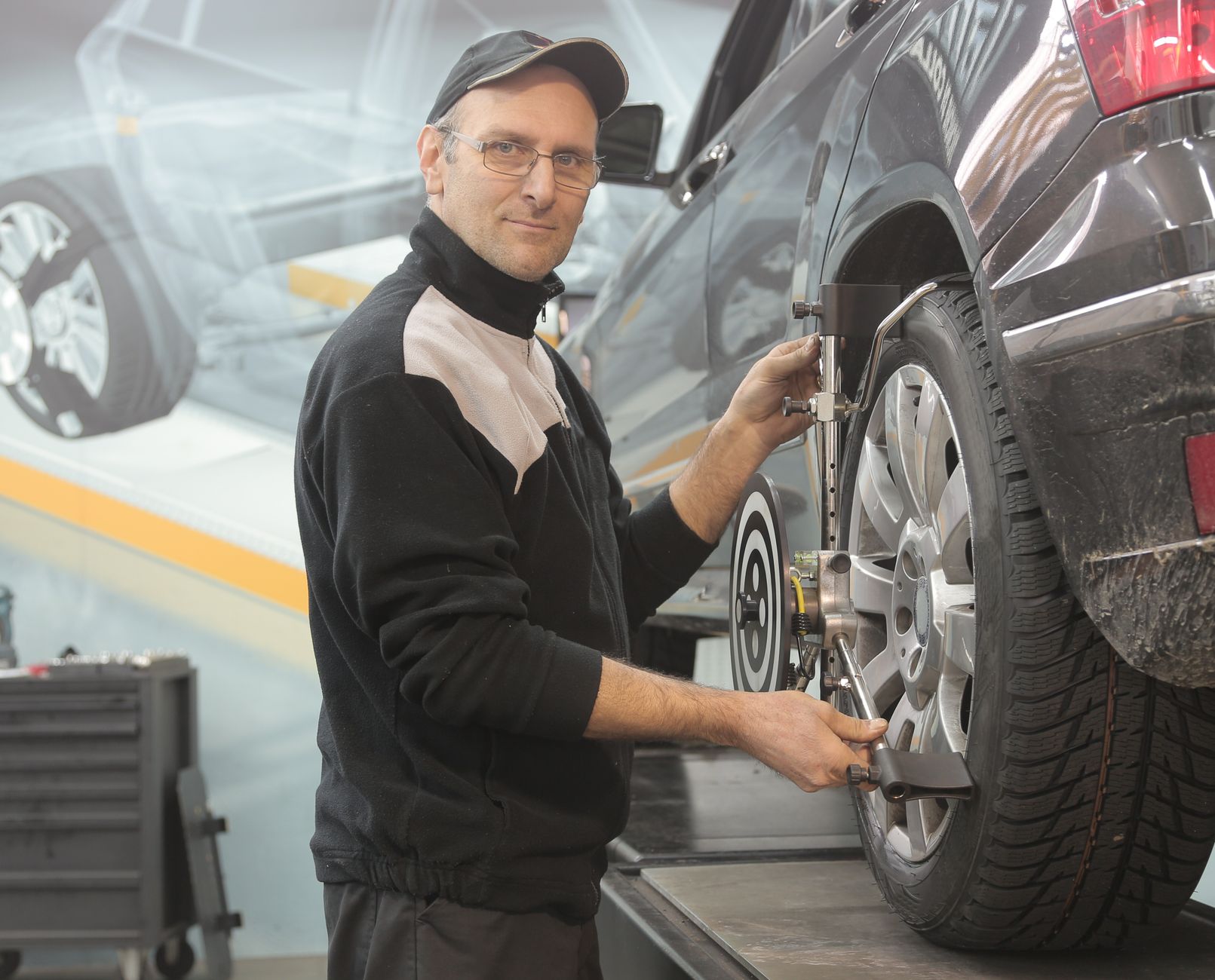
California is taking a significant step towards a cleaner future with a new rule requiring more efficient tires. Announced by the California Energy Commission, this regulation aims to reduce the greenhouse gas emissions that contribute to global warming. By making vehicles operate more efficiently, the state hopes to lessen our reliance on fossil fuels and promote sustainable driving. This move underscores California's ongoing commitment to tackling the climate crisis and encouraging environmental action across the board.
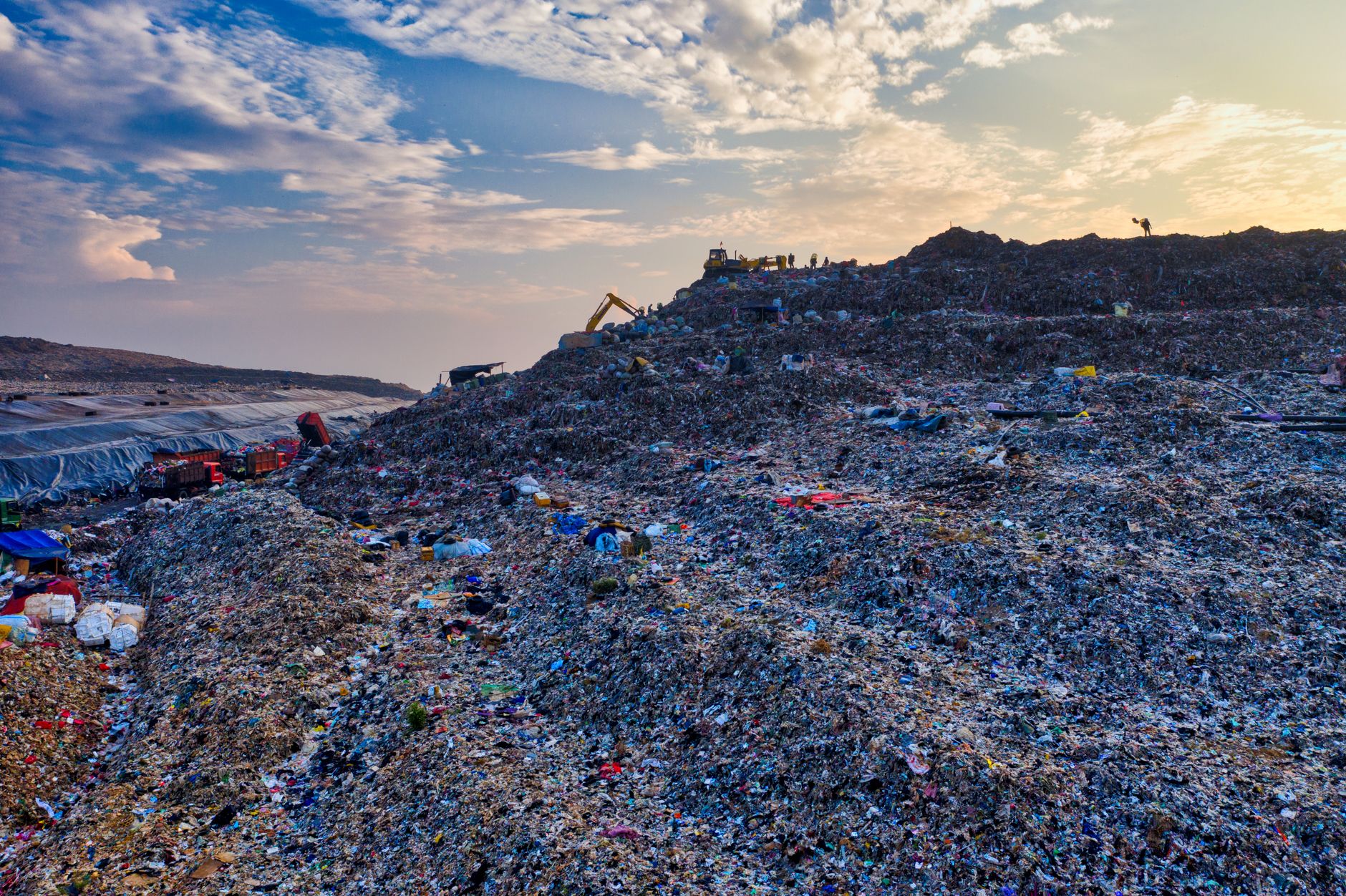
Oman is transforming its approach to waste management, turning a major environmental challenge into a powerful climate solution. The state-owned be'ah company is capturing methane gas from landfills, a potent greenhouse gas, to not only reduce harmful emissions but also generate clean electricity. This innovative strategy is helping Oman earn valuable carbon credits and power its own operations, showcasing a smart path towards sustainability and economic diversification. It represents a significant step in addressing global warming through practical, local action.
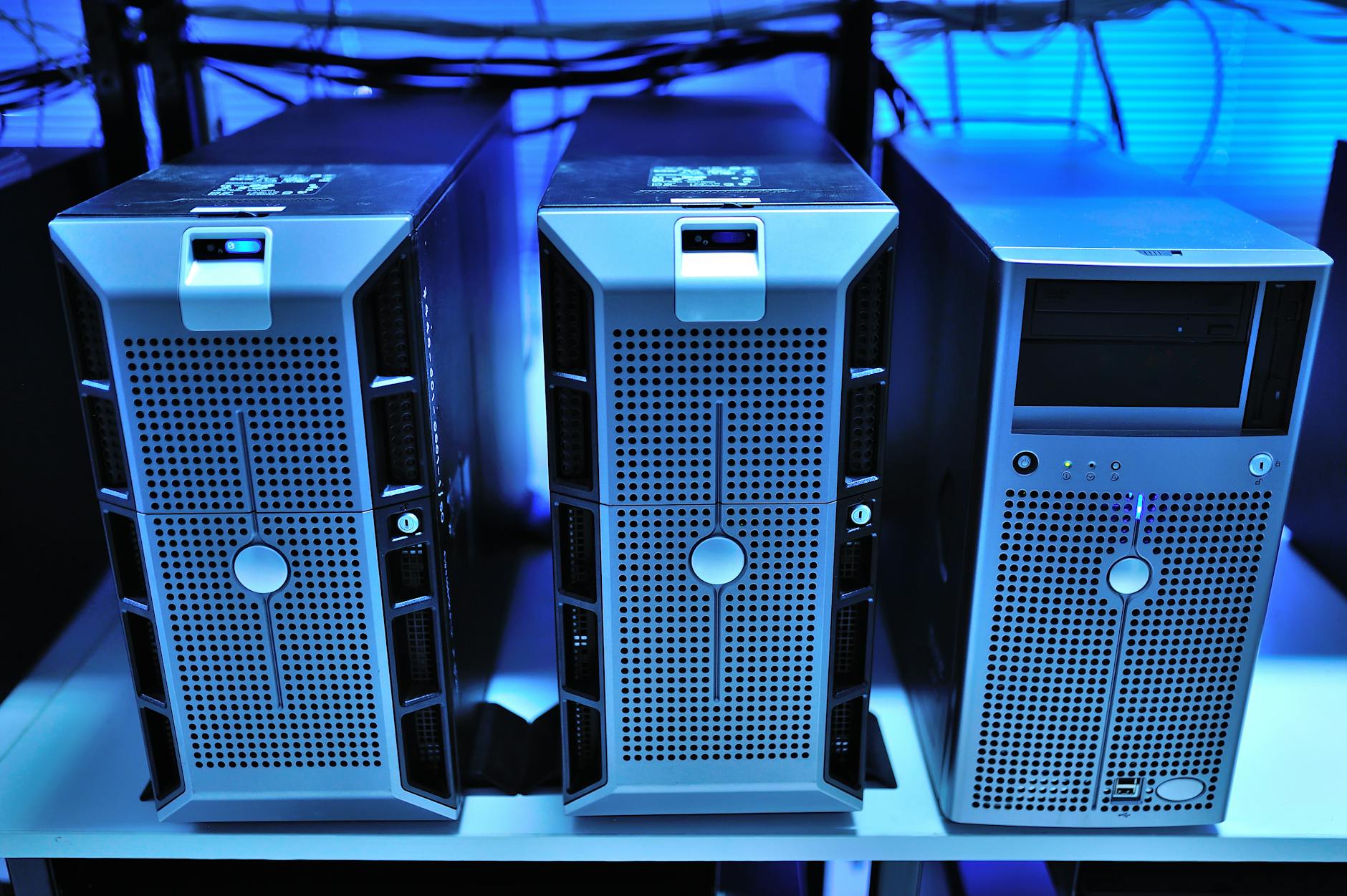
Tesla has filed a trademark for ‘MEGAPOD,’ signaling a major step in its artificial intelligence strategy. This new trademark describes self-contained, modular hardware systems designed specifically for AI computing, integrating servers, networking, power, and cooling. Similar to its Megapack energy storage units, 'MEGAPOD' could enable scalable and rapid deployment of AI infrastructure. This move aligns with Tesla's ambitious plans, including projects like "Digital Optimus" and the broader integration of AI into its vehicles and Supercharger network.
Texas grid officials are hitting the brakes on connecting new large data centers, with an audit ordered by Gov. Greg Abbott now delaying approvals until December. This significant pause impacts hundreds of projects, mostly data centers, as communities voice growing concern over their immense energy and land demands. These facilities put a considerable strain on Texas's often-challenged electric grid and local water resources. The audit aims to thoroughly vet new projects, assess their impact on neighborhoods, and gather crucial data on water usage, reflecting a crucial shift towards more responsible development in the face of environmental and community concerns.
The world's insatiable demand for digital services, especially with the rise of AI, is pushing electricity grids to their breaking point. Major data center hubs, like Virginia's, consume vast amounts of power, often relying on fossil fuel generators due to grid limitations. This surge in demand, exacerbated by heatwaves that also require more cooling, threatens energy stability and strains vital resources like water. As we strive for a sustainable future, these digital giants present a critical challenge to our environmental goals and the transition to clean energy.
Brazil is advancing climate action by consolidating its carbon credit system for sustainable aviation fuel (SAF) and strengthening rules for nature-based solutions. Meanwhile, extreme weather events continue to impact global systems. The Panama Canal adapts to El Niño's water challenges, while Europe faces severe droughts, marked by the re-emergence of ancient "Hunger Stones." These developments underscore the urgent need for global collaboration and decisive action to address climate change and ensure a sustainable future.
Tesla is officially bringing its powerful all-electric Semi truck to Europe, marking a pivotal moment for sustainable heavy-duty transport. Details will be unveiled at Germany's IAA Transportation trade fair in September, nearly nine years after its initial reveal. This expansion represents a significant step towards cleaner logistics, offering a zero-emission alternative to traditional diesel trucks. As global warming continues to urge action, electrifying freight is crucial for reducing emissions and paving the way for a greener future.
The global aviation industry is at a critical juncture, facing immense pressure to curb its carbon footprint and address its contribution to climate change. With air travel continuously growing, finding sustainable solutions is urgent. Two key strategies, the Carbon Offsetting and Reduction Scheme for International Aviation (CORSIA) and Sustainable Aviation Fuel (SAF), are emerging as vital tools to steer the sector toward a net-zero future. However, significant challenges remain in scaling up these efforts and ensuring their effectiveness, highlighting the need for accelerated action and investment.
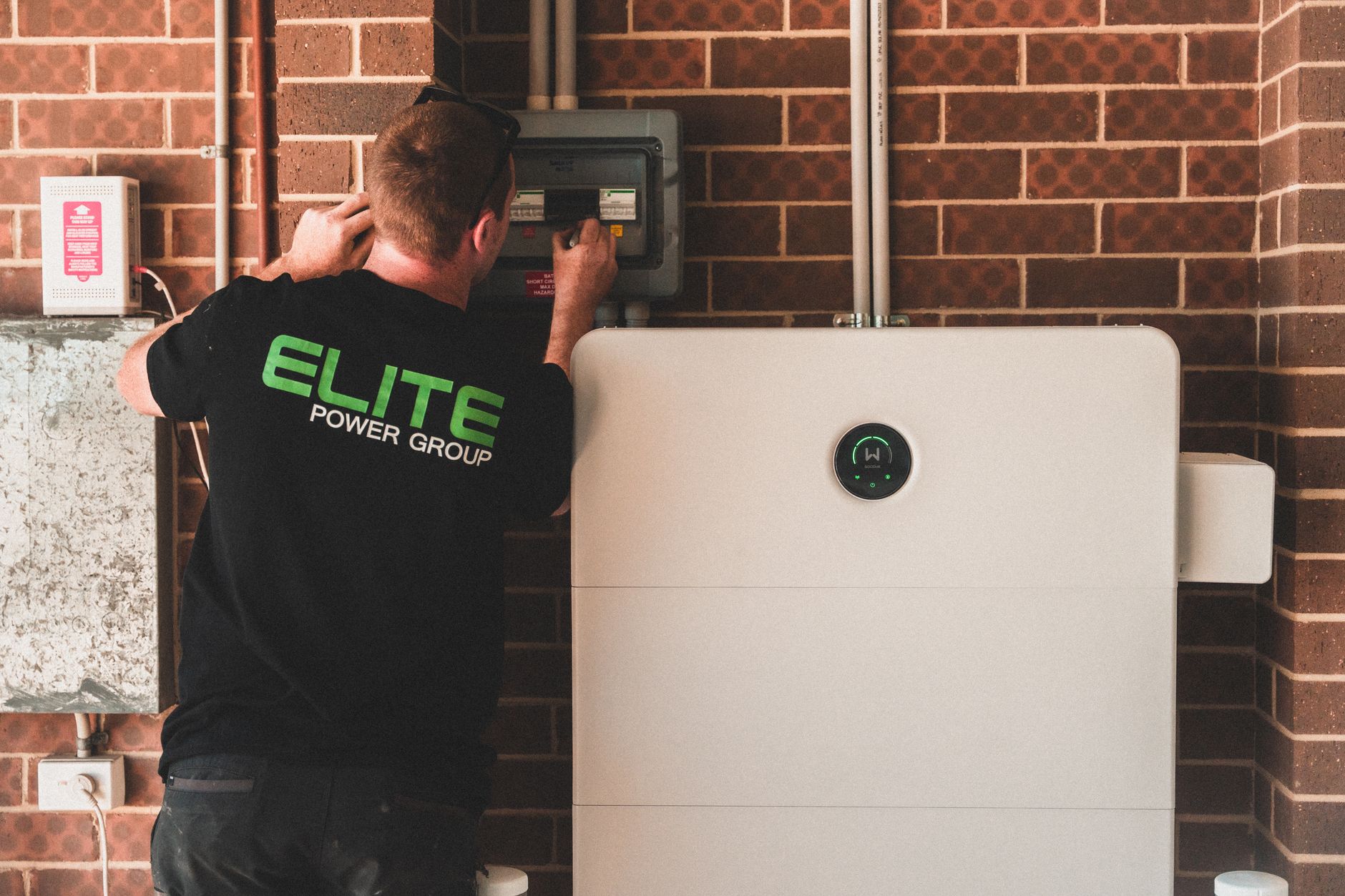
Home battery systems are quickly becoming an essential part of modern homes. They allow homeowners to store energy from rooftop solar panels or the grid, providing reliable power during outages and helping manage electricity demand. This technology not only offers financial savings by reducing bills and potentially selling excess energy back to the grid, but also plays a crucial role in strengthening our overall energy infrastructure. By embracing home batteries, we move closer to a more resilient, decentralized, and environmentally friendly energy future, crucial for tackling climate change.
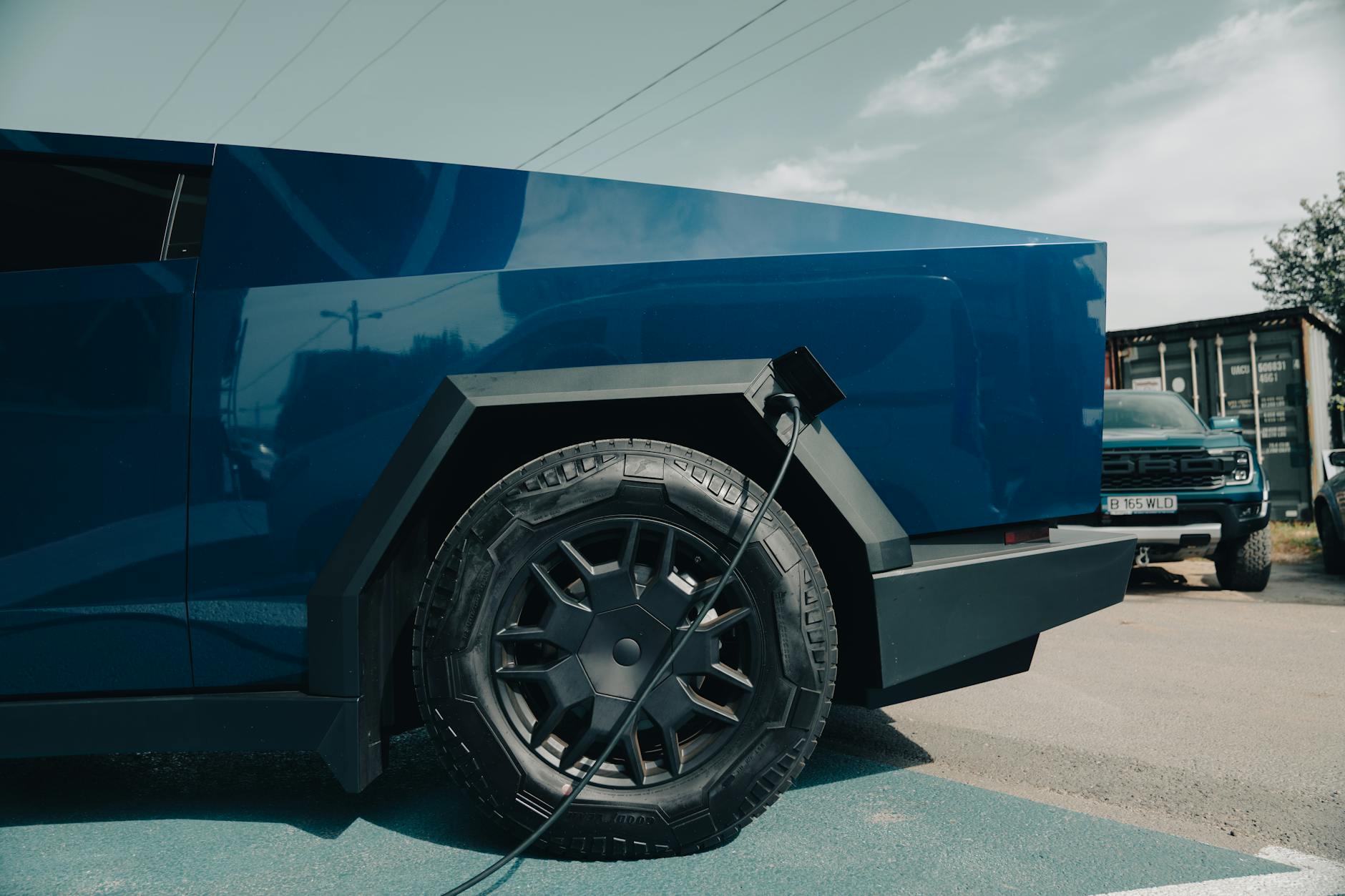
Tesla is making a strategic shift in its ambitious Robotaxi program, according to recent insights from JPMorgan analysts. Rather than heavily relying on its existing Model Y vehicles for its autonomous ride-sharing service, the company is now prioritizing the upcoming Cybercab. This dedicated two-seater vehicle, designed without a steering wheel or pedals, aims to offer a more efficient and sustainable solution for urban travel. This move signals Tesla's strong confidence in rapidly scaling its vision for a cleaner, self-driving future.