Sheila McNeil, a Democratic candidate for Alabama's Public Service Commission (PSC), is suing the state over a new law passed just weeks before the general election. This legislation significantly alters the PSC, expanding it from three to seven seats and making it much harder to challenge utility rates set by companies like Alabama Power. The changes, enacted amidst public concern over soaring energy bills and after similar shifts in neighboring Georgia, are seen by critics as an attempt to diminish the commission's power. McNeil argues these last-minute reforms undermine voters and candidates, impacting the future of fair energy oversight.
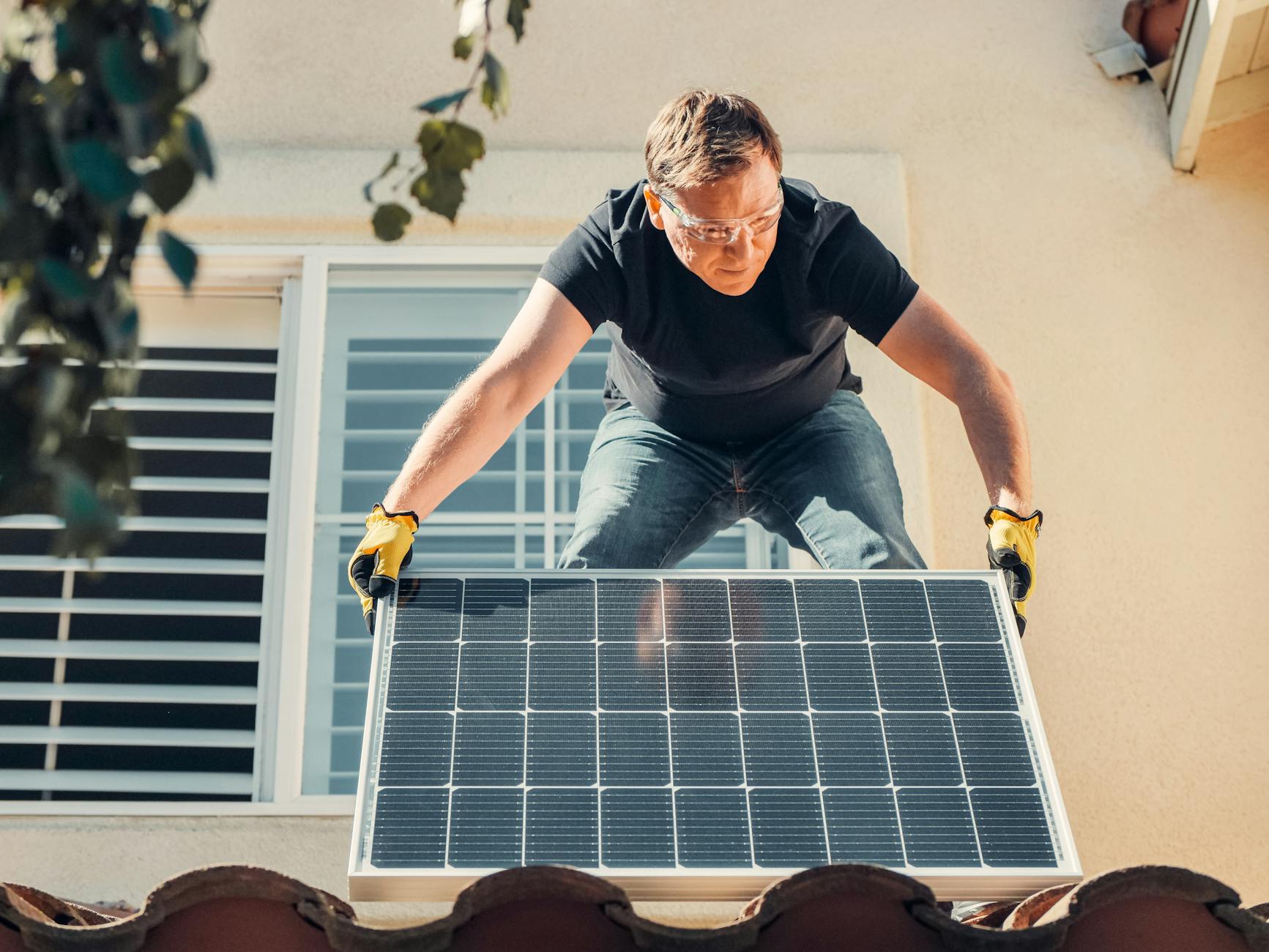
As U.S. electricity prices have climbed by about 30% since 2020, many households are seeking relief from surging utility bills. A groundbreaking solution, dubbed 'balcony solar,' is emerging to empower individuals to generate their own clean energy. These easy-to-install, lightweight solar panels offer a simple, plug-and-play way for renters and homeowners alike to cut costs and contribute to a greener future. This accessible technology is poised to democratize the clean energy transition, making sustainable power a reality for more people.
Power outages pose significant dangers, especially for people with disabilities who rely on electricity for crucial medical equipment, refrigeration of medicines, or mobility devices. Many lack emergency backup power due to cost and limited information, leaving them vulnerable during crises. In response, an Oregon-based nonprofit, Upstream Access, is stepping in by providing free, personalized solar-powered devices. This initiative offers a sustainable lifeline, ensuring people can stay safe and connected when extreme weather events disrupt the grid, highlighting the urgent need for resilient, clean energy solutions.
BBVA is rapidly accelerating its sustainability efforts, having achieved its earlier eco-efficiency goals two years ahead of schedule. The bank now powers nearly all its global operations, 99%, with renewable electricity. With a new 2026-2030 roadmap, BBVA aims for 100% clean energy and is channeling significant funds into sustainable projects. This commitment underscores the crucial role financial institutions play in driving the global transition to a cleaner, more sustainable economy.
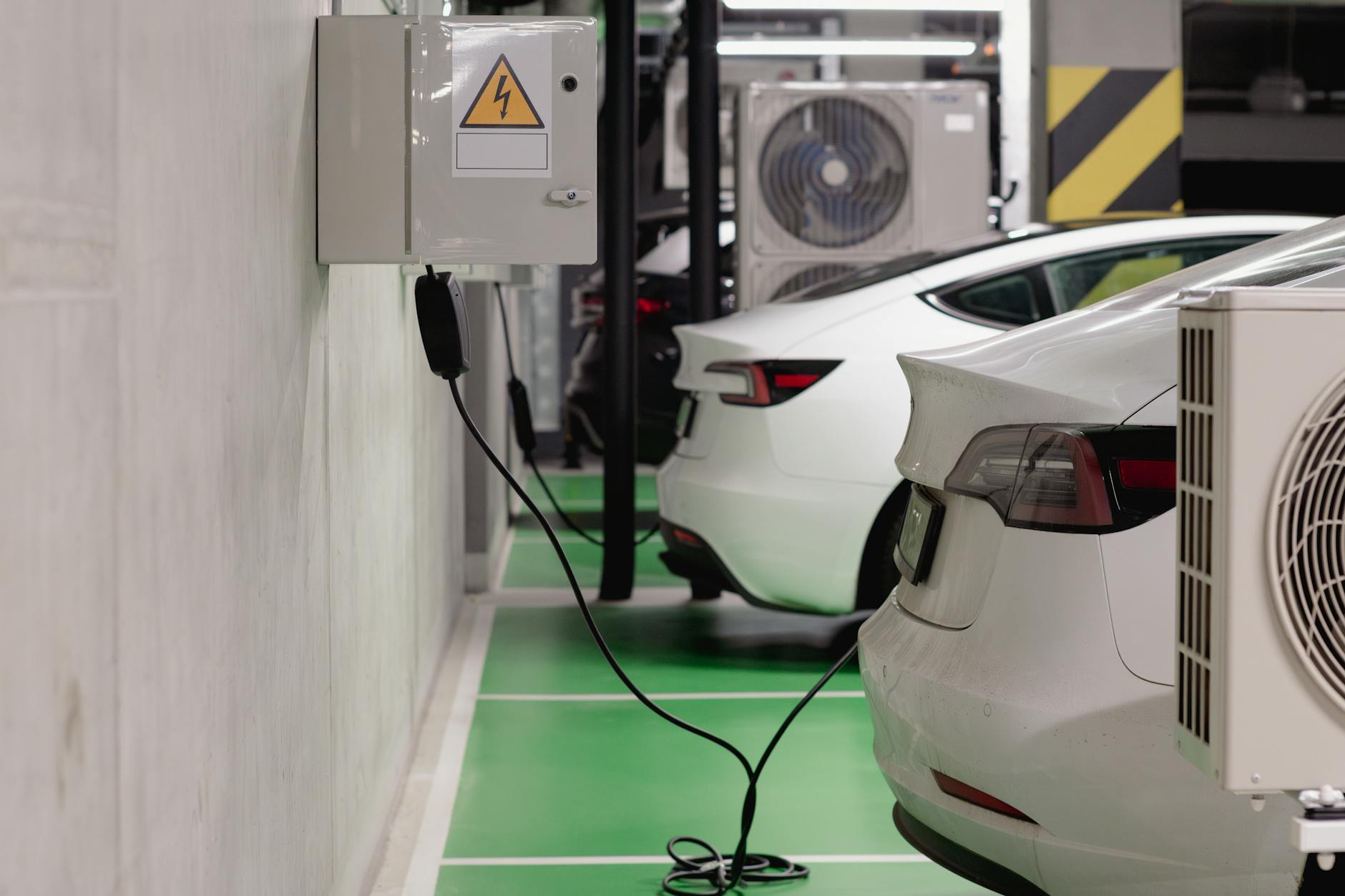
Electric vehicle sales in China and Europe have reached a crucial "tipping point," signaling an irreversible move away from traditional petrol and diesel cars. New research highlights how EV sales are rapidly increasing while conventional car sales decline, a clear sign that electrification is becoming self-sustaining. This swift transition is a positive step for reducing transport emissions and combating global warming. However, experts warn that even this accelerated pace might not be fast enough to meet urgent climate objectives.
Artificial intelligence is dramatically increasing global electricity demand, projected to more than double by 2030, according to the International Energy Agency (IEA). This surge, combined with ongoing government efforts for decarbonization, is propelling the clean energy sector into a new phase of growth. Investments in sustainable solutions like renewables and electrified transport reached a record $2.3 trillion in 2025, as estimated by BloombergNEF. This dual-driven demand highlights an urgent need for reliable, scalable, and lower-carbon power, making electrification key to both technological advancement and environmental protection.
Millions of tons of perfectly good fruits and vegetables are wasted globally each year, often discarded due to minor imperfections or market gluts. This unnecessary waste not only depletes resources but also contributes significantly to climate change when food breaks down in landfills, releasing potent methane gas. University of Arizona researcher Goggy Davidowitz has pioneered an innovative solution: solar drying towers. These towers efficiently preserve surplus produce, turning potential waste into valuable resources like packaged food or animal feed. This simple, sun-powered technology offers a powerful way to reduce our carbon footprint and build a more sustainable food system.
California is facing a critical turning point as the last major oil shipment from the Persian Gulf docks in Long Beach. This arrival marks the end of a vital supply line, severed by conflict in the Middle East and subsequent shipping blockades. The state must now figure out how to replace approximately 200,000 barrels of oil daily, raising concerns about potential shortages and soaring gasoline prices, which are already topping $6 per gallon. This urgent situation highlights California's vulnerability to global conflicts and underscores the pressing need to accelerate its transition to cleaner, more secure energy sources like electrification.
Also, a new company spun off from electric vehicle maker Rivian, is reimagining e-bikes with a focus on advanced software and adaptability. Their flagship e-bike, the TM-B, boasts features like screens, over-the-air updates, and customizable components, aiming to offer a single bike for various uses from city commutes to mountain trails. This innovative approach seeks to bring the high-tech, software-driven experience of modern electric cars to smaller, sustainable personal transportation. As cities increasingly restrict traditional vehicles and embrace cleaner options, these electric solutions could play a vital role in reducing our environmental footprint and improving urban air quality.
The global landscape for climate action is rapidly evolving, with significant strides in carbon markets and energy transition efforts. The World Bank is backing new carbon pricing instruments in emerging economies like Guinea and Moldova, while the ISO works to standardize carbon credit data for greater transparency. Africa is calling for concrete implementation of climate goals and a stronger presence in carbon markets ahead of COP32. Meanwhile, Japan is launching a mandatory emissions trading system, covering 60% of its national emissions, underscoring a worldwide push towards a sustainable future.
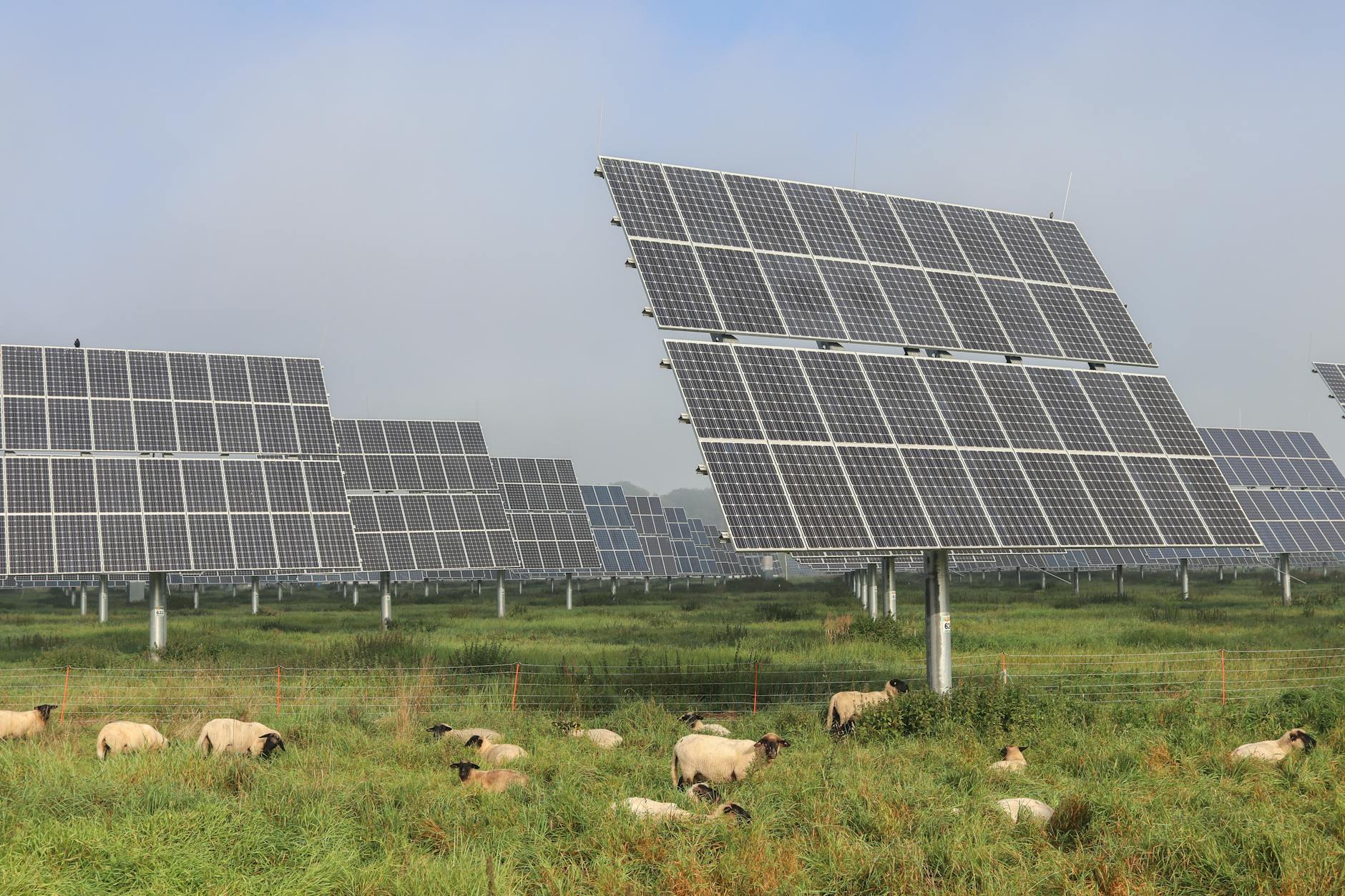
In a groundbreaking move, a solar farm in central Tennessee is showcasing a new frontier in sustainable energy: grazing cattle directly under solar panels. Silicon Ranch's innovative project in Christiana aims to prove that large herds can thrive on these "solar ranches," offering a win-win solution for farmers and the environment. This approach promises clean electricity to meet rising demand, especially from data centers, while helping farmers keep their land productive and profitable. It’s a compelling step towards a future where renewable energy and agriculture work hand-in-hand, significantly reducing carbon emissions.
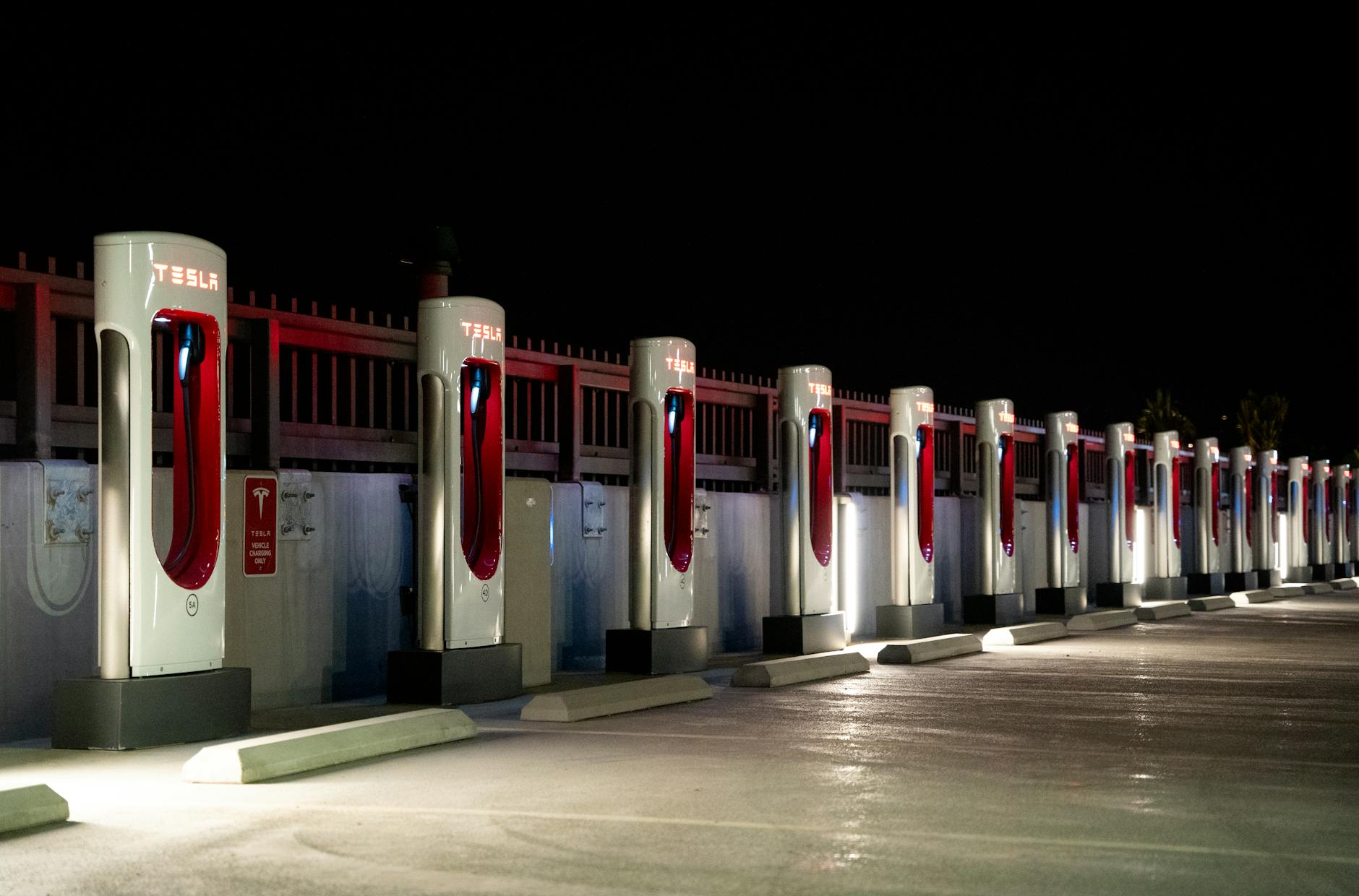
The Southeast's largest gathering of Tesla and EV enthusiasts, the Chattanooga Charge, is set to electrify the Tennessee Riverpark from March 20-22, 2026. This highly anticipated event promises an unforgettable experience, showcasing groundbreaking EV technology and a vibrant community. It's a prime opportunity for attendees to witness over a hundred customized Cybertrucks and celebrate the accelerating shift towards sustainable transportation and a cleaner future.