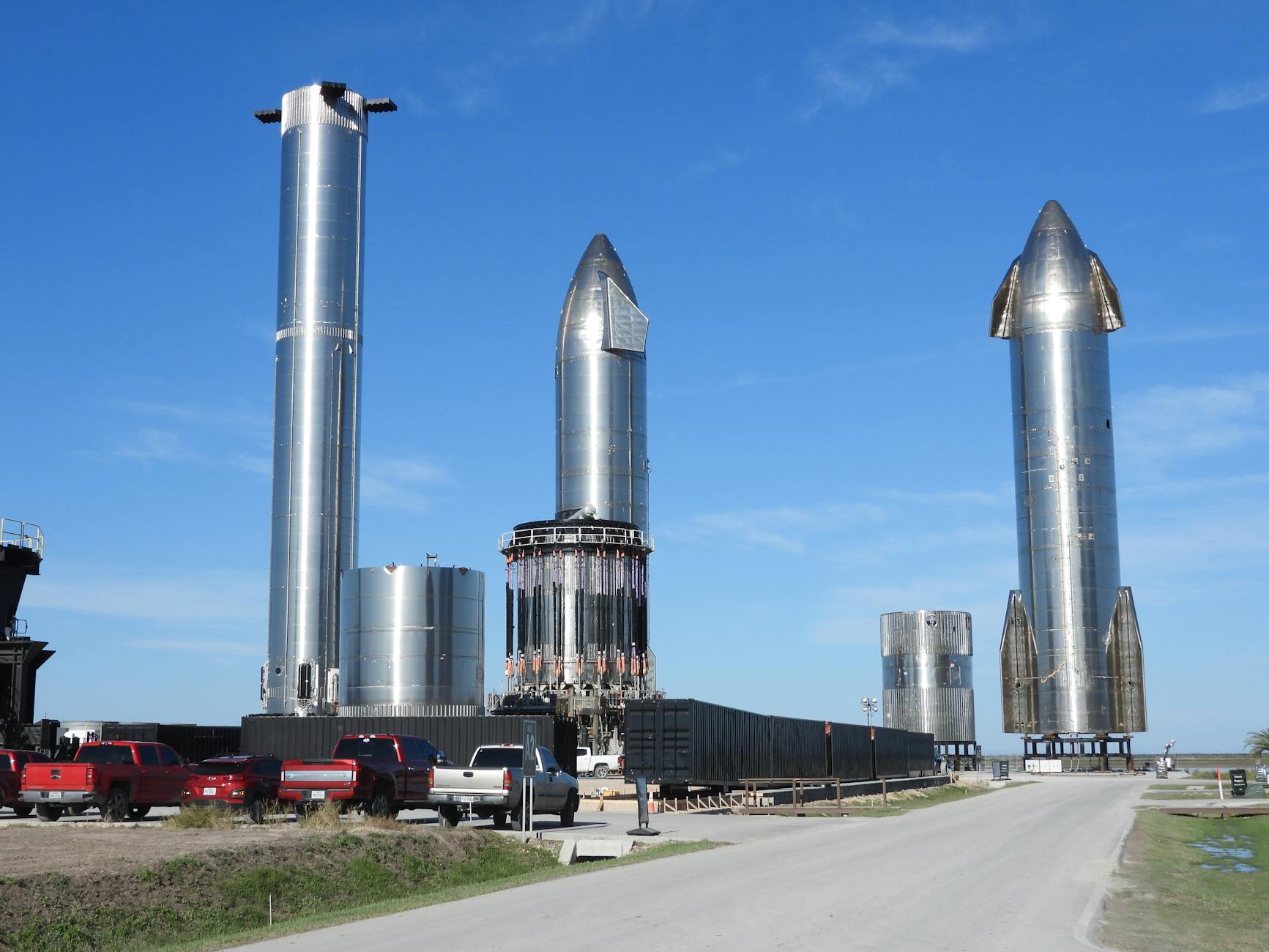
SpaceX's Starship is gearing up for its fourteenth test flight, marking a significant departure from previous missions. For the first time, Starship aims to reach Earth orbit, a crucial step after numerous suborbital tests. This ambitious flight also plans to deploy a new batch of Starlink V3 satellites, promising a major boost in internet capacity. The mission signifies a pivotal moment for Starship as it transitions from a test program to a system designed for operational use and future space travel.
Global efforts to tackle climate change are advancing on multiple fronts, with new methodologies for clean cooking projects and international agreements solidifying carbon credit frameworks between nations like Japan, India, and Costa Rica. Meanwhile, Europe's recent "summer of truth" starkly highlighted the escalating impacts of global warming, prompting urgent calls for increased resilience and preparedness. Scientific research, such as insights from Galápagos corals, further underscores the accelerating pace of climate phenomena and the critical need for immediate action and sustainable solutions worldwide.
SpaceX's Starship is gearing up for its most ambitious flight yet: its first journey into orbit around Earth. Scheduled for September 22, this Flight 14 mission aims to push the boundaries of reusable space travel, building on crucial heat shield tests from previous attempts. This milestone launch also plans to deploy a new batch of Starlink V3 satellites, promising a significant boost in global internet capacity. If successful, this mission marks a pivotal step from testing to regular operational flights for Starship.
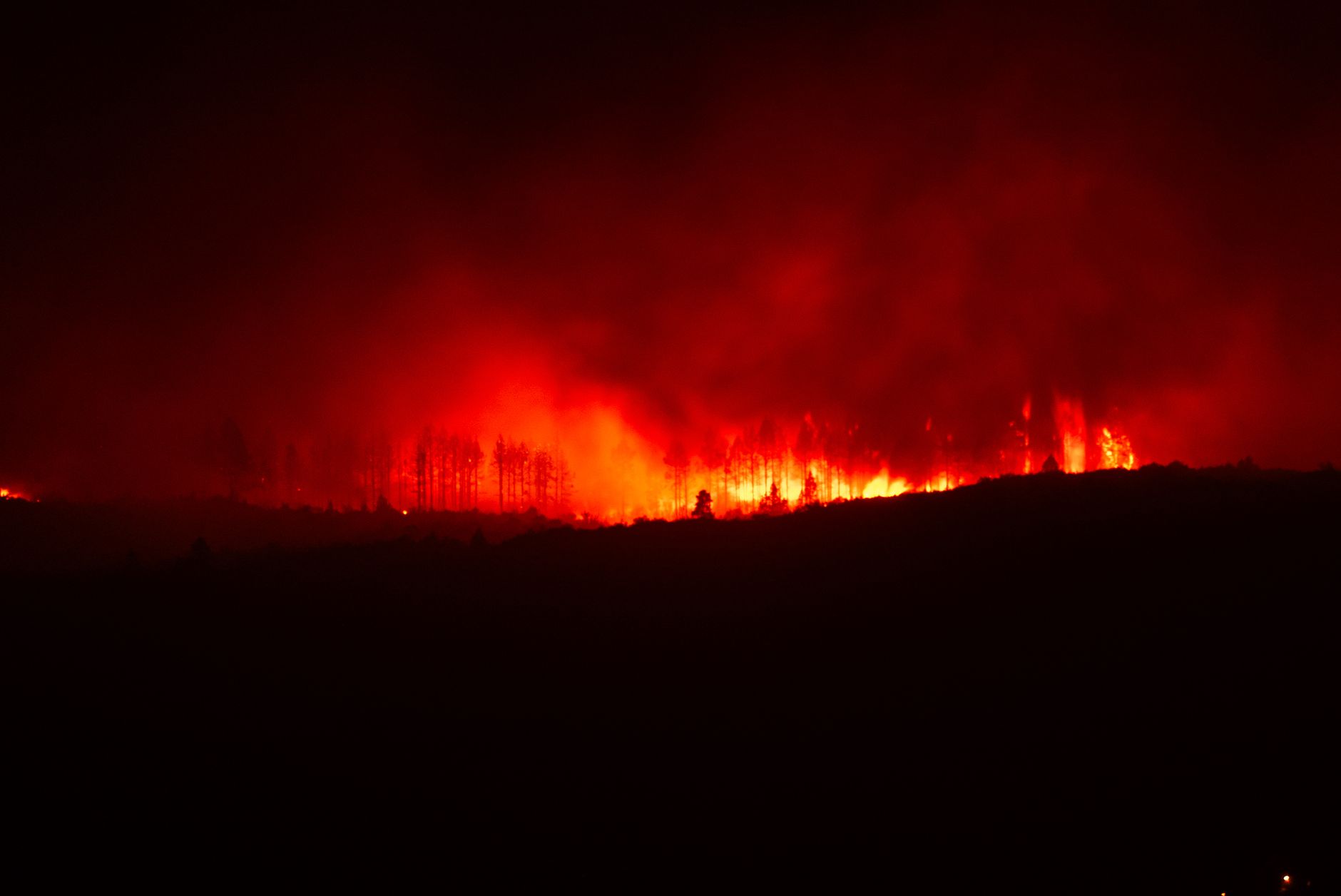
This past summer brought a harsh "summer of truth" to Europe, with devastating wildfires, crop losses, and over 35,000 heat-related deaths, underscoring the urgent need for climate action. As Europe grapples with warming at double the global rate, leaders are pushing for new resilience strategies. Meanwhile, global efforts to combat climate change are advancing, with new rules bolstering carbon credit projects for clean cooking and strengthening international cooperation through mechanisms like the JCM. Scientific research from Galapagos corals also reveals a troubling increase in strong El Niño events, signaling the profound impact of human activity on our planet's delicate systems.
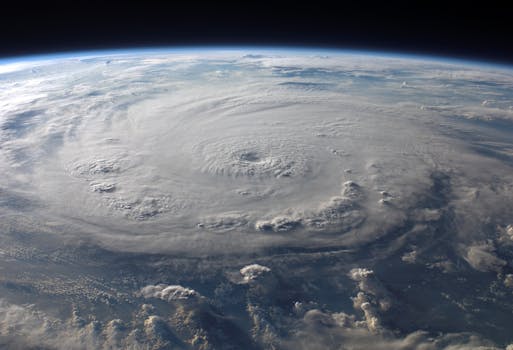
The Pacific Ocean is bracing for Tropical Storm Odalys, which is quickly gaining power and expected to become a hurricane by Monday. While currently far from land, this development highlights the dynamic and unpredictable nature of our climate system. Meanwhile, a second tropical storm, Fay, has formed in the Atlantic but poses no immediate threat to coastal regions. These recurring weather events serve as a potent reminder of the escalating urgency for robust climate action and sustainable solutions to protect our planet and communities.
The Atlantic hurricane season is making headlines for its extraordinary calm. As Tropical Depression Six forms southwest of the Azores, forecasters predict it will likely remain over open waters. This new system arrives in an Atlantic basin that has seen a record-low number of hurricanes, marking the latest date in the modern satellite era without a single hurricane. Meanwhile, the Eastern and Central Pacific regions are experiencing a highly active season, showcasing a stark contrast in global storm patterns this year.
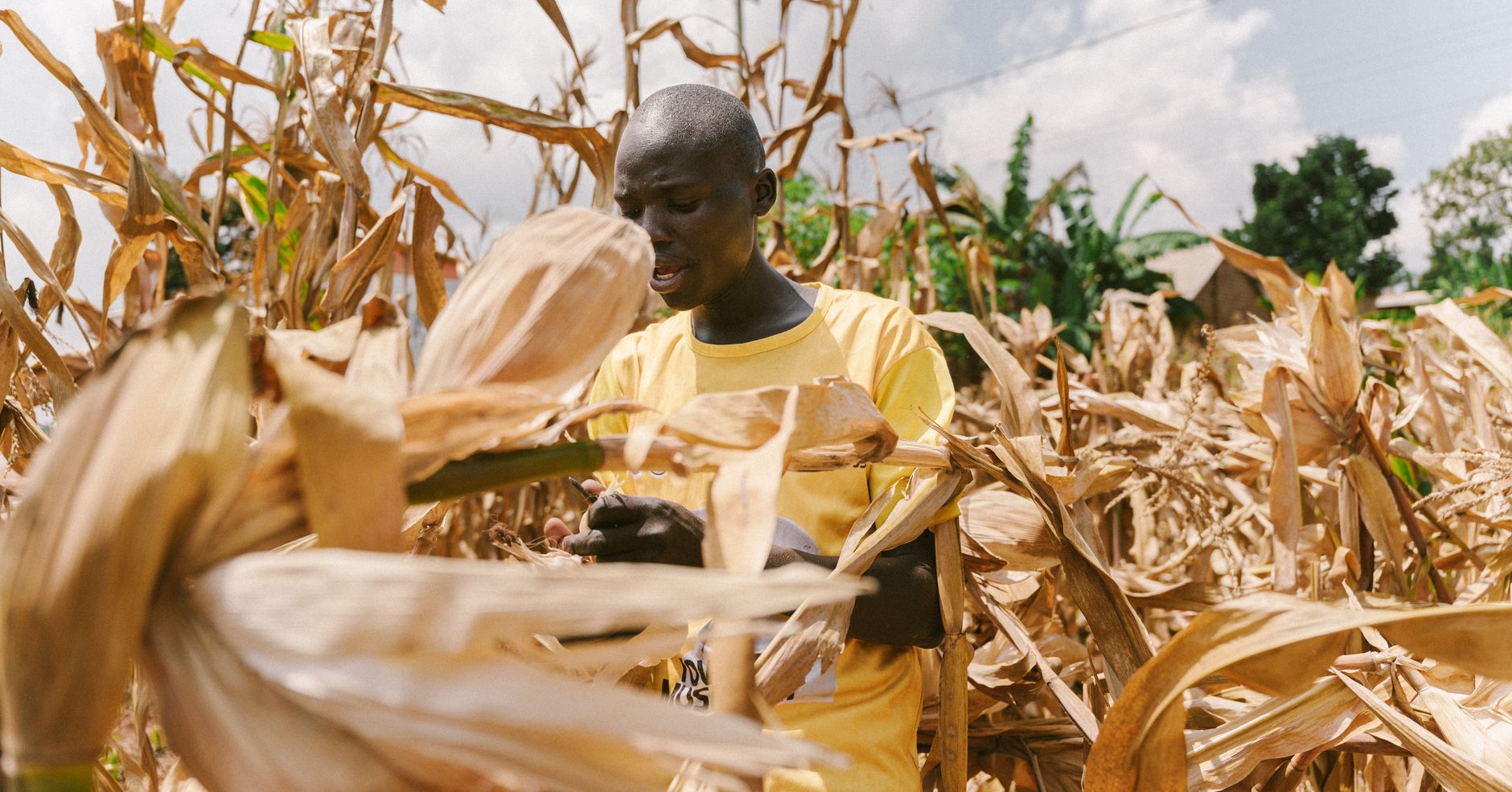
As extreme weather events like intense droughts and heavy rains batter farmlands, farmers are desperately seeking innovative ways to protect their crops and livelihoods. A promising solution is emerging in perennial grains, such as Kernza, which don't require replanting each year. These resilient crops offer vital support against climate unpredictability, helping to stabilize farming operations while offering significant environmental benefits. However, widespread adoption still faces hurdles, from ongoing research to market development. This shift holds the potential for a more sustainable future in agriculture, crucial for our planet.
SpaceX is targeting September 22 for a landmark Starship mission, aiming for its first orbital flight. This significant step marks a crucial shift for the reusable spacecraft, moving beyond its previous suborbital test program. The flight from Starbase in South Texas plans to send Starship into Earth's orbit for approximately ten hours, culminating in a splashdown in the Pacific Ocean. Crucially, this mission also intends to deploy a batch of Starlink V3 satellites, potentially boosting global internet bandwidth. This flight builds on prior successes, showcasing SpaceX's confidence in Starship's evolving design.
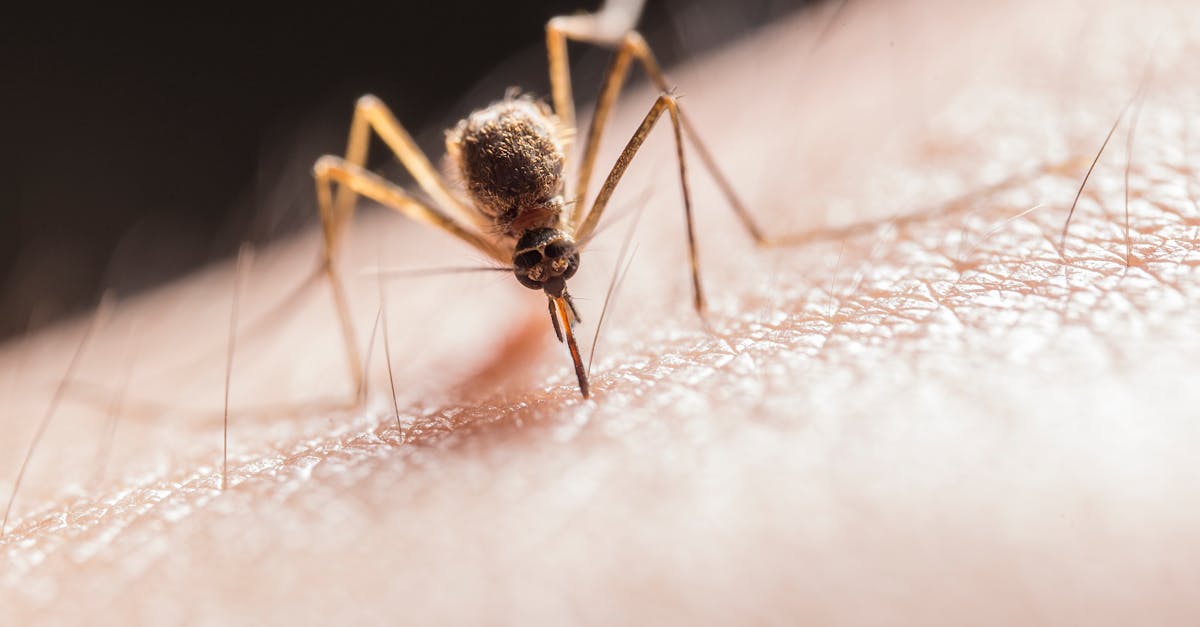
Italy is seeing a concerning rise in West Nile virus cases, with over 650 infections reported this year, making up half of Europe's total. This increase is largely attributed to rising temperatures and longer warm seasons, which create ideal conditions for mosquitoes to reproduce and spread the virus over wider areas and for more months. Experts are highlighting the urgent connection between a warming climate and the expansion of mosquito-borne diseases, signaling a critical public health challenge across Europe. This situation underscores the direct impacts of global warming on human health and the environment.
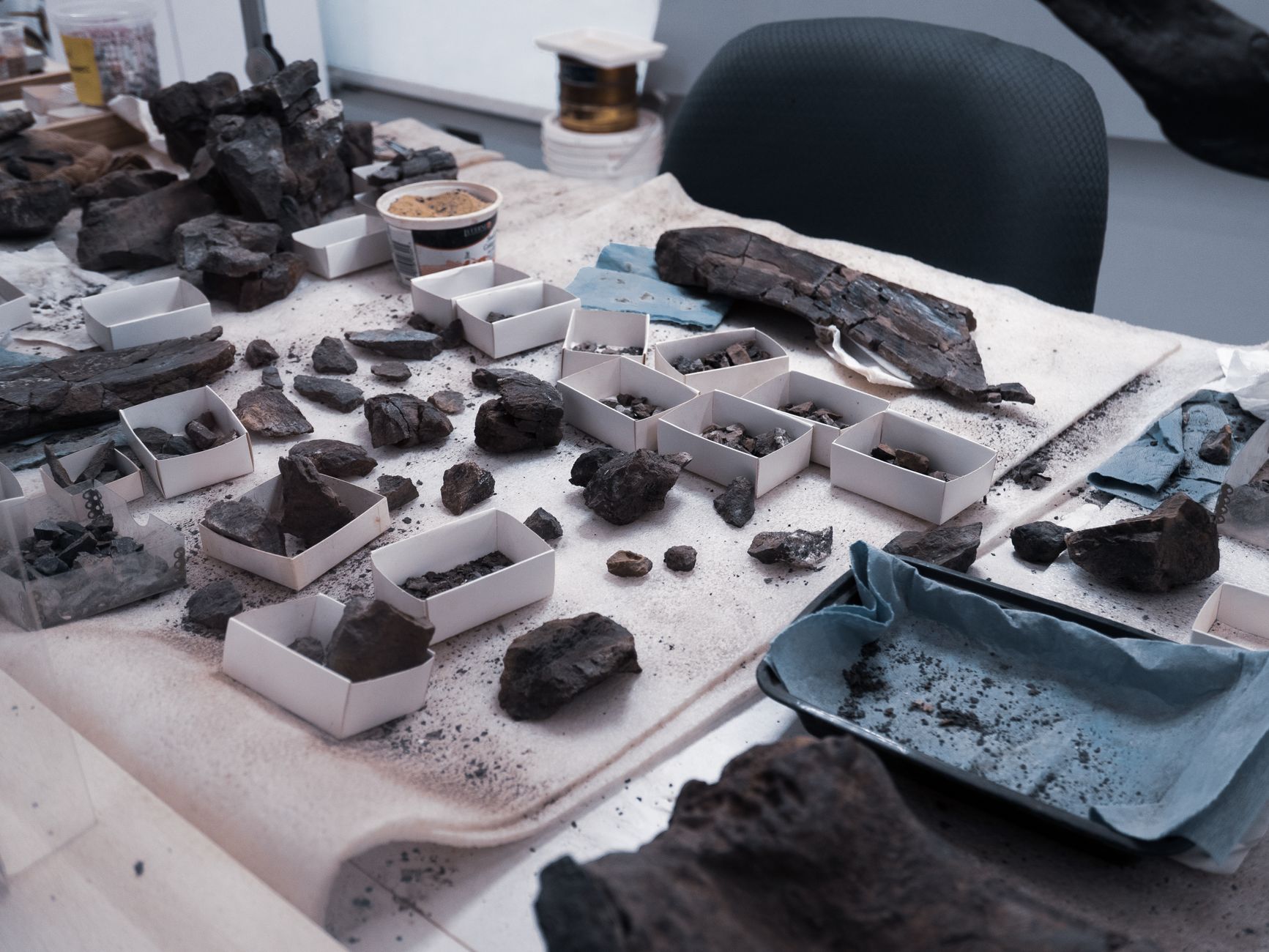
Last October, the remnants of Typhoon Halong wreaked havoc in Western Alaska, causing widespread flooding and revealing thousands of ancient Yup'ik artifacts near Quinhagak. This dramatic event highlighted the accelerating threat of climate change, as thawing permafrost and coastal erosion expose precious cultural heritage to the Bering Sea. Archaeologists, in partnership with the local community, are now in a desperate race against time to recover these 400-600-year-old objects. These artifacts offer an irreplaceable link to the past, showcasing the resilience and ingenuity of Alaska Native culture before Western contact, making their preservation crucial for future generations.
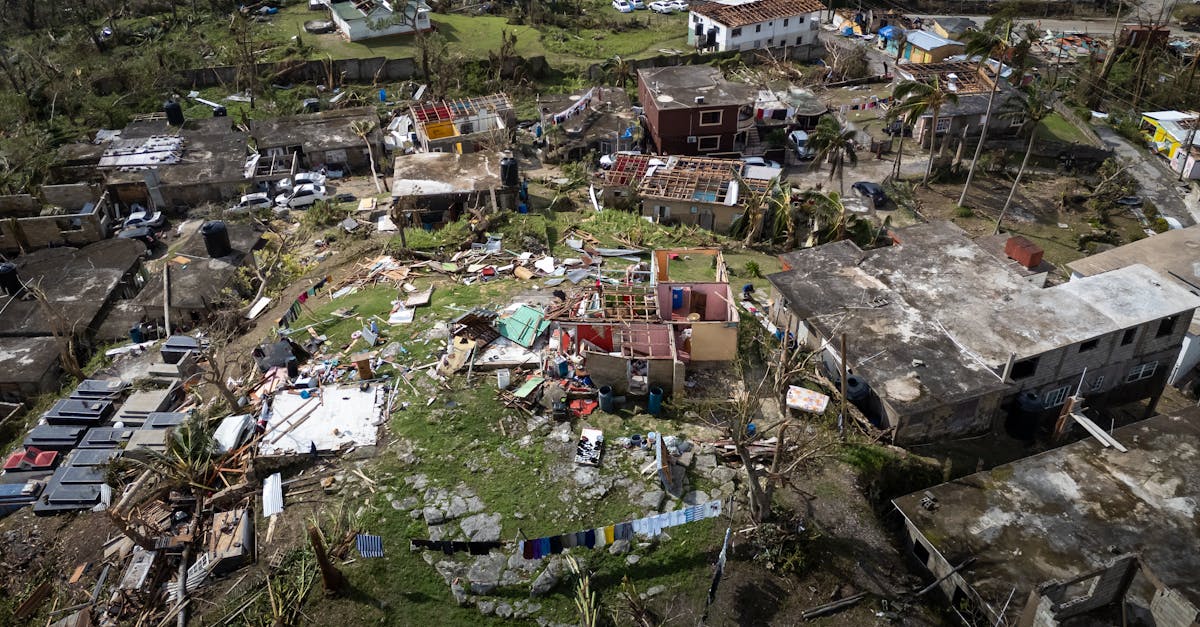
A devastating hurricane like the one that struck Miami in 1926 could unleash unprecedented economic chaos today, with estimated damages soaring past $280 billion. This staggering figure would make it the costliest weather disaster in history, far exceeding Hurricane Katrina. The dire forecast is driven by explosive population growth, extensive coastal development, and the intensifying impacts of climate change, including rising sea levels and more powerful storms. Urgent action is needed to prepare and mitigate future risks in vulnerable coastal communities.
The United Nations warns that current climate policies are pushing Earth beyond the critical 1.5 degrees Celsius warming target set by the Paris Agreement, potentially reaching 1.8 degrees. This comes as the world experiences record heatwaves, devastating floods, and widespread climate impacts. Climate scientist Michael Mann, in an interview on Living on Earth, likens this warming to a dangerous "fever" for our planet, emphasizing that serious consequences are already here. We must limit further warming to prevent catastrophic future scenarios. Mann, author of "Science Under Siege", makes clear that rapid decarbonization is essential for our collective future.