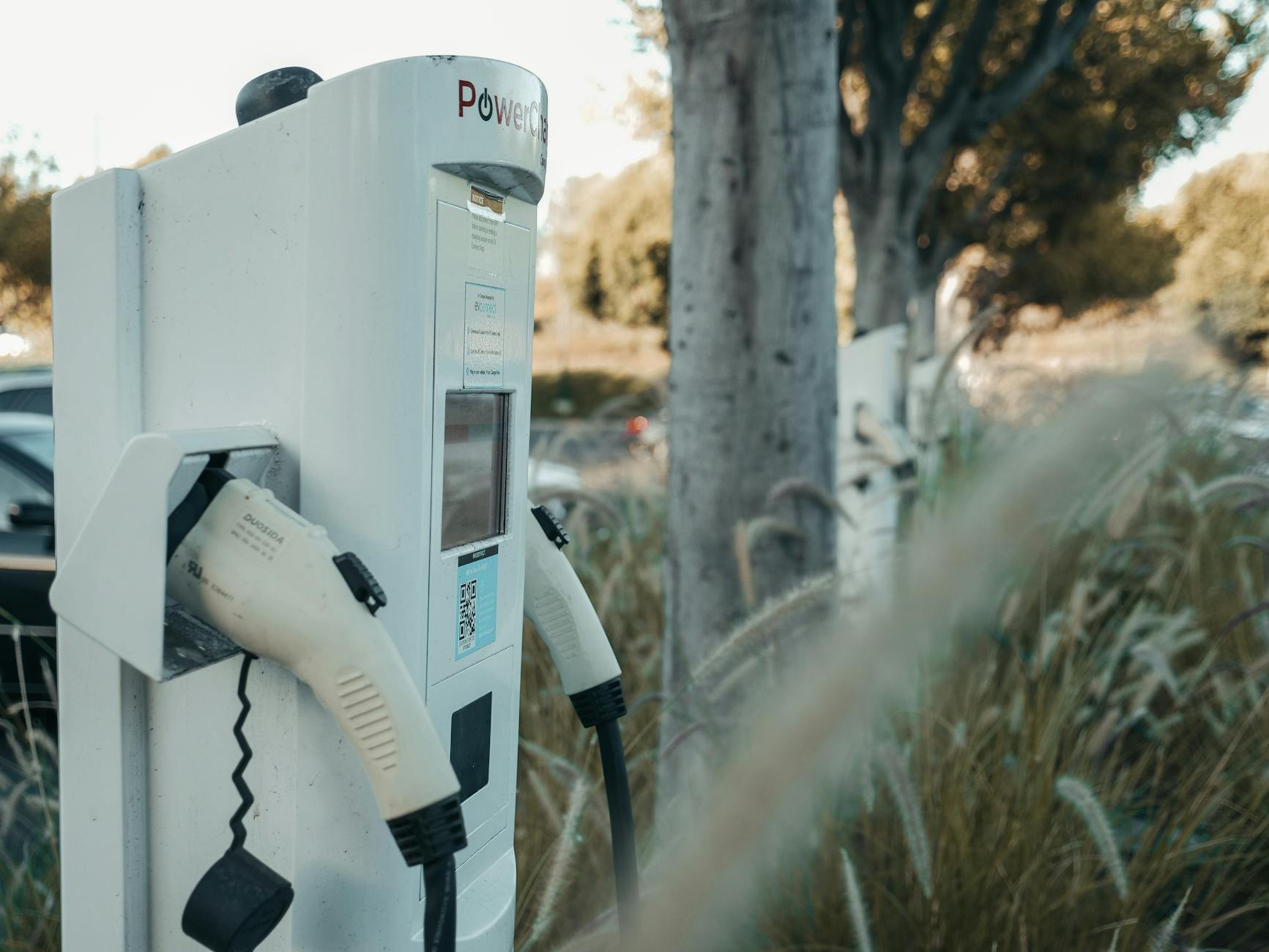
California is forging ahead with its electric vehicle (EV) transition, expanding charging infrastructure and increasing EV sales despite significant federal efforts to slow progress and promote fossil fuels. This determination is crucial for the state's ambitious climate goals, including achieving carbon neutrality by 2045. With transportation accounting for about half of its greenhouse gas emissions, California's sustained push for electrification is vital for environmental protection and public health.
CATL's Jianxiawo lithium mine, crucial for electric vehicle batteries, has lost its environmental approval in China, halting operations once more. This significant setback for China's largest planned lithium mine comes amid growing global demand for lithium, a key component in clean energy technologies. Concerns surrounding environmental management and tailings facilities are central to the delay, underscoring the importance of responsible resource extraction. The prolonged shutdown threatens to reduce expected lithium supply, potentially impacting the world's transition to a sustainable, electrified future. This situation highlights how vital environmental stewardship is for securing the resources needed for global climate action.
Extreme heat waves, intensified by climate change, are increasingly overwhelming emergency rooms, leading to a surge in patients with dehydration, kidney issues, and even mental health crises. A new study reveals that as many as one in ten ER visits during recent heat waves were heat-related, putting immense strain on hospital resources. Researchers are now exploring how near real-time health data can help hospitals better prepare and allocate vital resources, offering a crucial step in adapting to our warming world and protecting public health.
For years, we've been told to eat fatty fish like salmon for its heart-healthy Omega-3s. However, new research from USDA scientists suggests that farmed salmon, which makes up nearly 70 percent of global consumption, now contains significantly lower levels of these vital nutrients. This decline is linked to a major shift in the fish's diet, moving away from smaller marine fish toward land-based crops like soy. This change not only renders dietary advice potentially outdated but also carries serious environmental consequences, impacting marine ecosystems and driving deforestation. The situation highlights a critical need to reassess our food production systems for both health and planetary well-being.
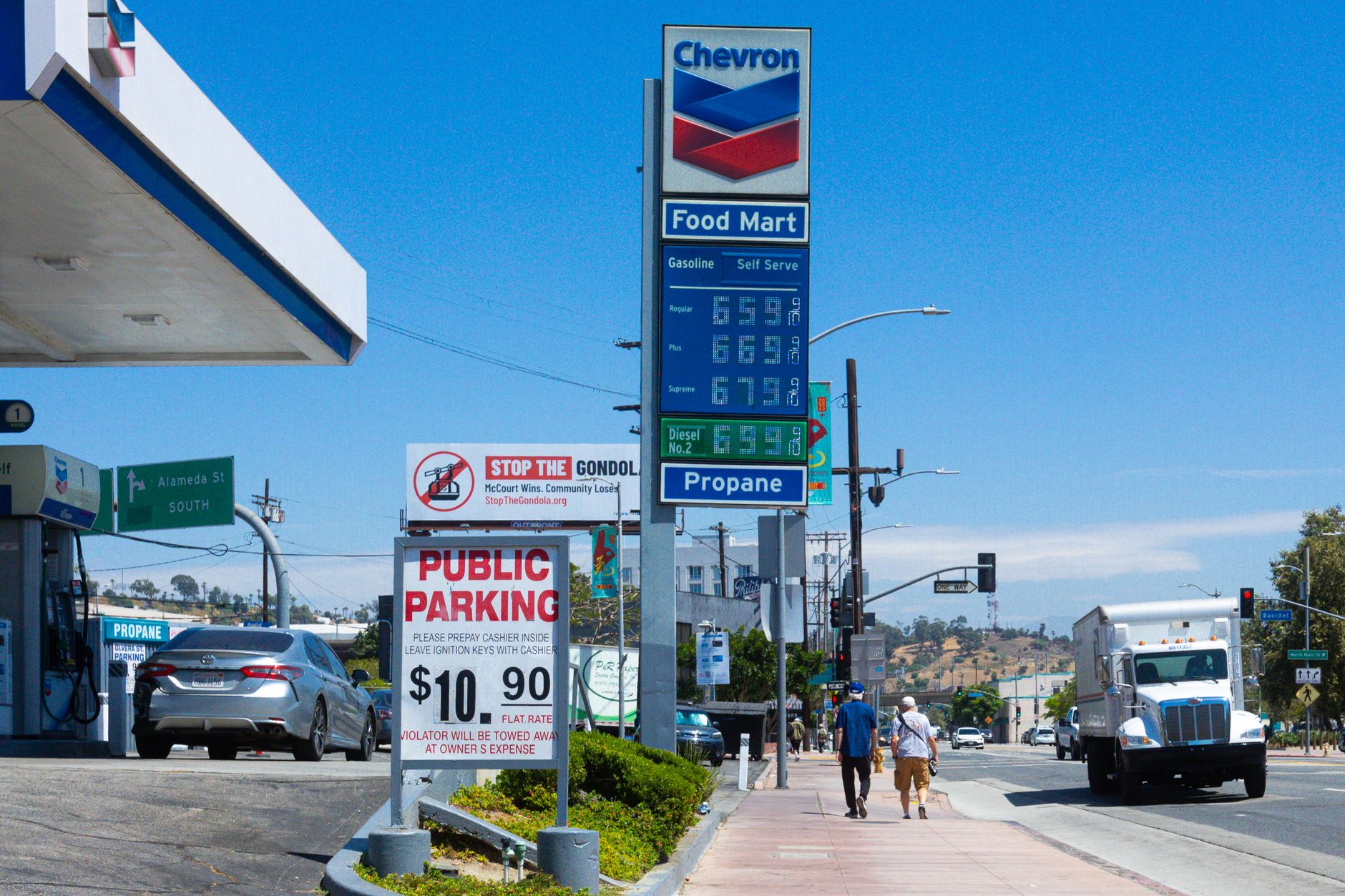
California is experiencing unprecedented diesel fuel prices, with averages soaring to around $7.71 per gallon—far exceeding the national record. This surge is creating immense pressure on vital industries like agriculture and trucking, impacting everyone from farmers trying to harvest almonds to the logistics companies moving goods. The ripple effect means higher costs are increasingly being passed on to consumers, particularly affecting grocery prices. This situation not only highlights the economic vulnerabilities tied to fossil fuel markets but also underscores the urgent need for robust, sustainable alternatives to secure our future and mitigate climate impacts.
Tesla is making big moves in the world of driverless cars, officially inviting businesses to join its Cybercab robotaxi network. These unique electric vehicles are built without a steering wheel or pedals, designed from the ground up for fully autonomous operation. This marks a significant step towards a future where shared, electric transportation could dramatically reduce urban emissions and reshape how we move. By opening commercial interest, Tesla aims to scale this sustainable solution quickly.
The shipping industry, vital for global trade, is also a major source of greenhouse gas emissions, presenting a tough challenge for companies aiming to reduce their environmental footprint. A groundbreaking pilot program between Danish shipping firm NORDEN and tech giant Microsoft is now offering a practical solution. They've launched the first verified maritime emissions reduction through a "Book & Claim" system, allowing companies to invest in cleaner shipping fuels even when traditional low-carbon options aren't available on every route. This innovative approach helps accelerate climate action by decoupling physical fuel use from specific cargo movements, crucial for tackling complex supply chain pollution. It underscores the urgency of embracing sustainable solutions to combat rising global warming.
Tesla has launched its groundbreaking all-electric Cybercab ride-hailing service in Austin, Texas. This new vehicle marks a significant step toward sustainable urban transportation, operating without a steering wheel or pedals. The National Highway Traffic Safety Administration (NHTSA) is now reviewing Tesla's certification of these innovative cars, aiming to understand the technology and ensure safety as the program expands. This inquiry highlights the crucial balance between rapid technological advancement and regulatory oversight for the benefit of both people and the planet.
The global textile industry faces a pressing climate challenge as emissions continue to rise despite growing awareness. Our increasing demand for clothing, combined with reliance on materials like virgin polyester, led to a 7.5% jump in apparel emissions in 2023. This trend not only strains our planet's resources, including vast amounts of water, but also underscores the urgent need for widespread environmental action. New approaches, like carbon credits, are emerging to offer financial incentives for manufacturers to reduce their environmental impact and shift towards greener solutions.
Texas officials are hitting a wall trying to understand how much water and power data centers consume, a crucial insight for managing the state's resources. A major challenge is the lack of a comprehensive contact list, making it difficult to enforce mandatory surveys. With only 30% of data centers responding, regulators are left with incomplete data, hindering effective water and energy planning. This situation raises serious environmental concerns amidst growing demands and increasing climate pressures on Texas's finite water supply.
The U.S. power grid experienced a significant surge in electricity generation during the first half of the year, driven by rising demand from data centers and other large users. Amidst this growth, new data highlights a crucial shift: renewables are expanding their share while coal continues its decline. This evolving energy landscape, shaped by diverse strategies across different states, underscores a critical pivot toward cleaner technologies. Understanding these changes is vital for accelerating environmental action and securing a sustainable future.
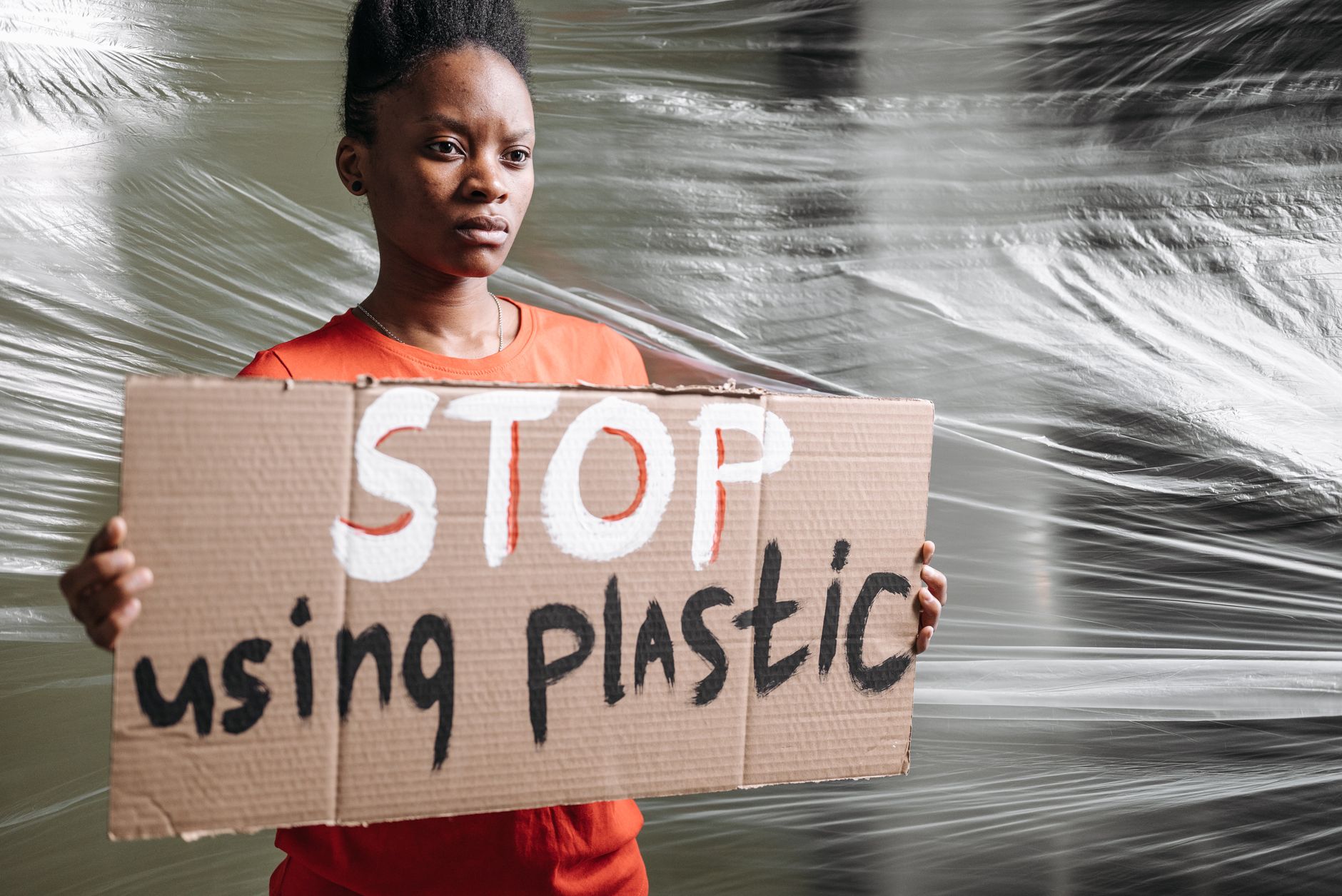
California's ambitious law to tackle single-use plastic waste, known as Senate Bill 54, is facing intense pressure from industry groups. A secretive coalition, "Californians for Affordable Packaging," is leading a multi-front campaign with lawsuits, lobbying, and ads to "pause and replace" the landmark legislation. This push comes despite the law's critical aim to slash plastic pollution and make all packaging recyclable or compostable by 2032. The battle highlights the urgent need for sustainable solutions and the significant hurdles in protecting our environment from widespread plastic waste.