The first half of 2026 marked a significant period for the U.S. power sector, revealing a clear trend towards cleaner energy solutions. Data from the U.S. Energy Information Administration highlights 368 utility-scale plants that began operation from January to June, with a striking dominance of solar and battery storage projects. This surge in renewable capacity, particularly utility-scale solar paired with batteries, underscores a crucial step in the nation's electrification journey. This shift is vital for addressing climate change and reducing reliance on traditional energy sources, moving us closer to a sustainable future.
As our climate warms, areas historically known for cooler weather are now facing an alarming rise in extreme heat. States like Vermont are experiencing prolonged heatwaves, creating serious health risks for residents who are largely unaccustomed and unprepared. This shift underscores the urgent need for communities everywhere to adapt to a changing environment, highlighting the direct impact of global warming on public health and safety.
Maryland has faced an unprecedented and tragic summer, recording its highest number of heat-related deaths with weeks still left in the season. By mid-August, 52 Marylanders had succumbed to heat, far exceeding previous annual totals. This local crisis mirrors a national trend, as July 2026 marked the hottest month on record for the U.S., highlighting the urgent and direct human cost of a warming climate. Experts confirm that rising global temperatures are making heatwaves more frequent and intense, particularly impacting vulnerable communities.
The global effort to combat climate change is entering a critical new phase as countries worldwide move from policy discussions to building tangible systems for carbon markets. This week, Zambia, Brazil, and Ecuador demonstrated this shift by launching a national carbon registry, planning new market methodologies, and establishing a legal framework for trading carbon credits. These developments are vital for creating trustworthy and transparent mechanisms that track emission reductions, ultimately boosting global climate action and encouraging sustainable solutions.
Elon Musk has once again hinted at a future where flying cars are a reality, directly addressing a long-standing sci-fi promise. These remarks follow previous teasers about Tesla's highly anticipated, all-electric Roadster potentially having unique hovering capabilities. While the supercar's release has faced multiple delays, the idea of an electric vehicle defying gravity highlights the incredible potential of advanced clean technologies. This futuristic vision underscores how electrification continues to push the boundaries of what's possible in transportation.
Rome is grappling with a severe water crisis, as weeks of minimal rainfall have caused the Tiber River to recede dramatically. This unusual dry spell has unveiled the ancient remains of Nero's Bridge, a centuries-old structure near St. Peter's Basilica that once connected the city center. The emergence of this historical artifact highlights the growing urgency of global warming, as extreme weather patterns directly impact essential resources and expose vulnerabilities. This event serves as a stark reminder of how climate change is reshaping our world, revealing the past while challenging our future.
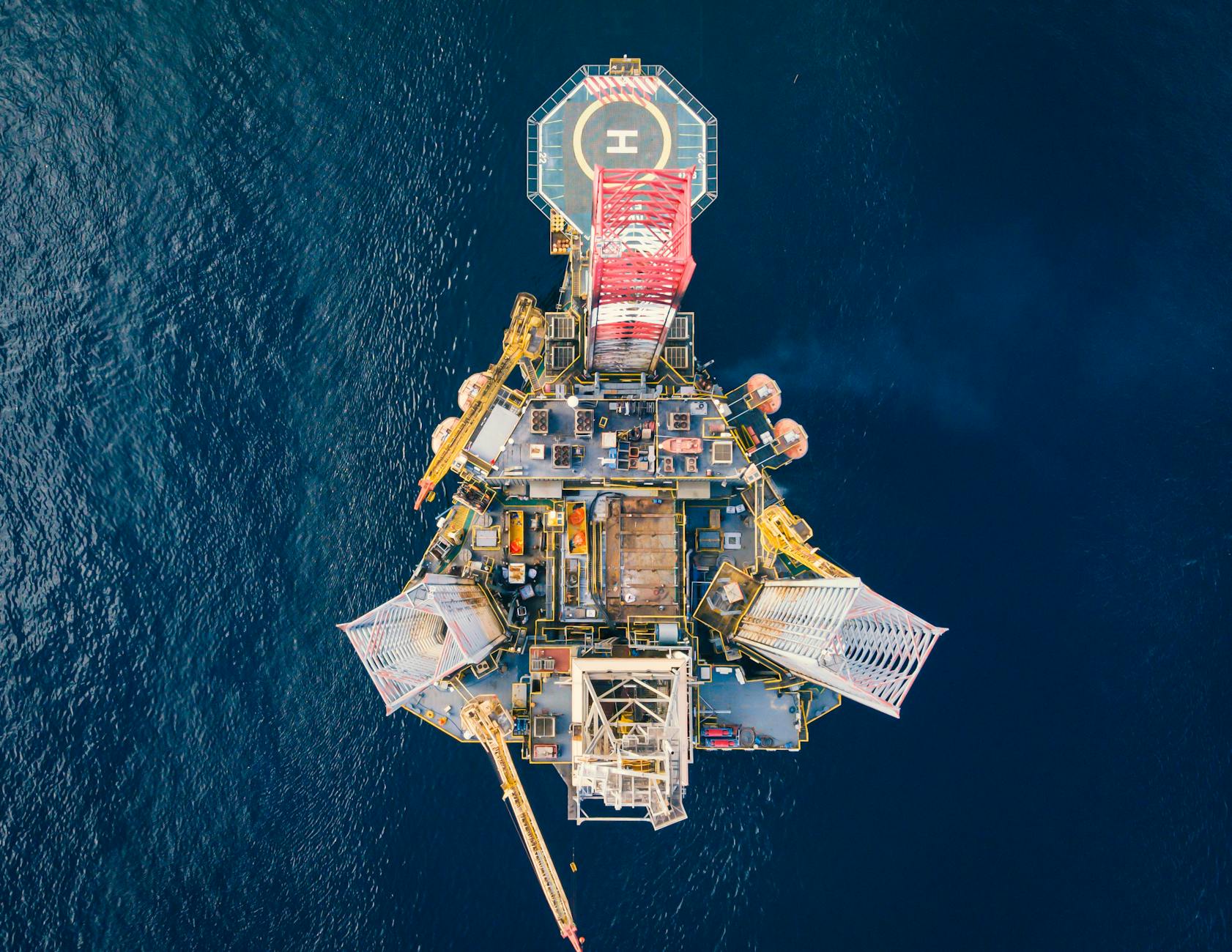
A groundbreaking study reveals that artificial intelligence, while often praised for its potential to accelerate progress, is significantly worsening climate pollution. Far beyond the energy consumed by data centers, AI tools are actively boosting oil and gas production, making it faster and cheaper to extract fossil fuels. This surge in 'enabled emissions' adds billions of tons of carbon dioxide to our atmosphere annually, gravely undermining global efforts to combat the climate crisis. The research highlights an urgent need for accountability within the tech industry regarding its partnerships with fossil fuel companies.
California is bracing for a "super" El Niño with a 95% chance of it developing this year, according to the National Oceanic and Atmospheric Administration (NOAA) Climate Prediction Center. This powerful climate pattern, characterized by significantly warmer Pacific Ocean waters, could bring a wet and potentially destructive winter to the state. There's a high probability this El Niño could be the strongest on record since 1950, potentially exceeding unprecedented temperature thresholds. Understanding and preparing for these intensified climate phenomena is crucial as our environment continues to experience dramatic shifts.
Elon Musk, CEO of Tesla, has once again stated that flying cars are on the horizon, rekindling a long-held futuristic promise. This recent declaration, shared on X, revives discussions about the highly anticipated Tesla Roadster and its potential unique capabilities. While Musk has previously expressed skepticism about the practicalities of flying vehicles, he now suggests that this advanced form of transportation could indeed become a reality. This vision offers a glimpse into a future of innovative personal mobility.
GenZero, backed by Temasek, has made significant strides in combating climate change, reporting a cumulative direct climate impact of 4.4 million metric tons of carbon dioxide equivalent (MtCO₂e) from 2022 to 2025. This achievement comes as the global carbon market undergoes a crucial transformation, emphasizing high-quality carbon credits, robust carbon removal technologies, and scalable climate solutions. The shift signals a growing demand for projects that not only promise environmental benefits but also demonstrate a clear path to commercial viability, accelerating our urgent need for sustainable action.
Many businesses struggle to understand how their environmental investments impact their carbon footprint. The terms 'insetting' and 'offsetting' are often confused, yet their distinctions are critical for genuine climate action. New guidelines from the GHG Protocol Land Sector and Removals Standard clarify these differences, showing which efforts truly reduce a company's carbon inventory. Understanding this is key for companies aiming to meet ambitious climate targets and contribute meaningfully to a sustainable future.
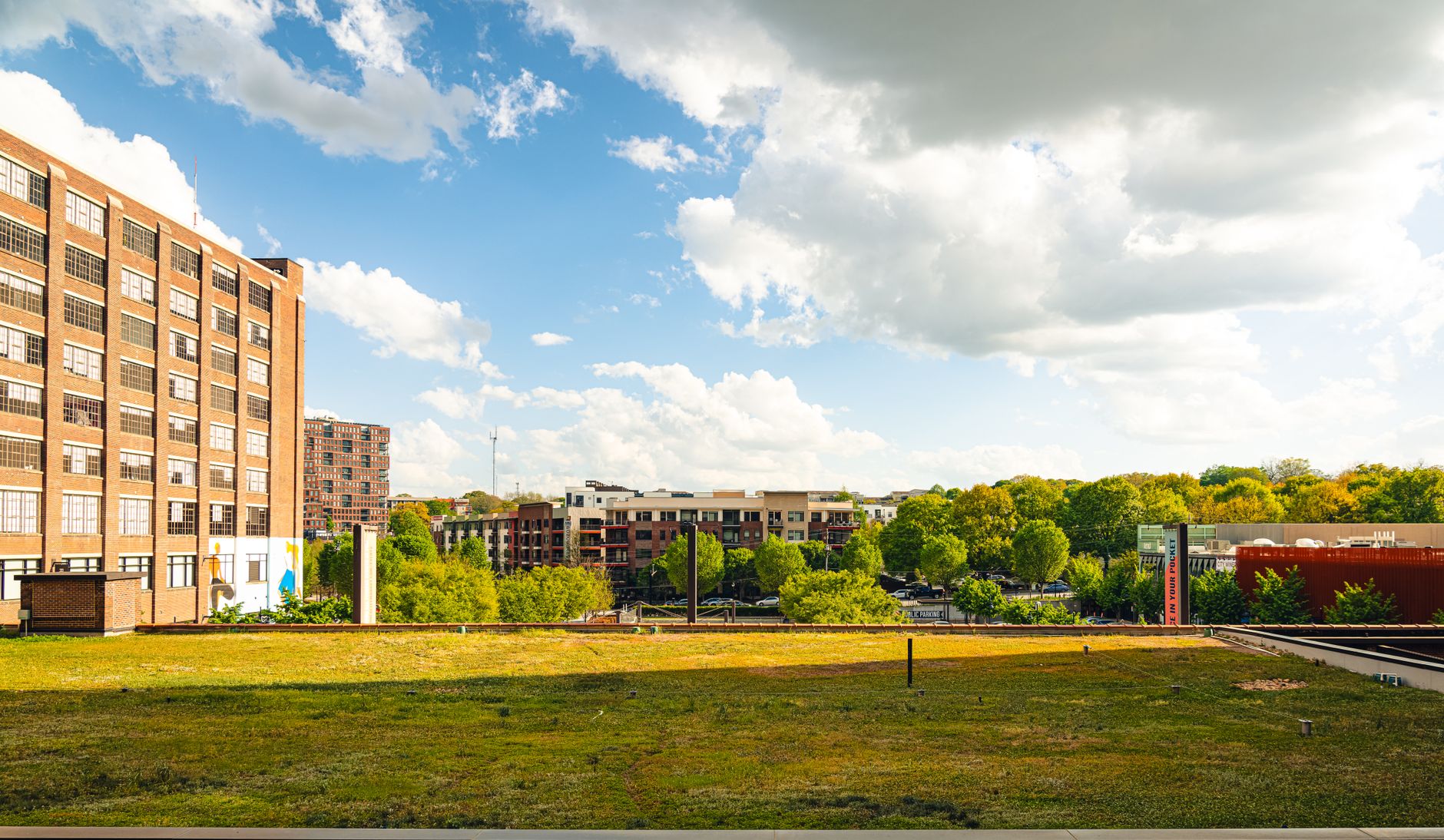
Atlanta is facing increasingly scorching summers, a direct consequence of a warming climate. This extreme heat not only makes life uncomfortable but also drives up air conditioning costs, creating a significant energy burden that can even displace vulnerable residents, particularly seniors. In response, the Atlanta City Council recently passed a groundbreaking ordinance mandating "cool roofs" for new and renovated buildings. This innovative solution uses special reflective materials to keep homes cooler, offering immediate relief to residents through lower energy bills while also promising to significantly reduce urban temperatures across the city in the long term. It's a clear step towards a more sustainable and equitable future.