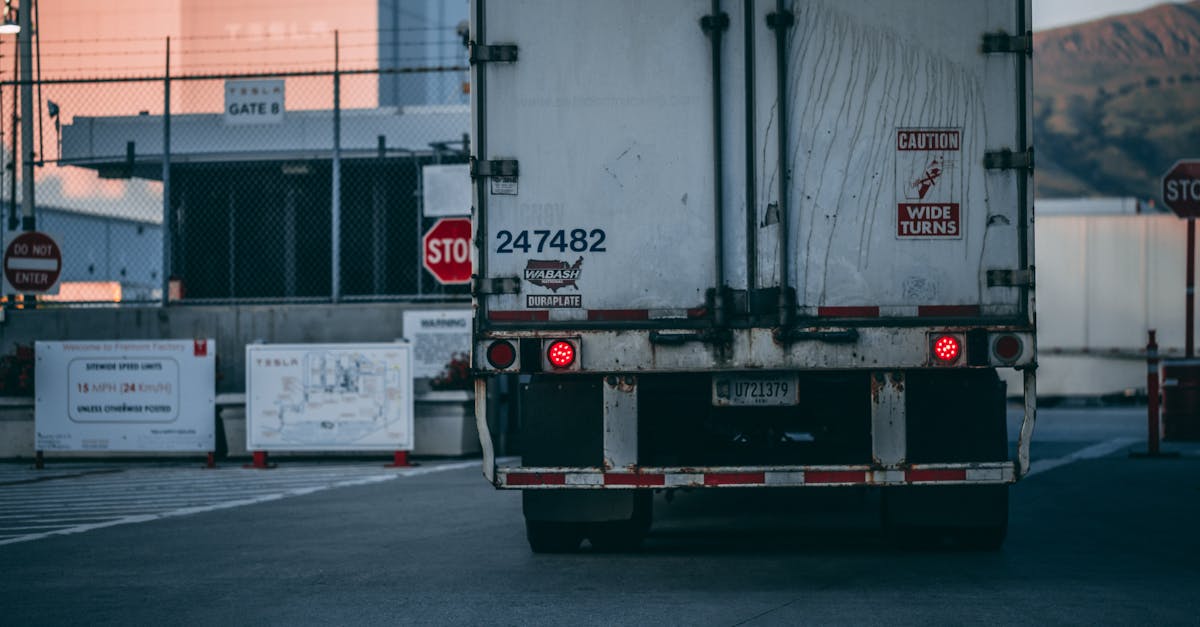
Tesla is opening its dedicated Semi factory in Sparks, Nevada, marking a significant step for electric heavy-duty transport. Ahead of the official handover event, drone footage has revealed several major companies, including PepsiCo and Einride, are already committing to integrate Tesla's electric Class 8 trucks into their fleets. This milestone event not only accelerates the adoption of sustainable logistics but also highlights a critical shift towards reducing carbon emissions in the transportation sector, offering a clearer path to cleaner air and a healthier planet.
Artificial intelligence is at a crossroads, with leaders offering wildly different views on its future and climate impact. While some tech companies at Climate Week NYC highlight AI's potential for clean energy, others, like former President Trump, dismiss concerns as a "hoax," linking them to climate change denial. Crucially, new research suggests that AI's vast energy demands and its use in boosting fossil fuel production currently outweigh its benefits for sustainable solutions. This emerging picture raises significant questions about AI's true environmental footprint and the need for immediate action.
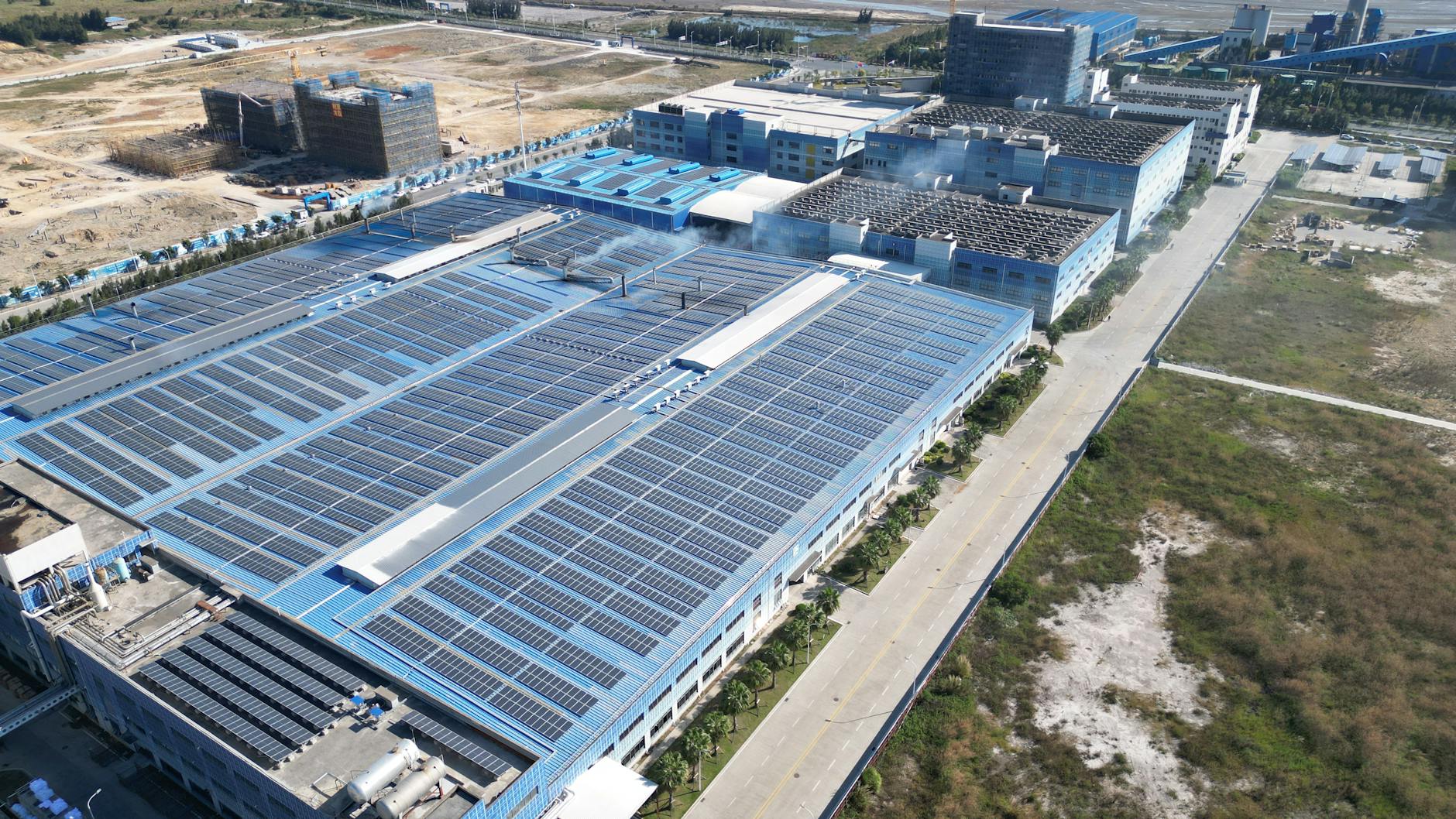
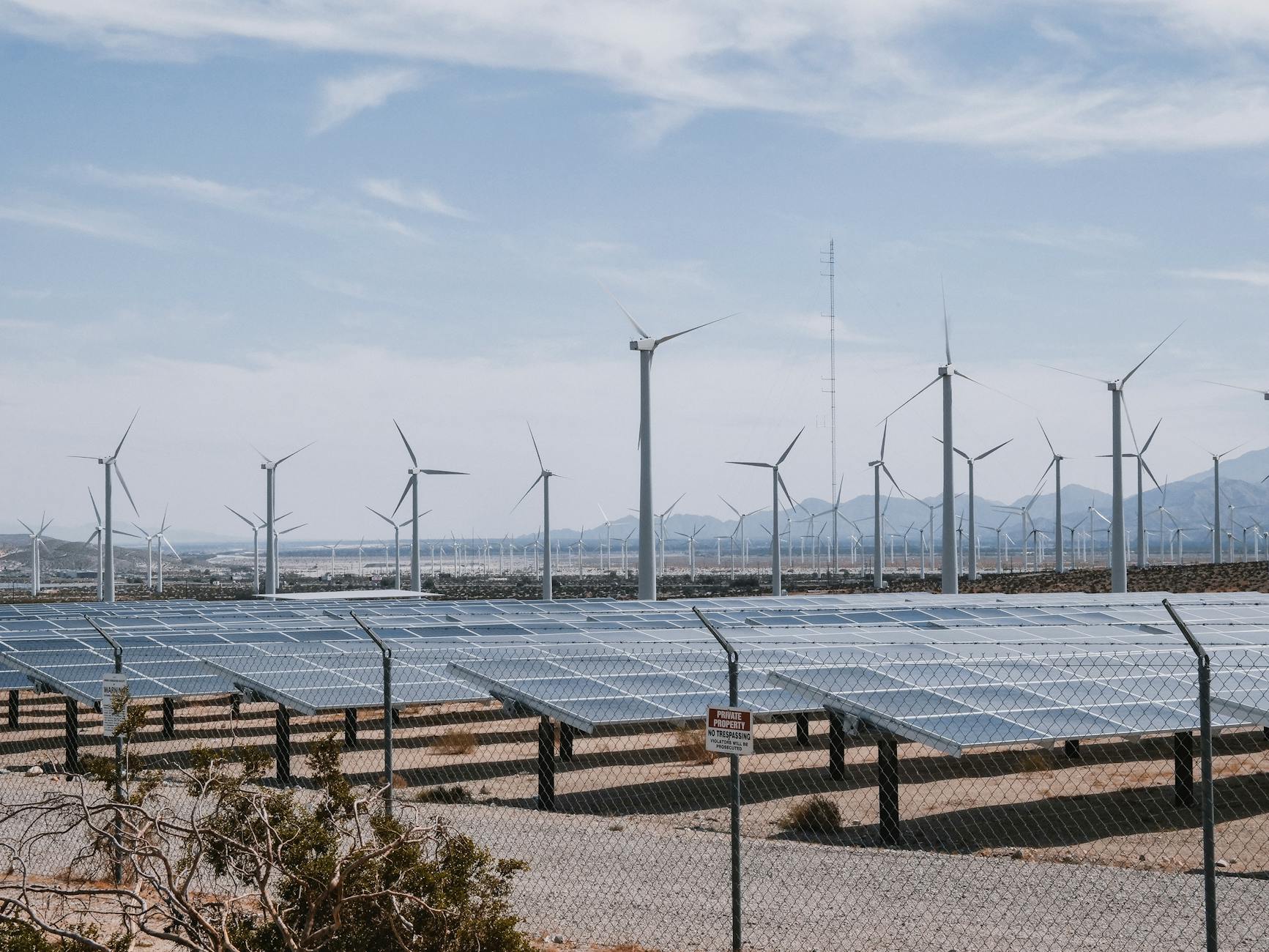
The U.S. solar industry is undergoing a monumental transformation, pivoting sharply towards domestic manufacturing. A staggering $12.2 billion is expected to be invested in U.S. solar factories by the end of 2026, marking a pivotal shift away from overseas reliance. This surge in homegrown production is crucial for building a more resilient, sustainable energy future and accelerating our progress in tackling climate change. With significant expansion in module and cell manufacturing capacity, the nation is building a robust foundation for cleaner energy independence.
Hurricane Polo has become one of the most powerful Pacific storms in decades, threatening Mexico's southwestern coast as an "extremely dangerous" Category 4 hurricane after briefly reaching Category 5. Its rapid and "truly remarkable" intensification has alarmed scientists and residents alike, prompting evacuations and port closures. This extreme weather event underscores the growing intensity of storms in an era of warmer ocean temperatures. Meanwhile, another Pacific system, Odalys, also strengthened to a hurricane, though it poses no immediate land threat.
The ongoing war has sparked a surprising push for cleaner energy and energy efficiency in many countries. While the conflict has highlighted the vulnerabilities of relying on fossil fuels, global efforts are not yet enough to curb climate change. Governments are walking a tightrope, promoting both sustainable solutions and traditional fossil fuel expansion. This critical moment underscores the urgent need for sustained, decisive action to protect our planet and accelerate the global energy transition.
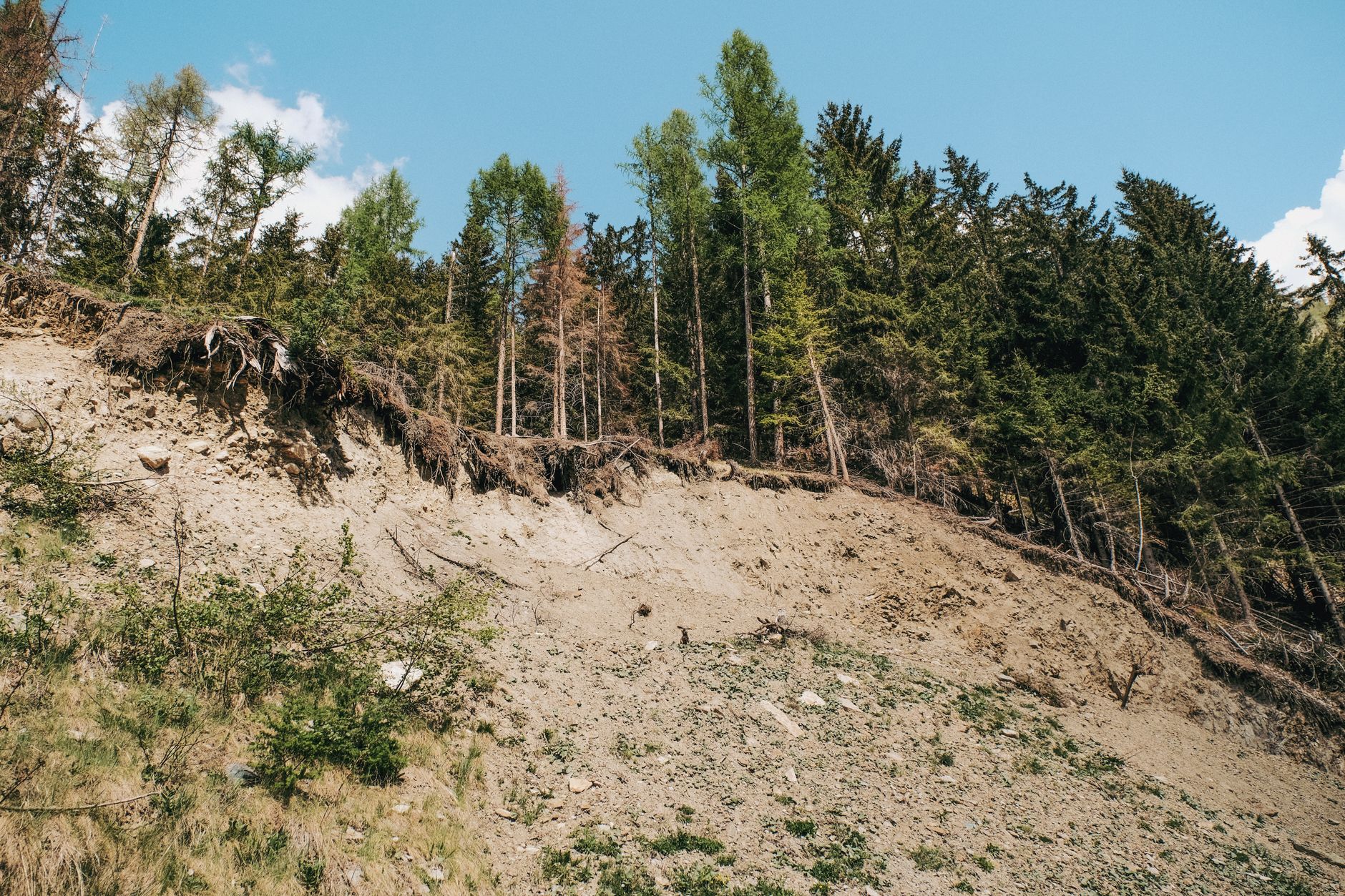
Two years ago, Hurricane Helene brought devastating landslides to Southern Appalachia, including one that tragically took 11 lives. This region's steep mountain slopes are naturally prone to landslides, especially after heavy rains saturate the soil. Now, with climate change causing more extreme storms, the risk of these catastrophic events is growing significantly. Experts are urgently developing new tools to protect communities from this escalating environmental threat.
A federal court in Michigan has dismissed a groundbreaking antitrust lawsuit brought by the state against several major oil and gas companies, including BP, Chevron, ExxonMobil, and Shell. The lawsuit alleged a conspiracy to delay the transition to renewable energy and electric vehicles, aiming to keep fossil fuels dominant. However, the court ruled that Michigan failed to prove a direct link between the alleged conspiracy and higher energy prices for residents. This decision underscores the challenges in holding fossil fuel giants accountable in court, impacting the broader push for sustainable solutions and electrification.
Climate Week NYC 2026 revealed a pressing paradox: while renewable energy is growing faster than ever, many companies struggle to access enough clean power to meet their climate targets. This "supply gap" highlights critical needs for infrastructure and market solutions. Simultaneously, as federal support for carbon removal wavers, US states are stepping up to back technologies that capture CO2 from the atmosphere, recognizing their vital role in meeting global climate goals. Both trends underscore the urgent need for action beyond targets to deliver a sustainable future.
A new study reveals that hundreds of chemicals capable of increasing breast cancer risk are pervasive in our daily lives, found in consumer goods, food, and even drinking water. Many of these substances are derived from fossil fuels and used widely in plastics. This alarming ubiquity suggests that environmental factors play a significant, often overlooked, role in rising breast cancer rates, especially among younger women. The research highlights an urgent need for better monitoring and stricter regulation to protect public health.
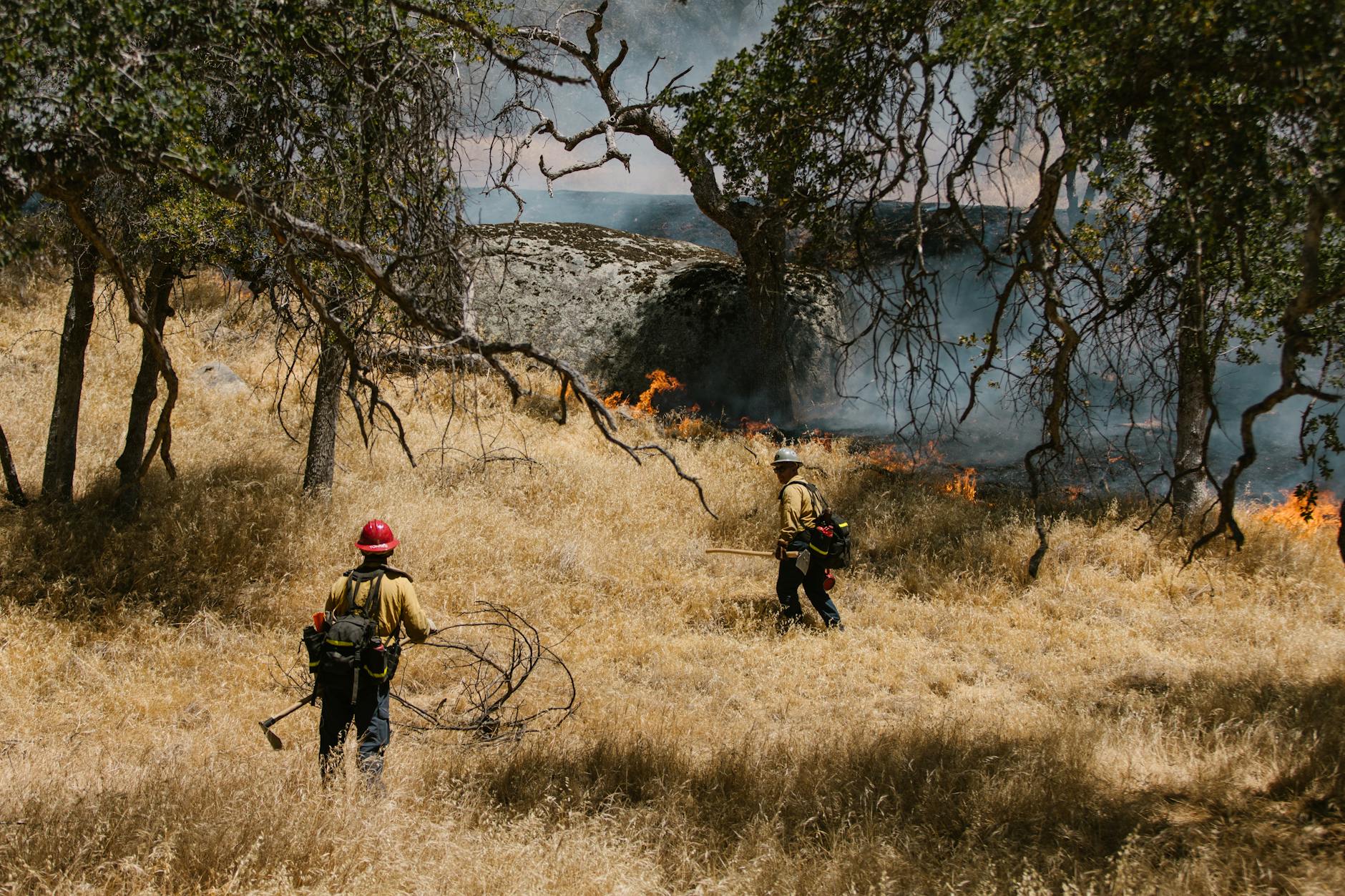
California Governor Gavin Newsom has vetoed Assembly Bill 2494, a measure designed to redefine how the state's 14 "demonstration forests" are managed. The bill sought to move away from commercial logging as a primary goal, prioritizing instead crucial environmental benefits like carbon storage, biodiversity, and wildfire resilience, while also seeking partnerships with Native American tribes. Governor Newsom stated his concern that the bill would limit the state's ability to develop essential science-based practices for fighting climate change and improving wildfire preparedness. This decision has sparked strong reactions, disappointing environmental groups and tribal advocates who championed the shift towards more sustainable forest management.
Doctors in rural Pennsylvania are realizing the profound, often hidden, health impacts of environmental disasters like train derailments, wildfires, and floods. Events such as the East Palestine train crash and Canadian wildfire smoke exposed gaps in medical training, revealing how extreme weather disproportionately affects vulnerable, under-resourced communities. As climate change intensifies these events, researchers are uncovering long-term consequences, including a surprising link between severe flooding and a rise in opioid overdose deaths. This urgent situation highlights the critical need for healthcare systems to become more climate-resilient and for communities to prepare for these escalating environmental challenges.
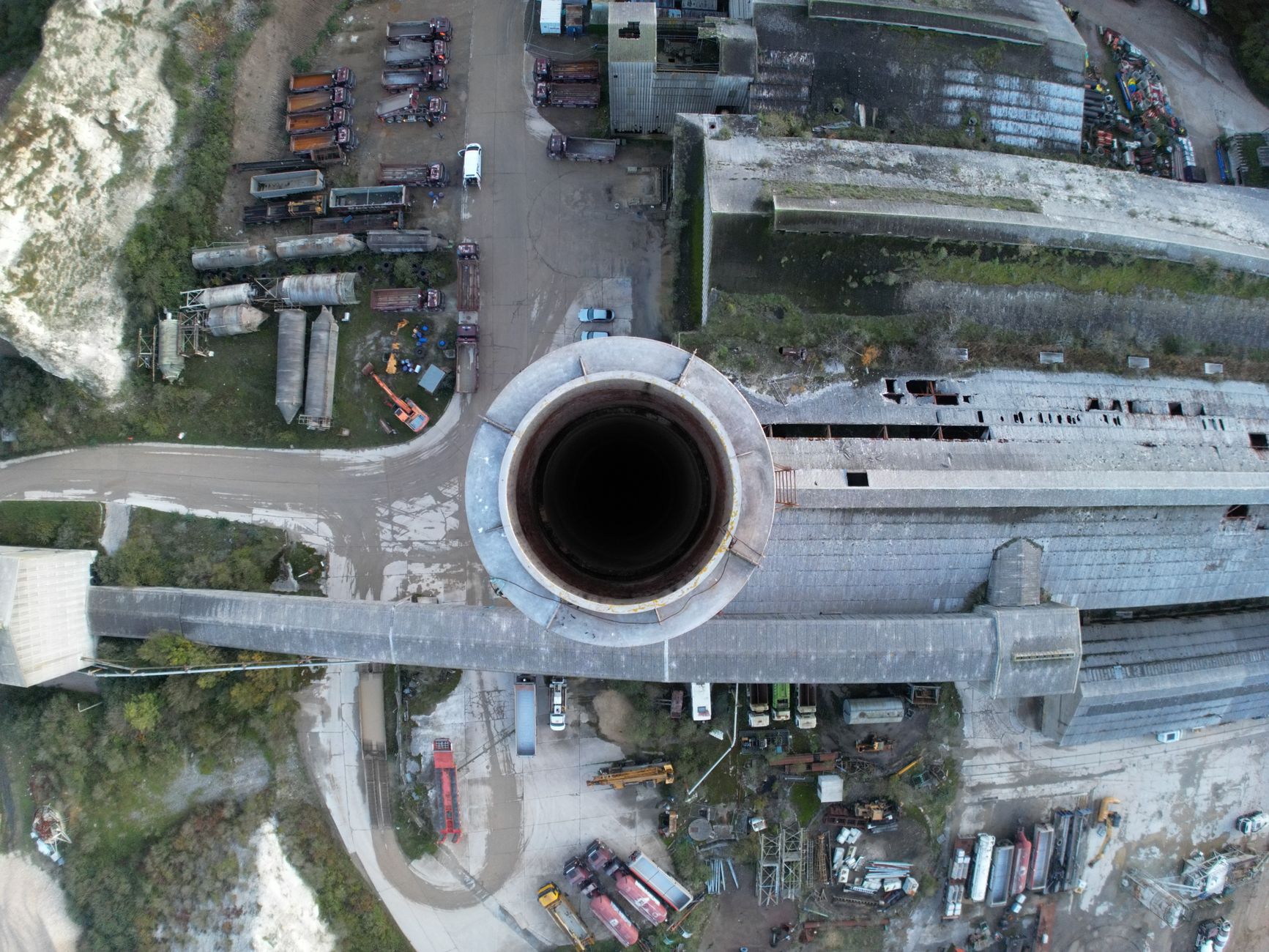
Asphalt company Maymead is suing a consulting firm and a former employee, alleging a scheme to fraudulently halt their proposed plant in Clemmons, North Carolina. The lawsuit claims an operative infiltrated a local group, posing as an environmental advocate, but was secretly working for a competitor to manipulate the market. This development, previously reported by Inside Climate News, raises serious questions about the integrity of public opposition to industrial projects and the genuine concerns residents have about potential pollution and health impacts from such facilities.