X, formerly Twitter, has taken legal action against a network of accounts accused of manipulating its previous creator payout system. The lawsuit alleges that Vivek Kumar Sen and Zamyang Sherpa used coordinated tactics to fake engagement, defrauding the platform of hundreds of thousands of dollars. This move highlights X's recent shift in how it rewards content creators, moving away from engagement farming towards valuing original ideas and genuine contributions. The platform is now emphasizing quality over quantity, aiming to foster a healthier creator environment.
Carla Ramsdell of North Carolina believed she was ready for a major storm, but Hurricane Helene showed her a different reality. The devastating aftermath, with blocked roads and widespread power outages, left many without basic necessities like food and water. This experience sparked a deep concern for community resilience and the realization that traditional preparedness wasn't enough for increasingly severe weather events driven by climate change. Now, Ramsdell shares practical survival skills through her "The Resilient Kitchen" series, emphasizing proactive steps for future disasters.
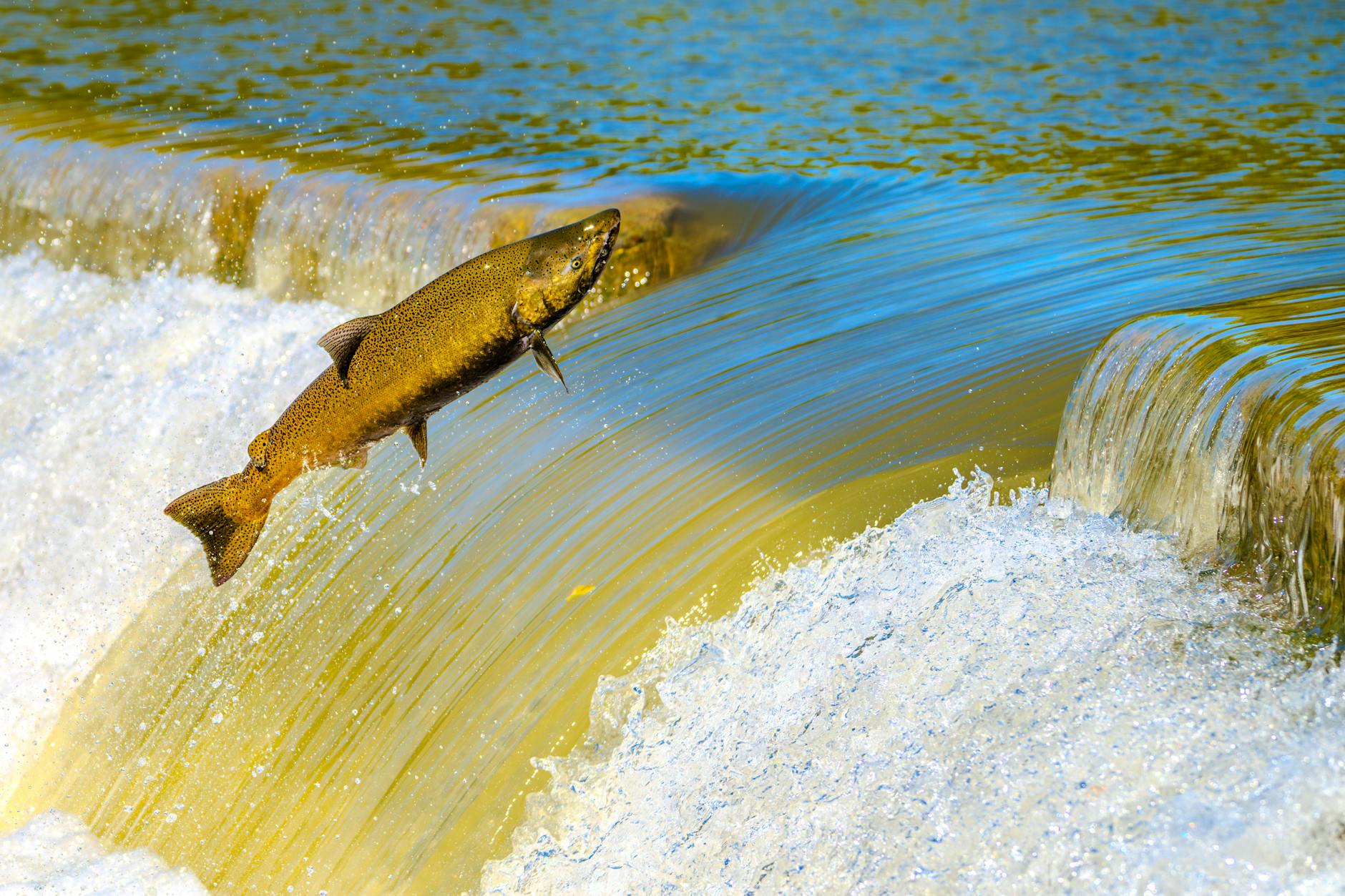
California's vital Sacramento River, a millennia-old spawning ground for Chinook salmon, is now dangerously warm, threatening the survival of countless salmon eggs. Biologists estimate a significant portion may not hatch, a grim sign for these iconic fish. Environmental groups point to controversial water management decisions, accusing federal authorities of prioritizing agricultural needs over the salmon's need for cold water. This critical situation highlights the urgent need for careful environmental action and sustainable water management practices, especially as climate change intensifies warming trends and droughts across the region.
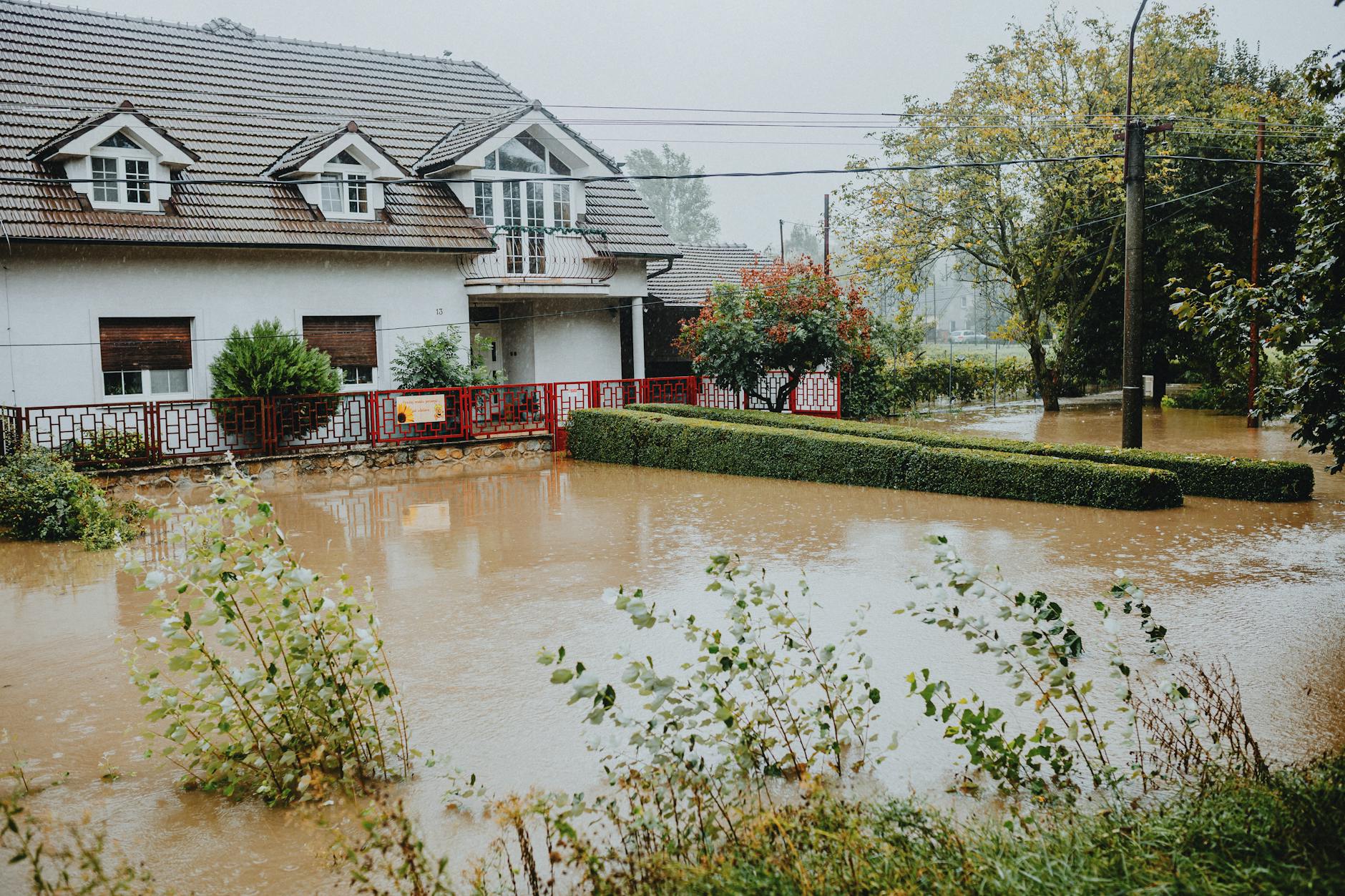
California is on high alert as a powerful 'super' El Niño is virtually certain to bring a wet and potentially challenging winter. Forecasters predict this climate pattern, driven by warmer Pacific waters, could be the strongest since 1950, with a 98% chance of a "very strong" phase through December. Local officials are already shoring up flood defenses, but residents and businesses must also act now to protect homes and communities. Early preparation is crucial to mitigate severe impacts like flooding and debris flows.
The 81st United Nations General Assembly opened with a sharp contrast in global climate visions for a sustainable future. Brazil's President Lula da Silva advocated for urgent decarbonization, forest protection, and technology transfer to combat a shared climate emergency. In stark opposition, U.S. President Donald Trump dismissed global warming warnings, rejected climate regulations, and championed fossil fuel expansion. This critical divide emerged as the world grapples with record-breaking heat, an impending El Niño, and escalating energy and geopolitical crises, underscoring the urgency of climate action.
Residents and environmental advocates in Effingham County, Georgia, are challenging a proposed $20 billion OpenAI data center, known as Project Camellia. This massive project, set to require a staggering 3.2 gigawatts of electricity, faces two lawsuits over alleged failures in public notification and transparency during key approval processes. Critics fear significant environmental impacts, including increased carbon emissions from new natural gas power plants needed to fuel the facility, alongside concerns about water usage and local community benefits. The legal battles highlight growing urgency for transparent processes as large-scale developments impact local environments and global climate goals.
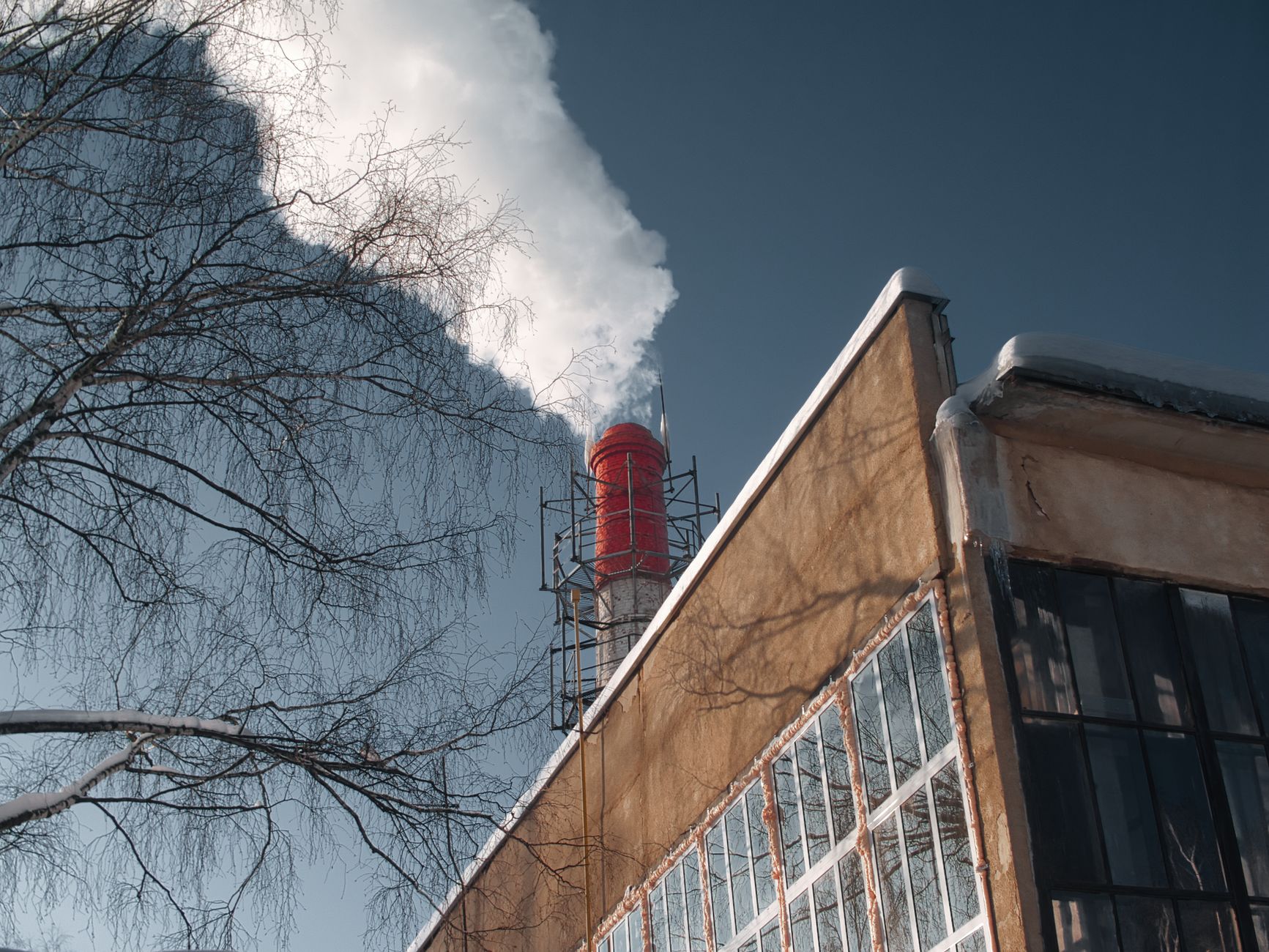
Wall Street executives are voicing concerns that the growing focus on artificial intelligence's energy use is diverting attention from the planet's largest sources of greenhouse gas emissions. As global leaders gather for Climate Week, figures like Jefferies' Aniket Shah and former Vice President Al Gore are urging a shift back to confronting major polluters like transport and heavy industry. They argue that while AI's impact is present, it pales in comparison to the scale of other climate challenges, emphasizing the urgent need to address the real drivers of global warming.
A new report reveals that Pennsylvania's growing data center industry, often touted for economic benefits, is raising significant environmental and social concerns. Researchers found little evidence of job growth, while warning that these massive computer complexes demand huge quantities of land, water, and energy. This intensive resource use could worsen climate change by increasing power demand, echoing past industrial exploitation and sparking strong community opposition across the state. The findings highlight a critical need to scrutinize new technologies' true impact on our planet and local communities.
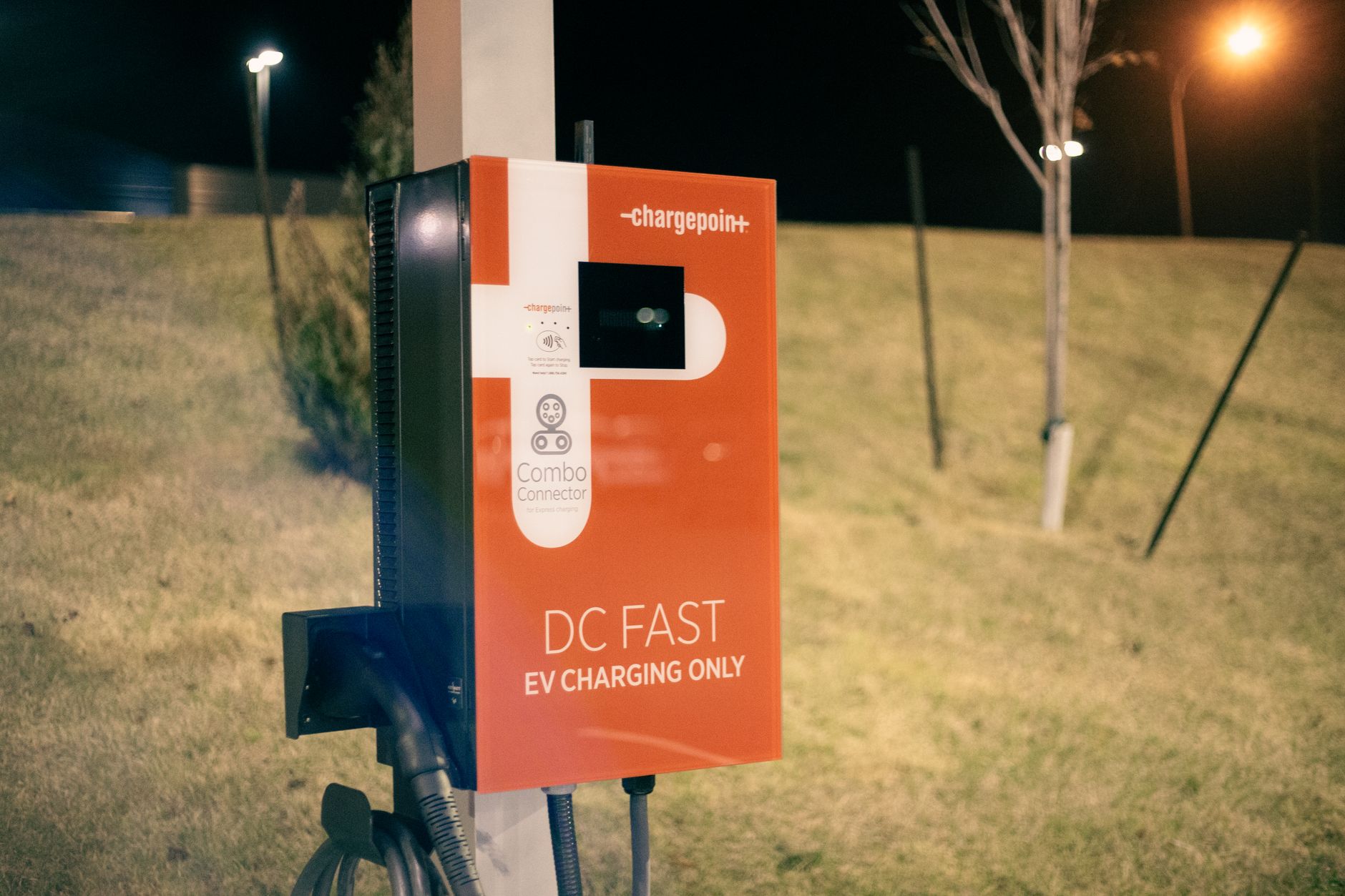
The U.S. electric vehicle (EV) market is navigating a complex landscape. New EV sales saw a significant decline of nearly 47% in August 2026 compared to the previous year, highlighting a short-term market slowdown. However, the U.S. Energy Information Administration (EIA) projects a dramatically different future, suggesting battery-electric vehicles could comprise about 53% of annual U.S. light-duty vehicle sales by 2032 if current environmental standards are maintained. This shift is crucial for addressing climate change, as transportation remains a major source of carbon emissions.
Elon Musk is at it again, teasing a new, decidedly unserious piece of merchandise for The Boring Company. After previous successes with novelty items like "Not-a-Flamethrower" and "Burnt Hair" perfume, Musk hinted at an item involving "Uranium in Uranus" that glows in the dark, complete with an optional Geiger counter. This playful approach to marketing has become a signature for the tunneling company, which manages to make outrageously unsellable items extremely popular, all while steadily advancing its serious infrastructure projects.
A new scientific study reveals a stark connection between major fossil fuel and cement companies and the worsening water crisis in the Western United States. Researchers found that emissions from just 122 companies are responsible for about 40% of the decline in mountain snowpacks, which are vital for the region's water supply. This significant finding underscores the urgent need for environmental action as cities and farms struggle with unprecedented drought conditions. The study attributes a substantial portion of falling streamflows and increased irrigation needs directly to these industrial giants' climate pollution.
Tesla's Full Self-Driving (FSD) system is now approved for use in Czechia, marking the seventh European Union country to clear the advanced driver-assistance technology for its roads. This approval follows earlier hesitation from Prague, which had concerns regarding safety and compliance. After extensive review and discussions, Czech officials are now confident in the system's ability to operate safely, emphasizing that driver responsibility remains paramount. This expansion represents another step forward for electric vehicles and their evolving capabilities, inching closer to smarter, more efficient transportation across the continent.