A new scientific study reveals a stark connection between major fossil fuel and cement companies and the worsening water crisis in the Western United States. Researchers found that emissions from just 122 companies are responsible for about 40% of the decline in mountain snowpacks, which are vital for the region's water supply. This significant finding underscores the urgent need for environmental action as cities and farms struggle with unprecedented drought conditions. The study attributes a substantial portion of falling streamflows and increased irrigation needs directly to these industrial giants' climate pollution.
Tesla's Full Self-Driving (FSD) system is now approved for use in Czechia, marking the seventh European Union country to clear the advanced driver-assistance technology for its roads. This approval follows earlier hesitation from Prague, which had concerns regarding safety and compliance. After extensive review and discussions, Czech officials are now confident in the system's ability to operate safely, emphasizing that driver responsibility remains paramount. This expansion represents another step forward for electric vehicles and their evolving capabilities, inching closer to smarter, more efficient transportation across the continent.
Apple's latest iPhone 18 Pro arrives with significant environmental updates beyond its new features. This new device incorporates 40% recycled materials by mass and relies on 50% renewable electricity during its manufacturing. However, each iPhone 18 Pro still carries a notable carbon footprint, primarily due to its production process. These efforts highlight the critical role of sustainable manufacturing in combating global warming and driving progress towards cleaner technologies in the consumer electronics sector. It's a step forward, emphasizing the urgent need for greener solutions across the industry.
A new study reveals that Washington, D.C.'s flood risk is far greater than previously understood. Earlier flood maps, mainly focusing on areas near rivers, missed a significant danger: heavy rainfall overwhelming storm drains across the region. This updated analysis by the National Capital Region Transportation Planning Board (TPB) highlights critical vulnerabilities in D.C.'s transportation network. Crucially, the findings also show how climate change will accelerate these risks, making proactive planning essential to protect communities and infrastructure from intensifying extreme weather events.
Florida is increasingly passing state laws that prevent local governments from setting their own rules on issues like environmental protection, climate change, and managing urban growth. These "preemption" laws are alarming local officials and advocates who argue that communities are best equipped to address their unique challenges, especially in a state highly vulnerable to intensifying storms and sea-level rise. This shift in power could undermine crucial efforts to build resilient communities and protect natural resources.
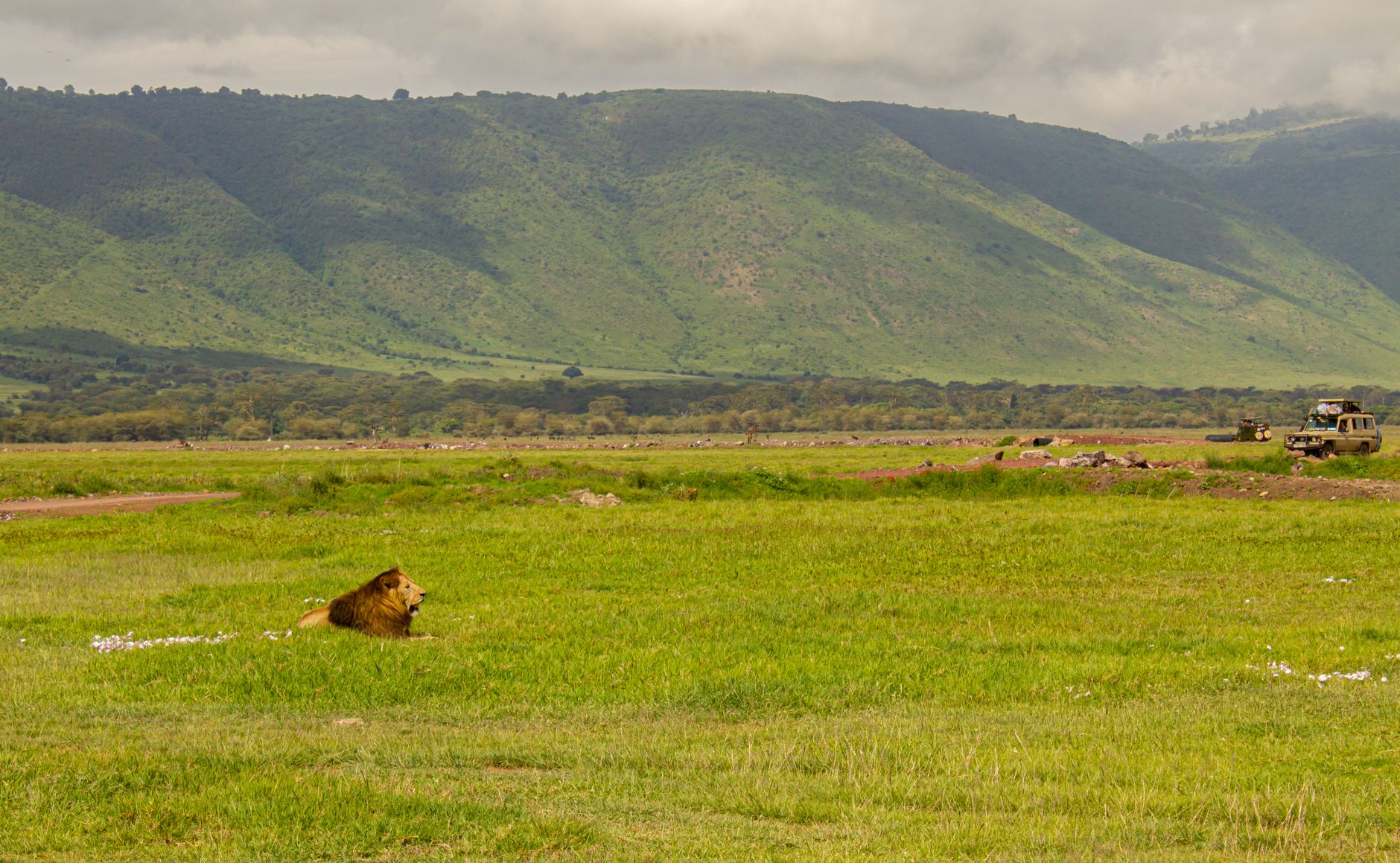
Authorities in Tanzania are investigating the tragic deaths of 10 lions discovered in the Ngorongoro Conservation Area, a vital UNESCO World Heritage site. Preliminary findings suggest poisoning as the cause, sparking urgent concerns for the region's vulnerable wildlife. This protected area is unique, hosting lions, elephants, and black rhinos alongside Maasai pastoralists, making human-wildlife coexistence critical. The incident underscores the ongoing threats like human-wildlife conflict that endanger declining lion populations and highlights the urgent need for robust conservation efforts to protect these magnificent creatures.
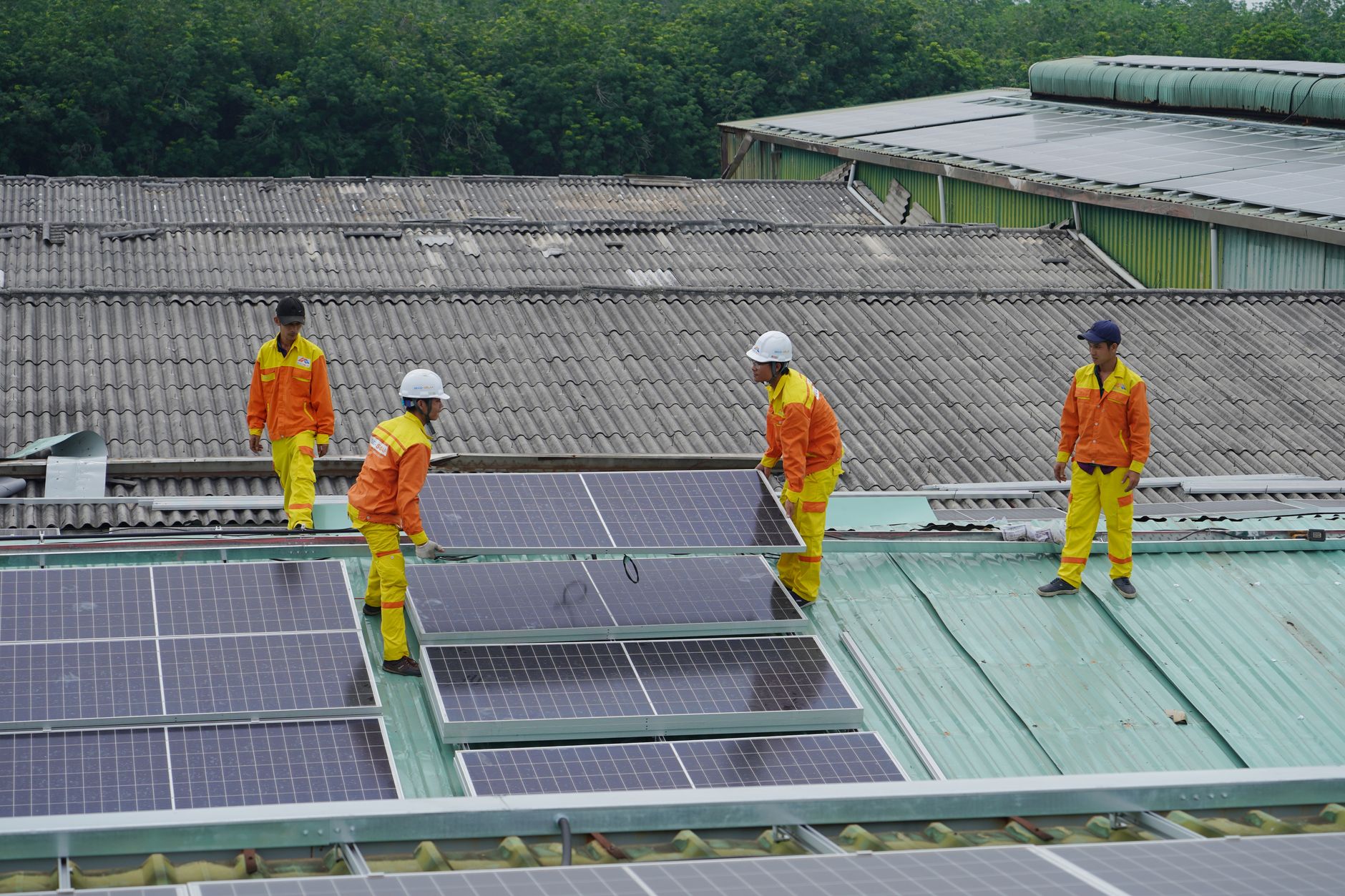
A federal judge has ruled that the Trump administration unlawfully stopped $7 billion in clean energy grants intended for disadvantaged communities. This significant decision revives the 'Solar for All' program, initially launched under the Inflation Reduction Act to lower electricity bills, create jobs, and cut down on greenhouse gas emissions. The funding, meant to accelerate our shift to cleaner energy, was canceled in 2025, but now must be released, marking a crucial win for environmental action and sustainable development across the nation.
California is taking a significant step to regulate its rapidly expanding data center industry. Governor Gavin Newsom recently signed seven new laws aimed at curbing the environmental and economic impacts of these facilities. These measures will introduce special rules for electricity use, track immense water consumption, and protect consumers from rising costs. The move comes as public concern grows over the unchecked growth of data centers, which are increasingly critical for our digital lives but also demand vast amounts of energy and water. This action highlights California's commitment to sustainable practices and responsible growth.
New York City recently witnessed a unique spectacle: 40 life-sized bison puppets marching through its streets, a powerful display organized to honor the American buffalo and its deep connection to Native cultures. This event, inspired by leaders like Jason Baldes of the Wind River Tribal Buffalo Initiative, spotlights crucial efforts to restore a species once pushed to the brink. Bringing bison back to their native lands is not just about wildlife conservation; it's a vital step towards healing ecosystems, fostering biodiversity, and strengthening climate resilience across North America.
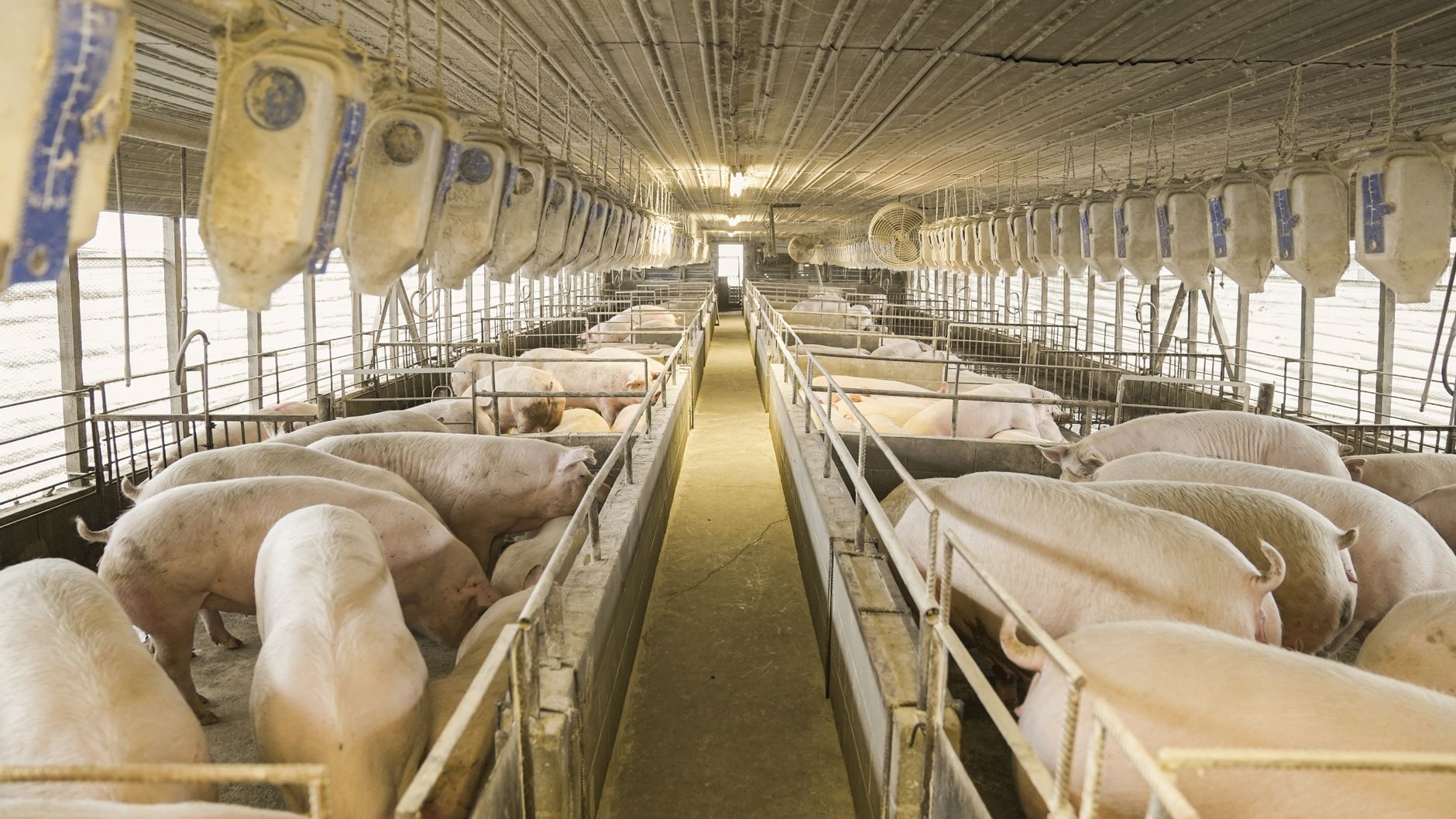
In a significant shift towards sustainable agriculture, an Iowa family has transformed their industrial hog farm into a thriving specialty mushroom operation. The Faaborg family, supported by The Transfarmation Project, repurposed their existing barns, moving away from practices that contributed to climate change through potent methane emissions and water pollution. This inspiring transition showcases a profitable new model for farmers, underscoring the urgent need for greener solutions and the benefits of adopting environmentally friendly practices to revitalize both farms and rural communities.
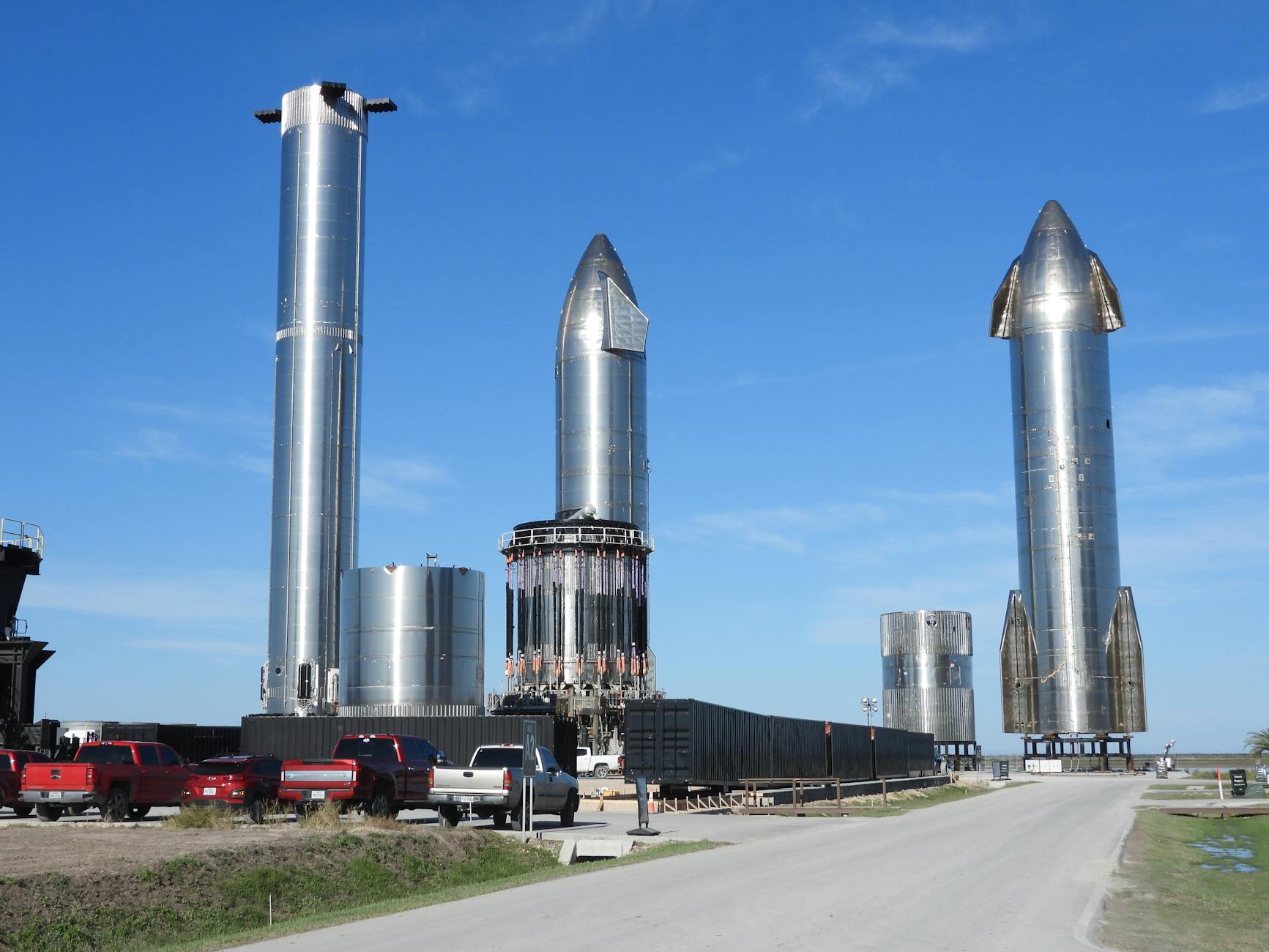
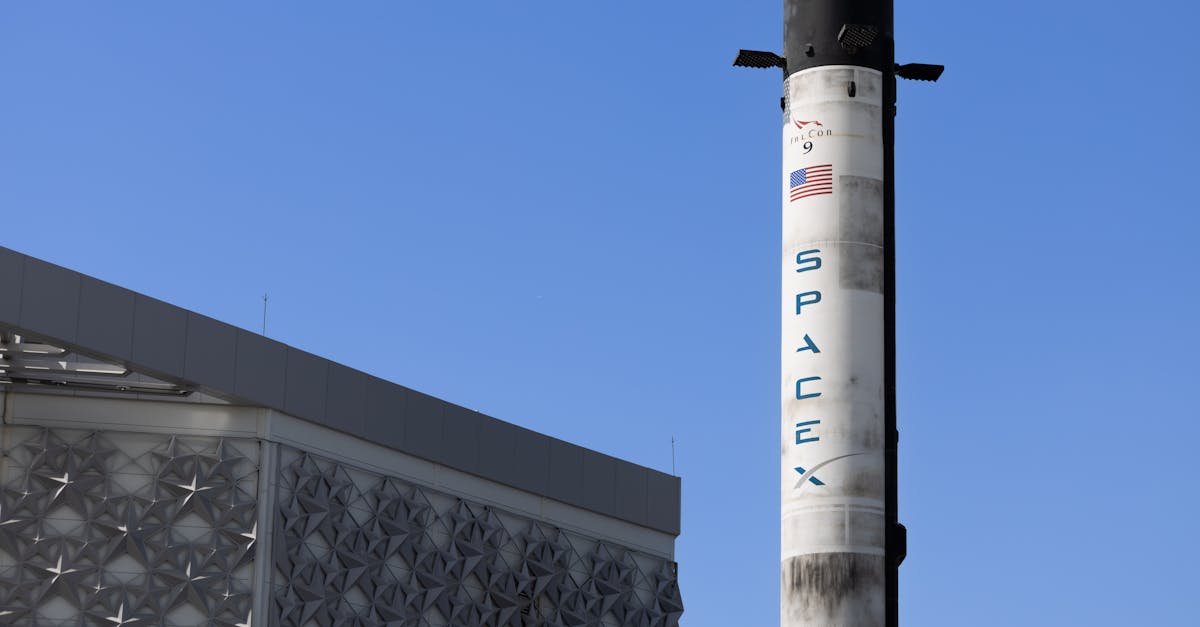
SpaceX's Starship is gearing up for its fourteenth test flight, marking a significant departure from previous missions. For the first time, Starship aims to reach Earth orbit, a crucial step after numerous suborbital tests. This ambitious flight also plans to deploy a new batch of Starlink V3 satellites, promising a major boost in internet capacity. The mission signifies a pivotal moment for Starship as it transitions from a test program to a system designed for operational use and future space travel.
Elon Musk has once again stirred conversation on X, teasing an unusually named new product for The Boring Company: "Uranium in Uranus." This latest merchandise idea follows the company's tradition of releasing bizarre, yet highly popular, limited-edition items. Though details are scarce, Musk suggests the item will glow in the dark and that a Geiger counter will be an optional add-on. This playful announcement comes as The Boring Company makes real progress on its tunneling projects, including expanding the Vegas Loop.