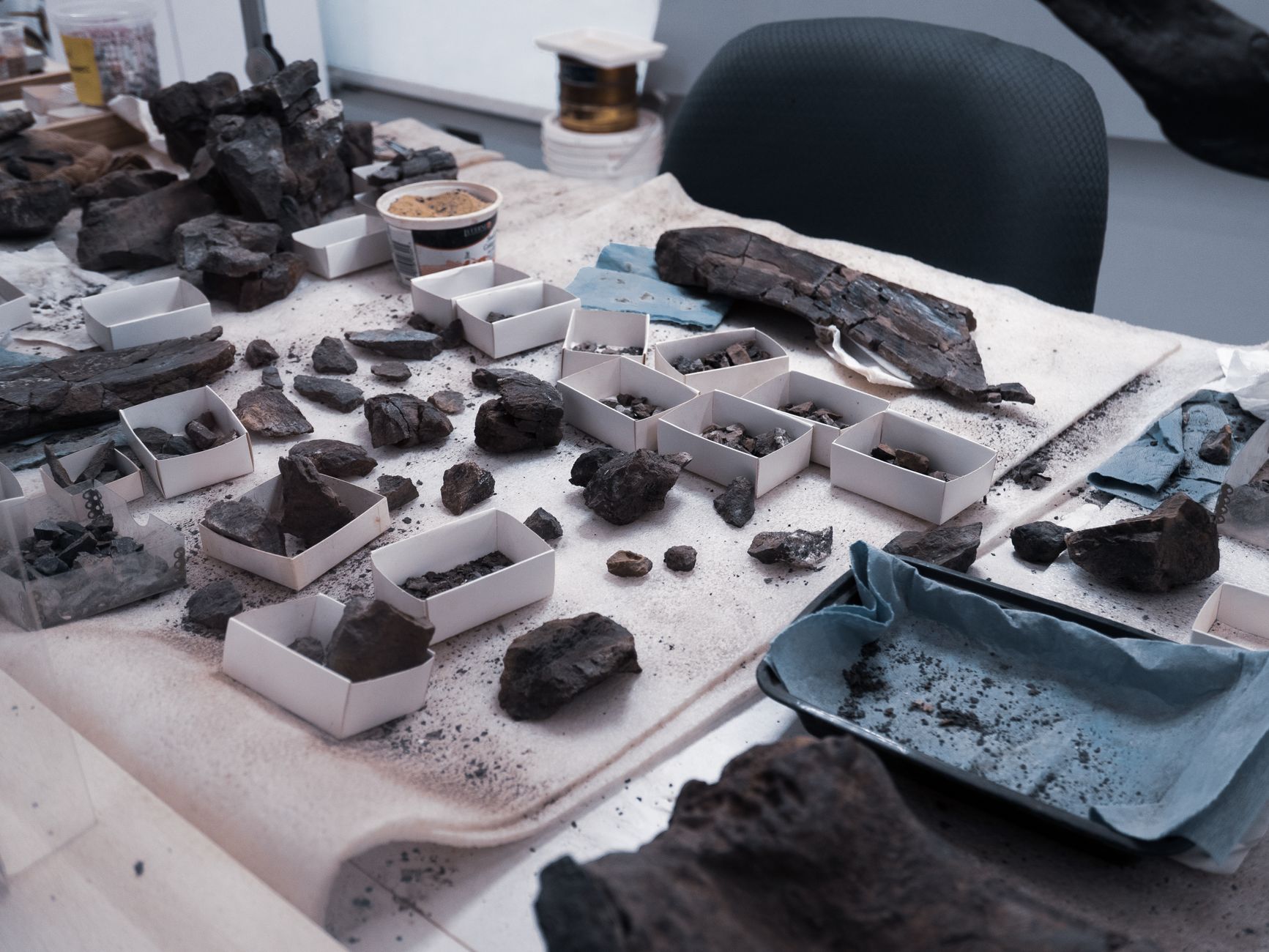
Last October, the remnants of Typhoon Halong wreaked havoc in Western Alaska, causing widespread flooding and revealing thousands of ancient Yup'ik artifacts near Quinhagak. This dramatic event highlighted the accelerating threat of climate change, as thawing permafrost and coastal erosion expose precious cultural heritage to the Bering Sea. Archaeologists, in partnership with the local community, are now in a desperate race against time to recover these 400-600-year-old objects. These artifacts offer an irreplaceable link to the past, showcasing the resilience and ingenuity of Alaska Native culture before Western contact, making their preservation crucial for future generations.
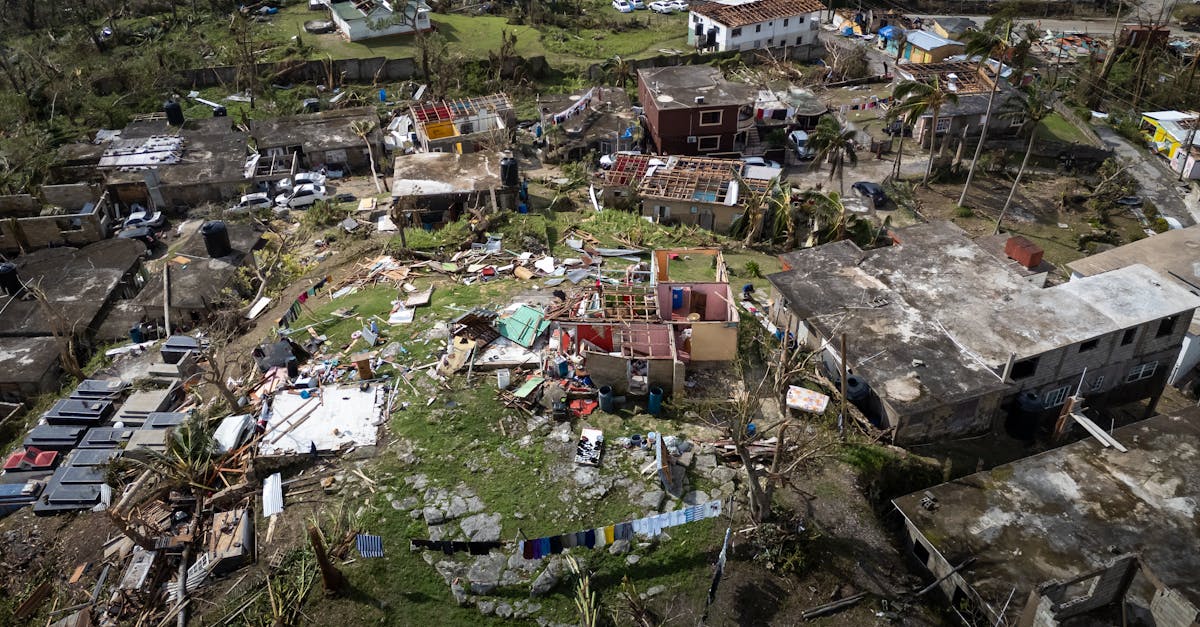
A devastating hurricane like the one that struck Miami in 1926 could unleash unprecedented economic chaos today, with estimated damages soaring past $280 billion. This staggering figure would make it the costliest weather disaster in history, far exceeding Hurricane Katrina. The dire forecast is driven by explosive population growth, extensive coastal development, and the intensifying impacts of climate change, including rising sea levels and more powerful storms. Urgent action is needed to prepare and mitigate future risks in vulnerable coastal communities.
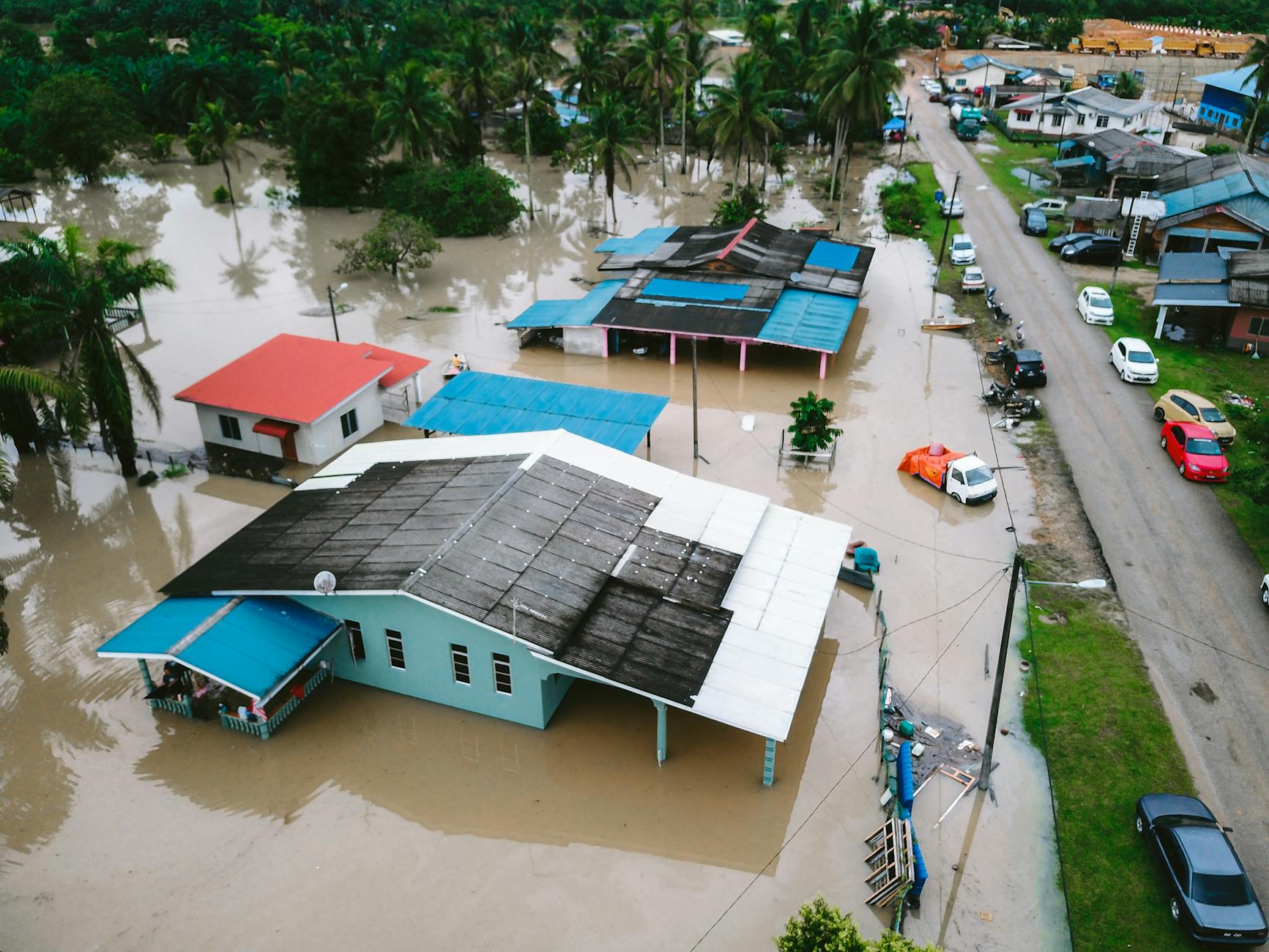
A tragic flash flood has claimed three lives on the Navajo Nation, including a 7-year-old girl, as heavy monsoon rains swept through the region. Elsie Begay, her granddaughter Lucy Allison Mike, and their friend Dora Franklin were tragically swept away while trying to cross a wash after their truck became stuck. The devastating incident occurred near Newcomb, New Mexico, amid a late-season surge of intense weather. Navajo Nation President Buu Nygren has since declared a state of emergency, highlighting the widespread damage, isolated communities, and impassable roads that underscore the severe impact of such extreme weather events on vulnerable areas. This tragedy serves as a stark reminder of the unpredictable and dangerous consequences of powerful natural phenomena.
A disturbing mystery is unfolding in Lake Tahoe’s exclusive Incline Village, where a silent assailant has been systematically poisoning towering trees, killing many that are over a century old. This act of environmental vandalism, escalating since 2022, has sparked outrage among residents. In response, a private group and local district are offering a significant $147,000 reward to uncover the culprit. The loss of these vital trees not only devastates the area's natural beauty but also threatens Lake Tahoe's delicate ecosystem, impacting its famed clarity and wildlife habitat.
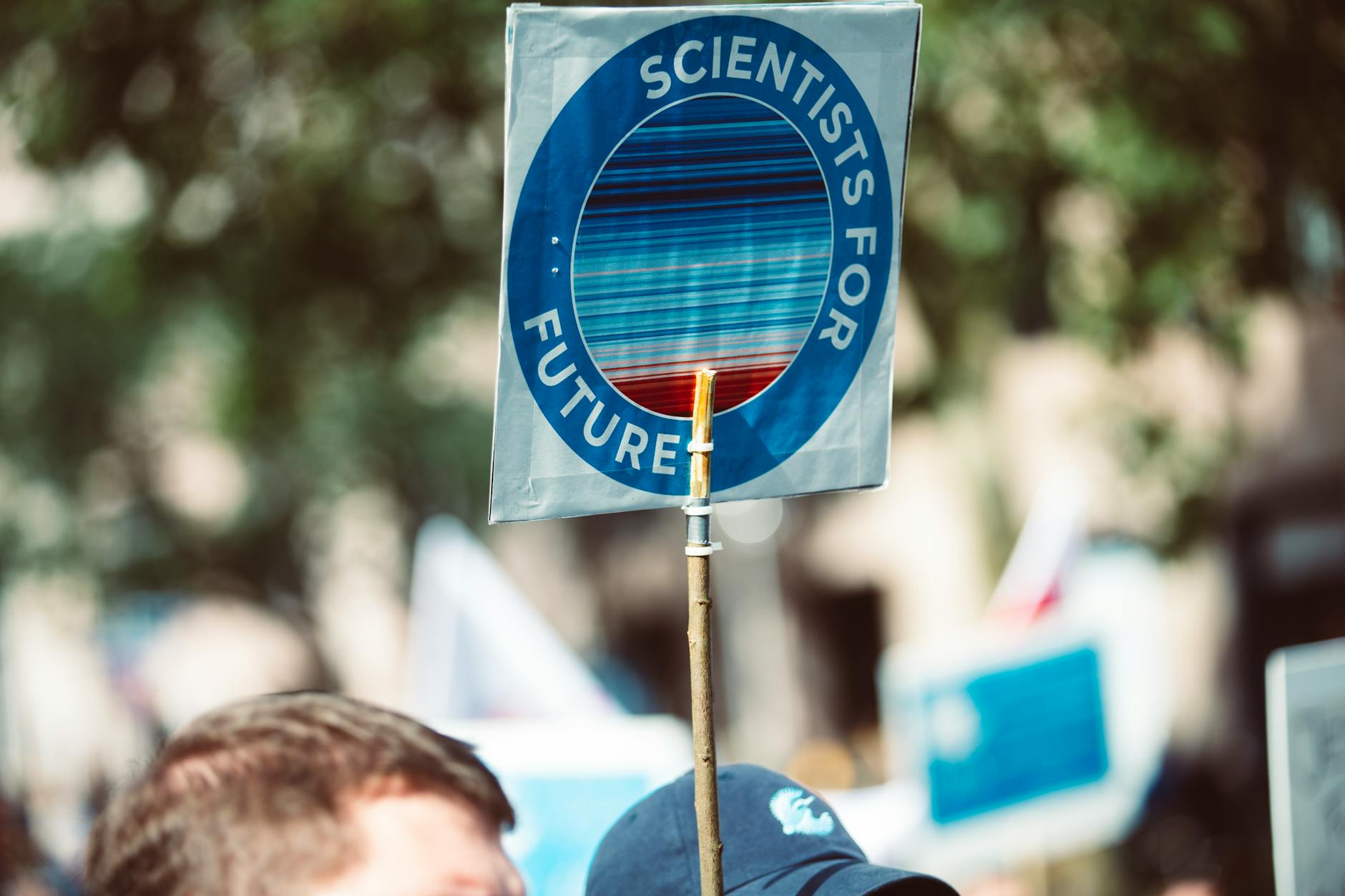
The United Nations warns that current climate policies are pushing Earth beyond the critical 1.5 degrees Celsius warming target set by the Paris Agreement, potentially reaching 1.8 degrees. This comes as the world experiences record heatwaves, devastating floods, and widespread climate impacts. Climate scientist Michael Mann, in an interview on Living on Earth, likens this warming to a dangerous "fever" for our planet, emphasizing that serious consequences are already here. We must limit further warming to prevent catastrophic future scenarios. Mann, author of "Science Under Siege", makes clear that rapid decarbonization is essential for our collective future.
California Governor Gavin Newsom has vetoed Senate Bill 954, legislation that aimed to reinstate environmental reviews for certain advanced manufacturing facilities. The bill sought to roll back controversial exemptions from the California Environmental Quality Act (CEQA) enacted last year, which fast-tracked industrial construction. While supporters argued the bill would protect communities from pollution and industrial hazards, Newsom maintained that the original reforms were vital for building and economic growth in the state. This decision sparks continued debate over balancing industrial development with essential environmental and public safety safeguards.
After decades of decline, endangered Atlantic salmon in Maine's Narraguagus River have a new chance. A significant ice-control dam in Cherryfield, a major obstacle for migrating fish, has been removed and replaced with a nature-like fishway, opening up miles of crucial habitat. This generational effort highlights local action to restore vital ecosystems. However, scientists caution that the wider challenge of climate change, bringing warmer oceans and rivers, presents an uncertain future for these iconic fish, underscoring the urgency of global warming solutions.
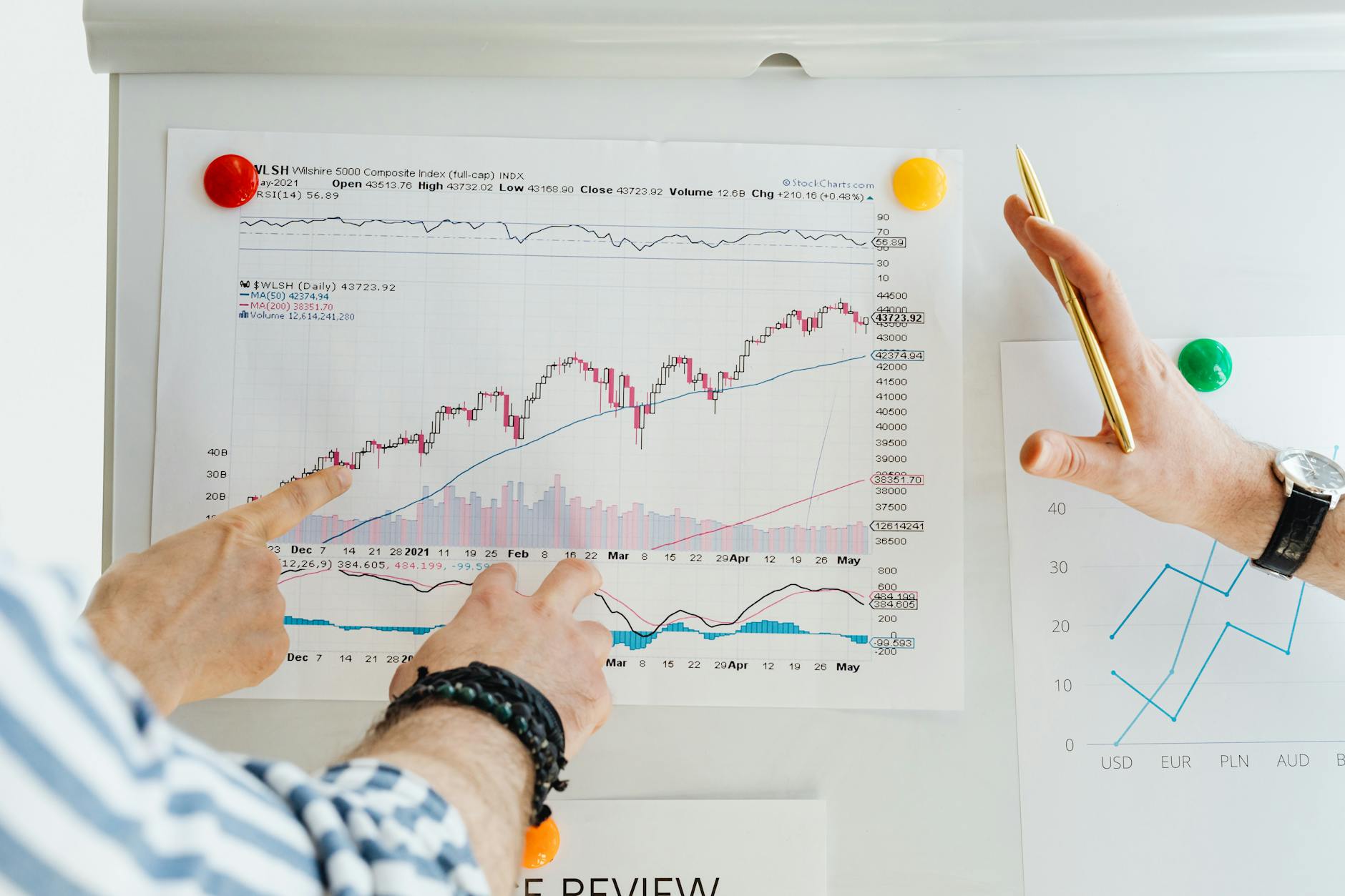
A recent report from Morgan Stanley reveals a significant trend: sustainable investment funds are not just good for the planet, they're also better for investors' wallets. In the first half of 2026, these green funds outperformed their traditional counterparts, delivering an impressive 4.9% higher return. This finding underscores a powerful shift in the financial world, where focusing on environmental, social, and governance (ESG) factors is proving to be a winning strategy. It highlights how responsible investing can drive both financial growth and crucial progress toward a more sustainable future.
Verra has introduced a new Scope 3 Standard (S3S) Program aimed at helping companies address their indirect emissions, which often make up over 75% of their total carbon footprint. This innovative program creates a structured way to measure, verify, and report emissions reductions from projects within corporate value chains. By linking climate action directly to company operations, it seeks to unlock crucial investment for sustainable solutions, highlighting the urgent need for comprehensive environmental action across global supply chains.
Tesla and SpaceX are facing a legal challenge over the name of their ambitious new chip factory, "Terafab." A smaller nanotechnology company, TERA-print LLC, claims ownership of the "Tera-Fab" trademark and argues that the tech giants' use of a similar name would confuse consumers. This dispute has escalated into a federal lawsuit, casting a shadow over the future of a facility crucial for advanced AI and sustainable robotics. The outcome will determine if this key project can proceed under its planned identity.
Loja, Ecuador, a city of 200,000, has dramatically transformed its urban landscape by implementing an innovative "Urban Green System." What were once neglected, unsafe areas are now over 600 hectares of connected green spaces, featuring 32 kilometers of vibrant trails, parks, and bike paths. This ambitious project has not only boosted residents' physical and mental well-being but also significantly improved the city's environmental resilience by reducing seasonal flooding and cooling urban areas. Loja's commitment to integrating nature into its core infrastructure offers a powerful blueprint for cities facing climate challenges, proving that green solutions are key to healthier, more sustainable communities.
Many Pittsburgh residents face a persistent problem: wet basements. The city's hilly terrain and dense clay soils make it prone to water pooling, a situation worsened by increasingly extreme storms driven by climate change. This chronic dampness isn't just an inconvenience; it creates an ideal environment for mold and other microbes, posing significant health risks. New research highlights how widespread this issue is and its serious implications for public well-being, especially in vulnerable communities.