Loja, Ecuador, a city of 200,000, has dramatically transformed its urban landscape by implementing an innovative "Urban Green System." What were once neglected, unsafe areas are now over 600 hectares of connected green spaces, featuring 32 kilometers of vibrant trails, parks, and bike paths. This ambitious project has not only boosted residents' physical and mental well-being but also significantly improved the city's environmental resilience by reducing seasonal flooding and cooling urban areas. Loja's commitment to integrating nature into its core infrastructure offers a powerful blueprint for cities facing climate challenges, proving that green solutions are key to healthier, more sustainable communities.
Many Pittsburgh residents face a persistent problem: wet basements. The city's hilly terrain and dense clay soils make it prone to water pooling, a situation worsened by increasingly extreme storms driven by climate change. This chronic dampness isn't just an inconvenience; it creates an ideal environment for mold and other microbes, posing significant health risks. New research highlights how widespread this issue is and its serious implications for public well-being, especially in vulnerable communities.
Tesla and SpaceX's ambitious plan for a massive $16.8 billion Terafab chip factory, critical for advanced AI and robotics, has hit an unexpected snag. A legal dispute has erupted over the factory's name, 'Terafab,' which a small nanotechnology company, TERA-print LLC, claims infringes its existing trademark. This legal battle could impact the timeline and branding of a project designed to power the next generation of artificial intelligence, vital for everything from autonomous systems to sustainable tech solutions.
Just two years after a massive incident, the Moss Landing Power Plant in Monterey County is grappling with another battery fire. This latest blaze involves batteries still charged from the previous 2025 fire, which had displaced residents and spewed toxic gases. While officials report this fire is smaller and contained, nearby residents were again ordered to shelter-in-place, underscoring the ongoing challenge of safely transitioning to large-scale clean energy solutions. Ensuring the reliability and safety of such crucial infrastructure is paramount for our climate goals.
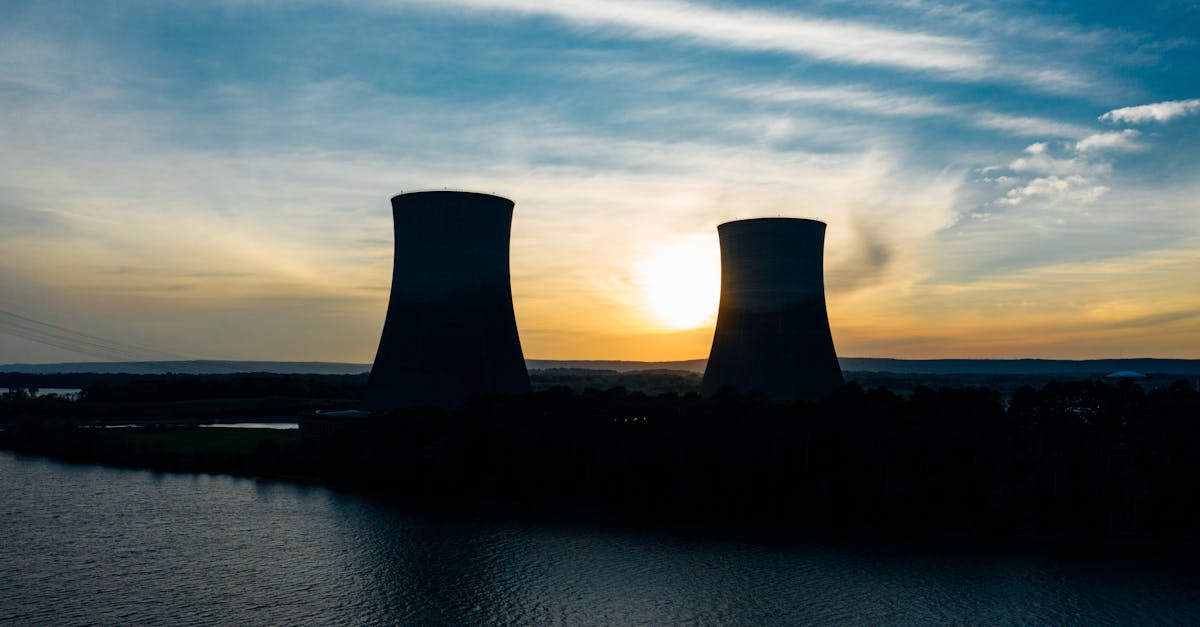
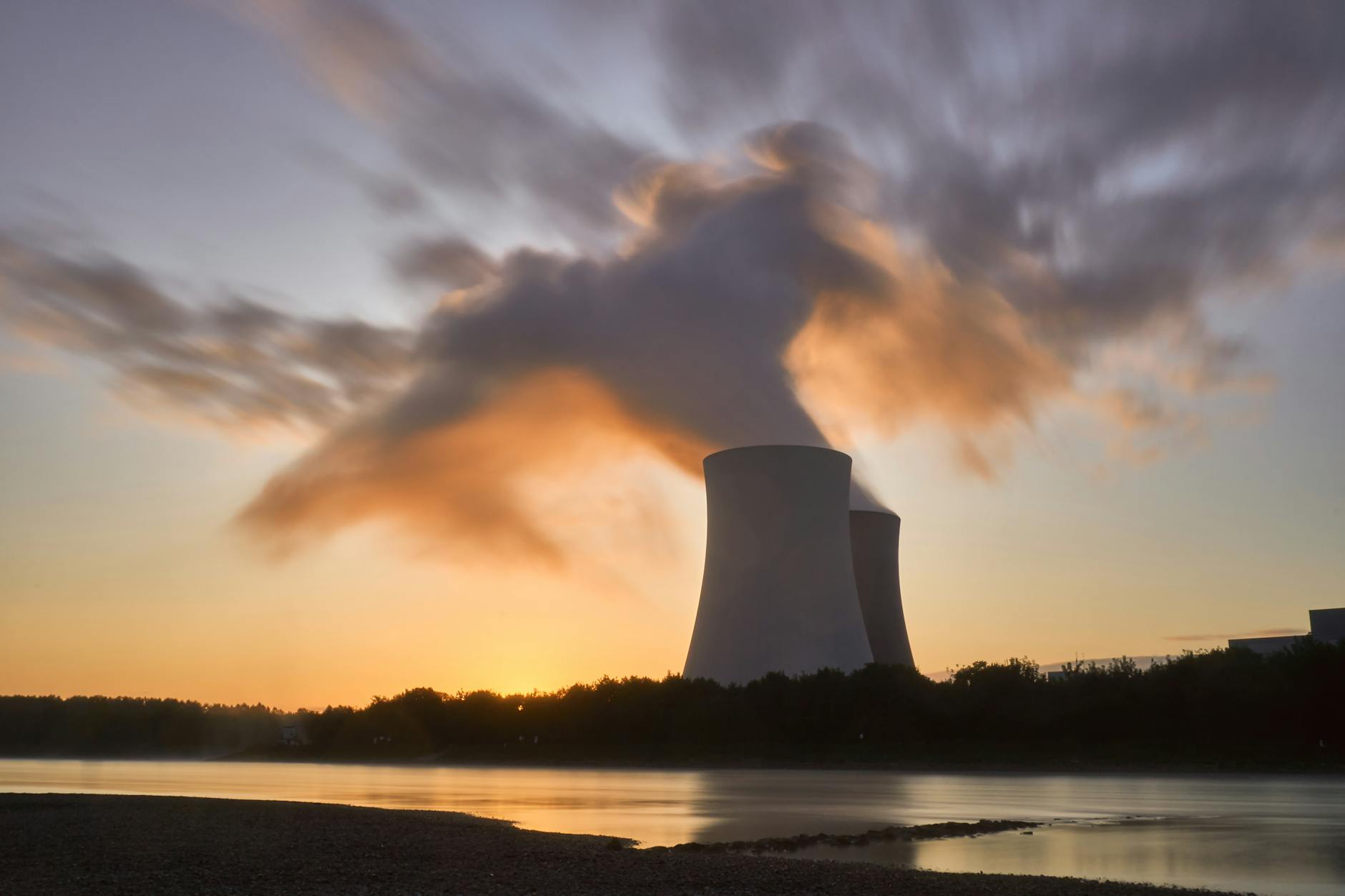
As the climate crisis intensifies, traditional views on energy are being urgently re-evaluated. Many are rethinking long-held opposition to nuclear power, acknowledging its vital role in achieving a carbon-free future. This shift recognizes that the immense and immediate threat of global warming demands an "all hands on deck" approach to energy, prioritizing effective decarbonization over outdated cost-first strategies or fear-driven narratives. It's becoming clear that embracing all clean energy options, including reliable nuclear, is essential to protect our planet.
Once a vocal critic of nuclear energy, a leading analyst has dramatically changed his stance, now advocating for its expansion. This transformation stems from a fresh look at nuclear power's safety record, remarkable operational improvements, and its crucial, often underestimated, role in tackling the escalating climate crisis. As the world urgently seeks cleaner energy solutions, this shift highlights nuclear power's potential to significantly reduce carbon emissions and accelerate our transition to a sustainable future.
Google has announced its largest carbon removal purchase yet, partnering with Terradot on a pioneering project in southern Brazil. This ambitious initiative will tackle climate change by reducing potent methane emissions from over 200,000 hectares of rice farmland while also permanently removing carbon dioxide from the atmosphere. By combining these two crucial strategies, the project offers a blueprint for how agriculture can play a significant role in our urgent global efforts to stabilize the planet's warming and foster sustainable solutions for the future.
California's State Water Resources Control Board has approved long-awaited, stricter regulations to combat water pollution from dairy farms, particularly in the Central Valley. This critical move aims to curb nitrate contamination from manure, which has seeped into groundwater and drinking water sources for years. The pollution poses serious health risks, including "blue baby syndrome" in infants and increased cancer risks for adults, disproportionately affecting vulnerable low-income communities of color. These new rules are a significant step towards ensuring cleaner, safer drinking water and addressing a persistent environmental justice issue.
Once a fervent advocate for carbon taxes and renewable energy, one analyst recounts a profound shift in his perspective on nuclear power. This change was sparked by the failure to implement effective carbon pricing and the controversial closure of New York's Indian Point nuclear plant. The experience forced a critical re-evaluation of how we truly decarbonize our energy grid, highlighting the complex trade-offs and unexpected setbacks in the urgent fight against global warming. It underscores why every source of carbon-free electricity matters.
Oracle is making significant strides in sustainable data center operations with its ambitious Project Jupiter in New Mexico. As the demand for AI infrastructure skyrockets, so does the energy and water consumption associated with these facilities. Oracle's innovative approach aims to tackle these environmental challenges head-on by redefining how large-scale cloud and AI data centers are built and powered. This project highlights a critical shift in the tech industry toward more environmentally responsible practices, focusing on reducing its impact on vital natural resources.
The United Kingdom and the United States are deepening their collaboration on fusion energy, a move aimed at speeding up the development of a clean, near-limitless power source. This new partnership, announced in London, focuses on integrating artificial intelligence (AI) and advanced computing with fusion research, alongside simplifying regulations for future power plants. Both nations are investing heavily to turn decades of laboratory work into real-world electricity, hoping to address the urgent need for sustainable energy solutions. This strategic alliance represents a significant step towards unlocking a future powered by clean, reliable fusion energy, offering a powerful alternative to fossil fuels and combating climate change.
A unique natural defense is taking shape in Laurel Bay, South Carolina, where coastal erosion threatens homes and a beloved park near Port Royal Sound. With rising water levels and intensifying storms due to climate change, this vital coastline faces growing risks. Local efforts, spearheaded by partners like The Nature Conservancy, are deploying "oyster castles" – a living solution designed to halt erosion and naturally adapt to environmental shifts. This innovative approach not only protects the land but also restores crucial marine habitat, showcasing a sustainable path forward for vulnerable communities.