Recent discussions at Brazil's 4th Climate & Carbon Conference underscored the urgent need to accelerate and strengthen global carbon markets. Experts emphasized boosting integrity, embracing automation, and integrating national systems to effectively combat climate change. Meanwhile, a new integrated registry launched by Verra and S&P Global Energy aims to enhance transparency and tracking of carbon credits, crucial for building trust. These developments are vital steps in ensuring carbon markets genuinely drive environmental action and promote sustainable solutions worldwide.
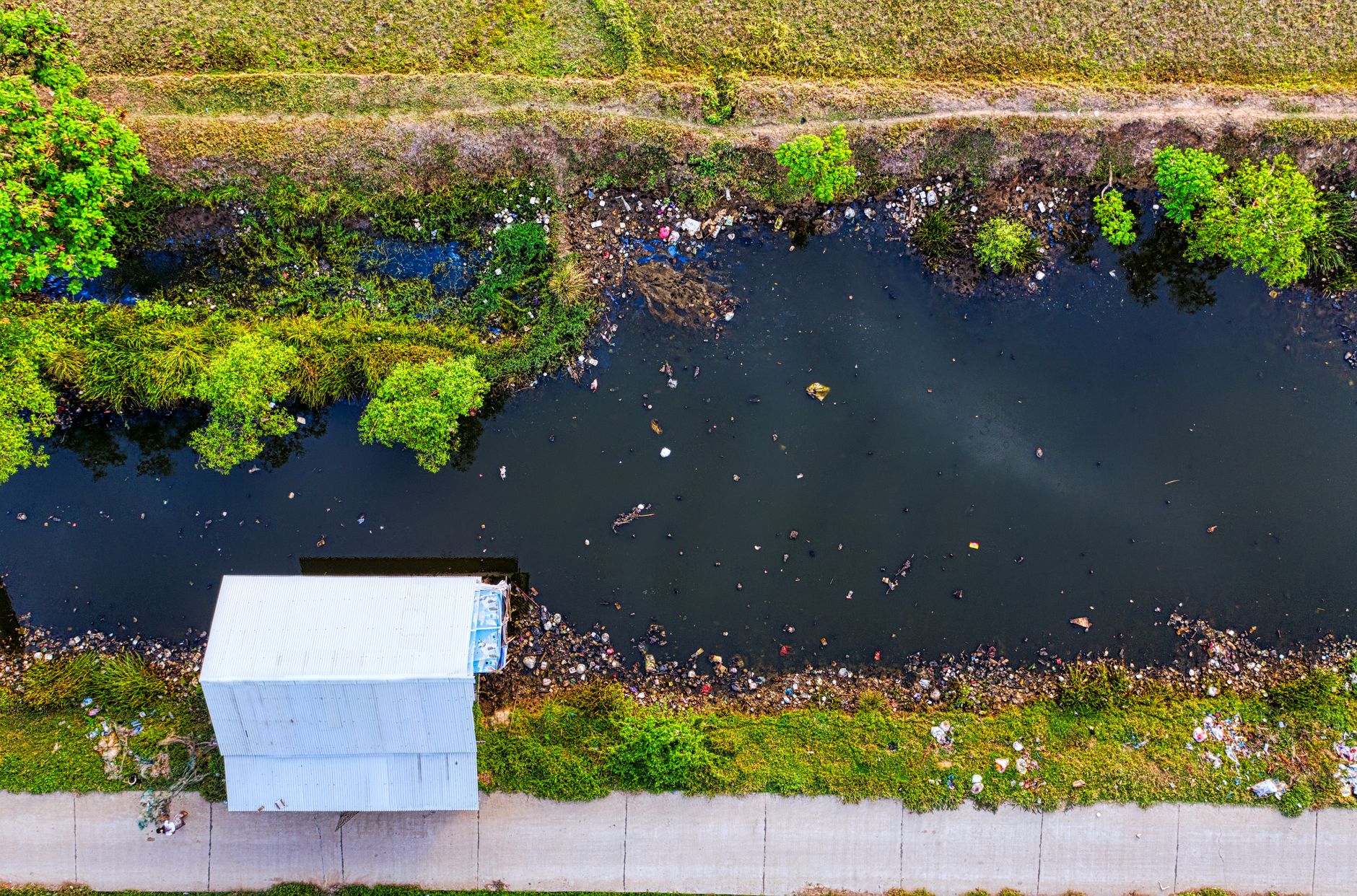
For decades, communities in eastern North Carolina have endured severe pollution from industrial hog farms. Hurricanes in the 1990s exposed a disastrous waste management system, leading to the 2000 Smithfield Agreement. This pact aimed to replace crude waste lagoons with "environmentally superior technologies." However, despite scientific advancements proving effective and affordable solutions, the dominant pork producer, Smithfield Foods, refused to implement them. As a result, residents, often low-income and minority, continue to face health risks and environmental decay, highlighting a critical failure to adopt sustainable practices.
California’s cherished coastline recently dodged a significant threat when Governor Gavin Newsom withdrew a controversial bill. This proposed legislation aimed to create an unprecedented exemption to the 50-year-old Coastal Act, potentially benefiting a major campaign donor’s development project in Santa Monica. The move sparked widespread alarm among environmental advocates and legislators, who warned of a dangerous precedent. This victory highlights the constant vigilance needed to protect California’s precious natural resources and ensure public access to its stunning shores.
Global temperatures are on the rise, making cities particularly vulnerable to increasingly dangerous heatwaves. These extreme weather events don't just cause discomfort; they pose serious health risks and disrupt daily life. Urban climate expert Brian Stone, a Georgia Tech researcher, recently discussed with NPR's Scott Simon the critical need for cities to fundamentally change their design and infrastructure. His insights underscore the urgent call for sustainable urban planning to protect residents and ensure our cities can withstand the escalating climate challenges.
California lawmakers have struck a deal to regulate the state’s rapidly growing data center industry, a move driven by community concerns and fears of soaring utility bills. These facilities, essential for powering AI and digital services, consume vast amounts of electricity and water, straining the power grid and potentially hindering the state’s clean energy goals. The new legislation aims to protect consumers from rising costs while establishing rules to track and manage the centers' immense environmental footprint. This compromise marks a critical step toward ensuring sustainable growth in California's tech sector.
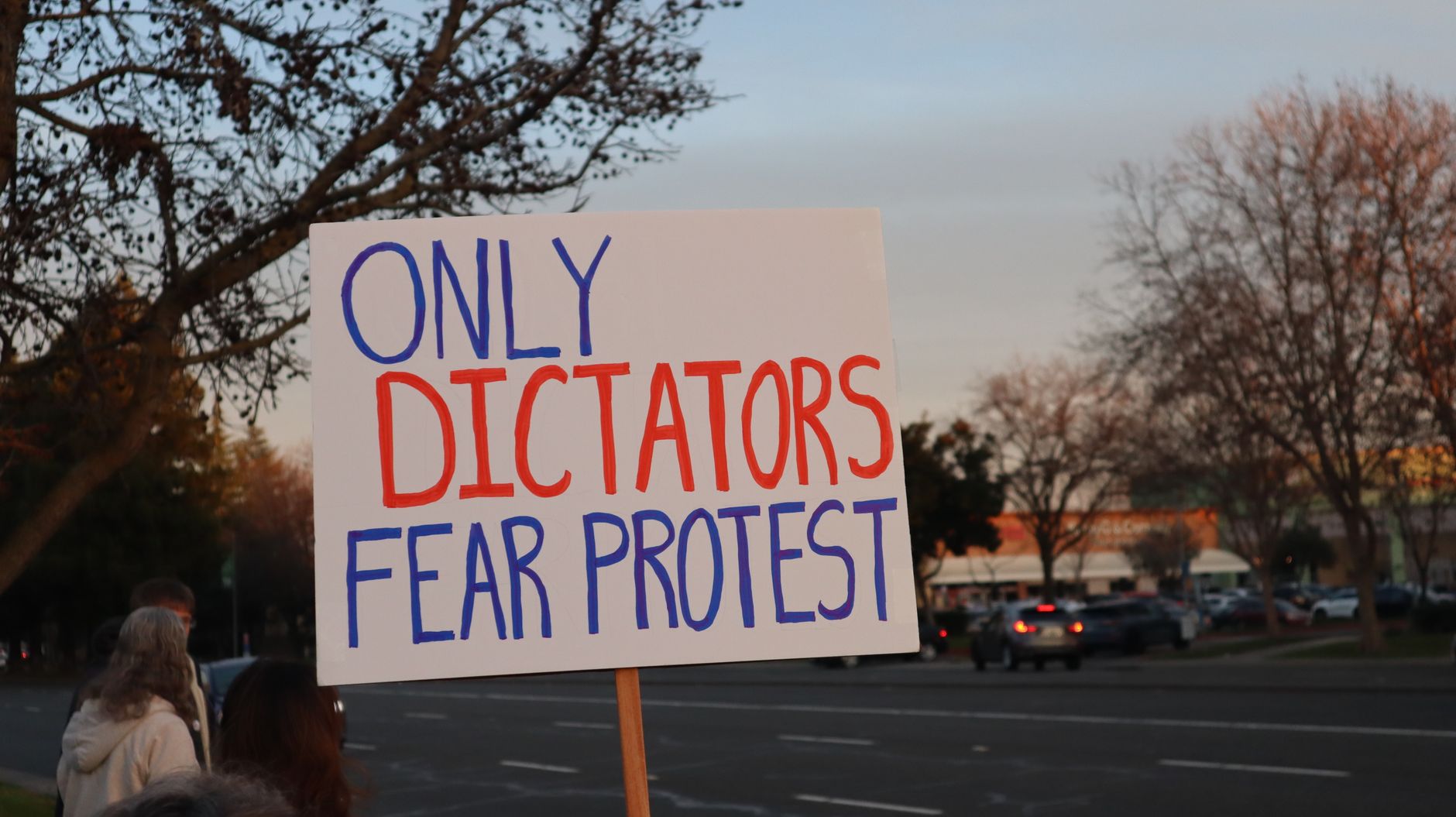
California Governor Gavin Newsom has significantly altered his plan regarding utility-sparked wildfire liabilities, backing down after weeks of protests from wildfire survivors and critics. The initial proposal, which would have shifted more costs to insurers and reduced payouts for victims, faced strong opposition, labeled as a "corporate bailout." A revised bill now aims to streamline payments for fire victims, curb profits for hedge funds on claims, and introduce new measures for utility accountability, particularly concerning executive bonuses. This shift underscores the growing pressure to protect communities from devastating fires, increasingly worsened by climate change, and ensure utilities bear fair responsibility.
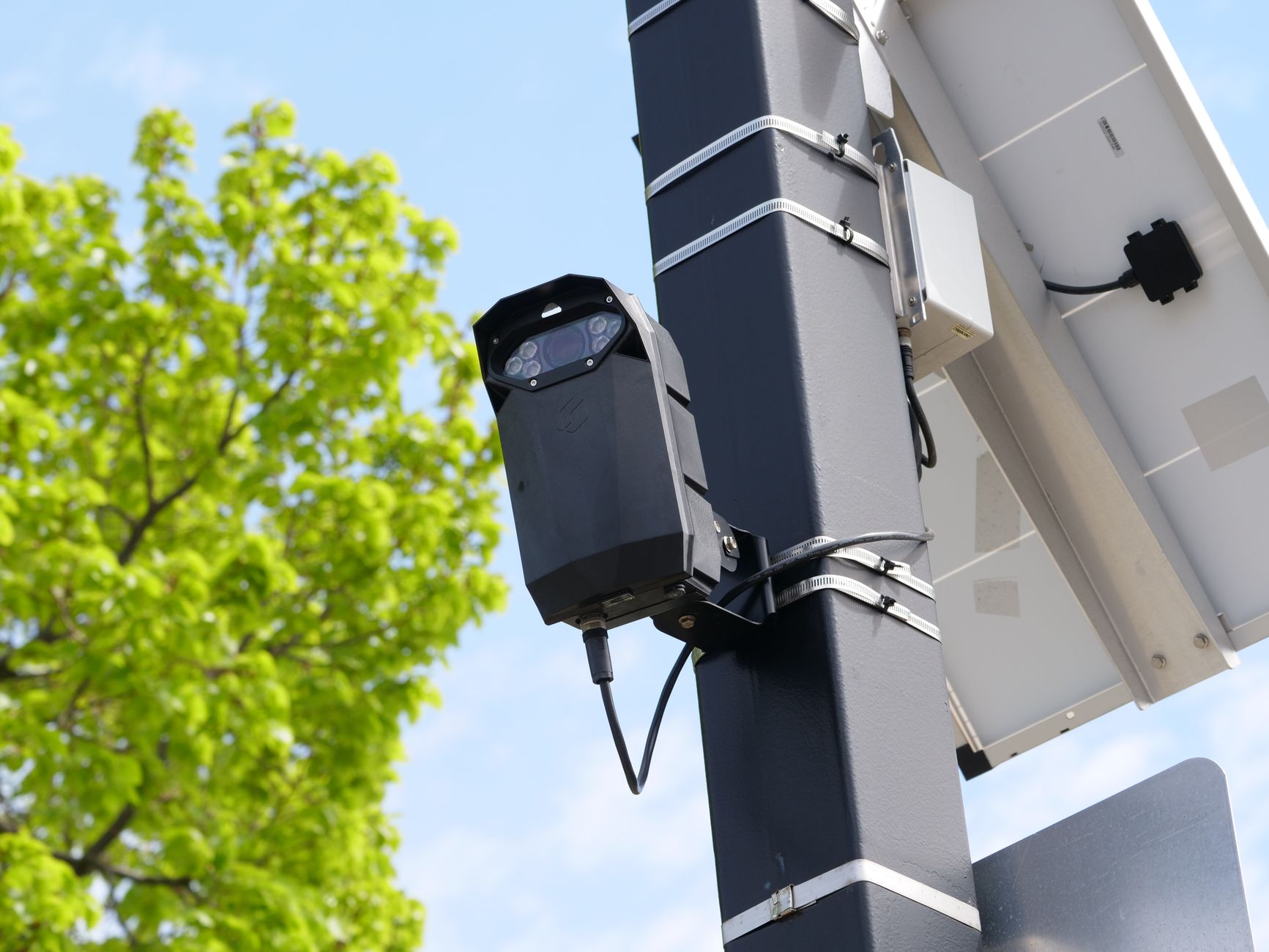
In Alabama, a surprising partnership has unfolded: Alabama Power, the state's largest utility, has become a key player in expanding surveillance. Partnering with companies like Flock Safety, the utility resells and installs license plate readers and cameras on its power poles across more than 80 municipalities. While supporters tout enhanced public safety, residents and experts are increasingly concerned about privacy, potential data misuse, and the alarming lack of transparency surrounding these powerful surveillance networks. This unique arrangement raises serious questions about who is watching and what happens to the collected information.
Pennsylvania is spending hundreds of millions of taxpayer dollars to burn waste coal, a practice that environmental experts say actively harms climate goals. While companies argue this method cleans up historical pollution, burning waste coal is significantly more carbon-intensive than traditional coal, worsening global warming. This costly approach diverts funds and attention from critical renewable energy development, leaving Pennsylvania far behind in the clean energy transition. The state produces more power from this polluting waste than from vital solar arrays, highlighting a critical environmental and financial misstep.
Tesla vehicles appear to be quietly expanding their in-car entertainment options, offering drivers more ways to relax while on the go. Recent discoveries by owners show that popular streaming platforms like Apple TV, HBO Max, and Prime Video now launch in a full-screen, app-like format directly from the vehicle's browser. This makes charging stops or parked breaks much more engaging, transforming necessary downtime into a seamless entertainment experience. It’s a smart move that further enhances the appeal of electric vehicles, making sustainable transport more enjoyable. This upgrade underscores the continuous innovation making EVs more attractive.
Tesla has officially discontinued its in-house vehicle wrap service, a customization option first launched in China in 2020 and introduced to the U.S. in October 2023. The service, which allowed owners to change their car's look with vinyl wraps, was only available in a handful of locations in California and Washington. Despite the popularity of vehicle wraps among Tesla owners seeking unique aesthetics, the program's limited geographic reach likely contributed to its brief lifespan.
Microsoft and Aker Solutions are partnering to accelerate carbon capture and removal projects worldwide. This collaboration aims to move promising ideas from concept to reality by addressing critical challenges like financing and project readiness. As global temperatures rise and emissions continue, speeding up these sustainable solutions is vital for tackling climate change and helping major companies meet their ambitious environmental goals. The urgency for effective carbon management has never been clearer.
Royal Philips has made a landmark move in sustainable finance, issuing the healthcare industry's first-ever €650 million green bond under the strict European Union Green Bond Standard (EuGB). This pioneering step, as announced in their official statement, not only secures funding for Philips' ambitious environmental goals but also sets a new benchmark for how healthcare companies can credibly link their financing to measurable ecological impact. It signifies a crucial shift towards combating 'greenwashing' and accelerating the transition to a more sustainable, circular economy within the vital healthcare sector.