Thanks to a remarkably successful fundraiser, critical reporting on extreme weather and climate change is expanding. Readers from across the globe generously exceeded the $10,000 goal, bolstering efforts to track dangerous storms and explain their connection to a changing climate. This vital support ensures that important environmental information reaches a wider audience, including Spanish-speaking communities, at a time when understanding climate impacts has never been more urgent.
Meet a former educator who has dedicated their life to a crucial cause: climate advocacy. After years in the classroom, this individual transitioned to addressing the growing urgency of global warming, driven by a deep commitment to future generations. Their journey highlights how personal passion can spark significant action, underscoring the critical need for everyone to engage in building a sustainable future. This advocate's story is a powerful reminder that it's never too late to make a difference for our planet.
A catastrophic rock-and-ice avalanche unleashed devastating floods across Nepal and Tibet on August 26, claiming hundreds of lives and leaving thousands missing. Rescue efforts faced further complications due to new flooding concerns. This tragedy isn't just a natural disaster; it's a stark warning about our warming planet. Experts confirm that long-term human-caused climate change has dangerously destabilized the Himalayas' glaciers and permafrost, setting the stage for such catastrophic events. This disaster underscores the urgent need for global climate action to protect vulnerable communities and ecosystems.
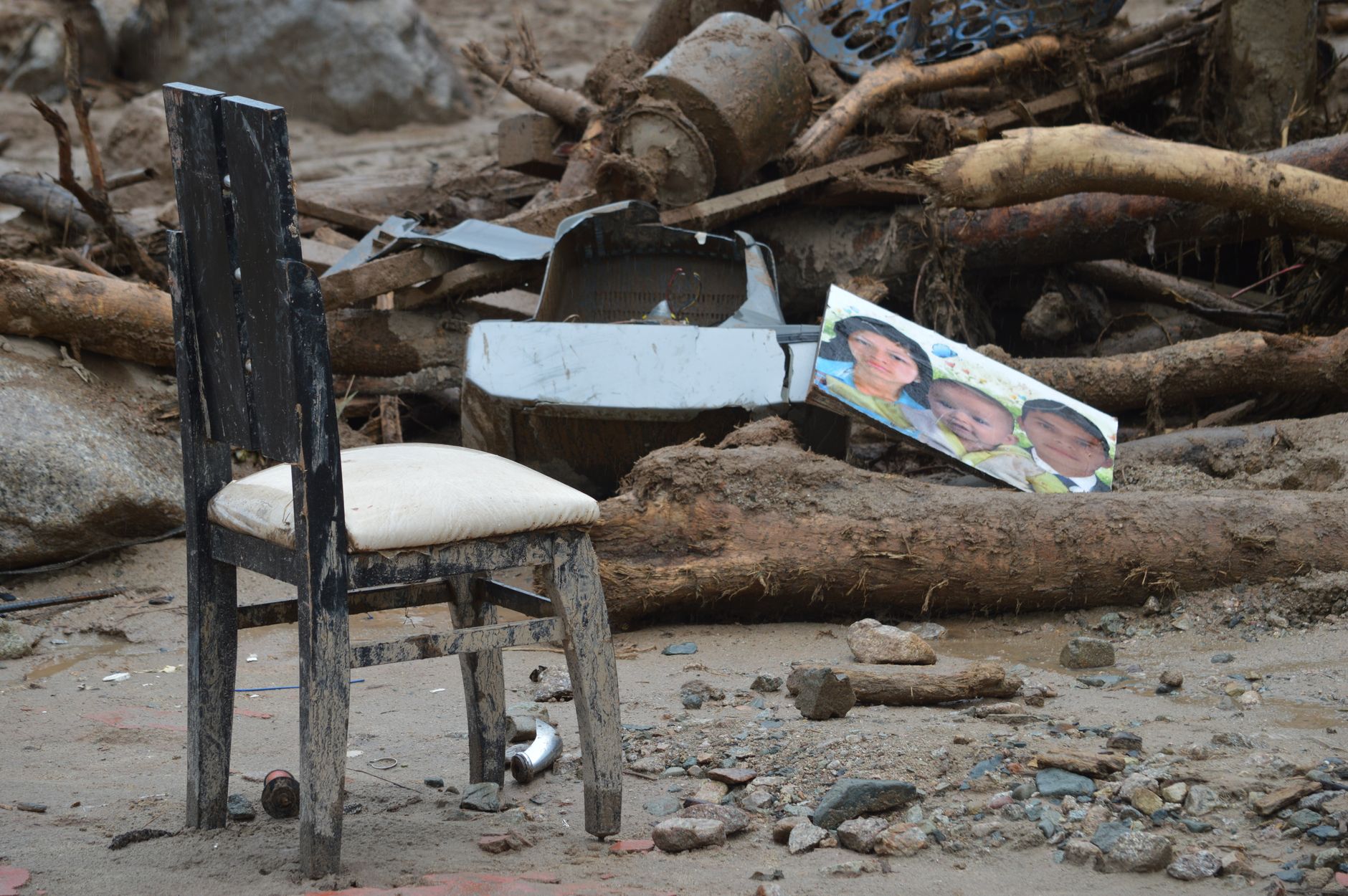
Deadly flash floods have swept through Nepal and Tibet, leaving hundreds dead and over a thousand missing. Initial reports indicate a massive chunk of ice broke off a glacier, sending a torrent of rock, ice, and mud through valleys. This devastating event highlights the increasing instability of glaciers worldwide, a direct consequence of human-caused global warming. As our planet heats up, such natural disasters are becoming more frequent and severe, urging immediate action.
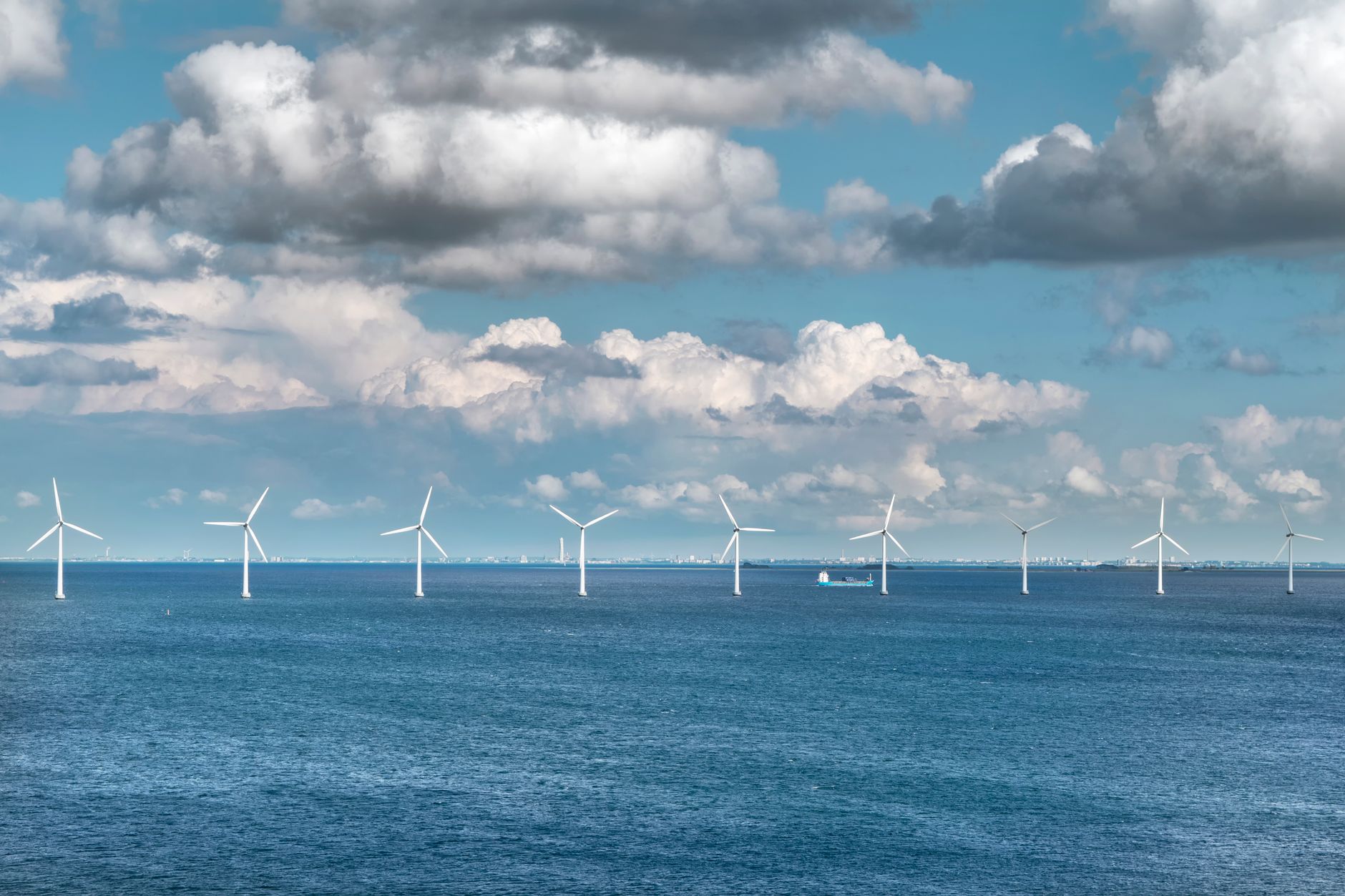
California has launched a lawsuit against the Trump administration and a developer following a controversial deal that saw a critical offshore wind project abandoned for fossil fuel development. The state's Attorney General, Rob Bonta, and the California Energy Commission are challenging a $120 million payout to Golden State Wind, arguing it violates federal law. This legal battle is crucial for California's ambitious clean energy goals, including developing 25 gigawatts of offshore wind power by 2045, a vital step in combating global warming and transitioning to a sustainable future.
Lee Marten, a former Vancouver police sergeant, is sharing his remarkable journey as one of the first patients to receive Neuralink’s brain implant. Diagnosed with ALS, a devastating neurodegenerative disease, Marten faced a future without the ability to move or speak. This advanced wireless brain-computer interface technology has offered him a lifeline, allowing him to communicate and interact with the world using just his thoughts. His story highlights a significant leap in assistive technology, providing hope for many facing similar challenges.
Southern California is experiencing an unusually muggy summer, with humidity levels soaring to create conditions more akin to Florida. This uncomfortable blend of heat and moisture is making already intense temperatures feel even more miserable, especially overnight, where new low-temperature records are being set. Experts link this phenomenon to a mix of tropical storm remnants, a powerful El Niño, and significantly warmer ocean temperatures, a direct consequence of ongoing climate change. The situation highlights the urgent need for action as our planet's warming trends reshape local climates, posing health risks and challenging our perception of 'normal' weather.
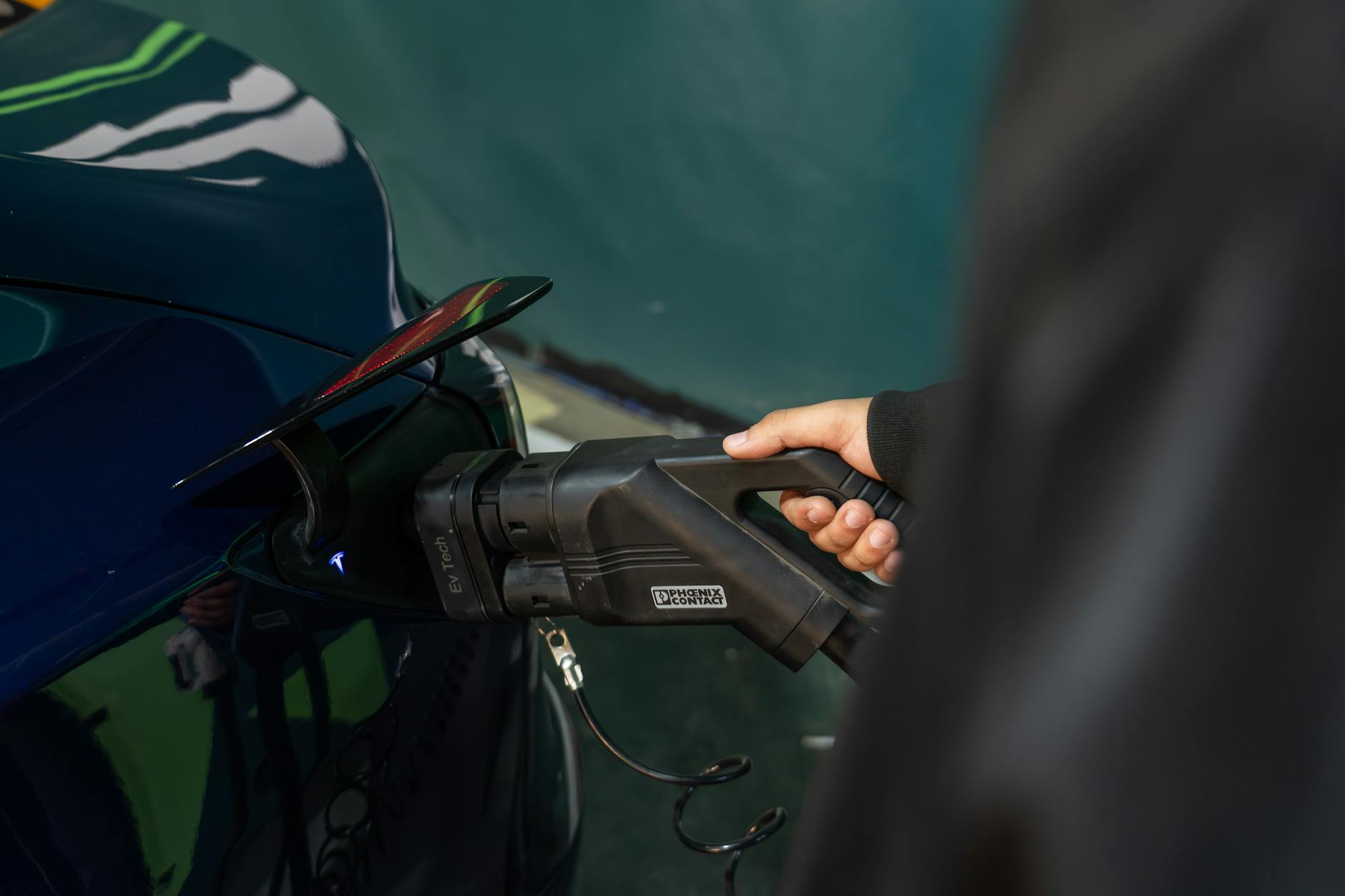
Tesla is making significant strides in both autonomous transportation and clean energy storage, signaling a broader strategy beyond just electric cars. With the impending launch of its purpose-built Cybercab robotaxi and a renewed focus on residential solar systems paired with advanced batteries, the company aims to create an integrated clean energy ecosystem. These efforts promise to reduce carbon emissions from transportation and increase the adoption of renewable power, crucial steps in combating climate change and moving towards a more sustainable future.
California's cherished 50-year-old Coastal Act, designed to protect public beaches and environmental health, faces an unprecedented challenge. Governor Gavin Newsom is reportedly backing a legislative maneuver to exempt a Santa Monica development from standard regulatory review. Critics warn this move, benefiting a major campaign donor, could undermine decades of effort to preserve California's iconic coastline. This potential carve-out raises serious questions about the future of coastal protection and public access, especially in an era demanding stronger environmental stewardship. It sparks outrage among advocates who see it as a betrayal of a landmark conservation law.
Maverick Mountain, a cherished Montana ski hill, is facing a challenging future after the recent Sand Creek Fire devastated its essential chairlift. This blaze occurred during a particularly severe wildfire season sweeping the American West, underscoring the growing impacts of a changing climate. Despite the extensive damage, the community is rallying to save this vital local institution. Residents, local businesses, and even a Montana rock musician have joined forces, launching the 'Friends of Maverick Mountain' campaign. Their urgent efforts aim to rebuild the ski area, which represents generations of memories and crucial recreational opportunities for local youth.
The market for carbon credits is evolving rapidly, with buyers increasingly paying a premium for verified quality, signaling a shift towards higher integrity in offsetting climate impacts. Meanwhile, the surging demand for AI technology is putting unprecedented pressure on power grids and significantly increasing emissions from semiconductor manufacturing, underscoring the deep link between technological growth and energy choices. On a more optimistic note, the world's largest direct air capture facility is on track to begin operations soon, offering a major milestone for industrial-scale carbon removal and a step towards tackling climate change with advanced solutions.
New research from the Galápagos Islands reveals a stark warning about our planet's changing climate. By examining both modern and ancient corals, scientists have found that global warming has intensified El Niño cycles over the past 40 years, pushing them beyond any natural variations seen in the last millennium. This escalation, linked to the burning of fossil fuels, makes these crucial weather events more extreme and costly than ever before. The findings underscore the urgent need for climate action, as stronger El Niños contribute to devastating global weather disruptions and accelerate planetary warming.