Malaysia is stepping up its efforts to manage growing energy use with a new 10-year plan, the National Energy Efficiency Action Plan 2026–2035 (NEEAP 2.0). This strategy aims to save an impressive US$21.5 billion and cut energy demand by 11.6% by 2035. With electricity needs rising from industrial growth and more data centers, this initiative is crucial for both economic stability and environmental protection. By focusing on efficiency, Malaysia seeks to lower greenhouse gas emissions while continuing its rapid development, contributing significantly to global climate action.
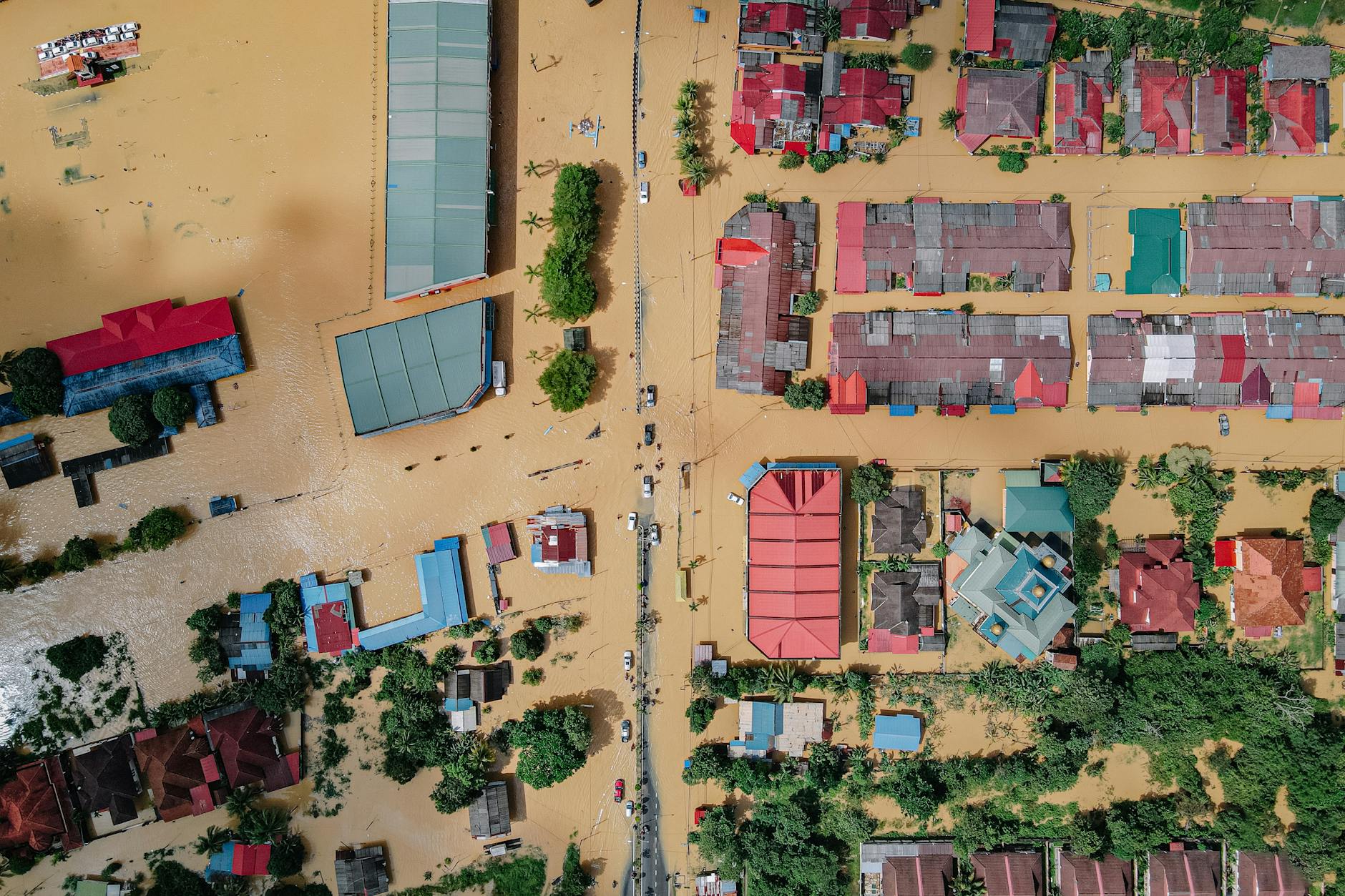
Record-breaking rainfall has unleashed devastating floods east of Tokyo, tragically claiming at least five lives and injuring dozens. Cities in Japan's Chiba prefecture experienced unprecedented downpours, submerging homes, vehicles, and even railway tracks. This extreme weather event stranded thousands of travelers and left tens of thousands without power, causing widespread chaos. The incident underscores the severe challenges urban areas face with escalating climate impacts and the critical need for resilient infrastructure to protect communities.
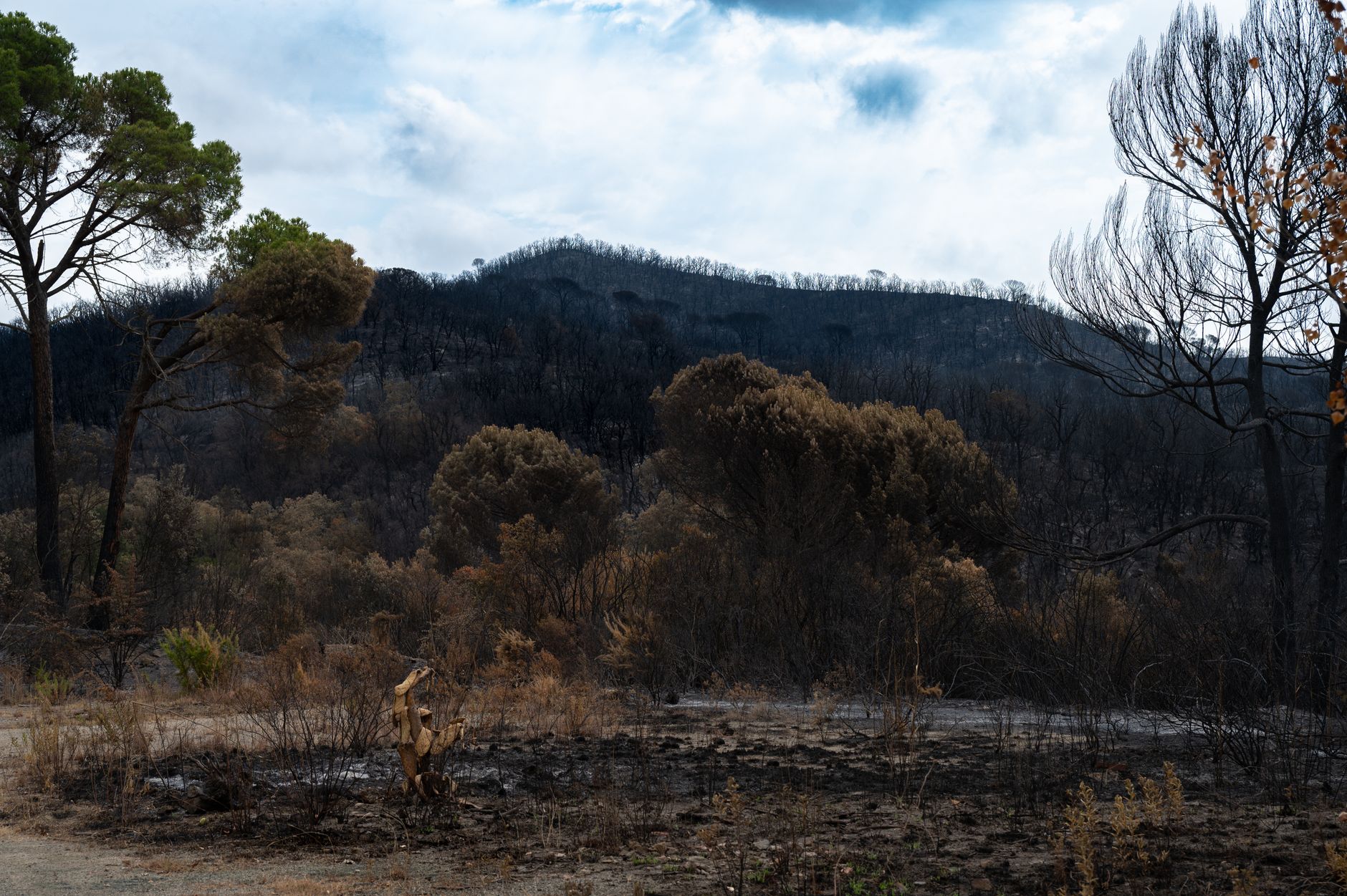
Europe is currently battling an unprecedented wave of wildfires, fueled by record-breaking temperatures and dangerously dry conditions. From France to the UK, Spain, and beyond, communities are facing evacuations and destruction as blazes tear through landscapes. These extreme weather events are increasingly linked to human-caused climate change, making immediate environmental action more urgent than ever. The continent, often unprepared for such intense heat, is grappling with the severe consequences of a warming world.
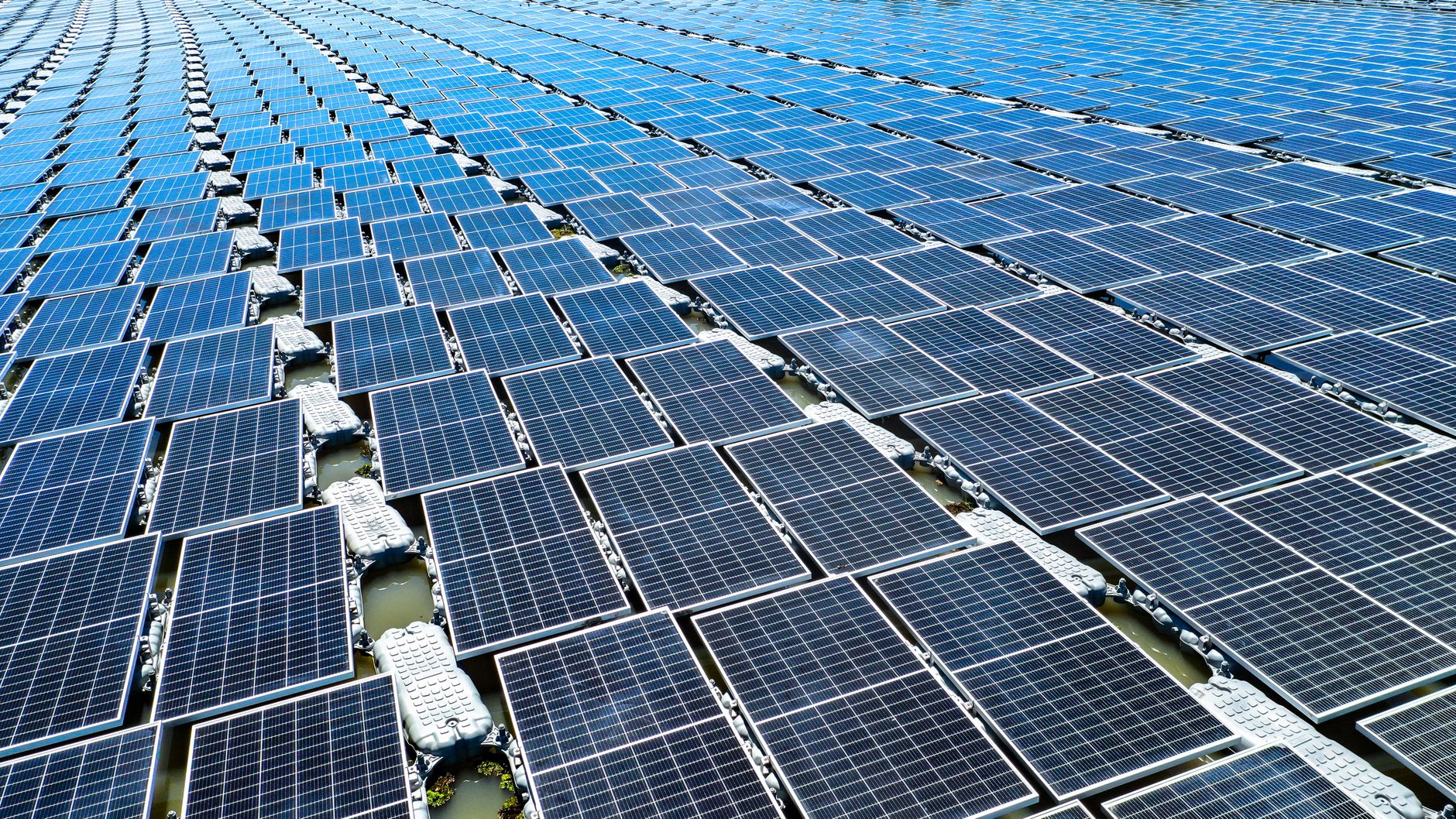
Tesla is considering a massive $10.1 billion solar manufacturing plant in Fort Bend County, Texas, known as Project Crystal Sun. This ambitious proposal aims to create nearly 10,000 jobs and significantly bolster U.S. domestic solar production by 2029. Such an investment highlights Tesla's growing commitment to clean energy and is crucial for reducing reliance on foreign supply chains. While still in early stages, this project could be a pivotal step in accelerating America's transition to a more sustainable, electrified future, helping to tackle climate change head-on.
Five summers ago, an unprecedented heatwave struck the Pacific Northwest, tragically claiming hundreds of lives in a region historically unaccustomed to such extreme temperatures. King County, which includes Seattle, was particularly affected, with many homes becoming dangerous ovens due to their design and a lack of air conditioning. This devastating event underscored the urgent need for communities to adapt to our changing climate. In response, King County is now implementing strategies to protect its most vulnerable, especially older adults, from future heat-related dangers.
Tesla Energy is rolling out a new Powerwall Lease program in Texas, offering homeowners whole-home backup power for a net cost of just $35 per month after credits. This initiative provides two Powerwall units and a fixed electricity rate through Tesla Electric. It aims to boost grid resilience and offer crucial protection during severe weather events, ensuring households maintain power when the traditional grid falters. This move highlights a growing commitment to sustainable, reliable energy solutions for a changing climate.
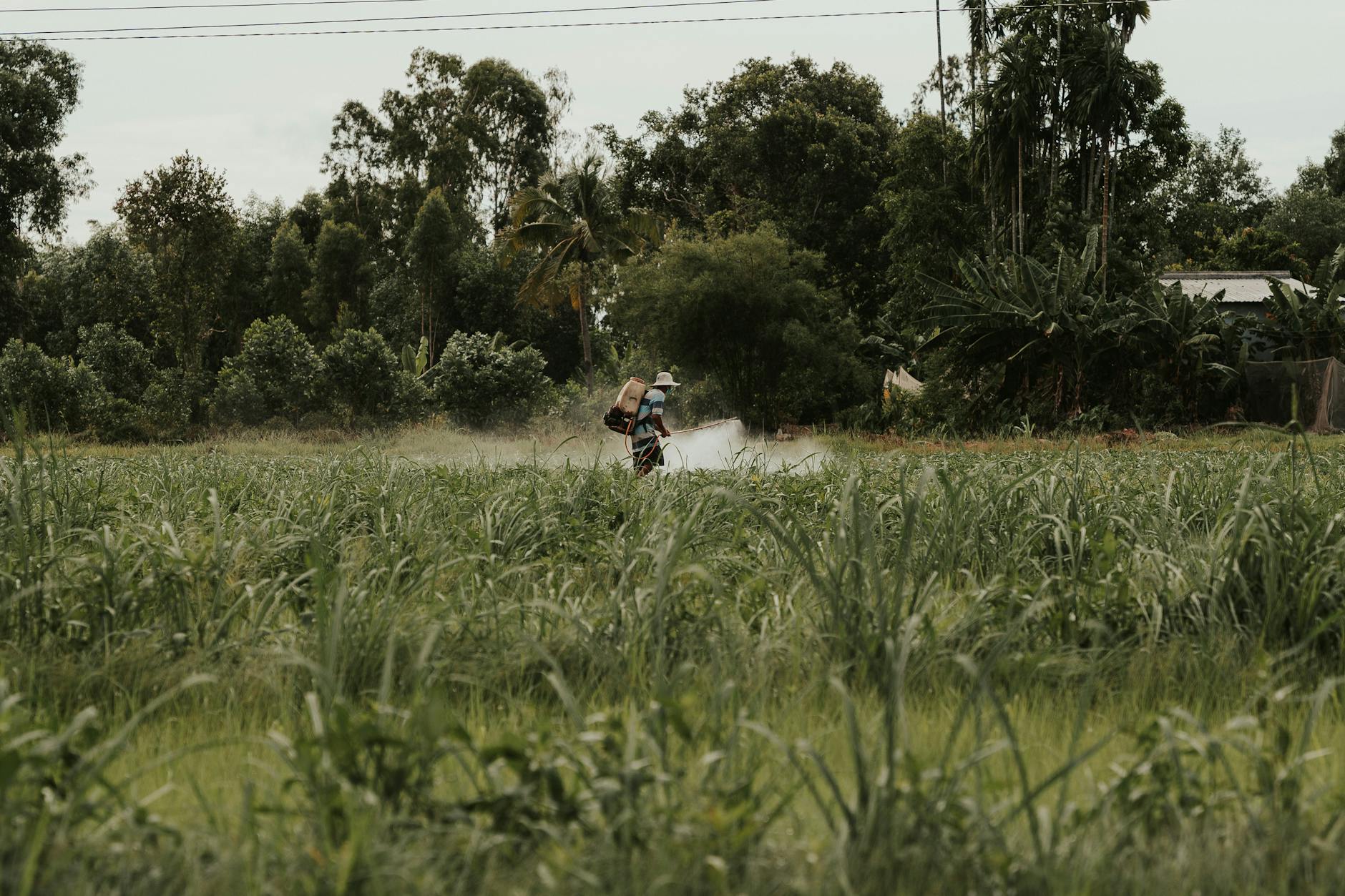
California's reputation as an environmental leader is under scrutiny as farmworkers and their advocates recently confronted state legislators, describing a broken pesticide regulatory system. Families shared harrowing accounts of severe health issues, including cancers and birth defects, which they attribute to exposure to harmful chemicals. Critics charge that the state's Department of Pesticide Regulation (DPR) fails to protect vulnerable communities, allowing the use of many chemicals banned in dozens of other countries. This raises urgent questions about environmental justice and the state's commitment to public health.
A recent study in Mexico’s Los Tuxtlas UNESCO biosphere reserve has uncovered alarming news: over 90 percent of howler monkey waste samples contain microplastics. This critical finding highlights the pervasive reach of human pollution, even into protected natural habitats. These tiny plastic fragments, often from improper waste disposal in nearby communities, pose a new threat to an already endangered species. The situation underscores the urgent need for better waste management and greater awareness to protect our planet's most vulnerable inhabitants.
The Hawaiian Islands are on high alert as Tropical Storm Lala approaches, threatening to become a rare landfalling hurricane. With hurricane warnings for the Big Island and watches across the state, residents face potential life-threatening flooding exacerbated by strong winds and heavy rainfall. This unusual system, fueled by unusually warm ocean waters, is poised to make history as only the second landfalling hurricane on record for Hawaii, underscoring the growing climate challenges.
As record-breaking heatwaves become the norm across the UK, a critical gap in worker protection is becoming clear. Currently, there are no legal maximum temperature limits for workplaces, leaving millions vulnerable to the health risks of extreme heat. A recent YouGov poll reveals overwhelming public support for new laws, with nearly four out of five Britons demanding action. Unions and climate experts are joining forces, emphasizing that robust regulations are essential for worker safety and as a vital step in adapting to our rapidly warming climate.
NVIDIA is rallying top financial firms like BlackRock and Goldman Sachs to fund a massive $500 billion AI infrastructure buildout. This initiative aims to help companies access the capital needed for data centers and computing power, treating these "AI factories" as critical infrastructure. However, this explosive growth in AI also means a huge surge in electricity demand, putting unprecedented pressure on our energy grids. Meeting this demand sustainably with clean energy is crucial to avoid escalating climate impacts and ensure AI development aligns with global environmental goals.
A new Florida law, House Bill 167, is set to make it significantly harder for residents to sue phosphate mining companies and developers over radiation exposure from homes built on reclaimed land. This change comes despite long-standing concerns about elevated levels of naturally occurring radioactive materials in areas like the "Bone Valley," where extensive phosphate mining has occurred. Environmental advocates and residents worry the law prioritizes corporate interests over public health, potentially leaving thousands exposed to long-term health risks without proper recourse. This situation highlights the critical need for robust environmental protections and corporate accountability.