EFM Investments & Advisory has made a significant move by investing over $100 million to acquire nearly 29,000 acres of coastal rainforest in northern Oregon. This substantial deal highlights a growing global trend: valuing forests not just for timber, but crucially for their role in storing carbon and protecting our environment. This "climate-smart forestry" approach combines sustainable timber production with vital conservation efforts, recognizing forests as key allies in our fight against global warming.
Tesla has recently trademarked 'MEGAPOD', signaling its deepening commitment to artificial intelligence and modular computing solutions. This new filing describes a self-contained, modular system packed with everything needed for AI workloads, from servers to cooling. It represents a significant step in how Tesla plans to build out its AI infrastructure, hinting at a future where powerful computing units can be deployed flexibly. This move could redefine how AI is integrated into our daily lives and energy systems, making advanced computing more accessible and efficient.
Elon Musk envisions a future where every car relies on satellite internet, specifically Starlink, to handle the massive data demands of artificial intelligence. This bold prediction comes as Tesla's upcoming electric Cybercab is set to ship with Starlink V5 technology built-in, marking a significant step towards this vision. While not for autonomous driving, the satellite link will enhance navigation and rider experience. Musk argues that traditional ground networks simply won't keep pace with the data generated by the next generation of AI-powered, sustainable transportation.
The first half of 2026 marked a significant period for the U.S. power sector, revealing a clear trend towards cleaner energy solutions. Data from the U.S. Energy Information Administration highlights 368 utility-scale plants that began operation from January to June, with a striking dominance of solar and battery storage projects. This surge in renewable capacity, particularly utility-scale solar paired with batteries, underscores a crucial step in the nation's electrification journey. This shift is vital for addressing climate change and reducing reliance on traditional energy sources, moving us closer to a sustainable future.
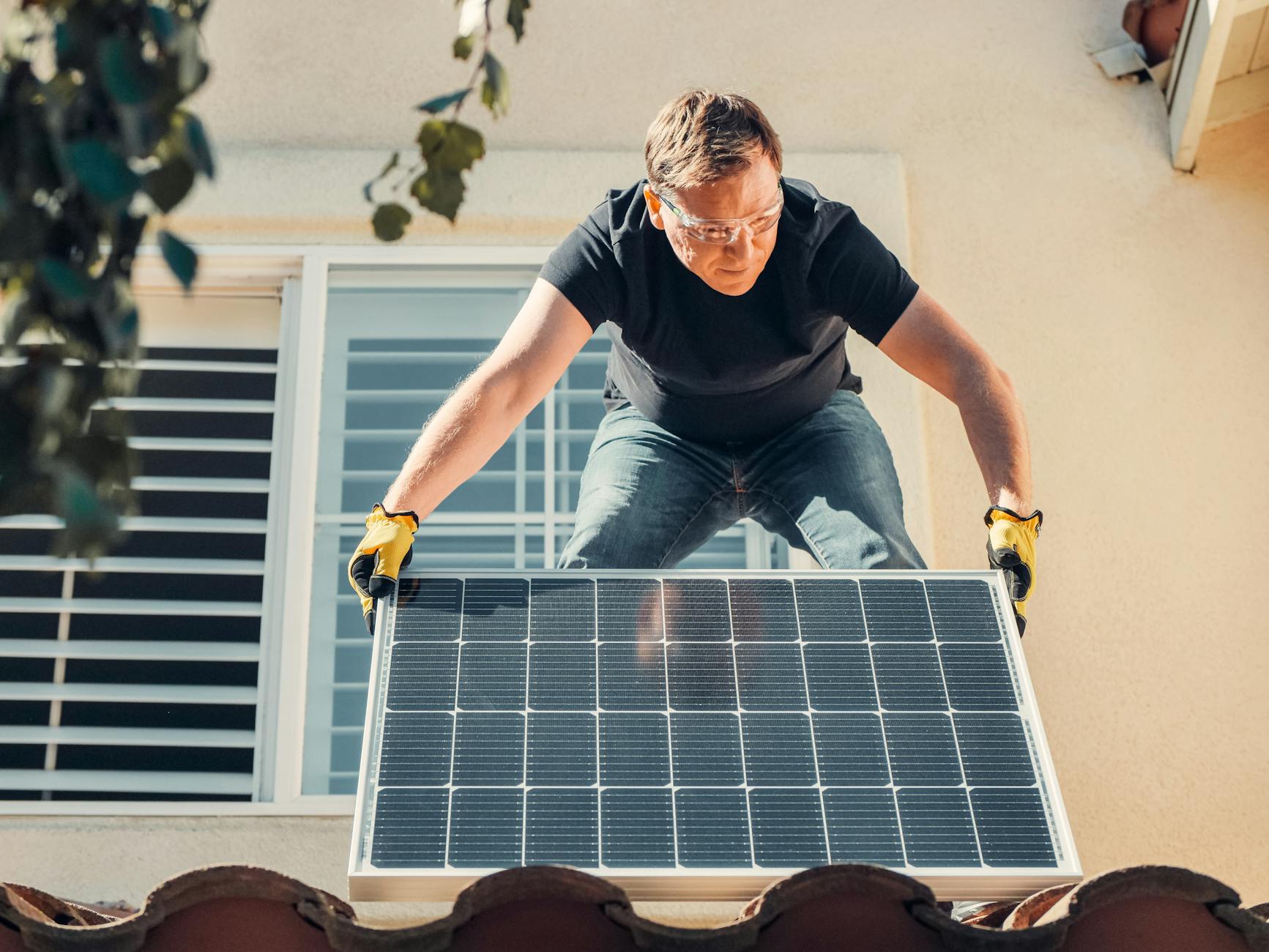
California is on the verge of a significant shift in personal energy use with Senate Bill 868, a proposed law that could legalize "balcony solar" — small, plug-in solar panels for patios or fences. This innovation promises to dramatically lower electricity bills for many, especially renters, by allowing direct connection to wall outlets. The move could empower more Californians to embrace clean energy, driving forward climate action and reducing reliance on traditional power grids. However, the bill faces opposition from utilities concerned about grid reliability and cost shifts, even as advocates champion its simplicity and environmental benefits.
As our climate warms, areas historically known for cooler weather are now facing an alarming rise in extreme heat. States like Vermont are experiencing prolonged heatwaves, creating serious health risks for residents who are largely unaccustomed and unprepared. This shift underscores the urgent need for communities everywhere to adapt to a changing environment, highlighting the direct impact of global warming on public health and safety.
Maryland has faced an unprecedented and tragic summer, recording its highest number of heat-related deaths with weeks still left in the season. By mid-August, 52 Marylanders had succumbed to heat, far exceeding previous annual totals. This local crisis mirrors a national trend, as July 2026 marked the hottest month on record for the U.S., highlighting the urgent and direct human cost of a warming climate. Experts confirm that rising global temperatures are making heatwaves more frequent and intense, particularly impacting vulnerable communities.
The global effort to combat climate change is entering a critical new phase as countries worldwide move from policy discussions to building tangible systems for carbon markets. This week, Zambia, Brazil, and Ecuador demonstrated this shift by launching a national carbon registry, planning new market methodologies, and establishing a legal framework for trading carbon credits. These developments are vital for creating trustworthy and transparent mechanisms that track emission reductions, ultimately boosting global climate action and encouraging sustainable solutions.
California is launching its own Environmental Youth Advisory Council to empower young people to shape climate policy. This move comes as a federal program, the National Environmental Youth Advisory Council, appears to have quietly ended. With young people disproportionately vulnerable to worsening climate hazards like extreme heat and wildfires, California is stepping in to ensure their voices are heard. The new state council aims to build leadership skills and directly involve youth ages 14 to 20 in vital environmental decisions. This initiative underscores the urgent need for action as climate change threatens future generations.
Elon Musk has once again hinted at a future where flying cars are a reality, directly addressing a long-standing sci-fi promise. These remarks follow previous teasers about Tesla's highly anticipated, all-electric Roadster potentially having unique hovering capabilities. While the supercar's release has faced multiple delays, the idea of an electric vehicle defying gravity highlights the incredible potential of advanced clean technologies. This futuristic vision underscores how electrification continues to push the boundaries of what's possible in transportation.
Rome is grappling with a severe water crisis, as weeks of minimal rainfall have caused the Tiber River to recede dramatically. This unusual dry spell has unveiled the ancient remains of Nero's Bridge, a centuries-old structure near St. Peter's Basilica that once connected the city center. The emergence of this historical artifact highlights the growing urgency of global warming, as extreme weather patterns directly impact essential resources and expose vulnerabilities. This event serves as a stark reminder of how climate change is reshaping our world, revealing the past while challenging our future.
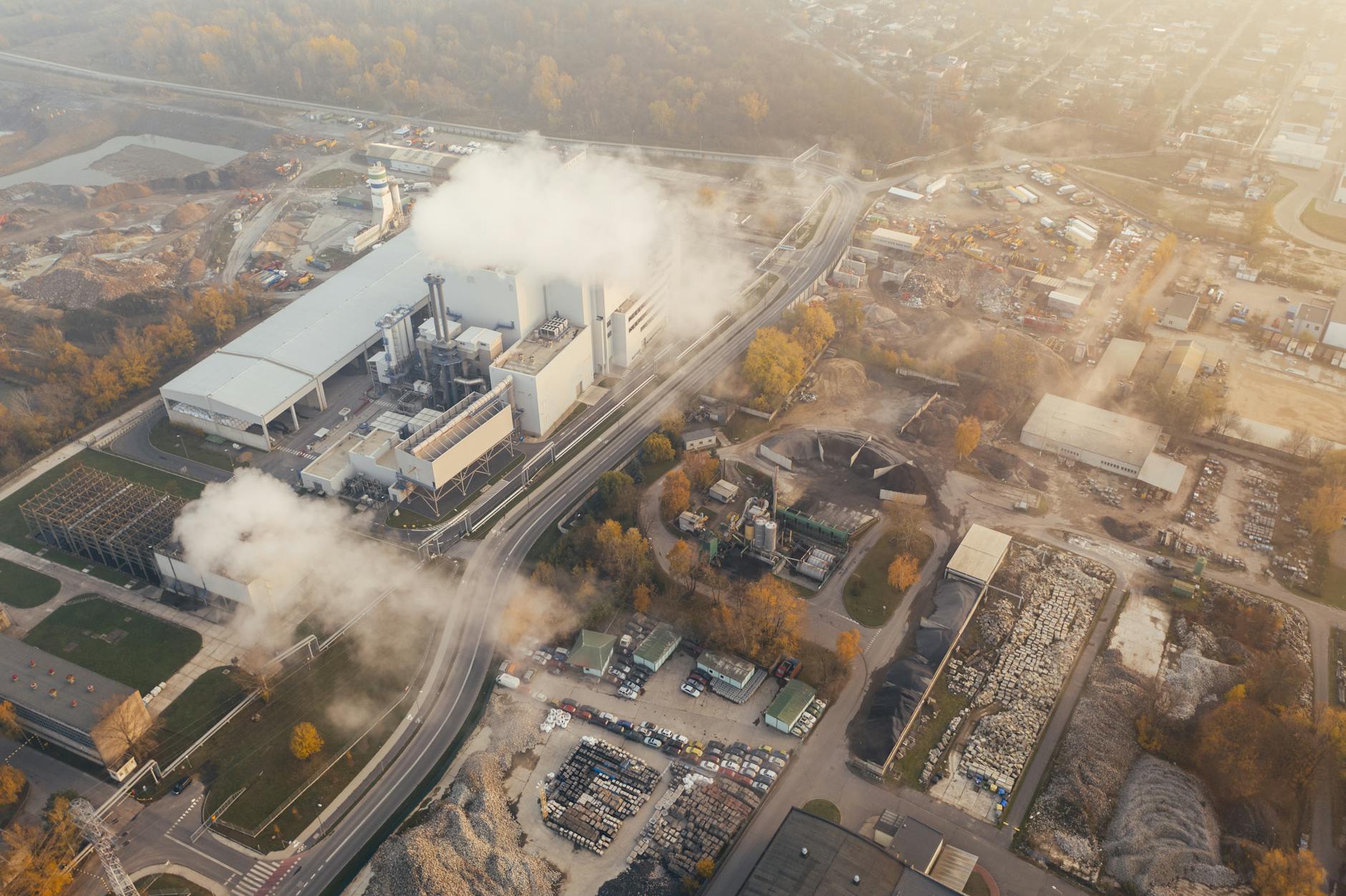
A groundbreaking study reveals that artificial intelligence, while often praised for its potential to accelerate progress, is significantly worsening climate pollution. Far beyond the energy consumed by data centers, AI tools are actively boosting oil and gas production, making it faster and cheaper to extract fossil fuels. This surge in 'enabled emissions' adds billions of tons of carbon dioxide to our atmosphere annually, gravely undermining global efforts to combat the climate crisis. The research highlights an urgent need for accountability within the tech industry regarding its partnerships with fossil fuel companies.