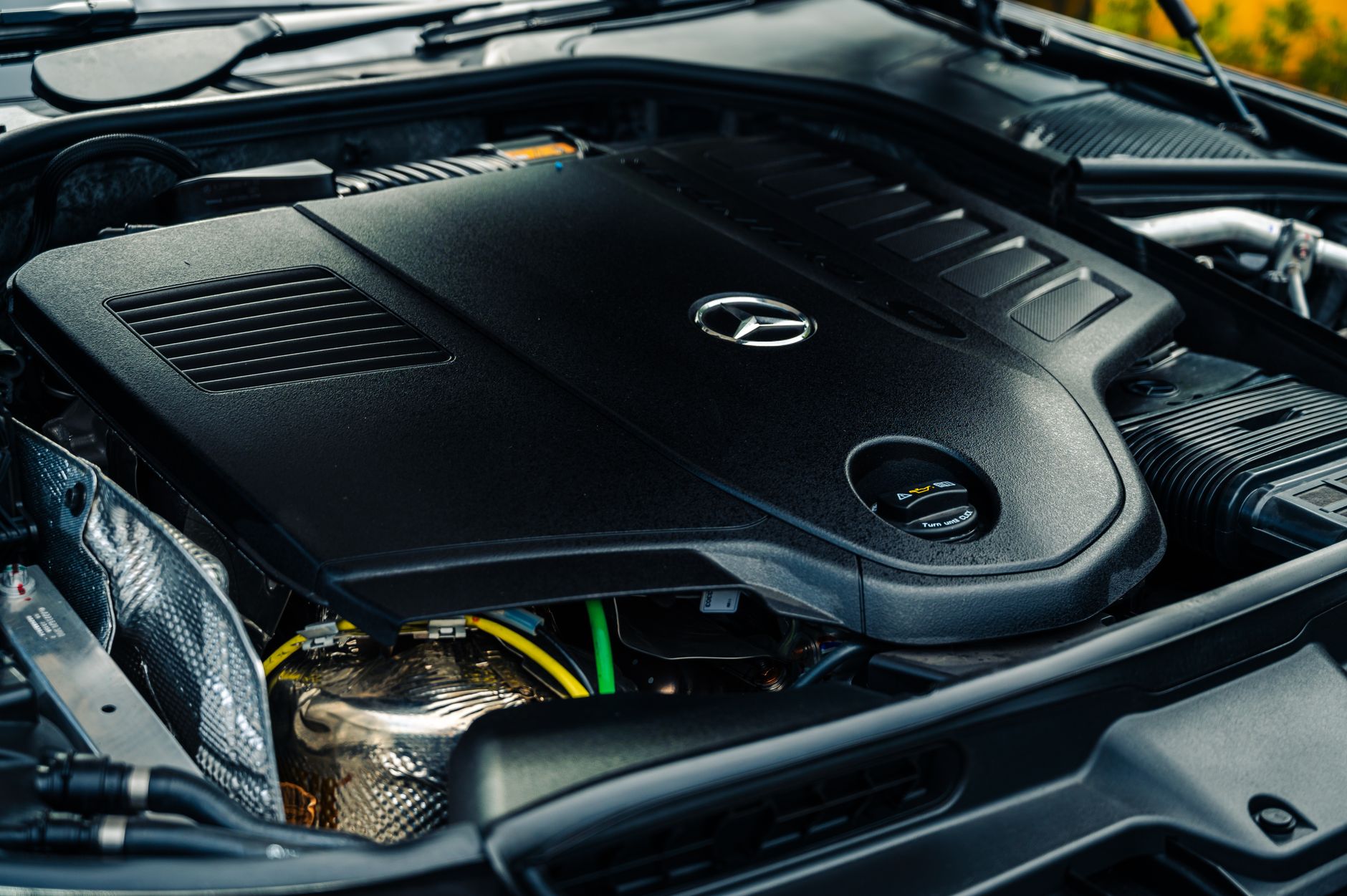
Mercedes-Benz is intensifying its commitment to electric vehicles by securing priority access to ProLogium’s cutting-edge Gen4 solid-state battery cells. This expanded partnership aims to bring significantly higher-energy, safer, and more efficient batteries to future EVs. Such advancements are crucial for making electric cars even more appealing to consumers, extending driving ranges, and accelerating the global shift away from fossil fuels. Ultimately, this collaboration highlights a critical step towards more sustainable and environmentally friendly transportation solutions, essential for addressing climate change.
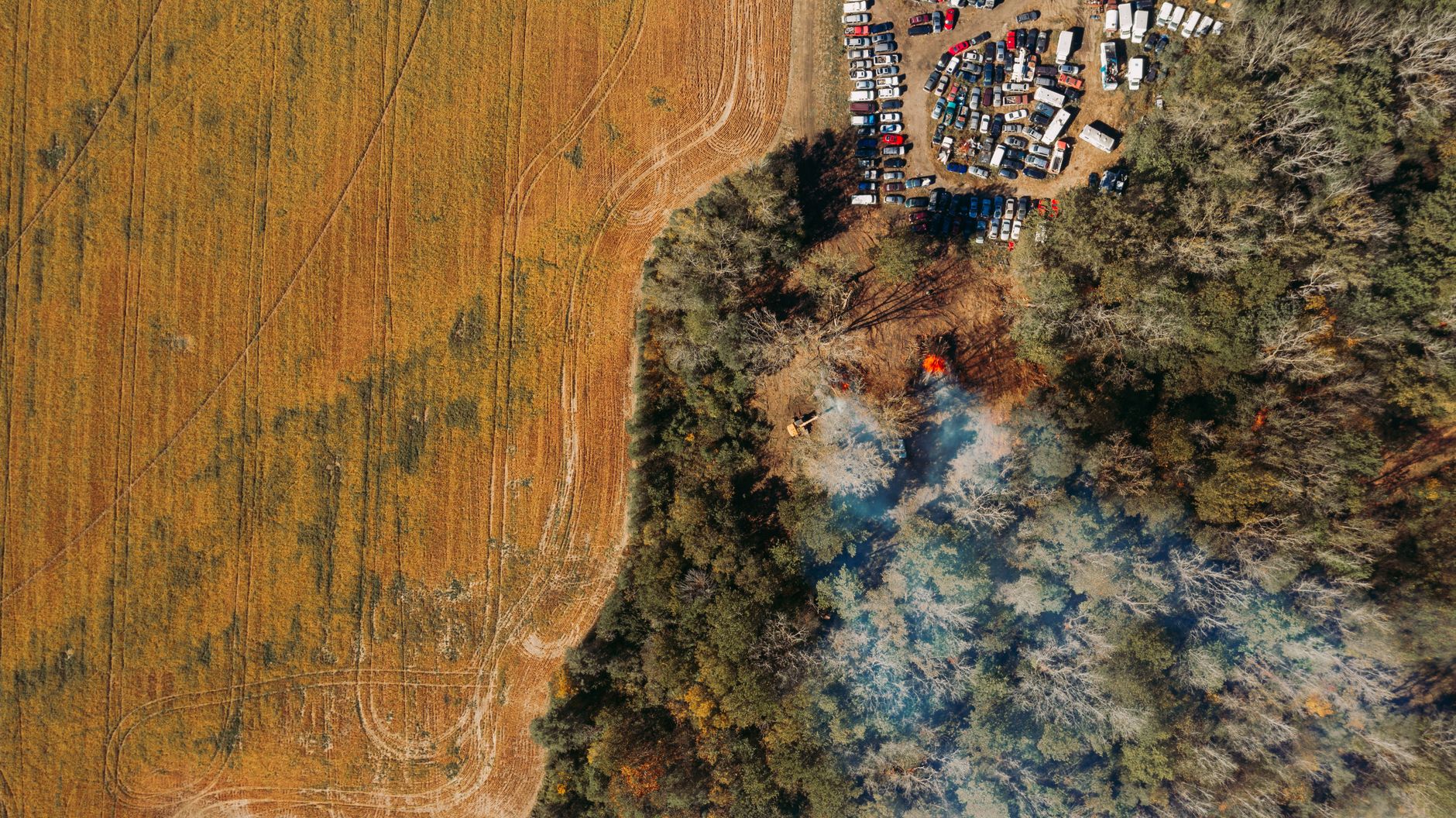
Wildfires are an increasing global threat, making the work of firefighters more dangerous than ever. Thankfully, new technologies are stepping up to the challenge. Drones are already critical tools, helping map blazes and identify dangerous hotspots from above, dramatically enhancing safety for ground crews. Now, the U.S. Forest Service and researchers are exploring the next frontier: ground robots and artificial intelligence. These advancements promise to revolutionize how we detect, track, and suppress wildfires, protecting both our communities and the brave individuals on the front lines, all while adapting to a changing climate.
California is making significant strides toward its ambitious "30x30" conservation goal, aiming to protect 30% of its lands and coastal waters by 2030. The state has nearly achieved its land target, now at 27.1% conserved, thanks to recent federal designations and ongoing efforts. However, progress in safeguarding coastal waters is trailing behind, currently at 21.9%. This initiative is crucial for preserving California's unique biodiversity and natural systems, which are vital for a healthy environment and combating the impacts of climate change, especially as federal protections face potential rollbacks.
The planet is bracing for an El Niño event so extreme it's unlike anything scientists have observed in over a millennium. Climate expert Daniel Swain from UCLA’s Institute of the Environment and Sustainability warns this event is a significant discharge of heat from our warming oceans, signaling uncharted territory for Earth's climate. This 'record-shattering' phenomenon, fueled by accumulating global warming, is set to drive global temperatures to new highs in late 2026 and into 2027, potentially giving us a glimpse of life beyond the critical 1.5°C warming threshold. Its far-reaching effects will bring dramatic, regionally specific weather extremes.
Tesla's much-anticipated Roadster is getting a serious boost with a new patent designed to keep it glued to the road at breathtaking speeds. This innovative "Electric Car Fan" system aims to generate crucial downforce no matter the vehicle's speed, allowing the all-electric supercar to unleash its full power. This groundbreaking approach ensures that the Roadster's expected sub-two-second 0-60 MPH time and 250+ MPH top speed are not just dreams, but safely achievable realities, further showcasing the immense potential of electrification in pushing automotive limits sustainably.
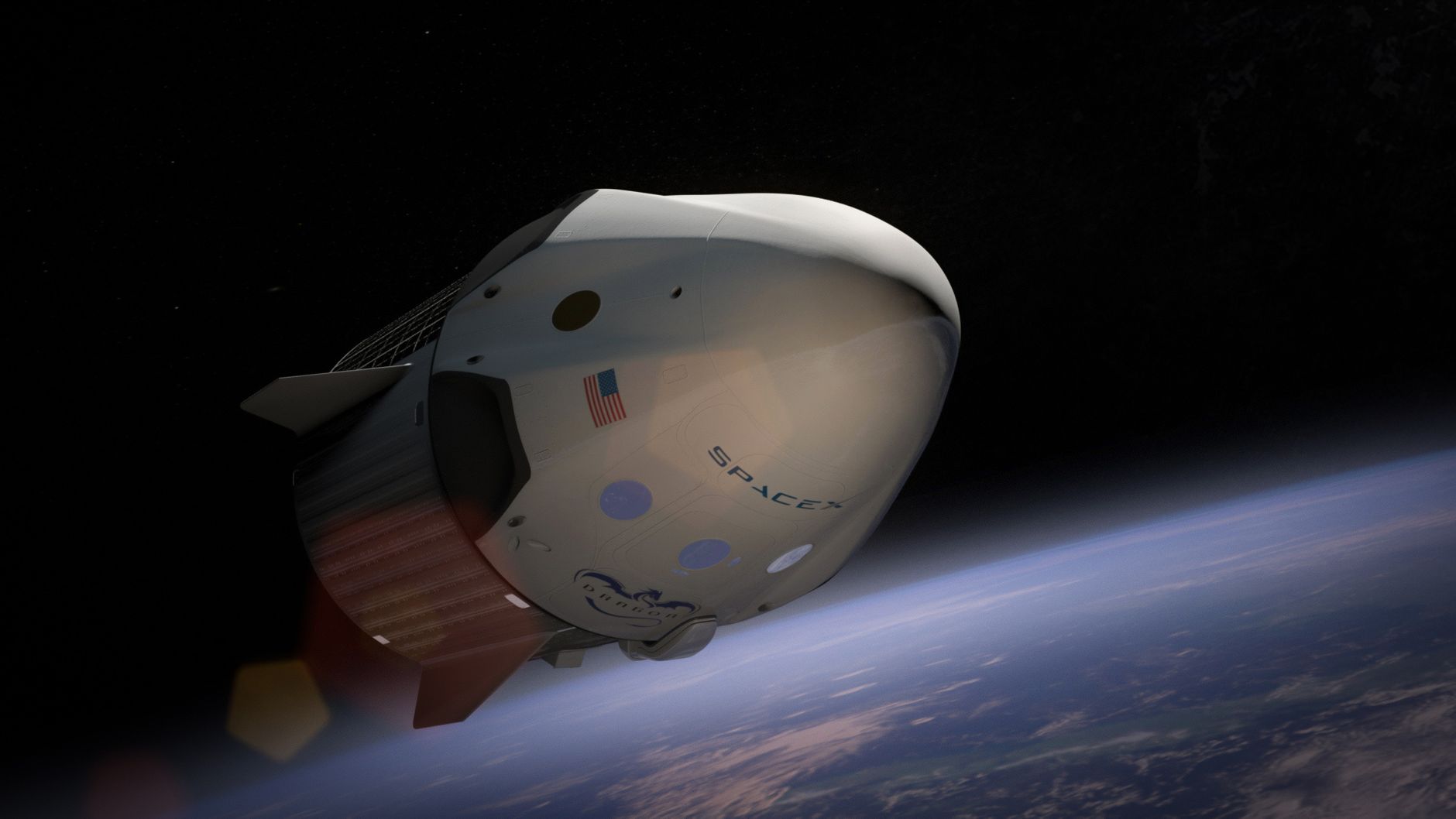
SpaceX's Starship achieved its first orbital flight, marking a pivotal moment despite an early engine shutdown that almost halted the mission. Flight controllers made a dramatic, last-minute decision to proceed, pushing Ship 41 into orbit after intense deliberation. This success is not just a technological triumph but also crucial for deploying the next generation of Starlink V3 satellites, which are too large for existing rockets and promise significantly enhanced internet service worldwide. The event showcases SpaceX's determined approach to space exploration and its impact on global connectivity.
Japan Airlines (JAL) is taking significant steps to reach its ambitious net-zero CO₂ emissions goal by 2050. The airline reported a notable reduction in aircraft emissions to 9.13 million metric tons in FY2025, surpassing its own target. Rather than solely relying on carbon offsets, JAL is implementing a multi-pronged approach that prioritizes fuel-efficient aircraft, operational improvements, and the increasing use of sustainable aviation fuel (SAF). This comprehensive strategy highlights the urgent need for aviation to drastically cut its environmental footprint and move towards cleaner travel options, demonstrating a clear commitment to tackling the climate crisis head-on.
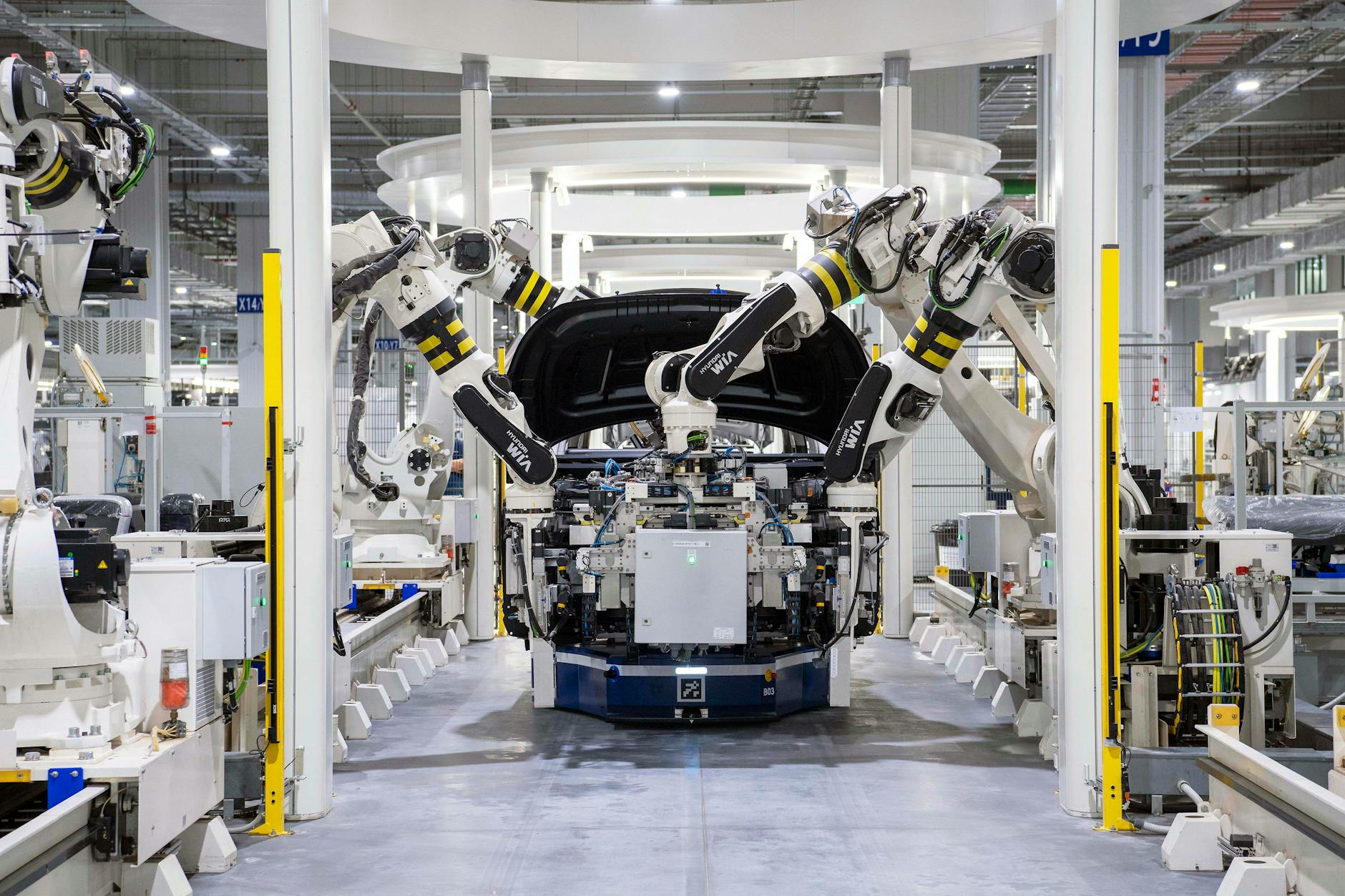
Tesla is revolutionizing how electric trucks are made, moving towards an unprecedented level of automation for its Semi. The company aims for a 'zero human touch point' production pipeline, from battery cell manufacturing in Texas to final assembly in Nevada. This innovative approach promises to streamline operations, cut waste, and improve quality. It's a significant step not only for manufacturing but also for scaling up the production of emission-free commercial transport, crucial for a healthier planet.
The United States and Argentina are launching a significant $7 billion initiative, the Andes-Atlantic Corridor, to boost the flow of critical minerals and energy. This ambitious project aims to improve vital infrastructure like railways and ports, connecting Argentina's rich mineral regions and energy basins to global markets. By strengthening these supply chains, the collaboration supports the growing demand for materials essential for electric vehicles, renewable energy, and modern power grids. It represents a crucial step in accelerating the transition to a cleaner, electrified world.
Museums serve as powerful platforms for public education, offering engaging ways to understand complex scientific topics like climate change. The Griffin Museum of Science and Industry in Chicago is leading the charge, creating exhibits that not only inform but also inspire action. Chevy Humphrey, the museum’s CEO, emphasizes their role in providing facts that empower visitors to develop their own insights and agency. This approach is crucial for addressing the urgent global warming crisis and fostering a deeper understanding of our planet's future.
Hawaiʻi homeowners are grappling with rebuilding after recent hurricanes and wildfires, a challenge made worse by a surge in disaster-related scams. As climate change intensifies natural disasters, communities worldwide face similar risks. This critical situation highlights the urgent need for residents to understand how to protect themselves from predatory contractor fraud, ensuring their recovery isn't undermined by exploitation. Learning from past experiences in places like Maui is key to building resilience against these growing threats.
As a powerful El Niño system batters California's coast, communities are installing massive rocks and seawalls to protect homes and vital infrastructure like train tracks. However, this immediate defense comes with a heavy price: the potential permanent loss of California's cherished sandy beaches. Experts warn that these barriers, while saving structures now, prevent beaches from naturally retreating inland as sea levels rise due to global warming. This creates a challenging dilemma between short-term property protection and the long-term environmental health and public access to our iconic coastlines. The urgency of climate change is bringing this difficult choice to a head.