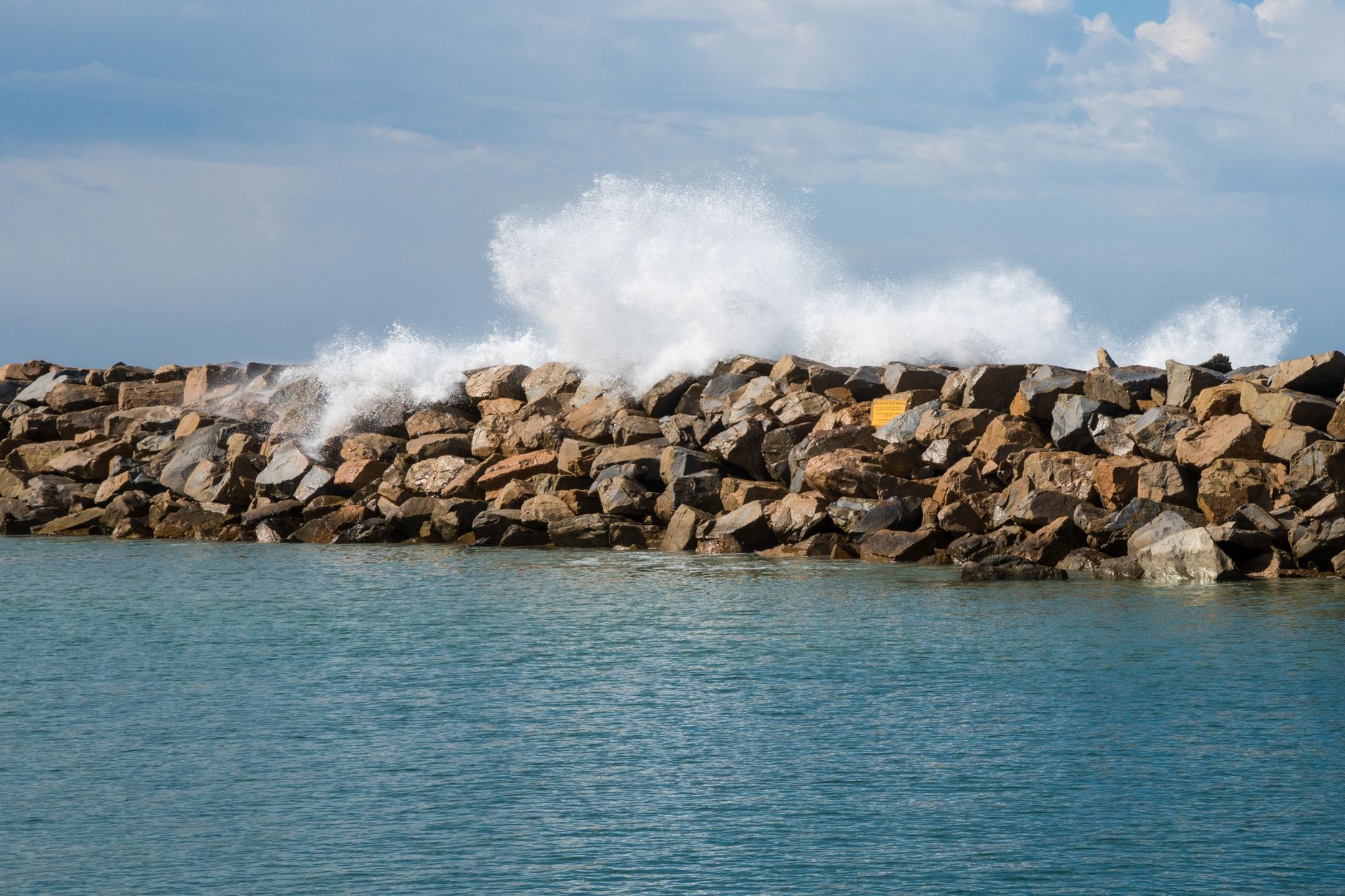
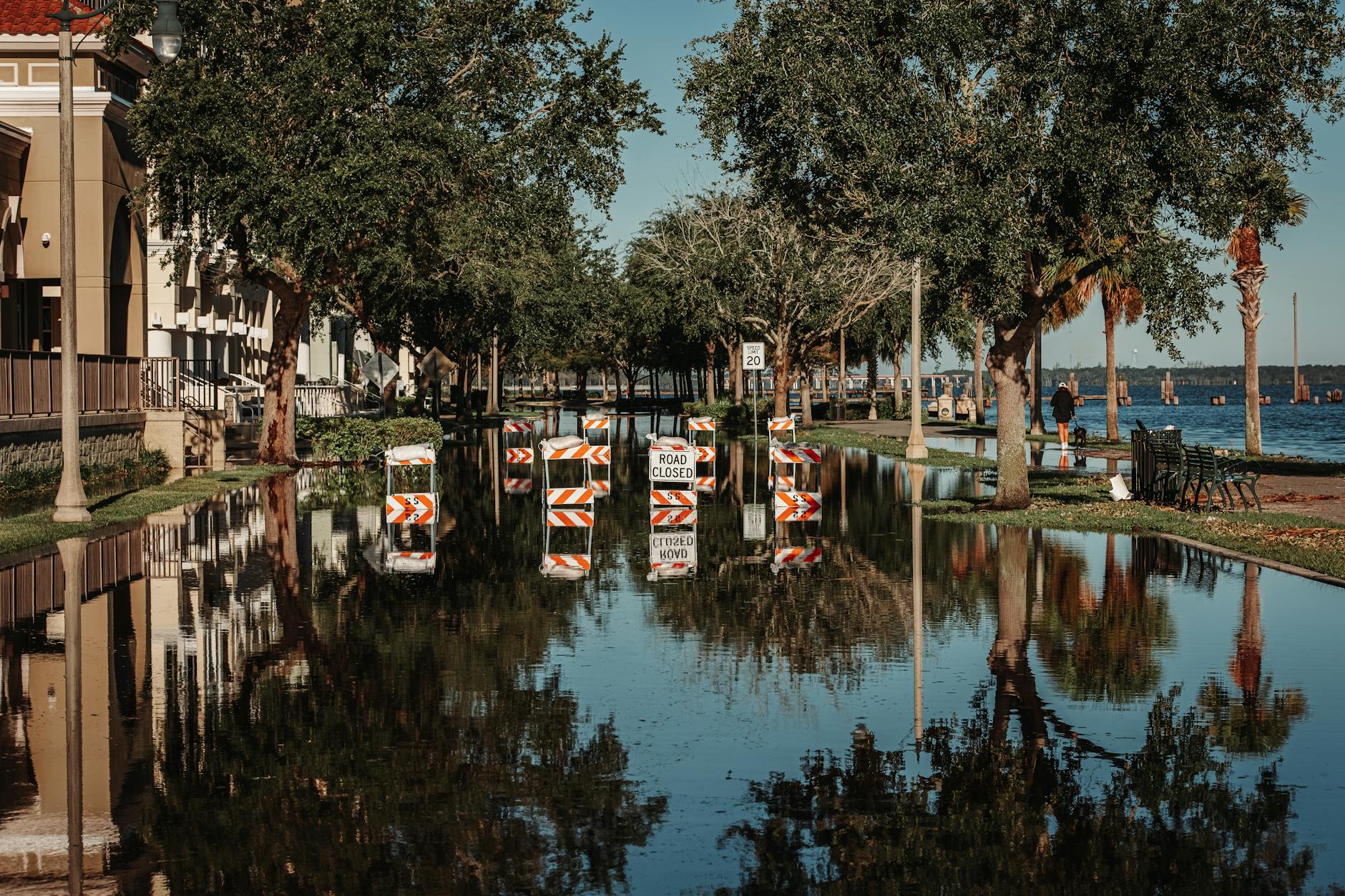
As a powerful El Niño system batters California's coast, communities are installing massive rocks and seawalls to protect homes and vital infrastructure like train tracks. However, this immediate defense comes with a heavy price: the potential permanent loss of California's cherished sandy beaches. Experts warn that these barriers, while saving structures now, prevent beaches from naturally retreating inland as sea levels rise due to global warming. This creates a challenging dilemma between short-term property protection and the long-term environmental health and public access to our iconic coastlines. The urgency of climate change is bringing this difficult choice to a head.
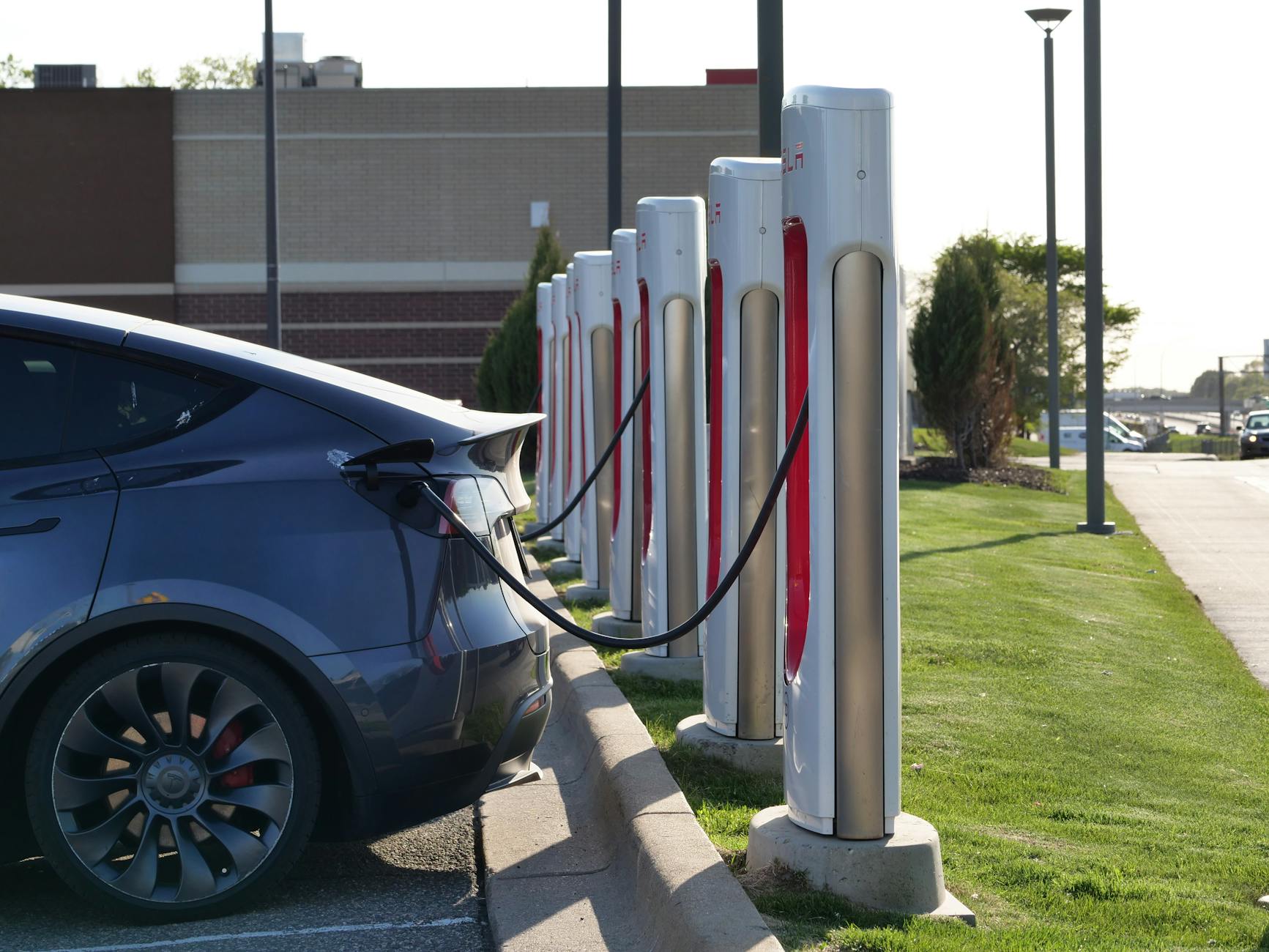
Tesla is making huge strides in electric vehicle manufacturing with its new Semi truck factory in Nevada. This state-of-the-art facility, spanning 1.8 million square feet, is designed to churn out 50,000 electric trucks annually, marking a significant leap toward sustainable transportation. At its core is an innovative, fully automated system for handling 4680 battery cells, aiming for a "zero human touch point" process from production to assembly. This ambitious plan not only promises to speed up the delivery of crucial electric fleets but also underscores a vital commitment to cleaner logistics and a healthier planet.
The Trump administration has significantly scaled back federal fuel efficiency standards for cars and trucks, relaxing rules that aimed to make vehicles cleaner and more efficient. These revised Corporate Average Fuel Economy (CAFE) standards will now require only a 1% annual increase in fuel efficiency, a stark reduction from the previous 2% annual target set by the Biden administration. While officials cite affordability as the reason, aiming to lower new car prices, climate advocates warn this rollback will lead to increased gasoline consumption and harmful pollution. This move is seen as a major step back for environmental action and the urgent global effort to combat climate change, potentially hindering America's transition to sustainable transportation.
Two powerful hurricanes are currently active in the Pacific, underscoring a period of unusually intense weather. Mexico's Baja California is directly in the path of major Hurricane Polo, a Category 3 storm threatening life-threatening flooding and mudslides. Meanwhile, Hawaii is dealing with the lingering effects of Hurricane Nolo, which has brought heavy rains and the risk of further deluge. This busy hurricane season highlights the increasing intensity of weather events, reminding us of the urgent need for robust climate action and preparedness as our world faces more extreme conditions.
Tesla is revolutionizing electric truck manufacturing with an innovative, highly automated process for its all-electric Semi. This groundbreaking system aims for "zero human touch" in handling 4680 battery cells, from production in Giga Texas to final assembly in Nevada. Such advancements are critical for scaling up clean transportation and accelerating the shift away from fossil fuels. By streamlining production, Tesla paves the way for a future where sustainable, emission-free heavy-duty vehicles become a common sight, drastically reducing our carbon footprint. This initiative highlights the urgent need for environmental action and the immense benefits of electrification.
Tesla has reached a significant milestone, producing its first Cybercab electric vehicle with cathode material manufactured at its new plant in the United States. This strategic move tackles the most expensive component of EV batteries head-on, promising substantial cost reductions. It marks a major step in Tesla's vertical integration, aiming for a more resilient supply chain and accelerating the rollout of sustainable electric transportation. This innovation is crucial for making electric vehicles more accessible and combating climate change.
The Pacific basin is buzzing with intense tropical activity as September ends, featuring powerful hurricanes Polo and Nolo, and developing Tropical Storm Rachel. Hurricane Polo poses an immediate, life-threatening danger to Baja California, bringing destructive winds and severe flash flooding. This unusual flurry of activity in the Pacific stands in stark contrast to an exceptionally quiet Atlantic season, highlighting a dramatic shift in global weather patterns that demands our attention and preparedness in a changing climate.
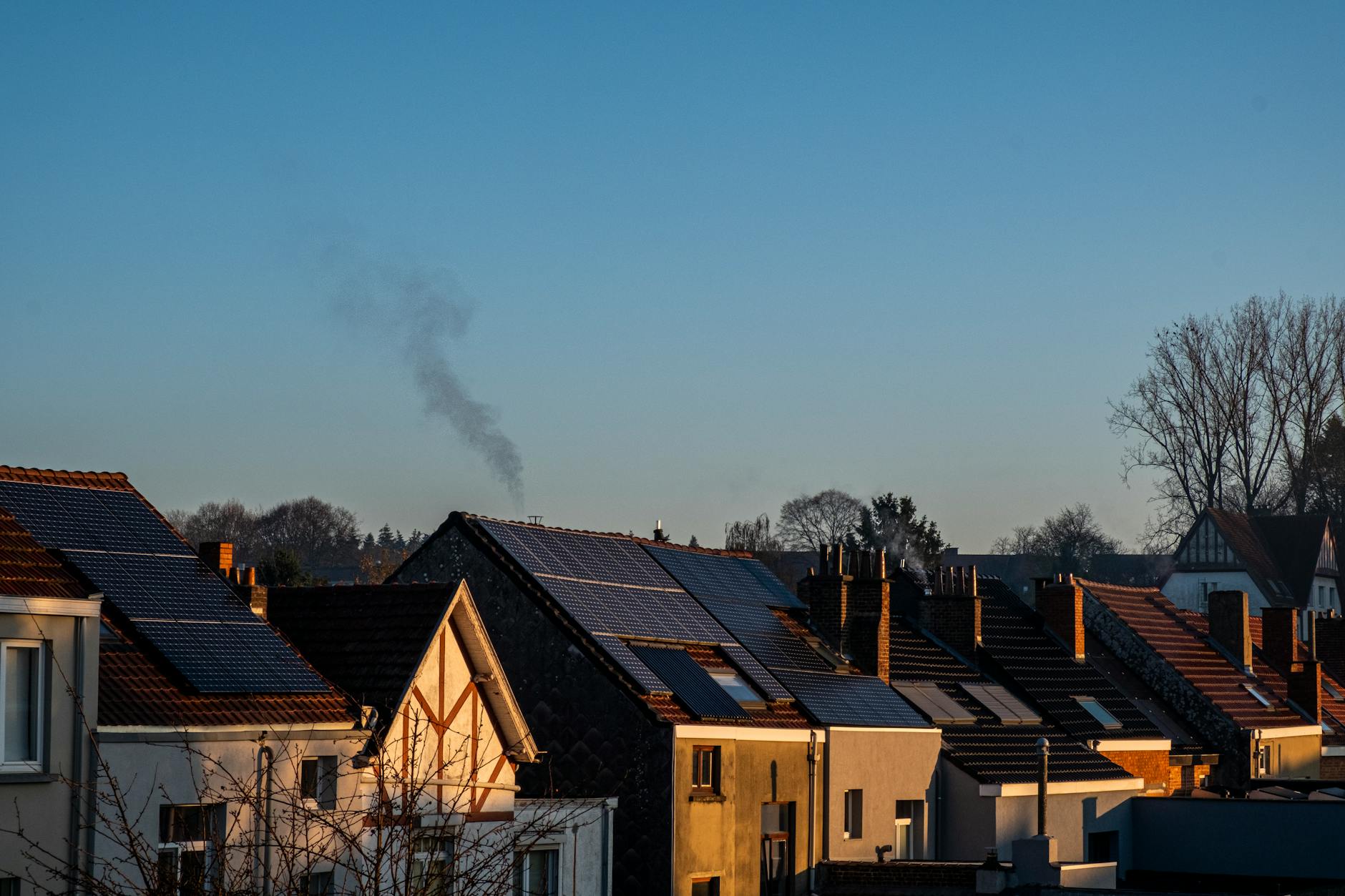
Two U.S. federal judges have reinstated the $7 billion "Solar for All" program, ruling that the Environmental Protection Agency (EPA) acted unlawfully by canceling it. This vital initiative, designed to bring solar power to low-income communities, aims to fund over 4 gigawatts of clean energy and significantly reduce carbon emissions. Experts project the program could cut 30 million metric tons of CO2 equivalent and save households billions on electricity bills over 25 years, accelerating the shift to sustainable solutions. While the EPA reviews its options, including appeals, this decision marks a significant step toward cleaner energy and climate action.
Great Nicobar, an island of ancient forests and vibrant marine life, faces an uncertain future. A massive government development project is set to transform this ecological marvel with a new port, airport, and township. This ambitious plan threatens to destroy millions of trees, dredge precious coral reefs, and shatter the traditional way of life for indigenous communities like the Shompen and Nicobarese. The unfolding situation highlights a critical conflict between rapid human development and the preservation of irreplaceable natural and cultural heritage.
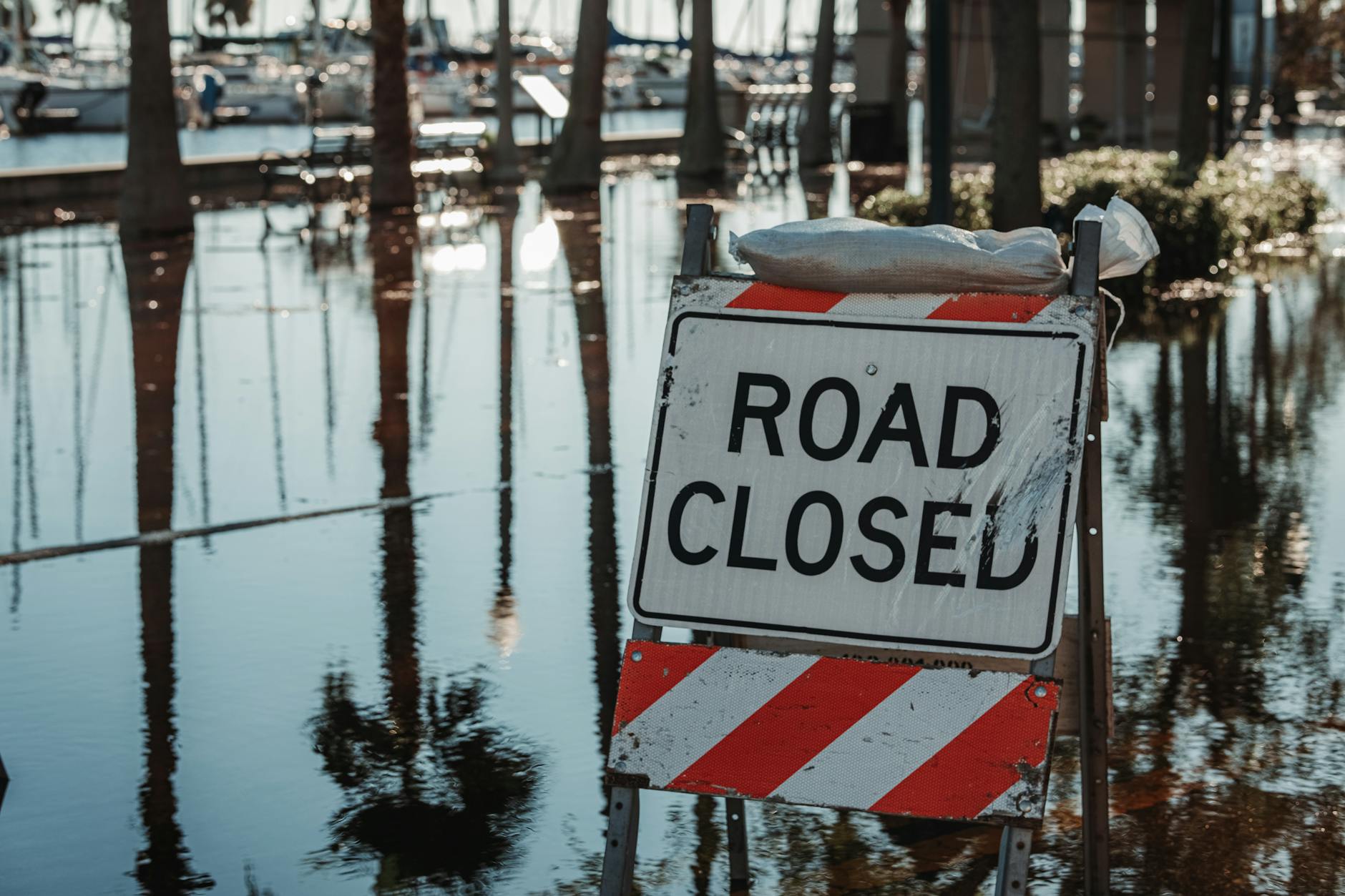
A powerful nor'easter recently unleashed significant damage across the Northeast, leaving over 130,000 homes and businesses without power and causing widespread coastal flooding. The slow-moving storm, which claimed one life in New York City, triggered memories of Superstorm Sandy, though its immediate impact was less severe. Forecasters warn that this event might be a precursor to more storms this fall, influenced by a disruptive El Niño climate pattern. Such intensifying and frequent extreme weather events underscore the urgent need for robust environmental action and sustainable solutions to protect vulnerable communities from the escalating impacts of climate change.
This summer, extreme heat returned to Europe, claiming at least 30,000 lives, acting as a silent, invisible threat. This deadly warmth disproportionately impacted the poor, the very young, the elderly, and those already suffering from health issues. While heatwaves are a growing global concern due to climate change, new insights from Bologna, Italy, highlight a critical "thermal injustice"—how different people experience radically varied temperatures within the same city. This unequal burden underscores the urgent need for equitable climate action and protective measures.
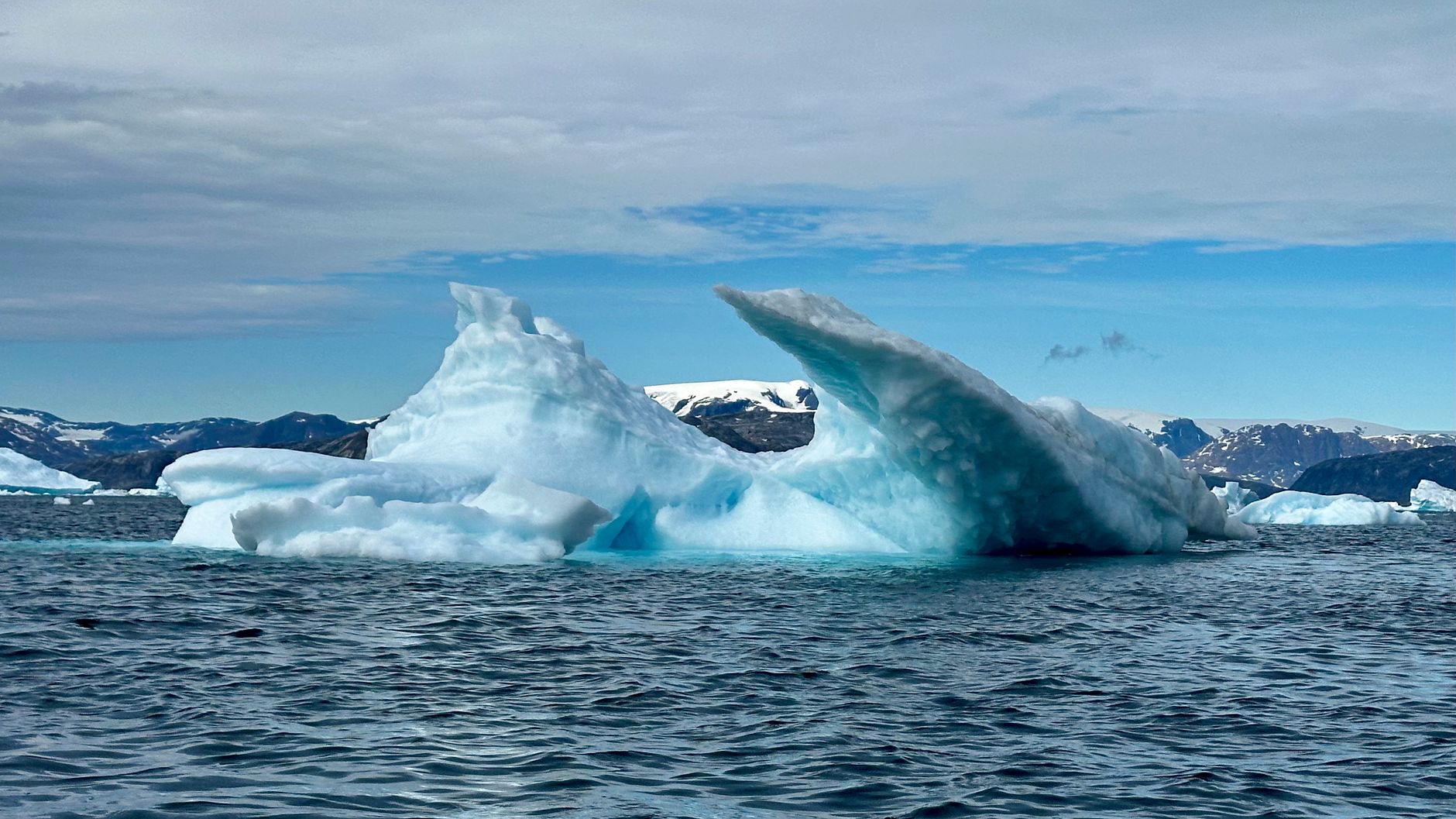
Global efforts to tackle climate change are advancing, with Brazil striving to unify international carbon markets and Verra launching a new standard for supply chain emission reductions. The OECD now offers a tool to track climate policies across 50 countries, providing crucial insights into global progress. Yet, the urgency of environmental action is underscored by a recent study revealing that Greenland and Antarctica have lost a staggering 11.3 trillion tons of ice since 1979. This melt has contributed to a 3.14 cm rise in global sea levels, highlighting the immediate need for sustainable solutions.