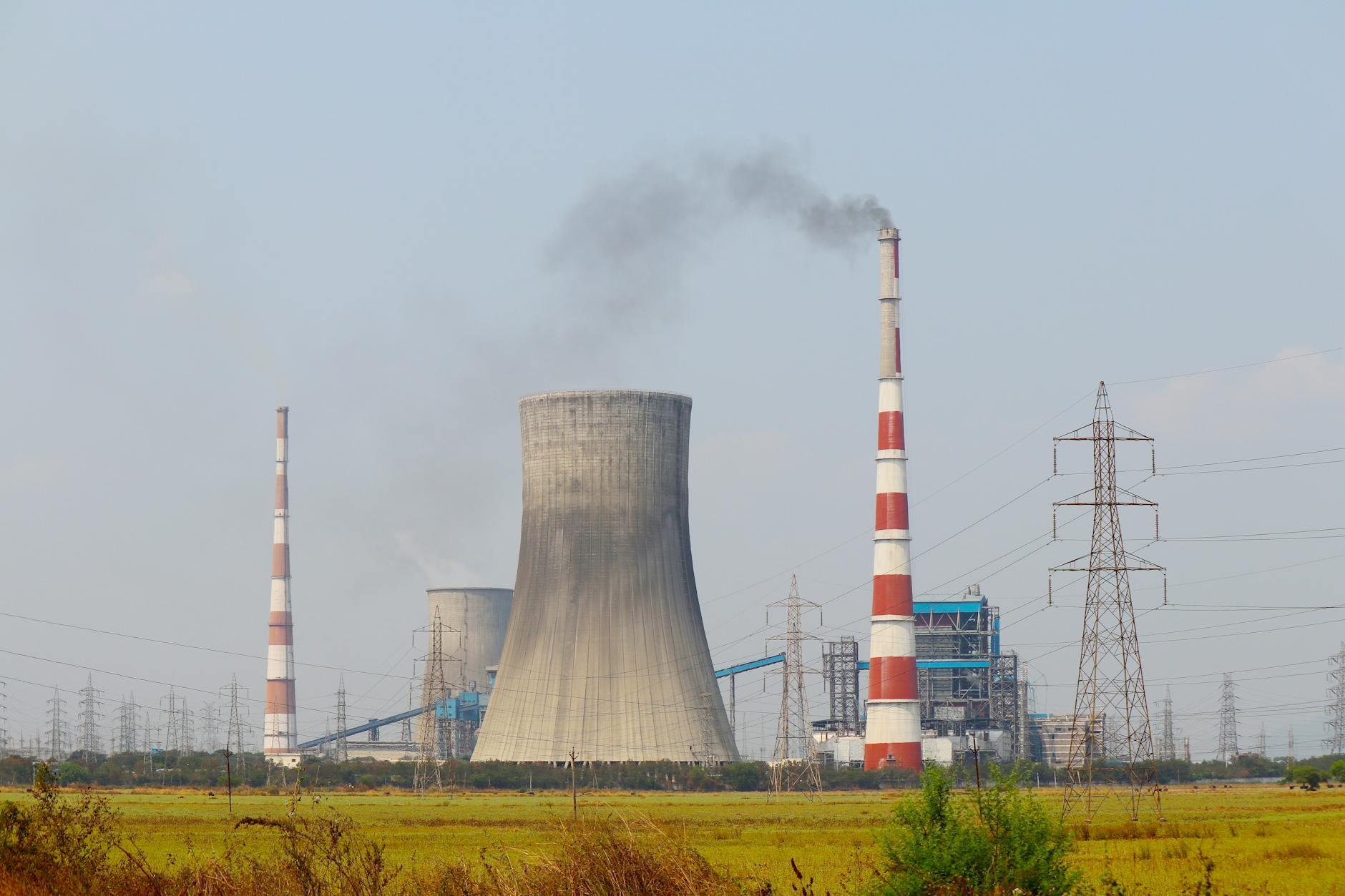
For social housing tenants like Kirsty and Aida, a system meant to deliver greener heating has instead brought immense hardship. Facing monthly shortfalls of hundreds of pounds, these tenants risk eviction due to high, unregulated heat network costs bundled with their rent. This situation highlights a critical flaw in the UK's push for sustainable heating solutions, where the environmental benefits are overshadowed by financial burdens and poor service. Advocates are now fighting for consumer protection and fair pricing, urging that the urgent need for climate action doesn't come at the expense of vulnerable families.
Our planet's oceans are facing immense pressures from changing policies and an escalating climate crisis. A recent opinion piece highlights how various administrative decisions, from halting clean energy projects to undermining environmental protections, are significantly impacting marine ecosystems. With record-breaking marine heatwaves and climate-linked disasters, the health of our oceans has never been more critical. The upcoming midterm elections offer a pivotal opportunity for voters to support leaders committed to safeguarding our blue world and promoting sustainable solutions.
Maryland's consumer protection agency is challenging a power plan that could cost households hundreds of millions. The Office of People’s Counsel (OPC) is fighting a proposal by regional grid operator PJM Interconnection to buy additional electricity capacity, largely for data centers that may never be built. If PJM's plan proceeds as is, Maryland residents could shoulder significant new costs over 15 years, highlighting the urgent need to protect existing customers from speculative energy investments. This situation underscores the importance of careful planning to avoid unnecessary grid expansion and ensure fair energy costs for everyone.
Japan and India have achieved a significant milestone in global climate action by finalizing the implementation rules for their Joint Crediting Mechanism (JCM). Operating under Article 6.2 of the Paris Agreement, this landmark agreement establishes a clear system for approving projects, rigorously verifying emission reductions, and issuing transparent carbon credits. The mechanism is designed to channel vital Japanese finance and cutting-edge low-carbon technologies into India's rapidly expanding clean energy and industrial sectors. This collaboration is crucial for accelerating India's transition to a sustainable future, offering a powerful tool for both nations to meet their ambitious climate targets and combat global warming.
Tesla is rapidly expanding its all-electric Cybercab fleet in Texas, registering a significant number of these purpose-built vehicles ahead of a major launch event. These innovative, self-driving cars, designed without steering wheels or pedals, signal a substantial shift towards sustainable urban mobility. This move to electrify ride-hailing services offers a cleaner, more efficient alternative to traditional fossil-fuel vehicles, promising reduced air pollution and noise in our cities. This development marks a concrete step in advancing emission-free transportation.
Prime Minister Andy Burnham has strongly reaffirmed his commitment to tackling climate change, even as pressure mounts over potential new North Sea oil and gas drilling. This comes after a summer marked by wildfires and drought, highlighting global warming's urgent reality. Burnham emphasized the UK's move towards a green economy, pointing to the exciting transformation of Port Talbot steelworks as a prime example of sustainable industrial transition. The government is also looking to break the link between gas and electricity prices, aiming to lower bills by rapidly expanding renewable energy sources. These efforts underscore a pivotal moment for the UK's environmental future.
Tesla is preparing to launch its highly anticipated all-electric Cybercab, a purpose-built ride-hailing vehicle, by officially registering a new fleet in Texas. Just days before an exclusive launch event in Austin on September 3, seven of these unique, steering-wheel-free vehicles have been added to the state’s automated vehicle registry. This move signals a significant step towards a cleaner, more sustainable future for urban transportation, as Tesla aims to integrate these innovative robotaxis into its existing service. The expansion underscores the growing momentum toward electric, autonomous solutions that can reduce emissions and transform city travel for the better.
China's rapidly expanding artificial intelligence (AI) sector is set to dramatically increase the nation's electricity needs. Reports from Wood Mackenzie and the National Energy Administration forecast that data centers could quadruple their power consumption by 2030, reaching up to 800 terawatt-hours. This surge, driven by energy-intensive AI processing, means data centers could account for 6% of China's total electricity use, a significant jump from today's 2%. Addressing this massive demand presents a critical challenge for climate action, pushing China to integrate green energy and smart grid solutions more urgently to power its digital future sustainably.
Tesla's Full Self-Driving (FSD) system is set to introduce a highly anticipated feature: automatic pothole avoidance. This upcoming upgrade, confirmed by CEO Elon Musk, addresses a common road hazard that causes significant wear and tear on vehicles and discomfort for passengers, something every driver wants to avoid. As Tesla moves closer to fully autonomous electric transport, exemplified by the upcoming Cybercab launch on Thursday, these intelligent driving solutions underscore the commitment to safer, more efficient journeys, further enhancing the benefits of sustainable electrification in our daily lives.
The former site of Philadelphia's largest oil refinery, now known as the Bellwether District, is at the heart of a new debate. City planners recently identified the 1,300-acre industrial zone as a potential location for a large data center, reigniting concerns among environmental justice advocates. This possibility adds another layer of complexity to a site still undergoing extensive clean-up from over a century of refining pollution. The district's future hinges on choices that could either continue a legacy of heavy industry or pave the way for a truly sustainable future.
California lawmakers have passed two significant bills aimed at making solar energy more accessible, especially for renters and those without rooftop access. These initiatives, Assembly Bill 1813 and Senate Bill 868, seek to create more robust community solar programs and legalize 'balcony solar' systems. The goal is to empower more residents to generate their own clean electricity, reduce their energy bills, and advance the state's environmental goals. This legislative push underscores the urgent need for sustainable solutions and collective action against climate change, despite facing opposition from utility companies.
Citigroup has made significant strides in sustainable finance, committing an estimated $647.2 billion since 2020 and moving past the halfway point towards its ambitious $1 trillion goal by 2030. This massive financial injection supports a global shift towards greener solutions and emphasizes the crucial role of banks in combating climate change. Beyond external funding, Citi also announced new, more stringent targets to cut its own operational emissions and energy use through 2030, building on its success in exceeding previous climate goals. This dual approach highlights a serious commitment to environmental progress.