The global carbon credit market is undergoing significant changes, with experts pushing for faster development, greater integrity, and seamless integration across national and international systems. Discussions highlight the urgent need for automation and modern certification to build trust and accelerate climate action. A notable trend sees increased preference for technological solutions over some nature-based projects, primarily due to concerns about long-term risks. These developments are crucial for effectively tackling global warming and steering investment towards sustainable outcomes.
The Trump administration recently announced a major agreement with Venezuela to develop vast oil reserves, claiming it as the 'biggest oil deal in the world.' However, energy experts are voicing strong skepticism about its feasibility and immediate impact. Questions arise over how the U.S. government, which lacks a national oil company, will manage its stake, and whether private firms will find the terms attractive. Crucially, analysts warn this deal is unlikely to lower gas prices anytime soon, highlighting the complex global energy landscape at a time when sustainable solutions are increasingly vital for our planet's future.
Across the nation, energy demands are surging due to hotter summers and new technologies like data centers, leading to rising utility bills. However, Alabama stands out, with its residents facing the highest residential power costs among 100 major utilities. This comes as the state grapples with an outdated regulatory system and a boom in energy-hungry data centers, raising urgent questions about fair pricing, transparency, and the environmental impact of increased reliance on fossil fuels. The situation underscores the critical need for sustainable energy solutions.
Recent discussions at Brazil's 4th Climate & Carbon Conference underscored the urgent need to accelerate and strengthen global carbon markets. Experts emphasized boosting integrity, embracing automation, and integrating national systems to effectively combat climate change. Meanwhile, a new integrated registry launched by Verra and S&P Global Energy aims to enhance transparency and tracking of carbon credits, crucial for building trust. These developments are vital steps in ensuring carbon markets genuinely drive environmental action and promote sustainable solutions worldwide.
For decades, communities in eastern North Carolina have endured severe pollution from industrial hog farms. Hurricanes in the 1990s exposed a disastrous waste management system, leading to the 2000 Smithfield Agreement. This pact aimed to replace crude waste lagoons with "environmentally superior technologies." However, despite scientific advancements proving effective and affordable solutions, the dominant pork producer, Smithfield Foods, refused to implement them. As a result, residents, often low-income and minority, continue to face health risks and environmental decay, highlighting a critical failure to adopt sustainable practices.
California lawmakers have struck a deal to regulate the state’s rapidly growing data center industry, a move driven by community concerns and fears of soaring utility bills. These facilities, essential for powering AI and digital services, consume vast amounts of electricity and water, straining the power grid and potentially hindering the state’s clean energy goals. The new legislation aims to protect consumers from rising costs while establishing rules to track and manage the centers' immense environmental footprint. This compromise marks a critical step toward ensuring sustainable growth in California's tech sector.
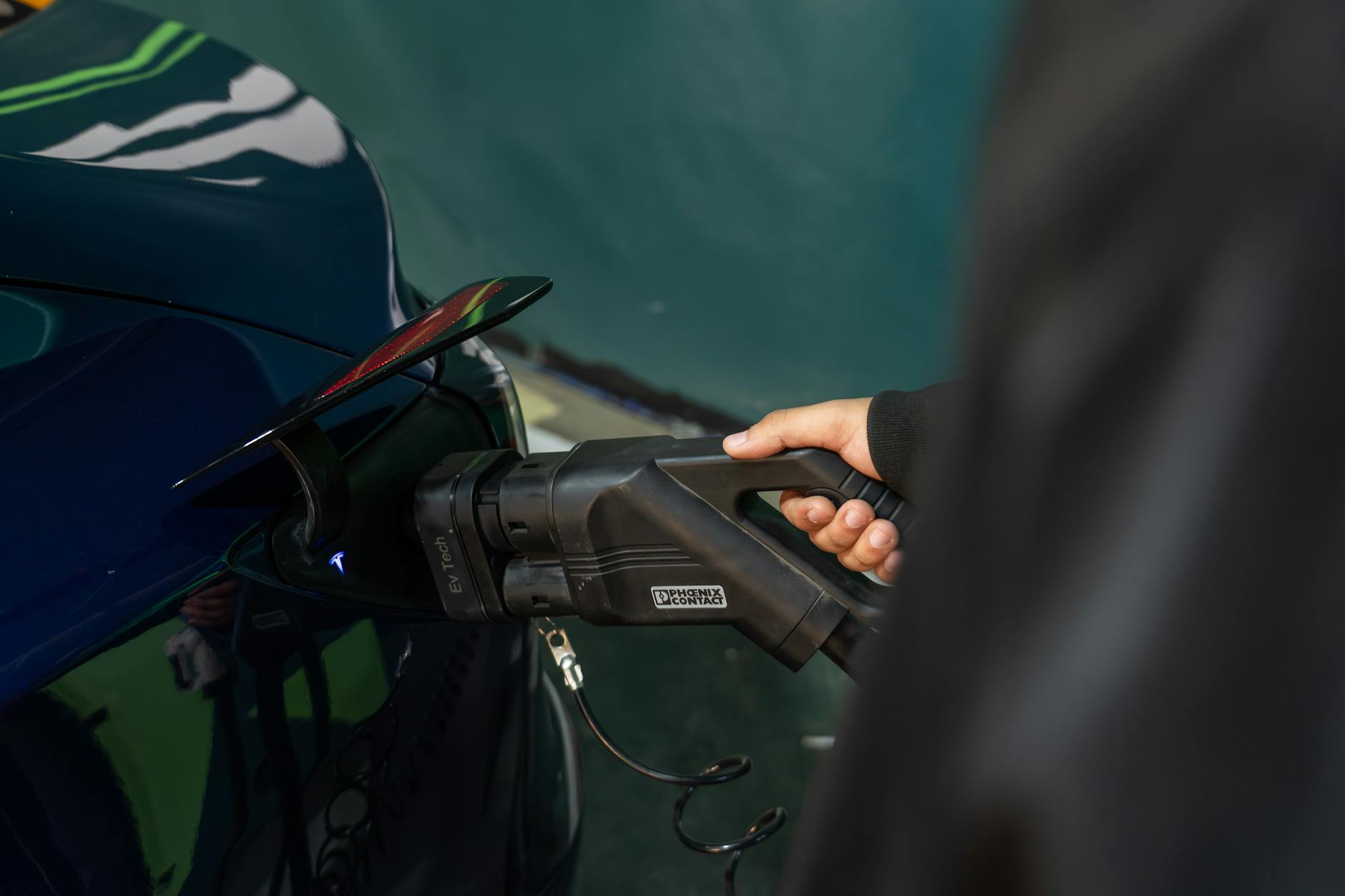
Tesla vehicles appear to be quietly expanding their in-car entertainment options, offering drivers more ways to relax while on the go. Recent discoveries by owners show that popular streaming platforms like Apple TV, HBO Max, and Prime Video now launch in a full-screen, app-like format directly from the vehicle's browser. This makes charging stops or parked breaks much more engaging, transforming necessary downtime into a seamless entertainment experience. It’s a smart move that further enhances the appeal of electric vehicles, making sustainable transport more enjoyable. This upgrade underscores the continuous innovation making EVs more attractive.
Meet a former educator who has dedicated their life to a crucial cause: climate advocacy. After years in the classroom, this individual transitioned to addressing the growing urgency of global warming, driven by a deep commitment to future generations. Their journey highlights how personal passion can spark significant action, underscoring the critical need for everyone to engage in building a sustainable future. This advocate's story is a powerful reminder that it's never too late to make a difference for our planet.
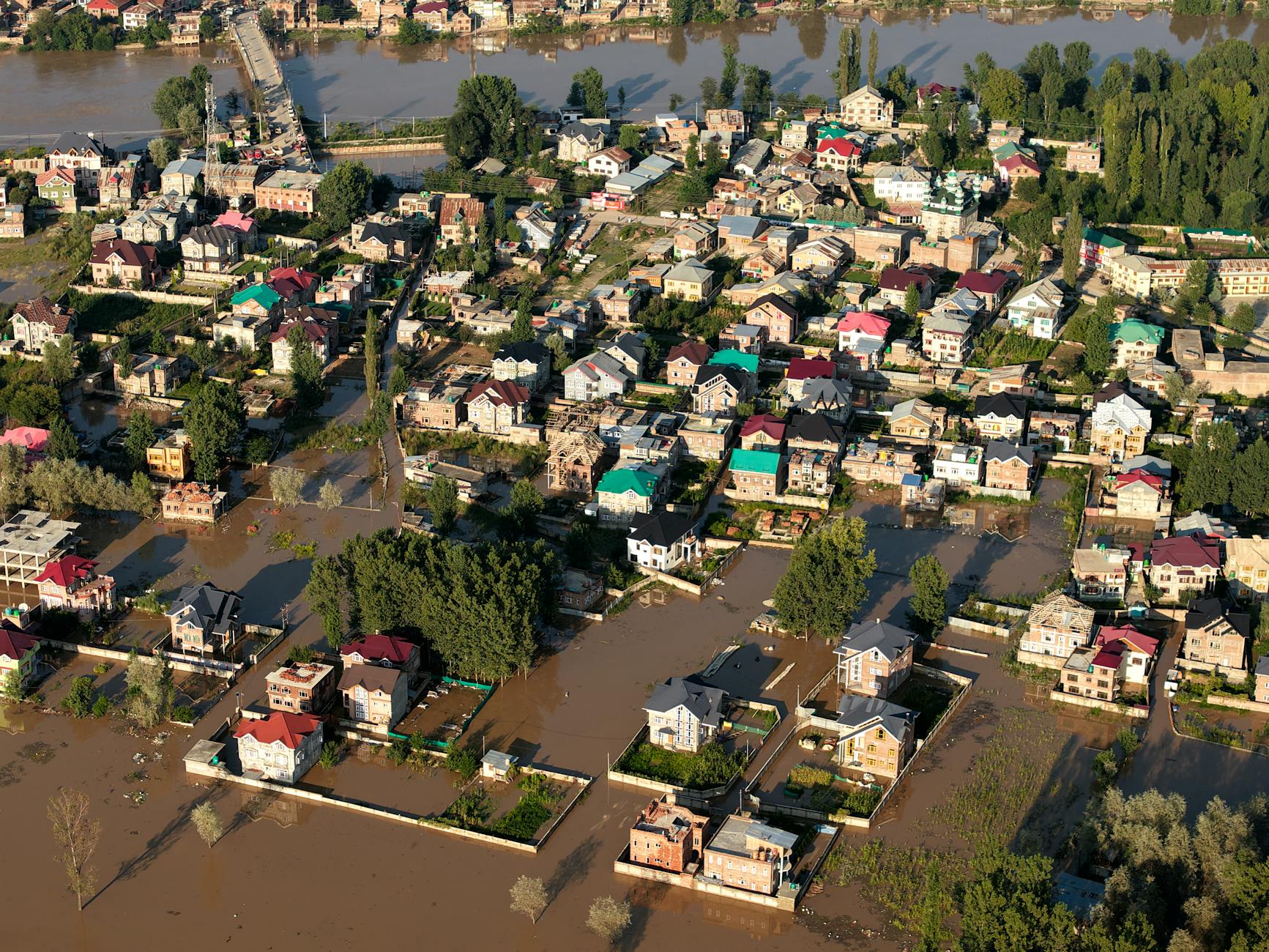
A catastrophic rock-and-ice avalanche unleashed devastating floods across Nepal and Tibet on August 26, claiming hundreds of lives and leaving thousands missing. Rescue efforts faced further complications due to new flooding concerns. This tragedy isn't just a natural disaster; it's a stark warning about our warming planet. Experts confirm that long-term human-caused climate change has dangerously destabilized the Himalayas' glaciers and permafrost, setting the stage for such catastrophic events. This disaster underscores the urgent need for global climate action to protect vulnerable communities and ecosystems.
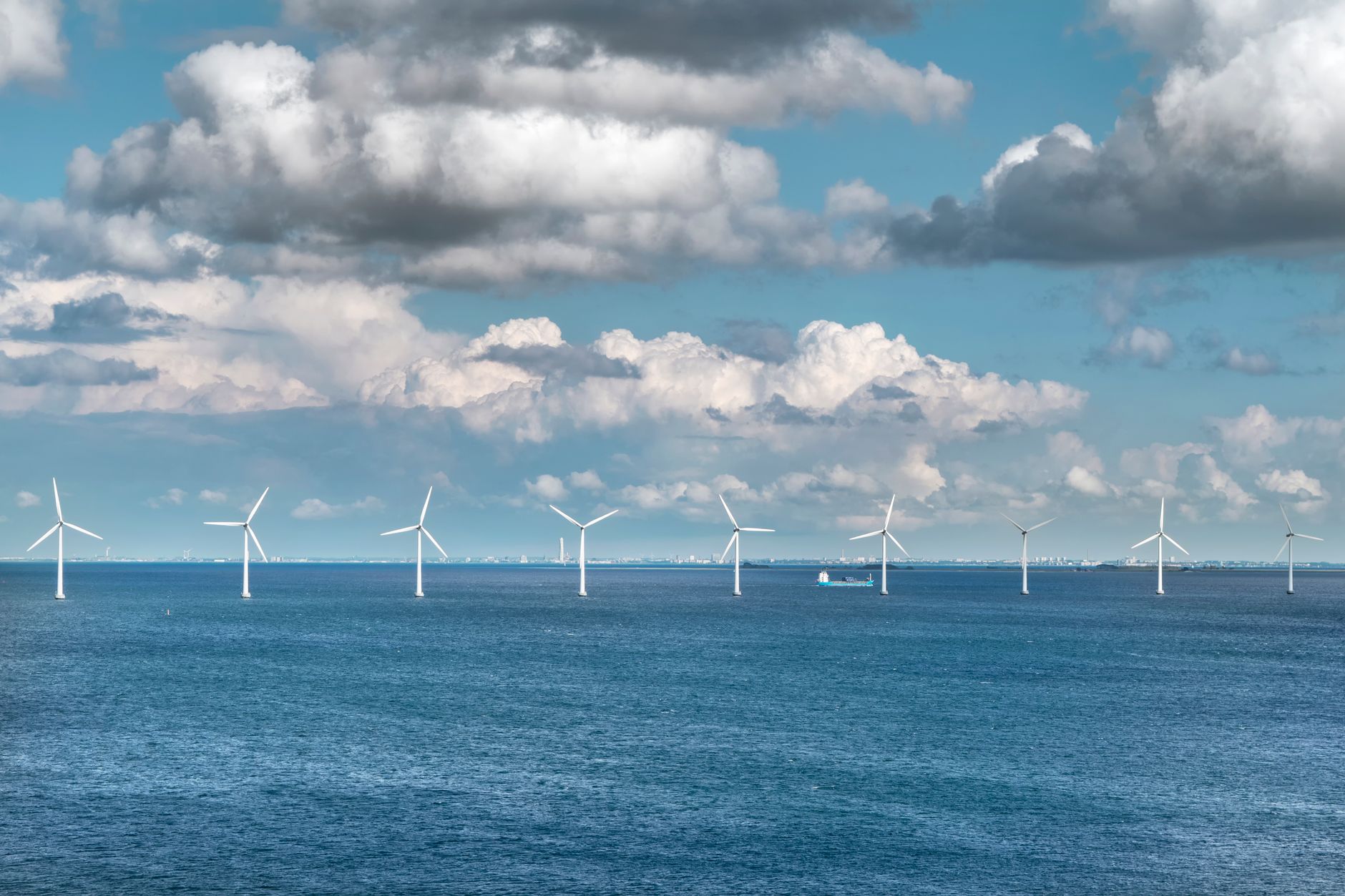
California has launched a lawsuit against the Trump administration and a developer following a controversial deal that saw a critical offshore wind project abandoned for fossil fuel development. The state's Attorney General, Rob Bonta, and the California Energy Commission are challenging a $120 million payout to Golden State Wind, arguing it violates federal law. This legal battle is crucial for California's ambitious clean energy goals, including developing 25 gigawatts of offshore wind power by 2045, a vital step in combating global warming and transitioning to a sustainable future.
Tesla is making significant strides in both autonomous transportation and clean energy storage, signaling a broader strategy beyond just electric cars. With the impending launch of its purpose-built Cybercab robotaxi and a renewed focus on residential solar systems paired with advanced batteries, the company aims to create an integrated clean energy ecosystem. These efforts promise to reduce carbon emissions from transportation and increase the adoption of renewable power, crucial steps in combating climate change and moving towards a more sustainable future.
The market for carbon credits is evolving rapidly, with buyers increasingly paying a premium for verified quality, signaling a shift towards higher integrity in offsetting climate impacts. Meanwhile, the surging demand for AI technology is putting unprecedented pressure on power grids and significantly increasing emissions from semiconductor manufacturing, underscoring the deep link between technological growth and energy choices. On a more optimistic note, the world's largest direct air capture facility is on track to begin operations soon, offering a major milestone for industrial-scale carbon removal and a step towards tackling climate change with advanced solutions.