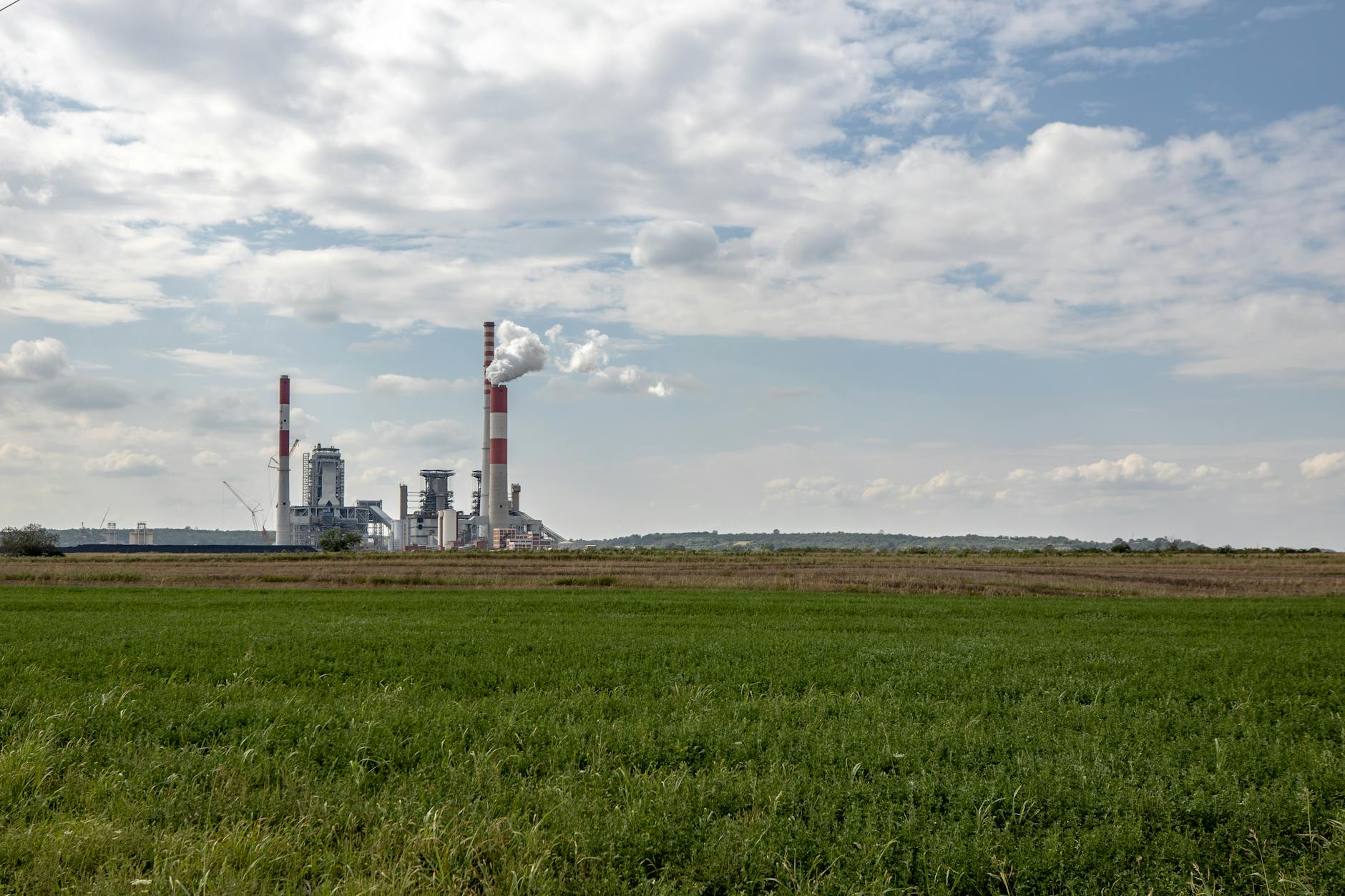
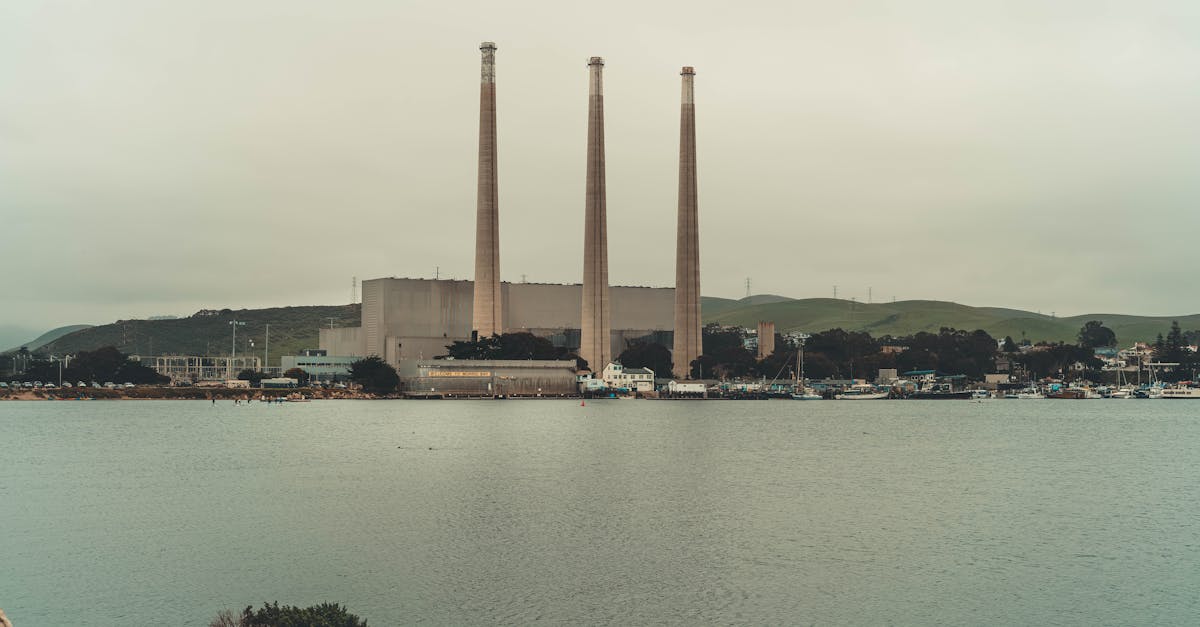
Microsoft has sharply reduced its purchases of carbon removal credits this year, cutting them by about 80% compared to last year. This significant shift comes as the tech giant's overall emissions increased by 25% in fiscal 2025, largely driven by the massive energy demands of its expanding artificial intelligence (AI) business. This creates a challenging paradox for Microsoft, as it strives for rapid AI growth while still aiming to become carbon negative by 2030. The situation highlights a growing tension between technological advancement and urgent climate action.
Thirteen young Hawaiians have achieved a landmark victory, settling a lawsuit that will transform the state's approach to climate action. Their case against the Hawai‘i Department of Transportation (DOT) alleged a violation of their constitutional right to a clean environment. The groundbreaking settlement now requires the DOT to completely decarbonize its transportation sector by 2045, marking a significant step towards a sustainable future. This outcome showcases the powerful impact youth voices can have in accelerating progress against global warming.
Tesla recently rolled out an exciting Vehicle-to-Load (V2L) Outlet Adapter, promising to transform Model Y cars into mobile power sources for everything from laptops to camping gear. This innovative feature highlights the growing versatility of electric vehicles, offering practical benefits beyond transportation. However, many owners, even those with newer Model Ys, are discovering their vehicles aren't compatible due to an older internal power system. This unexpected hurdle has created disappointment for those eager to tap into their EV's full potential.
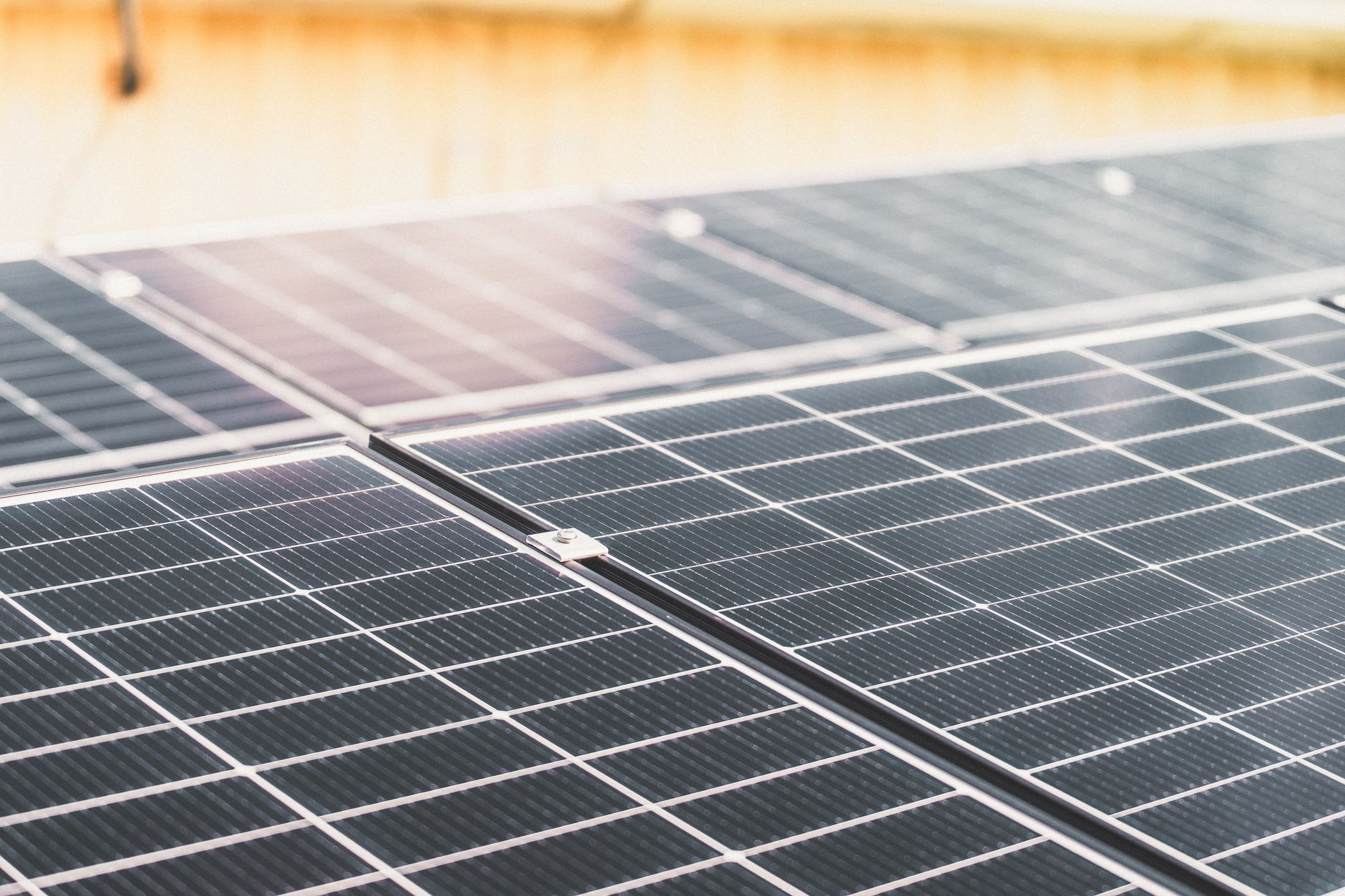
Utah is seeing a boom in new homes, with Governor Spencer Cox targeting 150,000 new builds. Amidst this growth, the nonprofit Utah Clean Energy is championing a crucial initiative: making these new residences climate-friendly. This means homes powered by clean energy like solar, featuring electric appliances and heating systems that drastically cut planet-warming carbon pollution. These advanced homes not only promise greater comfort during extreme weather but also offer significant long-term savings on utility bills, paving the way for a more sustainable future.
California once envisioned a future powered by hydrogen, a clean fuel that promised to revolutionize transportation and heavy industry without greenhouse gas emissions. However, that grand vision is now stalling. Years of high costs, lack of infrastructure, and fierce competition from electric batteries have dimmed the outlook for hydrogen, pushing the state to re-evaluate its approach to achieving critical climate goals. This shift highlights the urgent need for viable, cost-effective sustainable solutions to combat global warming.
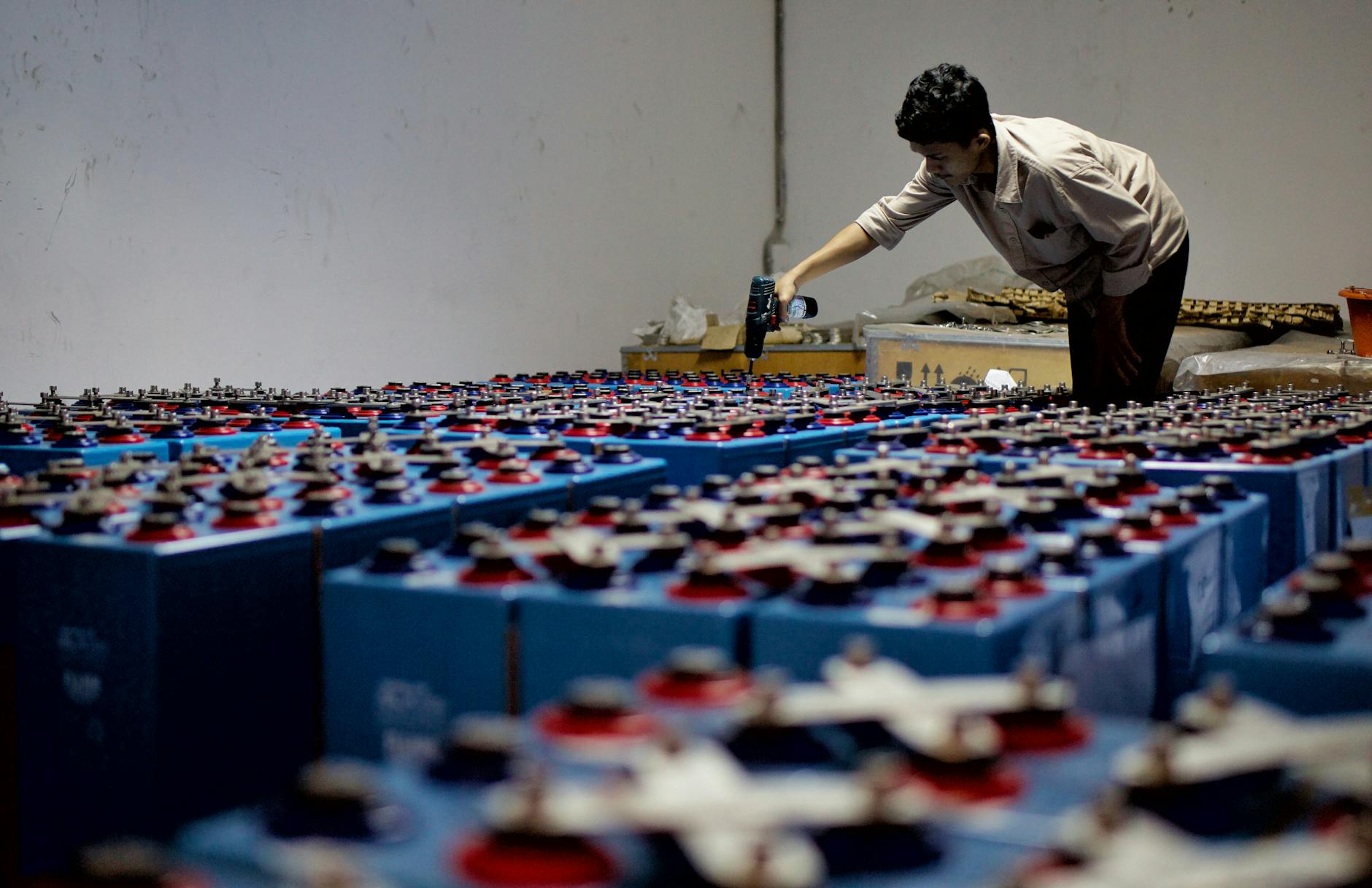
The surge in battery storage projects, crucial for a stable, cleaner energy future, is hitting a major roadblock across the U.S. While demand for these batteries is soaring due to electrification and growing energy needs, connecting them to our aging power grids has become a monumental challenge. Decades of underinvestment in grid infrastructure, coupled with equipment shortages, mean vital green energy projects are facing years of delays. This slowdown directly impacts efforts to decarbonize electricity and build a more resilient system, hindering urgent climate action.
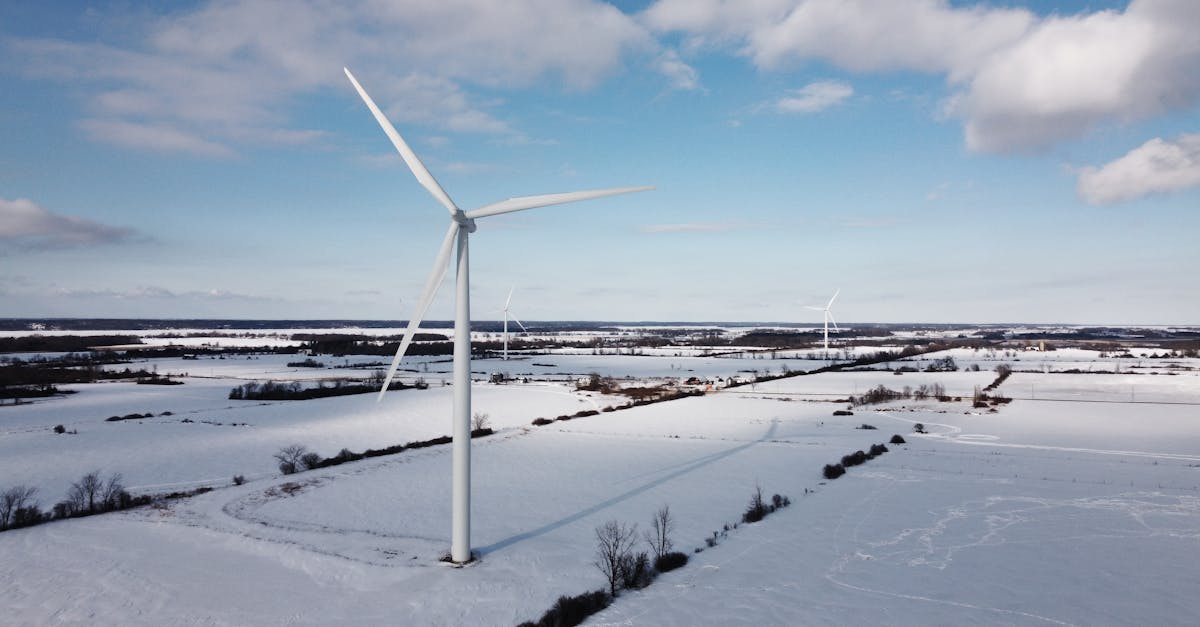
Canada is embarking on North America's largest clean energy investment, a $50 billion plan focused on expanding hydropower and developing new wind farms. This ambitious project aims to secure Canada's electricity needs, boost energy affordability for citizens, and export clean power to the northeastern United States. By significantly increasing its renewable energy capacity, Canada is taking a bold step towards a sustainable future, underscoring the vital shift away from fossil fuels and towards electrification in the fight against climate change. This initiative highlights the growing global commitment to green solutions.
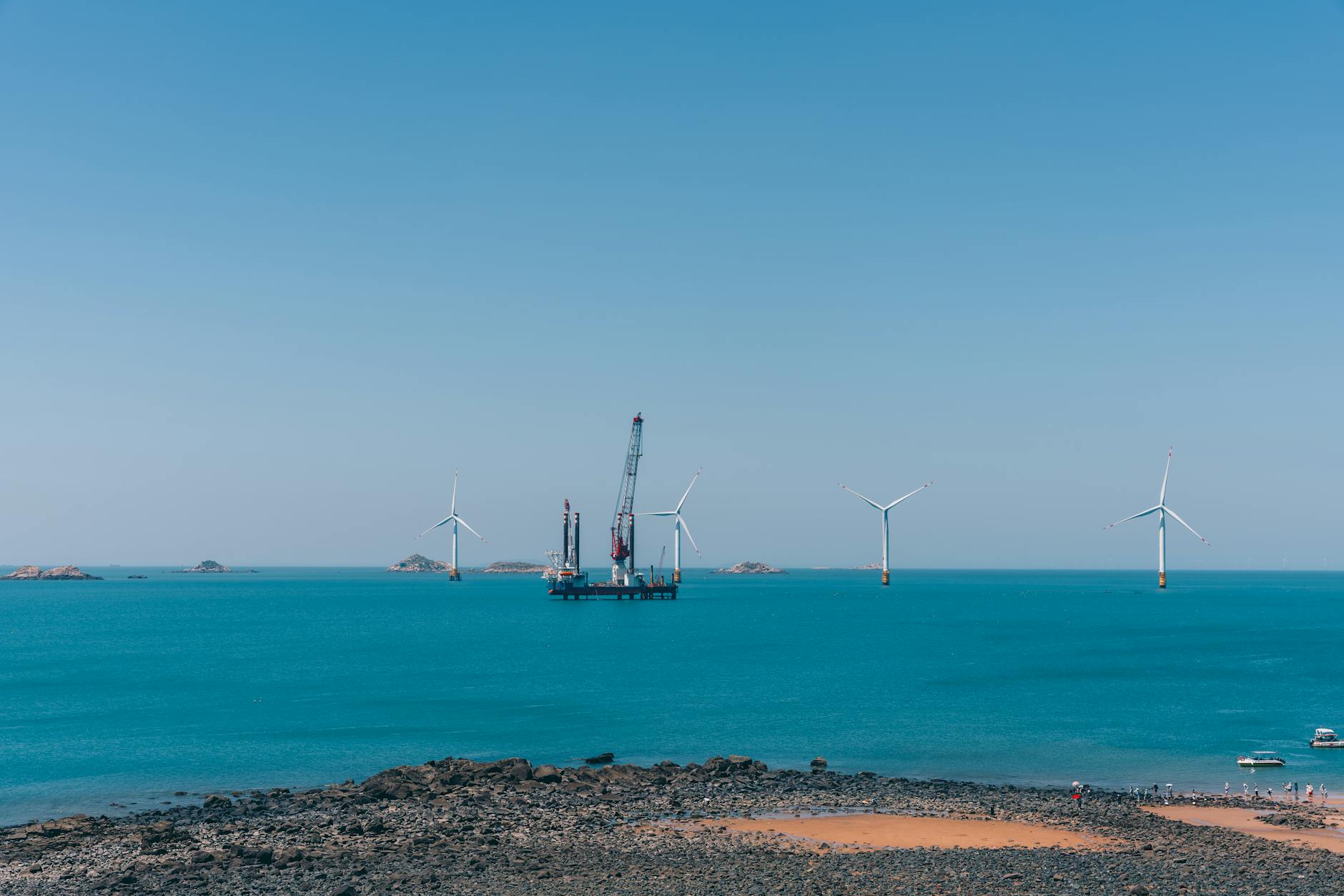
The United States' ambitious goal to power millions of homes with offshore wind by 2030 is now facing severe headwinds. Experts and former industry executives say political attacks have thoroughly battered the nascent industry, slashing growth projections by 85 percent. This dramatic reversal dashes hopes for a significant renewable energy boom and thousands of green jobs, highlighting the critical need for stable policies to drive our transition to cleaner energy and combat global warming.
This summer, Europe experienced record-breaking heatwaves and devastating wildfires, claiming thousands of lives and forcing hundreds of thousands to flee their homes. These extreme events, including unique 'fire clouds,' are stark reminders of how quickly our climate is changing. Experts warn that current efforts are too slow, underscoring the urgent need for global leaders and industries to take decisive action to prevent a far worse future. The time for meaningful climate action is now.
Tesla's all-electric Cybercab is expanding public road tests, now featuring a groundbreaking Starlink satellite integration. This sleek, two-seater vehicle has been spotted across several states, hinting at a new era for urban mobility. The integration promises uninterrupted connectivity for passengers, offering entertainment and crucial support for the autonomous fleet. This move underscores Tesla's commitment to advancing sustainable transportation with cutting-edge technology, paving the way for a more connected and cleaner future.
Global efforts to combat climate change are accelerating, with significant progress in carbon markets and innovative removal technologies. Brazil is pioneering new operational frameworks for carbon capture, while European nations are investing billions into industrial decarbonization and advanced carbon removal solutions. Meanwhile, Asian markets are expanding rapidly, boosting international cooperation and financial instruments for carbon credits. These developments underscore a growing global commitment to sustainable solutions and the urgent need to achieve climate neutrality.
California is reconsidering its long-standing plan to shut down the Diablo Canyon nuclear power plant. Originally set for closure in 2025, the plant received an extension to 2030, and now a movement is growing to keep it running until 2045. This surprising shift comes as the state grapples with surging electricity demand driven by artificial intelligence, electric vehicles, and building electrification, alongside ambitious goals for 100% carbon-free energy. The debate highlights the complex challenges of transitioning to a sustainable energy future while ensuring a reliable power supply.