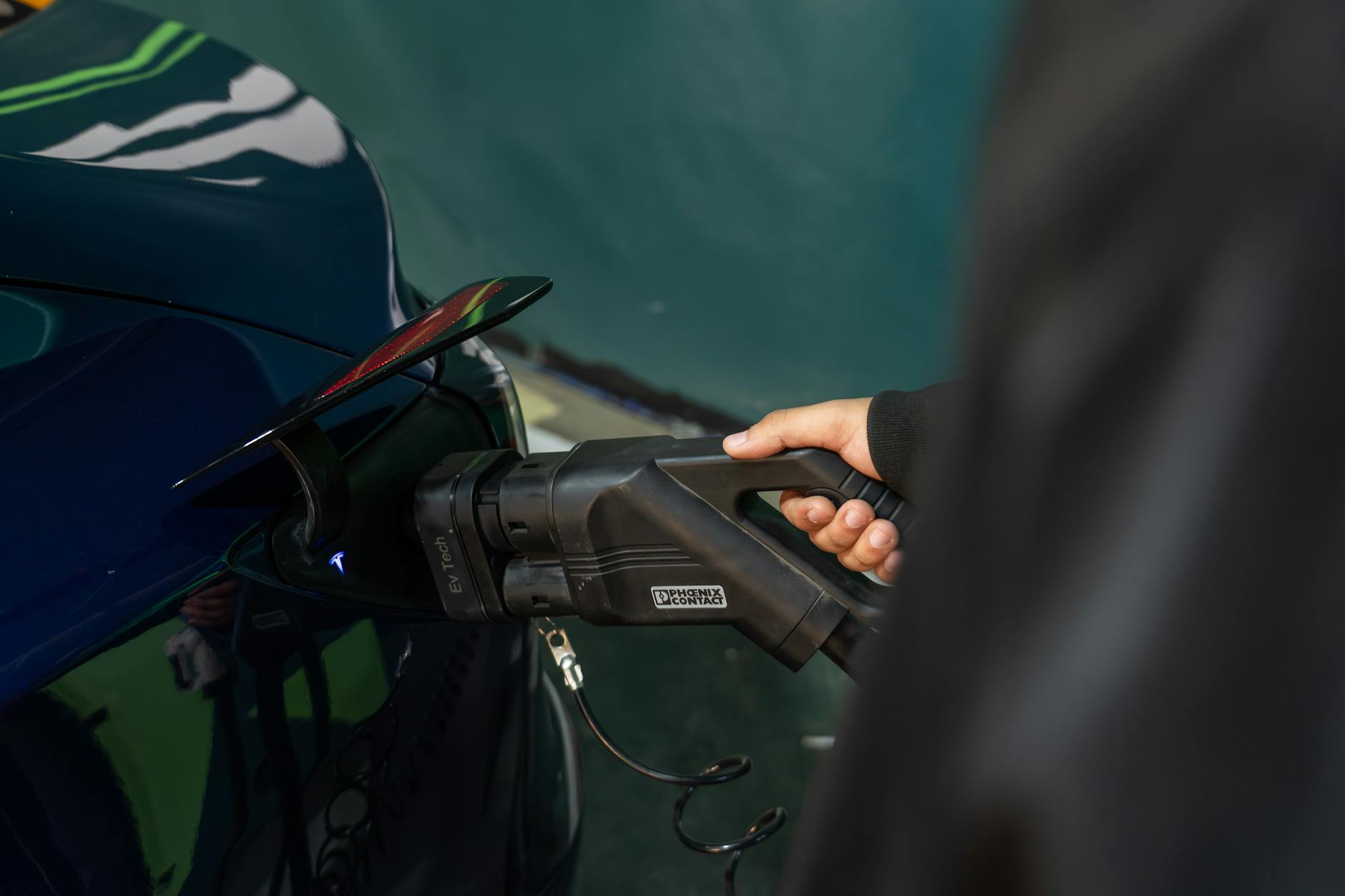
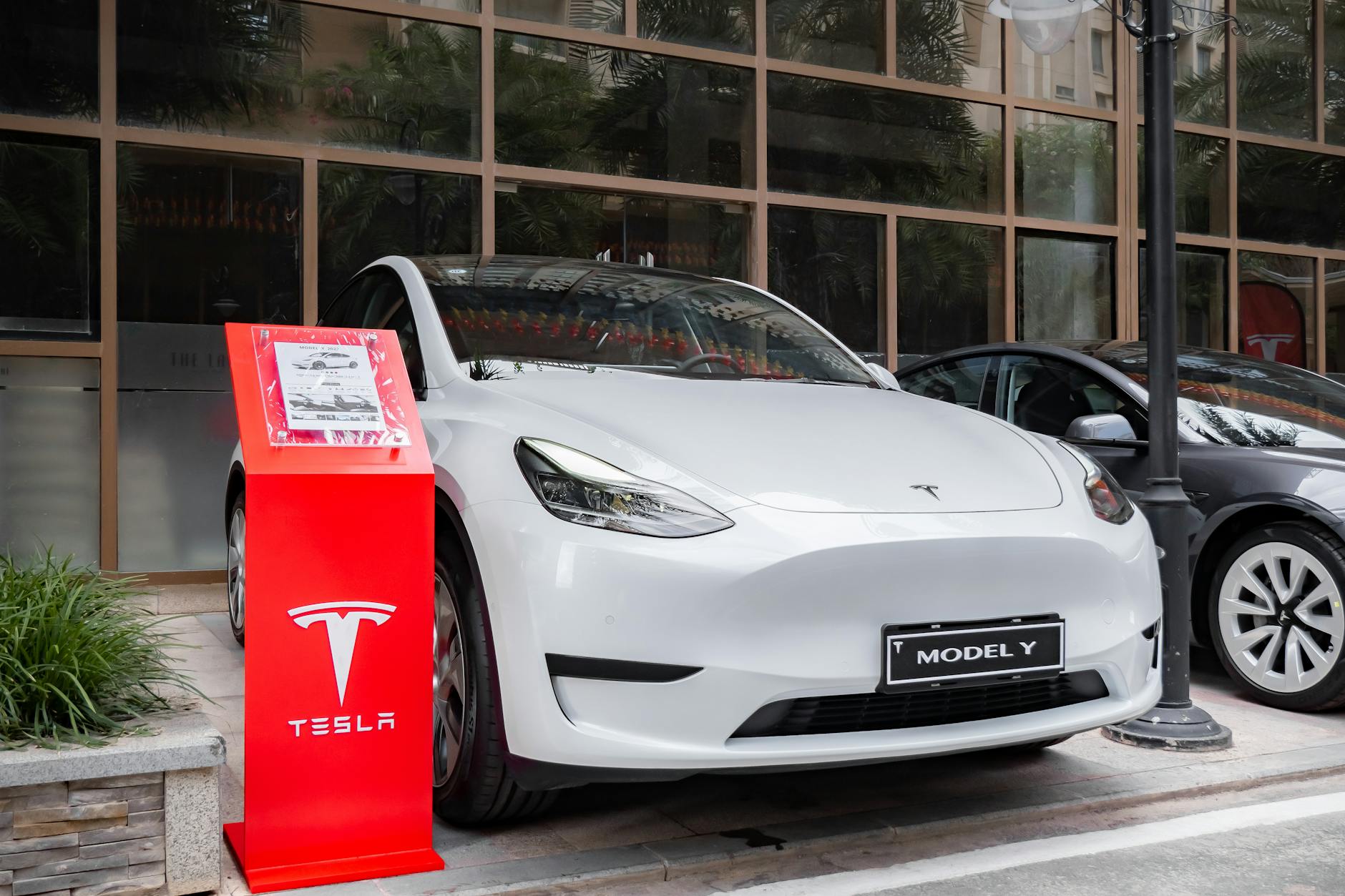
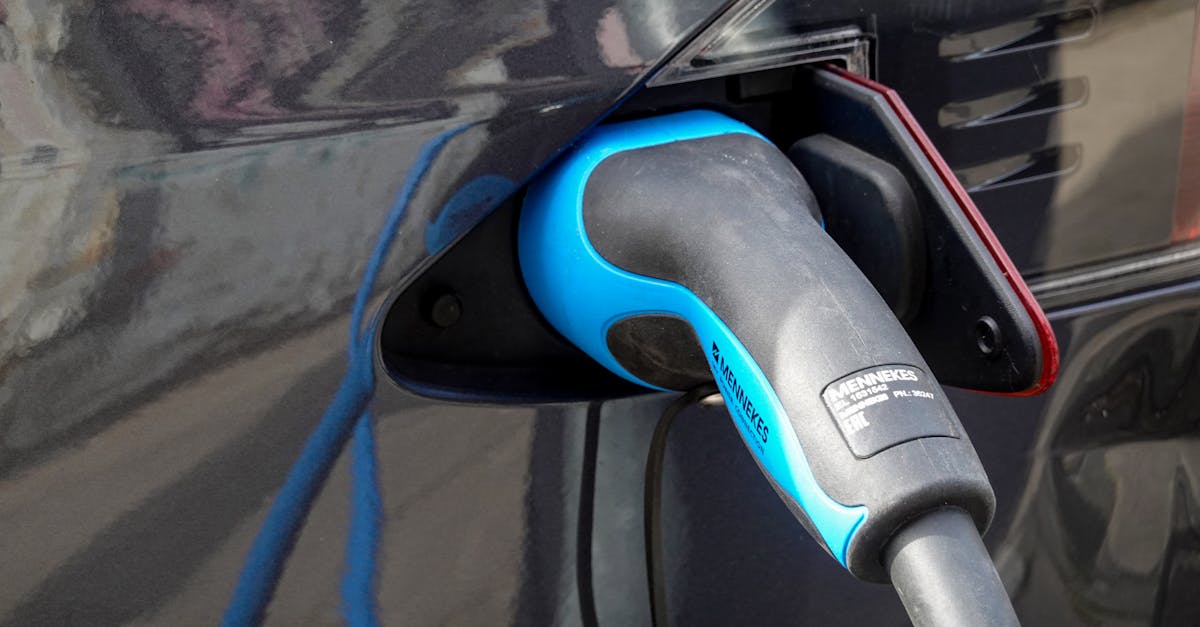
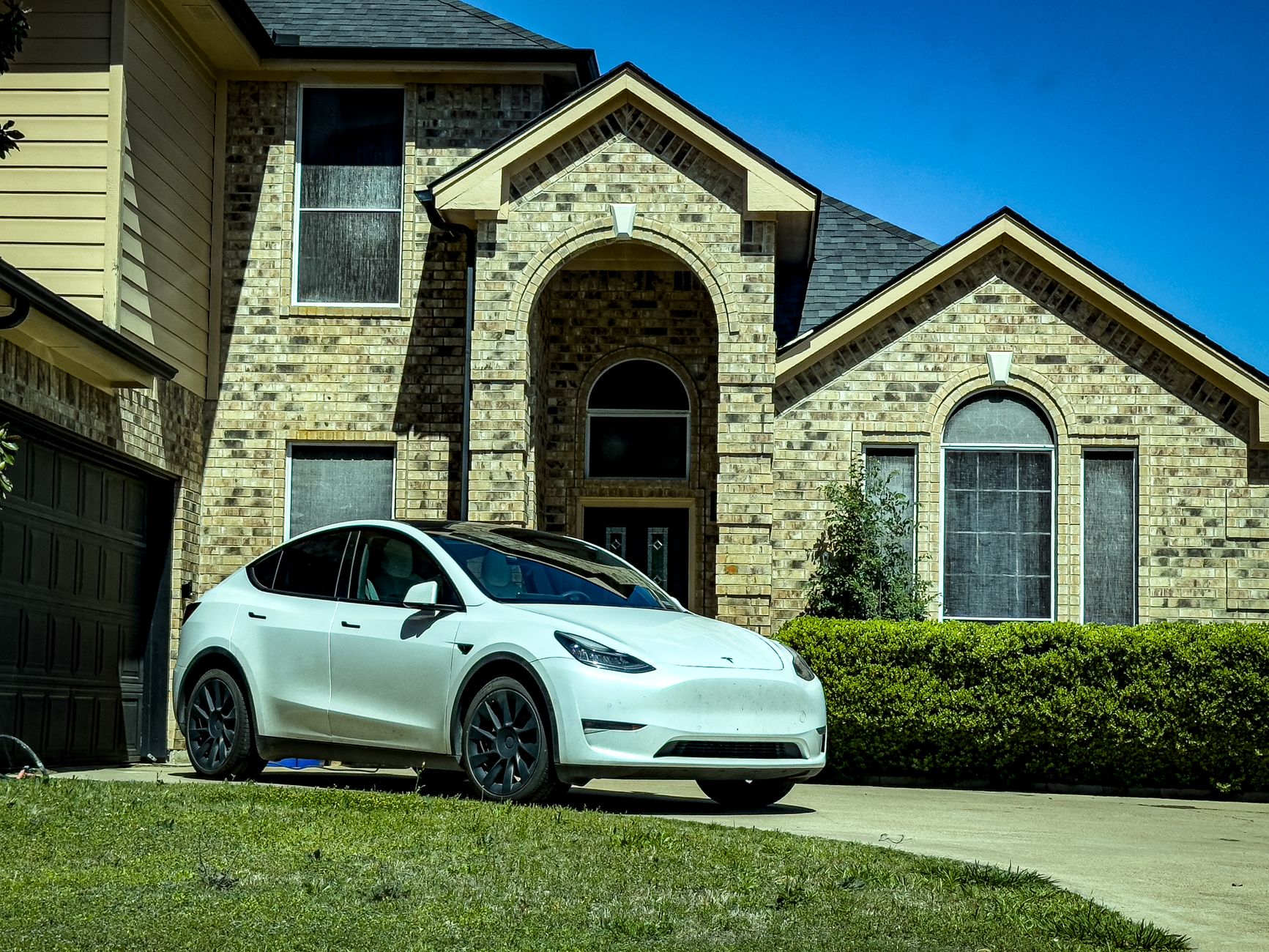
Tesla recently launched an exciting new Outlet Adapter, allowing Model Y owners to use their electric vehicles as a powerful energy source for various devices, from laptops to camping gear. This Vehicle-to-Load (V2L) capability truly showcases the versatile potential of electrification. However, many owners of even the newest Model Y builds are discovering their cars aren't compatible due to an older power conversion system. This unexpected limitation means accessing this innovative feature could require an expensive hardware upgrade, highlighting a surprising hurdle in an otherwise forward-looking technology.
Tesla has introduced a new Vehicle-to-Load (V2L) Outlet Adapter for its Model Y, allowing owners to power external devices directly from their cars. This innovative accessory transforms the electric vehicle into a versatile power source for everything from laptops to electric grills, showcasing the expanding utility of sustainable transportation. However, a surprising number of even newer Model Y vehicles are not compatible with this $80 adapter, leaving many owners unable to access the feature without an expensive hardware upgrade. This situation highlights the evolving landscape of EV technology and the importance of ensuring broad accessibility to advanced functionalities.
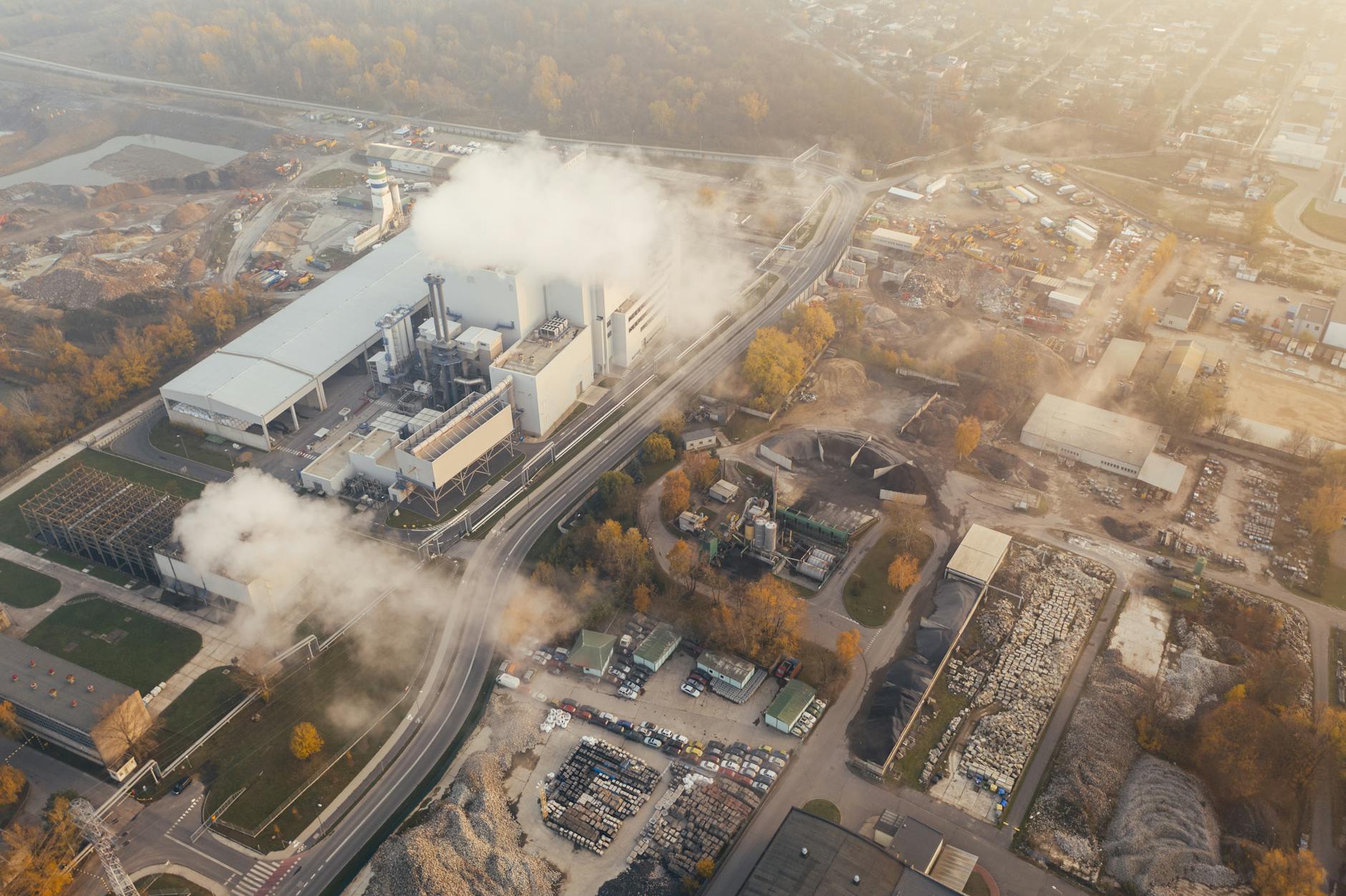
In the mountain villages of Guatemala, communities like El Duraznal are buried under a growing tide of plastic waste, leading to critical health and environmental issues. With limited waste management, many residents resort to burning plastic, unknowingly releasing harmful toxins into the air. This practice contributes to severe indoor air pollution, endangering women and children, and exacerbates local environmental degradation. A collaborative research project, Ecolectivos, is working with these communities to find sustainable solutions and highlight the urgent need for action against this pervasive plastic crisis.
The global effort to combat climate change is gaining significant momentum, with major advancements unfolding across continents. From Asia's burgeoning carbon markets to Brazil's innovative carbon capture frameworks and Europe's bold decarbonization investments, the push for sustainable solutions is accelerating. These developments underscore a crucial global commitment to reducing emissions and fostering a cleaner, more resilient future, showcasing how diverse strategies are converging to tackle climate urgency.
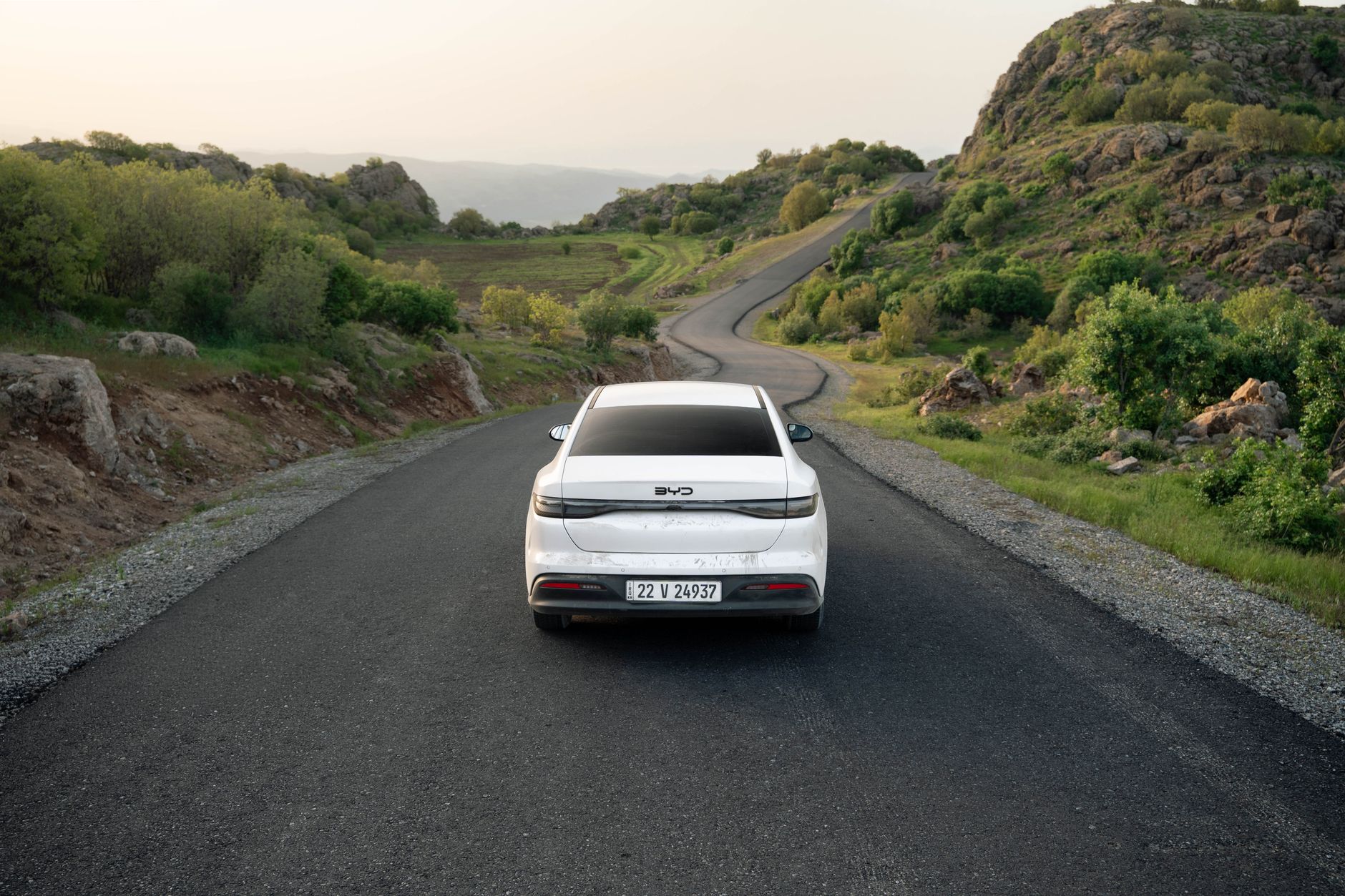
A remarkable shift is underway in South America, with electric vehicle (EV) sales accelerating at an astonishing rate. Argentina, in particular, has seen its EV market share jump significantly, driven largely by Chinese manufacturers like BYD. This rapid adoption is a "leapfrog" moment for emerging markets, bypassing the slower transition seen in some leading economies. While this surge offers hope for reducing global transportation emissions and combating climate change, experts caution that true decarbonization requires more than just vehicle electrification.
After years in the shadows, hybrid cars are making a stunning return to popularity worldwide. With high gasoline prices and electric vehicle (EV) sales cooling due to cost and charging concerns, consumers are increasingly choosing hybrids for their blend of fuel efficiency and convenience. This unexpected surge highlights a pivotal moment in our transition to greener transport, offering a tangible step towards reducing emissions while full electrification takes hold. Major automakers are ramping up production to meet this renewed demand.
NextEra Energy, once a vocal leader in renewable energy and climate action, has notably scaled back its clean energy messaging and commitments. The world's largest publicly traded electricity company now emphasizes a "diverse" energy mix, including natural gas, adopting language like "American energy dominance." This shift aligns with a political environment that increasingly favors fossil fuels and casts doubt on clean energy initiatives. Critics are questioning NextEra's sincerity regarding its environmental pledges, highlighting a concerning trend for climate progress. The move underscores how political pressures can undermine critical steps toward a sustainable, electrified future.
Tesla is considering a massive $10.1 billion solar manufacturing plant in Fort Bend County, Texas, known as Project Crystal Sun. This ambitious proposal aims to create nearly 10,000 jobs and significantly bolster U.S. domestic solar production by 2029. Such an investment highlights Tesla's growing commitment to clean energy and is crucial for reducing reliance on foreign supply chains. While still in early stages, this project could be a pivotal step in accelerating America's transition to a more sustainable, electrified future, helping to tackle climate change head-on.
Five summers ago, an unprecedented heatwave struck the Pacific Northwest, tragically claiming hundreds of lives in a region historically unaccustomed to such extreme temperatures. King County, which includes Seattle, was particularly affected, with many homes becoming dangerous ovens due to their design and a lack of air conditioning. This devastating event underscored the urgent need for communities to adapt to our changing climate. In response, King County is now implementing strategies to protect its most vulnerable, especially older adults, from future heat-related dangers.
Tesla Energy is rolling out a new Powerwall Lease program in Texas, offering homeowners whole-home backup power for a net cost of just $35 per month after credits. This initiative provides two Powerwall units and a fixed electricity rate through Tesla Electric. It aims to boost grid resilience and offer crucial protection during severe weather events, ensuring households maintain power when the traditional grid falters. This move highlights a growing commitment to sustainable, reliable energy solutions for a changing climate.
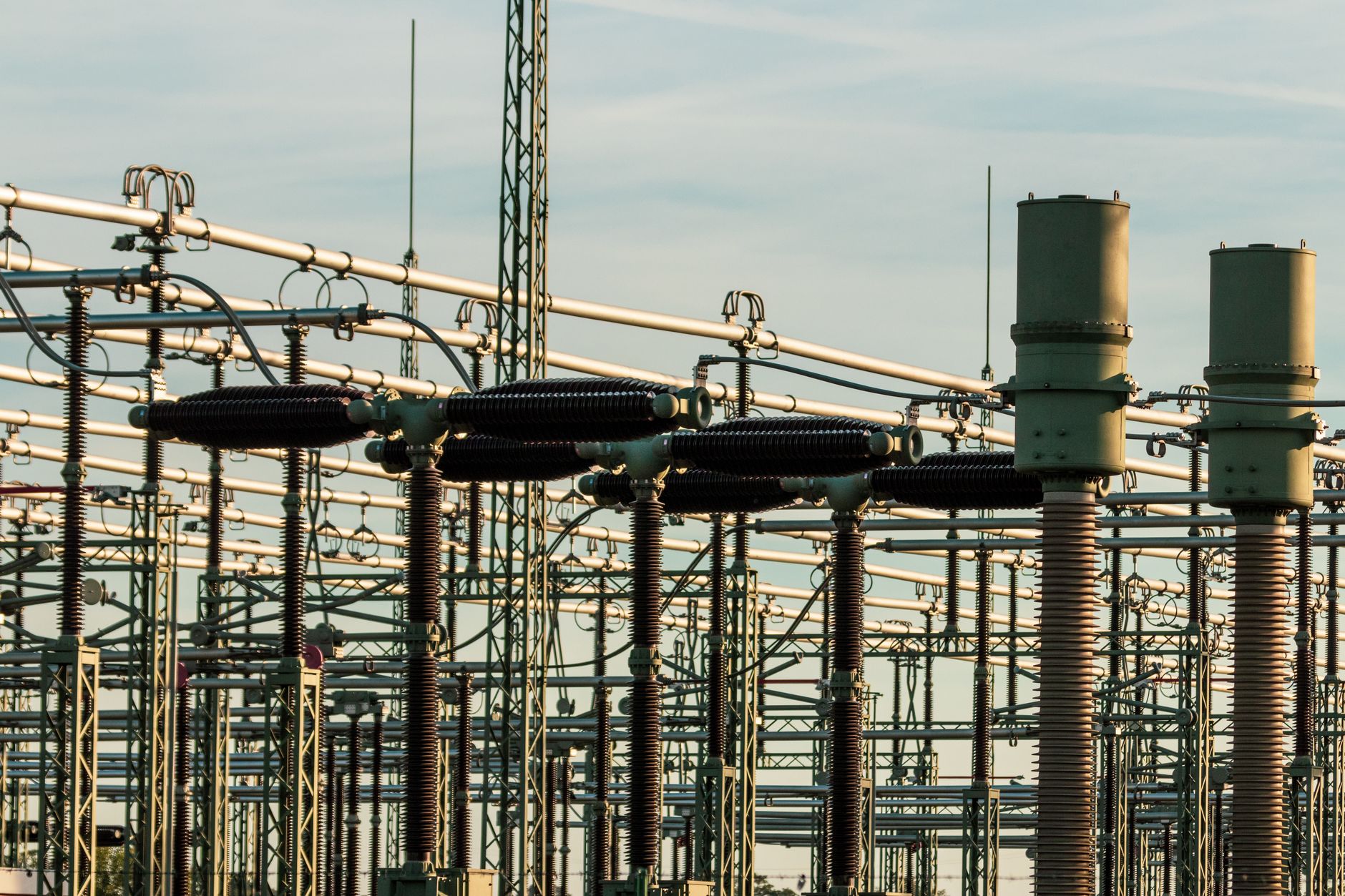
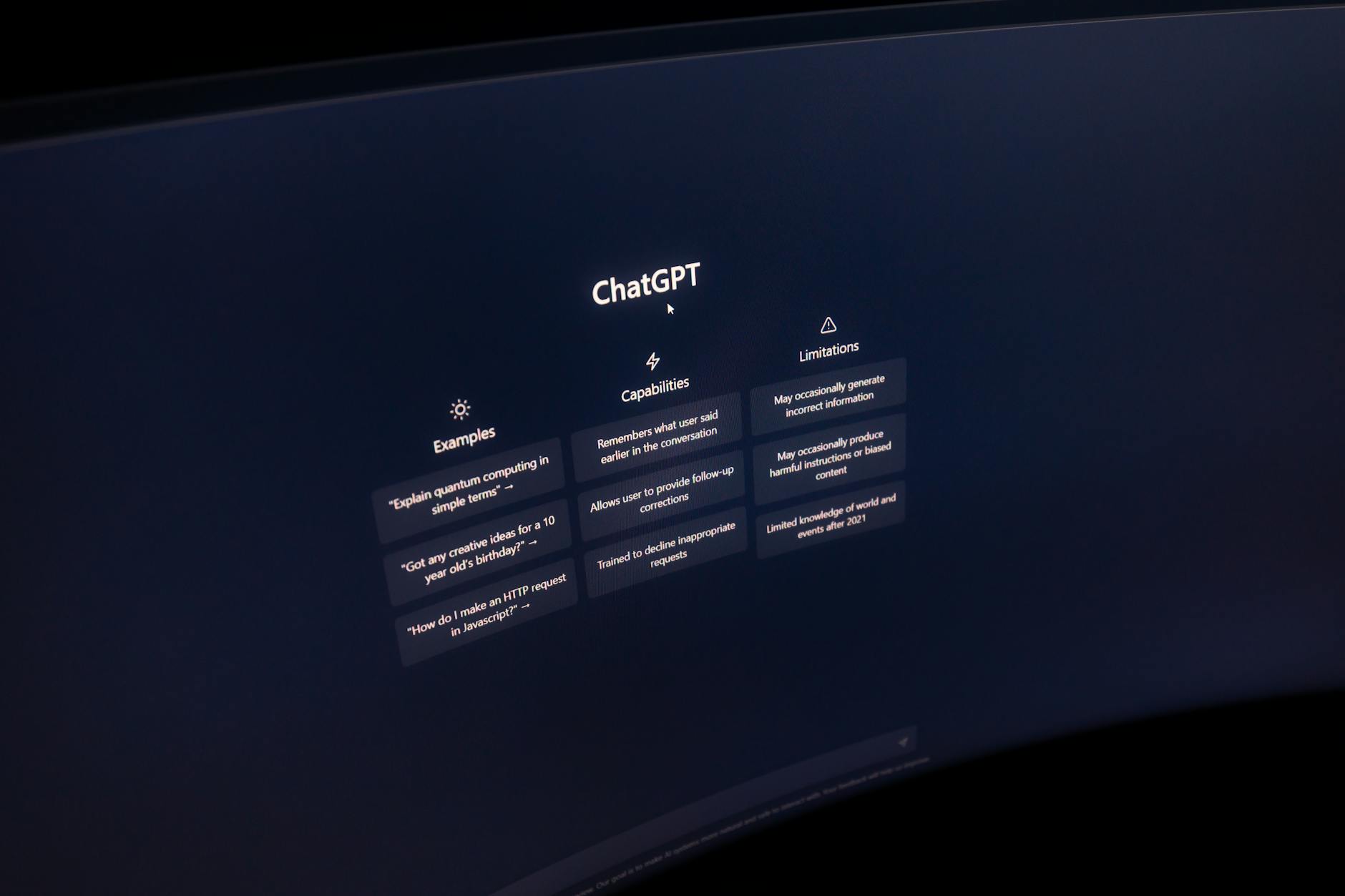
NVIDIA is rallying top financial firms like BlackRock and Goldman Sachs to fund a massive $500 billion AI infrastructure buildout. This initiative aims to help companies access the capital needed for data centers and computing power, treating these "AI factories" as critical infrastructure. However, this explosive growth in AI also means a huge surge in electricity demand, putting unprecedented pressure on our energy grids. Meeting this demand sustainably with clean energy is crucial to avoid escalating climate impacts and ensure AI development aligns with global environmental goals.
Tesla has recently trademarked 'MEGAPOD', signaling its deepening commitment to artificial intelligence and modular computing solutions. This new filing describes a self-contained, modular system packed with everything needed for AI workloads, from servers to cooling. It represents a significant step in how Tesla plans to build out its AI infrastructure, hinting at a future where powerful computing units can be deployed flexibly. This move could redefine how AI is integrated into our daily lives and energy systems, making advanced computing more accessible and efficient.