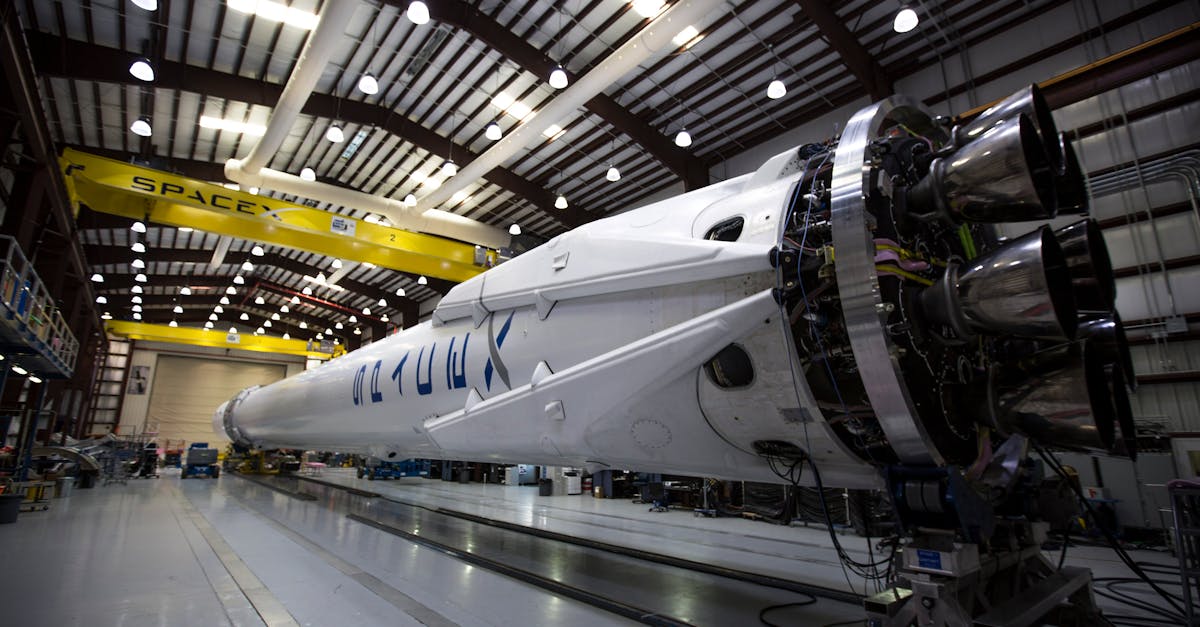
Elon Musk envisions a future where every car relies on satellite internet, specifically Starlink, to handle the massive data demands of artificial intelligence. This bold prediction comes as Tesla's upcoming electric Cybercab is set to ship with Starlink V5 technology built-in, marking a significant step towards this vision. While not for autonomous driving, the satellite link will enhance navigation and rider experience. Musk argues that traditional ground networks simply won't keep pace with the data generated by the next generation of AI-powered, sustainable transportation.
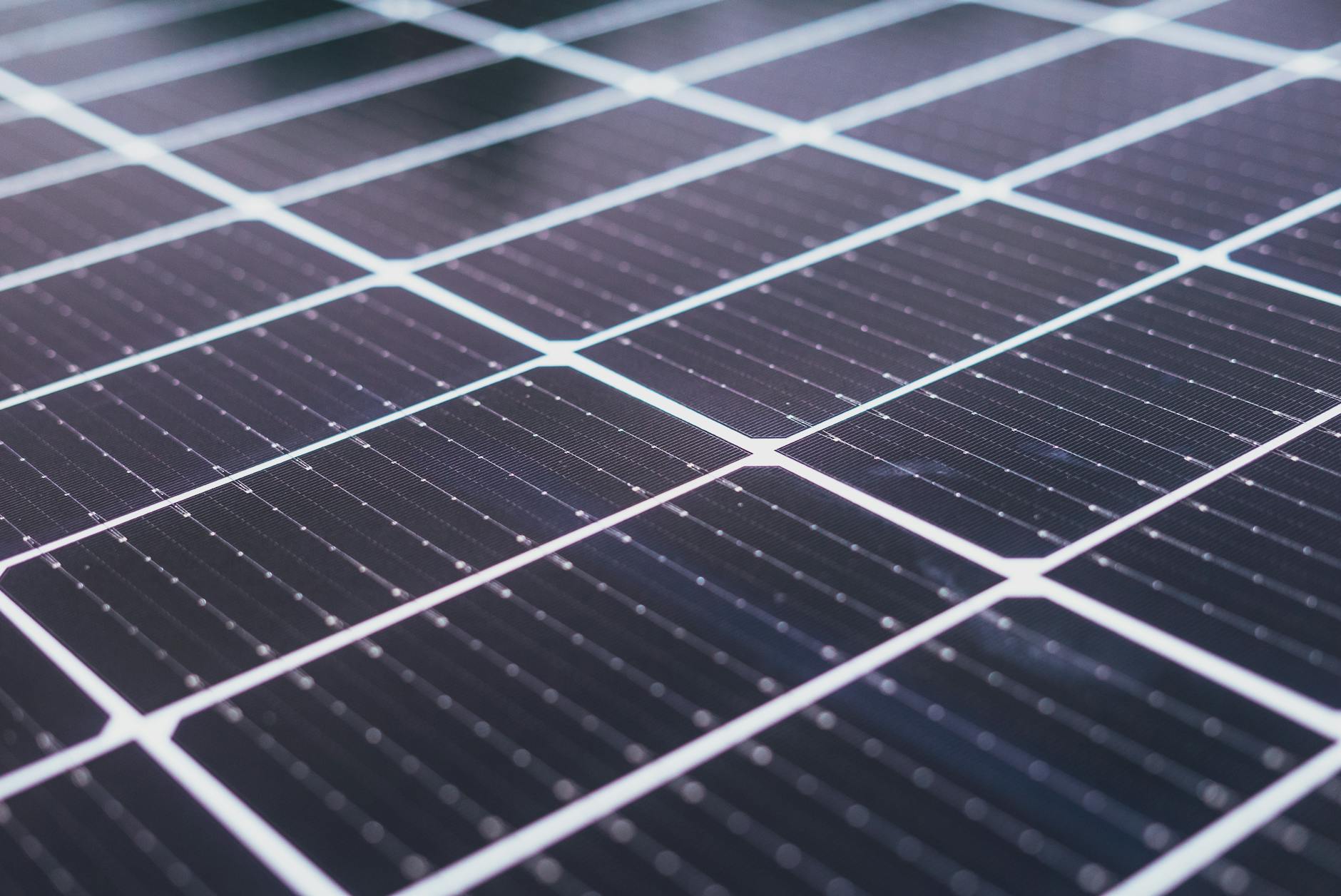
The first half of 2026 marked a significant period for the U.S. power sector, revealing a clear trend towards cleaner energy solutions. Data from the U.S. Energy Information Administration highlights 368 utility-scale plants that began operation from January to June, with a striking dominance of solar and battery storage projects. This surge in renewable capacity, particularly utility-scale solar paired with batteries, underscores a crucial step in the nation's electrification journey. This shift is vital for addressing climate change and reducing reliance on traditional energy sources, moving us closer to a sustainable future.
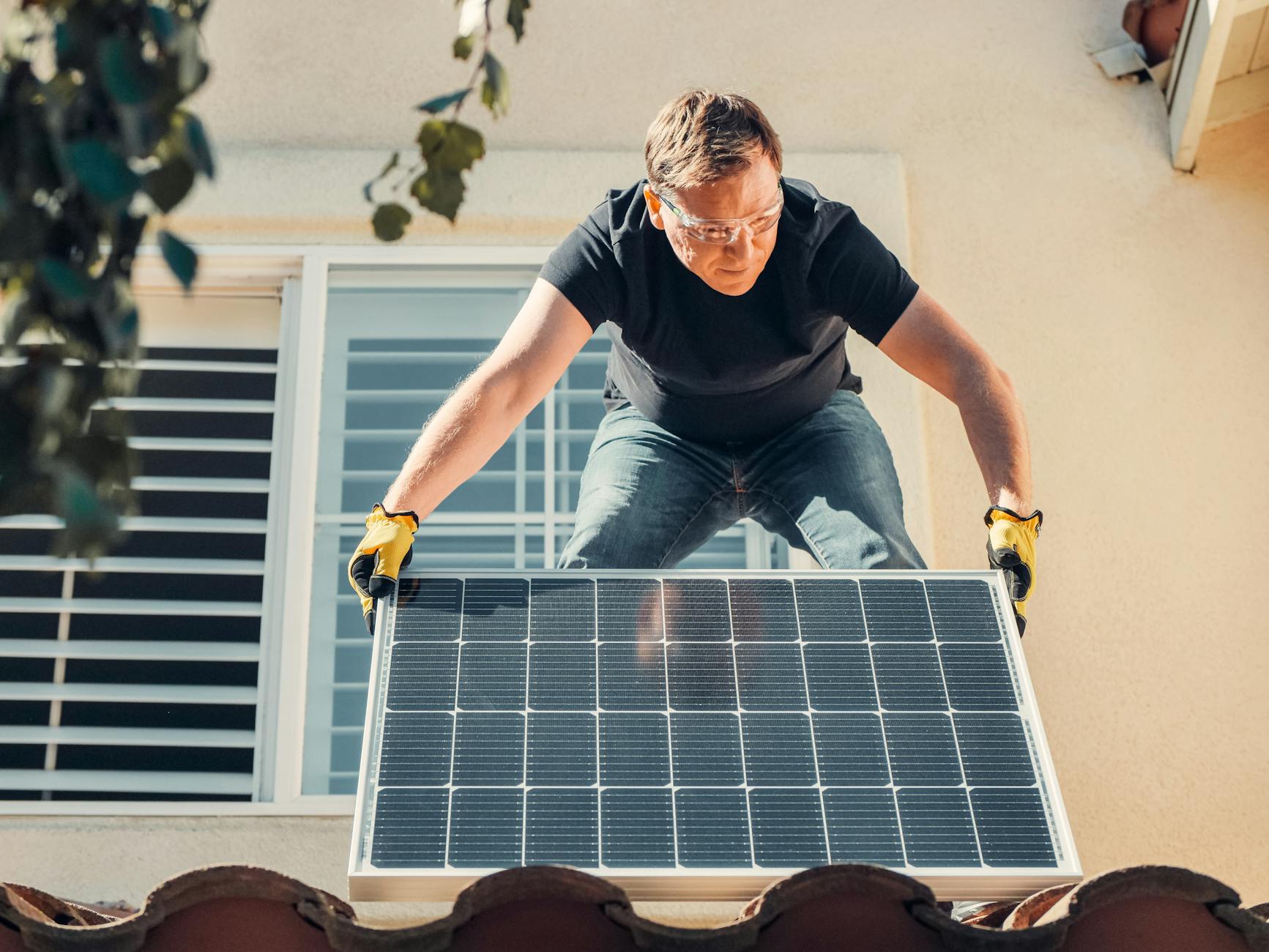
California is on the verge of a significant shift in personal energy use with Senate Bill 868, a proposed law that could legalize "balcony solar" — small, plug-in solar panels for patios or fences. This innovation promises to dramatically lower electricity bills for many, especially renters, by allowing direct connection to wall outlets. The move could empower more Californians to embrace clean energy, driving forward climate action and reducing reliance on traditional power grids. However, the bill faces opposition from utilities concerned about grid reliability and cost shifts, even as advocates champion its simplicity and environmental benefits.
Elon Musk has once again hinted at a future where flying cars are a reality, directly addressing a long-standing sci-fi promise. These remarks follow previous teasers about Tesla's highly anticipated, all-electric Roadster potentially having unique hovering capabilities. While the supercar's release has faced multiple delays, the idea of an electric vehicle defying gravity highlights the incredible potential of advanced clean technologies. This futuristic vision underscores how electrification continues to push the boundaries of what's possible in transportation.
Some of the world's most powerful artificial intelligence companies, including OpenAI and Anthropic, have remained silent about their greenhouse gas emissions despite their rapid growth. This lack of transparency leaves the public in the dark about the significant environmental impact of their energy-intensive operations. The massive data centers powering AI could soon generate as much climate pollution as entire countries. However, a new California law is set to change this, requiring these tech giants to disclose their carbon footprint and ushering in a new era of accountability for the sector.
As federal environmental justice initiatives face dismantling, a new voice challenges the status quo. Dr. Lemir Teron argues that current policies, by focusing on “disadvantaged communities,” often miss the true impact of “environmental racism.” In his book, "Unlearn Power," Teron emphasizes the urgent need to reconfigure both our energy systems and the political mechanisms that perpetuate ecological and socioeconomic harm. He advocates for a more confrontational path, urging communities and governments to fight for true climate justice amid escalating environmental crises like extreme heat. This approach underscores that effective climate action must directly address deep-seated inequalities.
Tesla is considering a massive $10.1 billion solar cell manufacturing plant in Fort Bend County, Texas, signaling a major push into domestic clean energy production. This ambitious project, internally named "Project Crystal Sun," promises to create nearly 10,000 permanent jobs. It aims to build a fully integrated solar cell production facility, significantly boosting the supply of sustainable energy solutions. However, the plan hinges on securing a critical property tax incentive, with Tesla weighing other state options.
Nvidia is making a significant move, planning to invest up to $3 billion in Lancium, a Texas-based company focused on power infrastructure for AI data centers. This massive investment highlights a crucial shift: the race for artificial intelligence is no longer just about powerful chips, but also about securing reliable and substantial electricity to run these energy-intensive systems. As AI's energy footprint grows, ensuring sustainable power sources becomes vital for the future of technology and our planet. This investment aims to tackle the challenge of providing the vast amounts of electricity needed for the next generation of AI.
Sila Nanotechnologies has secured a conditional loan commitment of up to $1.4 billion from the U.S. Department of Defense to significantly expand its domestic battery production. This massive investment aims to build a U.S.-based alternative to the current dominant global battery supply chain, crucial for electric vehicles and national security alike. By focusing on advanced silicon-carbon anodes, Sila's technology promises to make batteries more powerful and efficient, accelerating the transition to a cleaner, electrified future while strengthening U.S. energy independence.
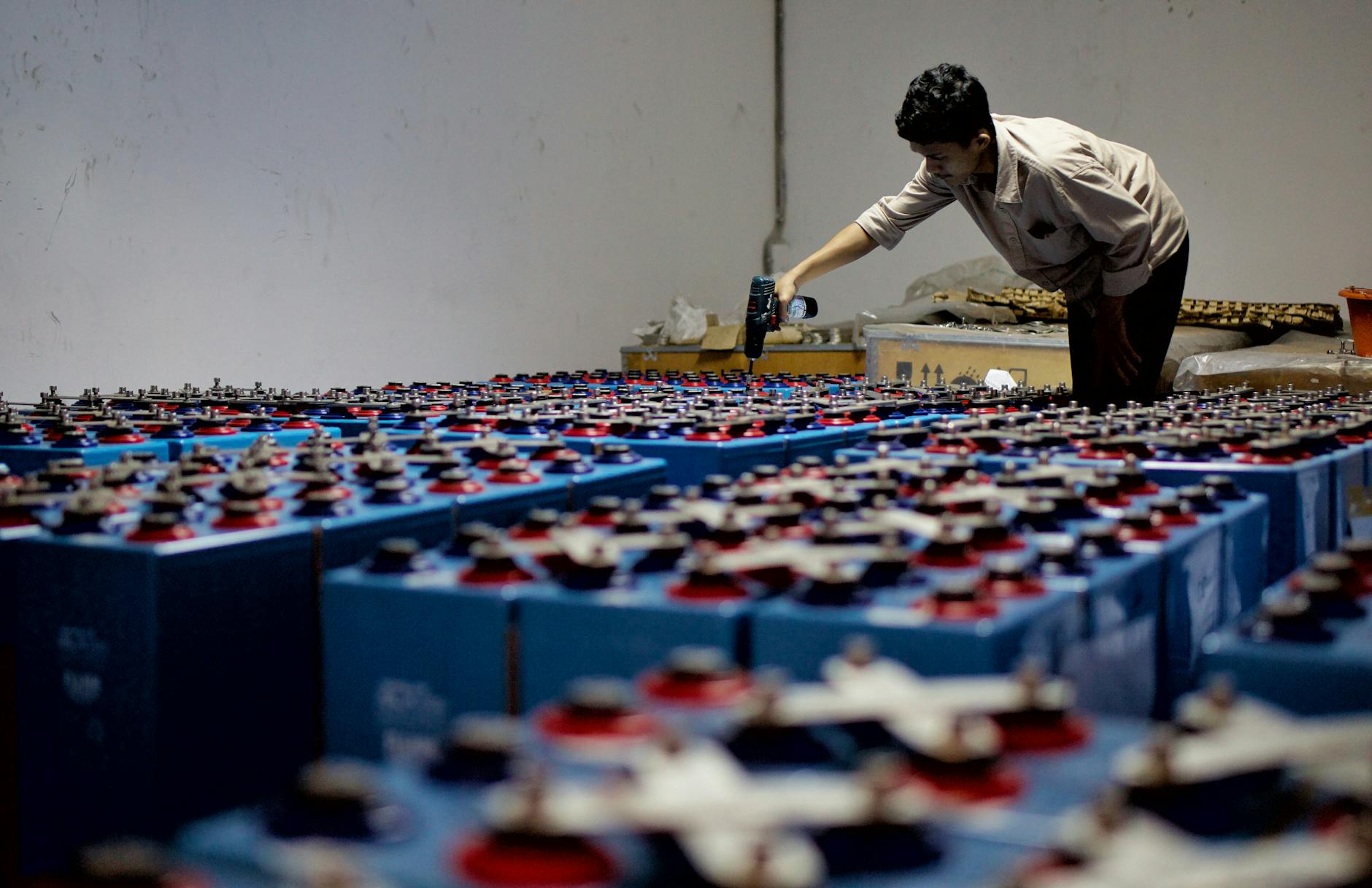
Large-scale battery storage is quickly becoming a cornerstone of the clean energy revolution. These systems are crucial for making renewable sources like solar and wind power reliable, ensuring electricity is available even when nature isn't cooperating. Leading the charge, Danish company Ørsted has launched its 250-megawatt Old 300 battery system in Needville, Texas. This major step forward, powered by Tesla Megapacks, significantly boosts the state's power grid while expanding cleaner energy options.
Tesla has filed plans for a massive $10.1 billion solar cell manufacturing plant in Fort Bend County, Texas, internally dubbed "Project Crystal Sun." This ambitious project aims to integrate the entire solar cell production process, from raw materials to finished products, across 3,000 acres. If built, it promises nearly 10,000 permanent jobs and represents a significant step towards boosting domestic clean energy capacity. Such an investment highlights the critical push for sustainable solutions and accelerates the transition away from fossil fuels, reinforcing the urgency of global warming action by expanding access to clean, renewable power.
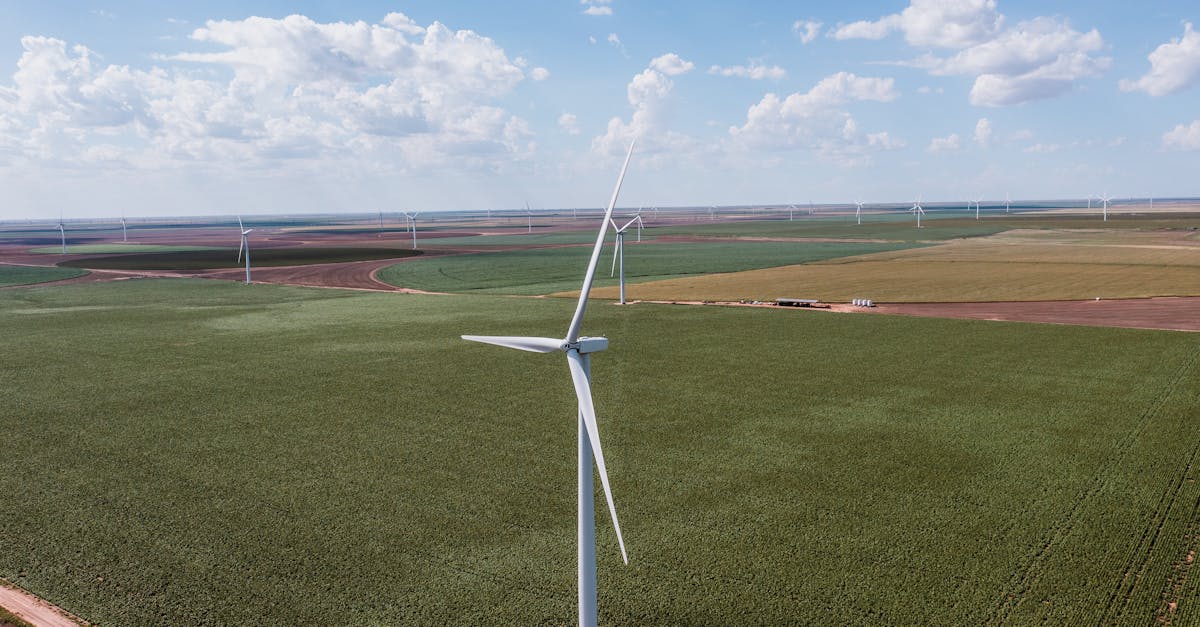
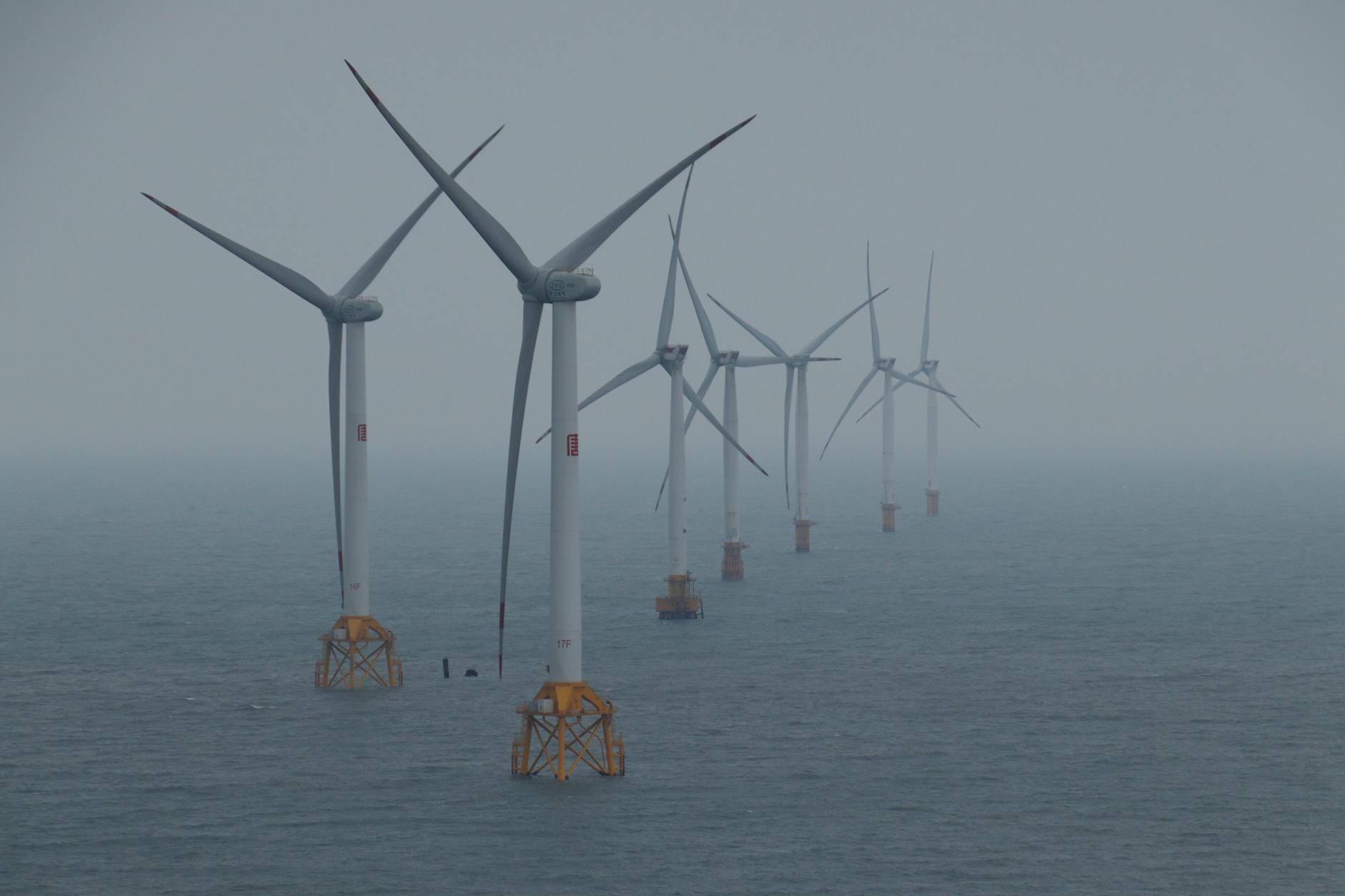
Virginia's highly competitive second congressional district is at a crossroads, with incumbent Republican Jen Kiggans facing off against former U.S. Rep. Elaine Luria. This coastal region, encompassing Virginia Beach and Hampton Roads, is acutely vulnerable to climate change, experiencing frequent blue-sky flooding and land subsidence. The election is set to be a crucial referendum on how to address these environmental challenges, with voters keenly focused on issues like offshore wind energy, coastal protection, and the economic impacts of a changing climate.