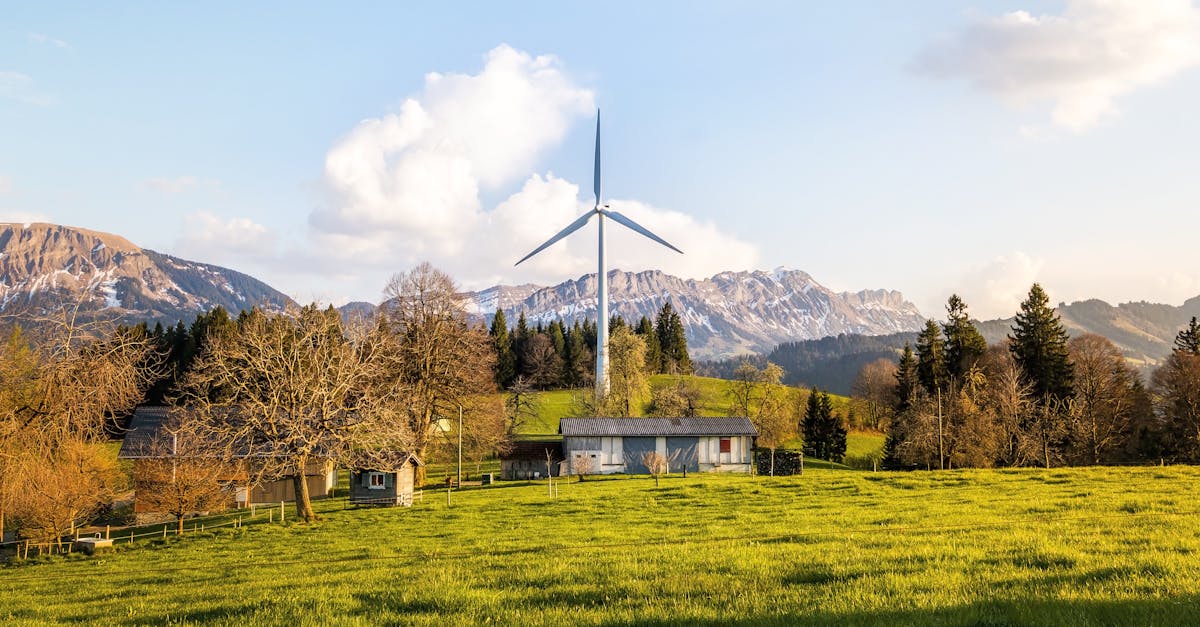
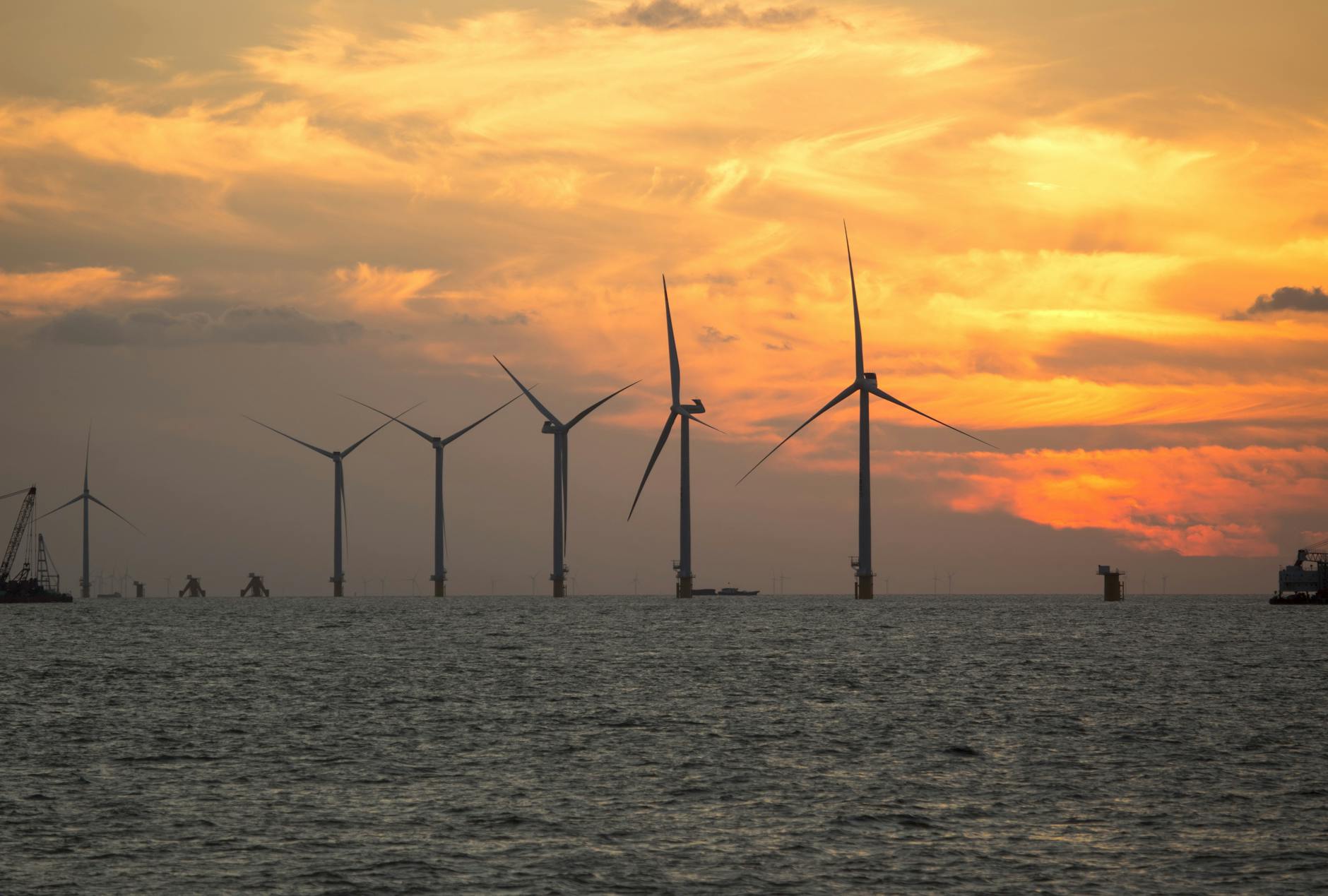
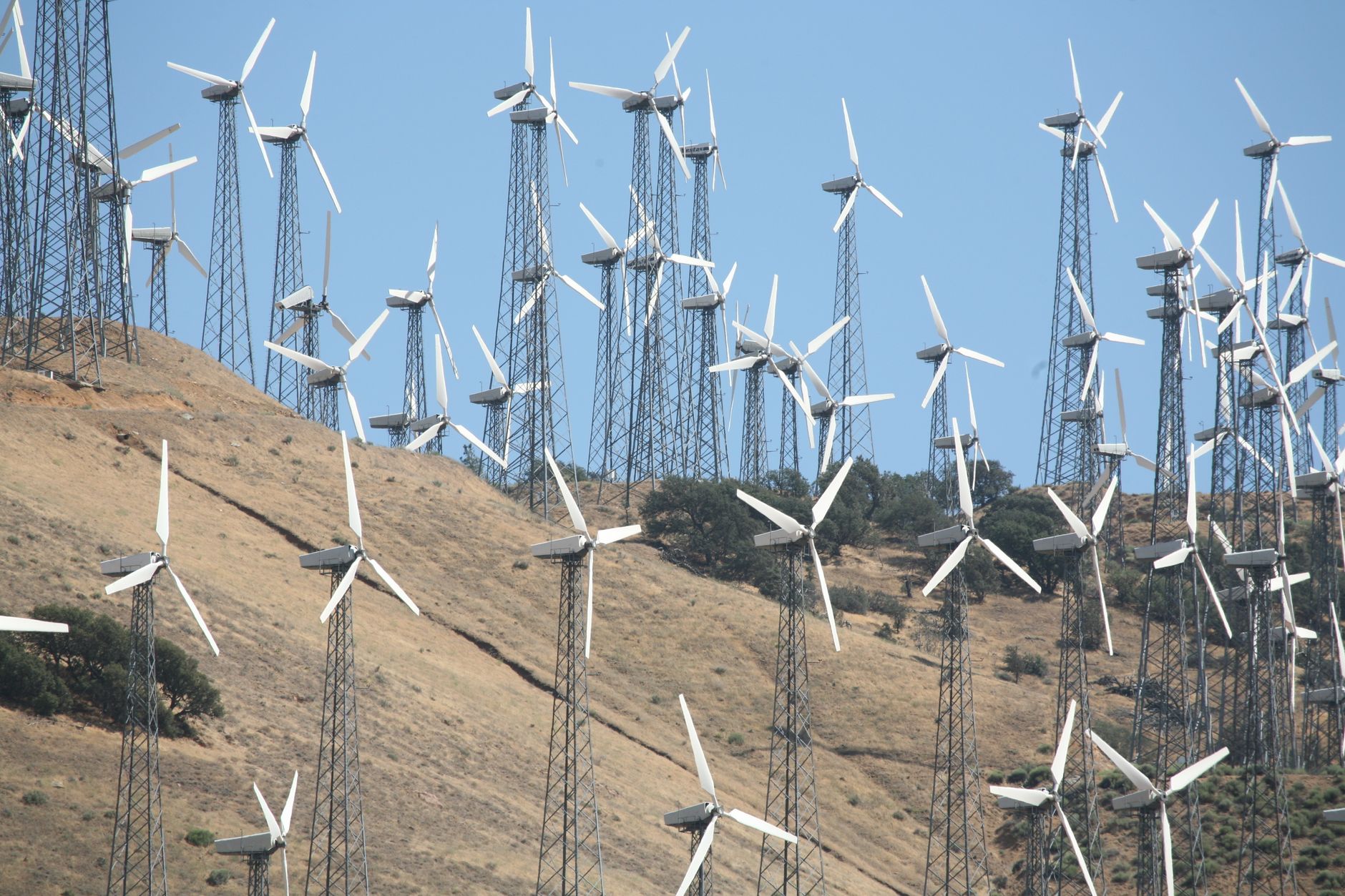
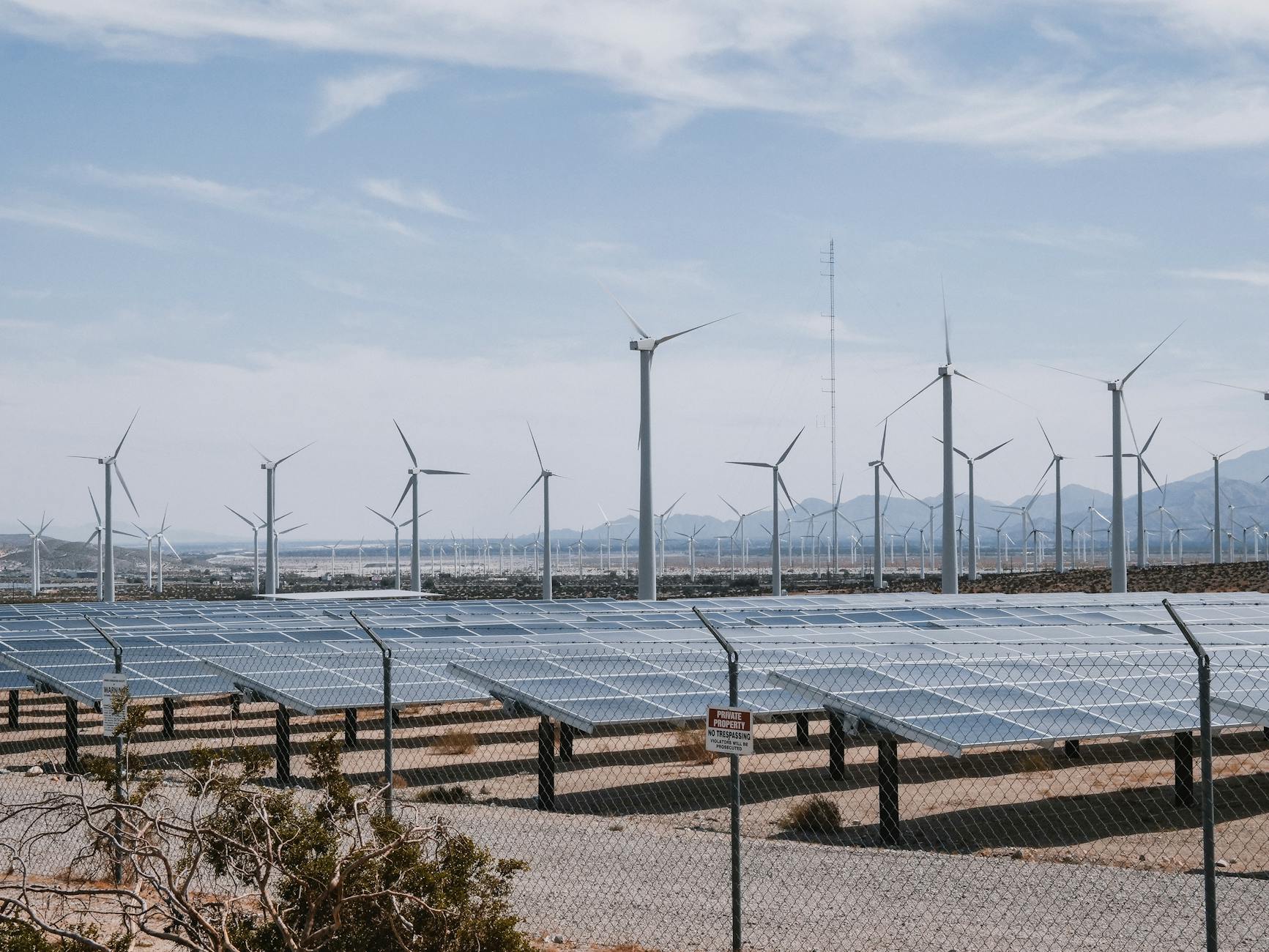
Two of Europe's largest energy companies, TotalEnergies and Shell, are making major moves that highlight their different approaches to the clean energy transition. TotalEnergies is acquiring Shell’s entire onshore renewable power portfolio in Europe, a deal that includes hundreds of megawatts of operational capacity and a large pipeline of future projects across several European countries. This significant transaction underscores the growing urgency for sustainable solutions and the rapid expansion of renewable energy to combat global warming, shaping Europe's path toward a greener future.
Twenty years after landmark climate warnings, our planet faces escalating challenges, from political inaction to worsening wildfires. But in 2026, a new wave of 15 books is sparking vital conversations, offering fresh perspectives on the climate crisis. These titles explore five distinct paths forward, from leveraging existing clean technology to rethinking how we communicate, connect, and even live together. They underscore the urgent need for a renewed commitment to environmental action, challenging us to confront and adapt to the changing world we've created for future generations. This outpouring of ideas reminds us that while the challenge is immense, innovative solutions and collective effort remain our strongest hope.
Tesla has launched an urgent legal battle to ensure its Cybertruck production doesn't grind to a halt. The electric vehicle giant is suing supplier Angstrom Automotive Group, claiming the company is holding essential manufacturing equipment "for ransom." This critical dispute could stop Cybertruck deliveries in mere days if Tesla doesn't regain access to its property. The lawsuit highlights the complex supply chain challenges faced even by leading EV makers, underscoring the importance of keeping electric vehicle production flowing to meet growing demand for sustainable transportation.
A major blow has been dealt to California's clean energy ambitions as German giant RWE exits its offshore wind projects following a $1.22-billion deal with the U.S. Interior Department. This agreement, the fifth and largest of its kind under the Trump administration, reroutes significant investment away from renewable energy and towards fossil fuel projects. Experts warn this move jeopardizes California's ability to combat climate change, achieve its green energy goals, and develop crucial electrification infrastructure. The urgency of transitioning to sustainable solutions is now more apparent than ever, as government actions directly impact our collective future.
Philadelphia is grappling with the urgent realities of a changing climate, facing extreme heat, floods, and wildfire smoke. Yet, despite these clear impacts, climate policy largely took a backseat in recent budget negotiations, overshadowed by immediate needs like school funding. Environmental advocates had hoped for major strides in areas like ending trash incineration and boosting clean energy. This situation highlights a critical challenge for cities worldwide: balancing pressing short-term demands with the long-term, irreversible consequences of global warming.
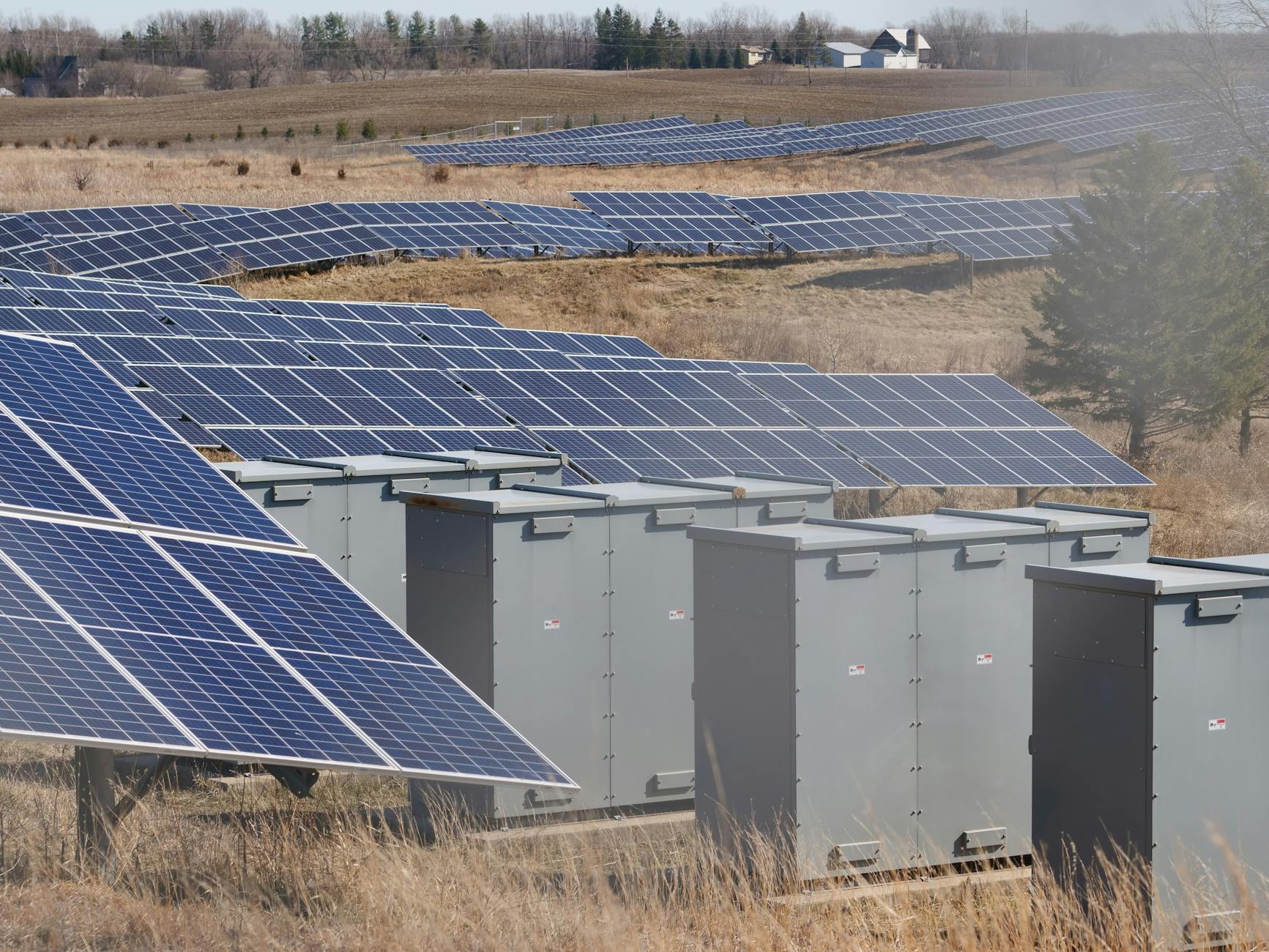
Texas is experiencing a significant shift in its energy landscape, with solar and battery storage rapidly expanding to dominate new electricity projects. This surge in clean energy, driven by market forces, offers a promising path toward a sustainable future and reduced carbon emissions. However, some Republican state lawmakers are now questioning this trend. They are proposing mandatory minimums for building natural gas plants, aiming to slow down the transition to renewables and potentially lock in more fossil fuel reliance. This debate highlights a critical crossroads for the state's energy future and its contribution to global climate action.
Democratic lawmakers are urging the Justice Department to investigate U.S. Energy Secretary Chris Wright for allegedly making false statements to Congress. The accusations stem from Wright's testimony denying political motivations behind the termination of $7.6 billion in clean energy grants. This action blocked crucial projects, including initiatives for battery plants, grid upgrades, and carbon capture, disproportionately affecting states that did not vote for President Trump in 2024. The core of the matter revolves around court documents that contradict Wright's claims, asserting the cuts were indeed based on political identity, raising serious questions about accountability and the future of sustainable development.
California oil companies are reporting staggering profits, with some quadrupling their earnings as drivers face high gas prices, especially after the Iran war. This surge in profits, highlighted by companies like Chevron and Marathon Petroleum, is renewing urgent calls from state lawmakers to address potential price gouging. Officials are debating new legislation and exploring existing tools to protect consumers, while also considering pathways that accelerate the shift towards cleaner energy solutions like electric vehicles to reduce reliance on volatile fossil fuel markets. The situation underscores the ongoing challenges in balancing energy supply with consumer costs and environmental goals.
Wildfires are currently devastating areas near Spokane, Washington, forcing tens of thousands of residents to evacuate their homes. Since last weekend, these fires, impacting the state's second-largest city, have tragically destroyed hundreds of buildings, leaving a trail of widespread destruction. This unfolding crisis serves as a stark reminder of the escalating threat posed by a changing climate. As global temperatures rise, such extreme weather events are becoming more frequent and intense, highlighting the urgent need for robust environmental action. Protecting communities and our planet requires immediate and collective efforts to embrace sustainable solutions and combat global warming.
Walmart, the world's largest retailer, has achieved a significant environmental milestone, cutting its operational greenhouse gas emissions by 25% from 2015 levels. This remarkable progress comes as the company continues to expand its business, driven by e-commerce and investments in artificial intelligence. By embracing renewable energy sources, improving energy efficiency in its stores, and adopting cleaner transportation, Walmart is making tangible strides toward its ambitious goal of becoming a zero-emissions company by 2040, as detailed in its FY2026 ESG Report. This demonstrates that business growth and vital climate action can go hand-in-hand, underscoring the urgency of sustainable solutions in global commerce.
Tesla's Full Self-Driving (FSD) software has received a significant update with version 14.3.7, promising a smoother and safer experience for drivers. This latest iteration addresses previous glitches, offering a more confident ride and even proving instrumental in avoiding a potential accident. While still under supervision, the progress highlights the rapid evolution of autonomous capabilities in electric vehicles, pushing towards a future where driving is increasingly assisted. This advancement underscores the potential for cleaner, smarter transportation solutions.
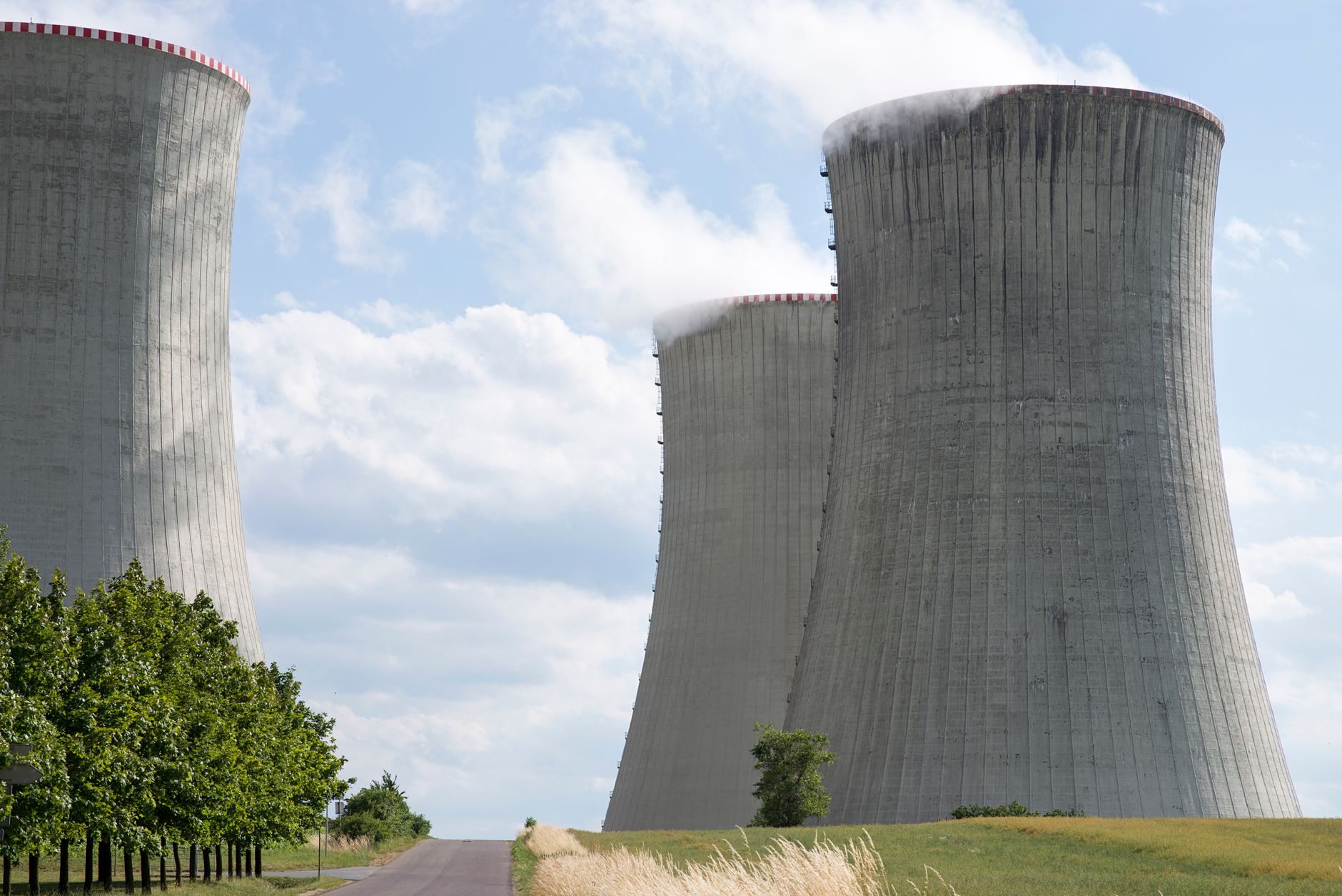
A major investment is set to accelerate the development of next-generation nuclear energy. Valar Atomics, a startup focused on small modular reactors (SMRs), has secured $1 billion in funding led by Sequoia Capital, valuing the company at $6 billion. This substantial boost aims to transition Valar from demonstration to mass production of factory-built reactors. These innovative SMRs offer a clean, reliable power source, crucial for powering energy-intensive sectors like AI data centers and advancing our global shift towards sustainable, carbon-free electricity.