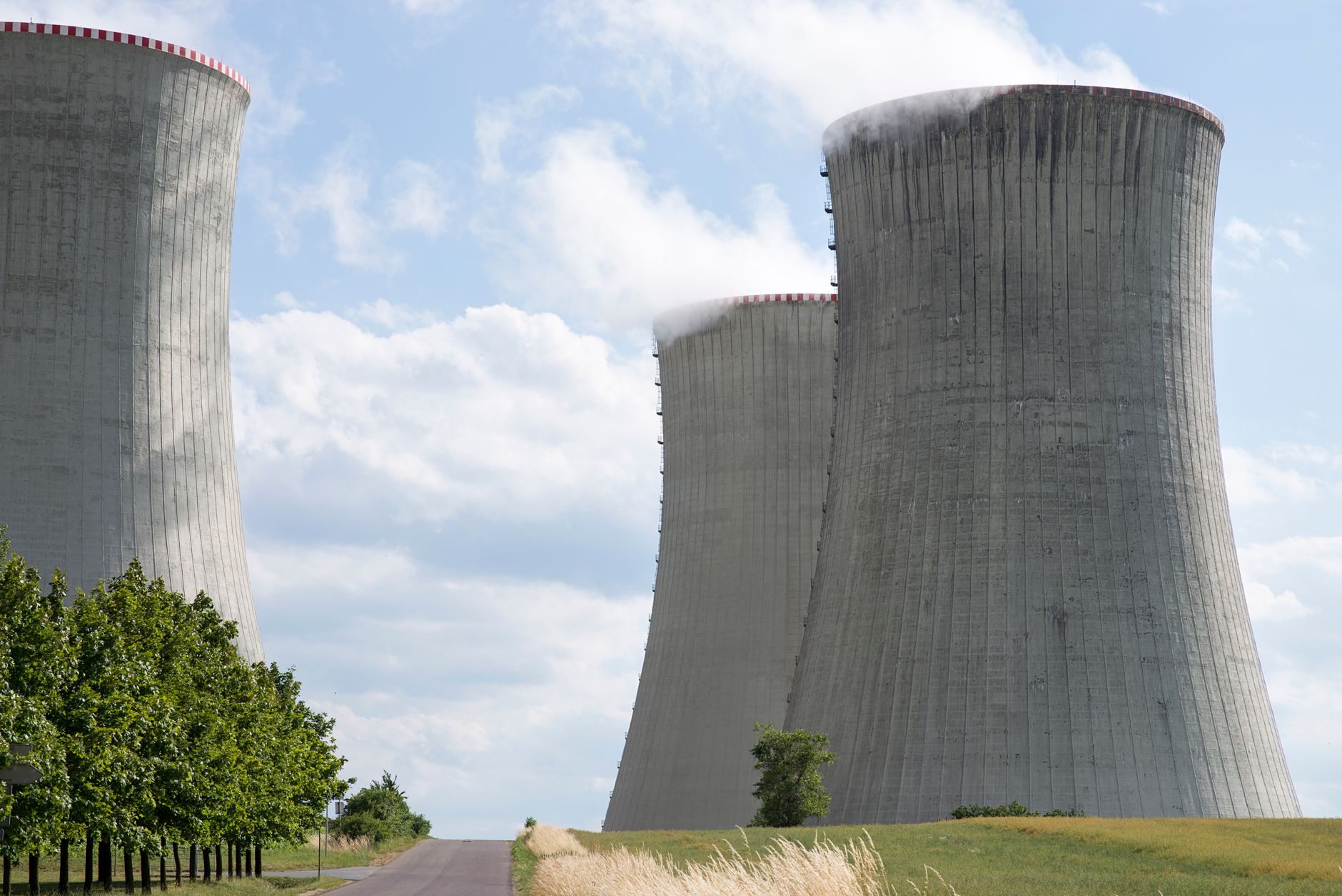
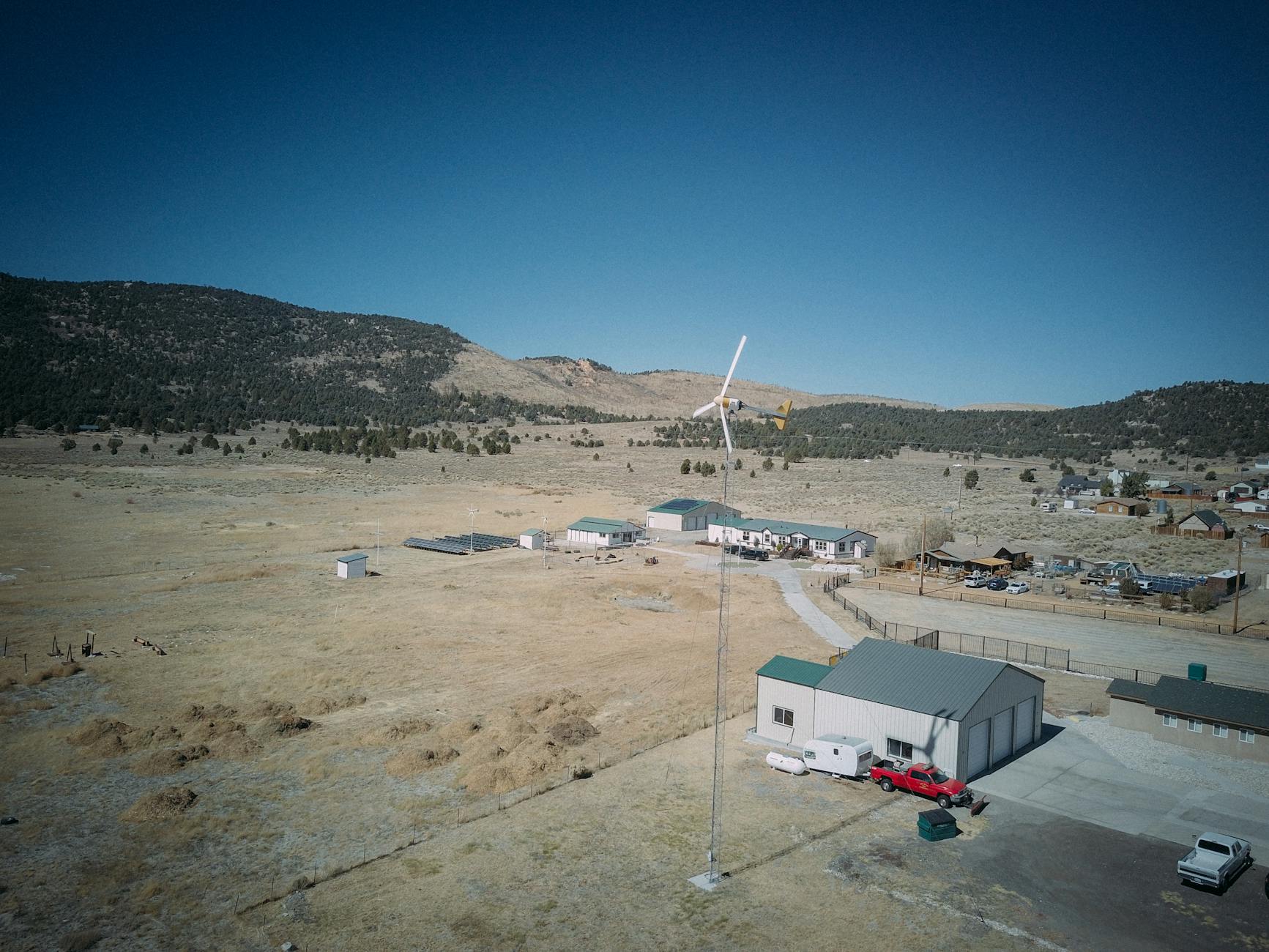
A major investment is set to accelerate the development of next-generation nuclear energy. Valar Atomics, a startup focused on small modular reactors (SMRs), has secured $1 billion in funding led by Sequoia Capital, valuing the company at $6 billion. This substantial boost aims to transition Valar from demonstration to mass production of factory-built reactors. These innovative SMRs offer a clean, reliable power source, crucial for powering energy-intensive sectors like AI data centers and advancing our global shift towards sustainable, carbon-free electricity.
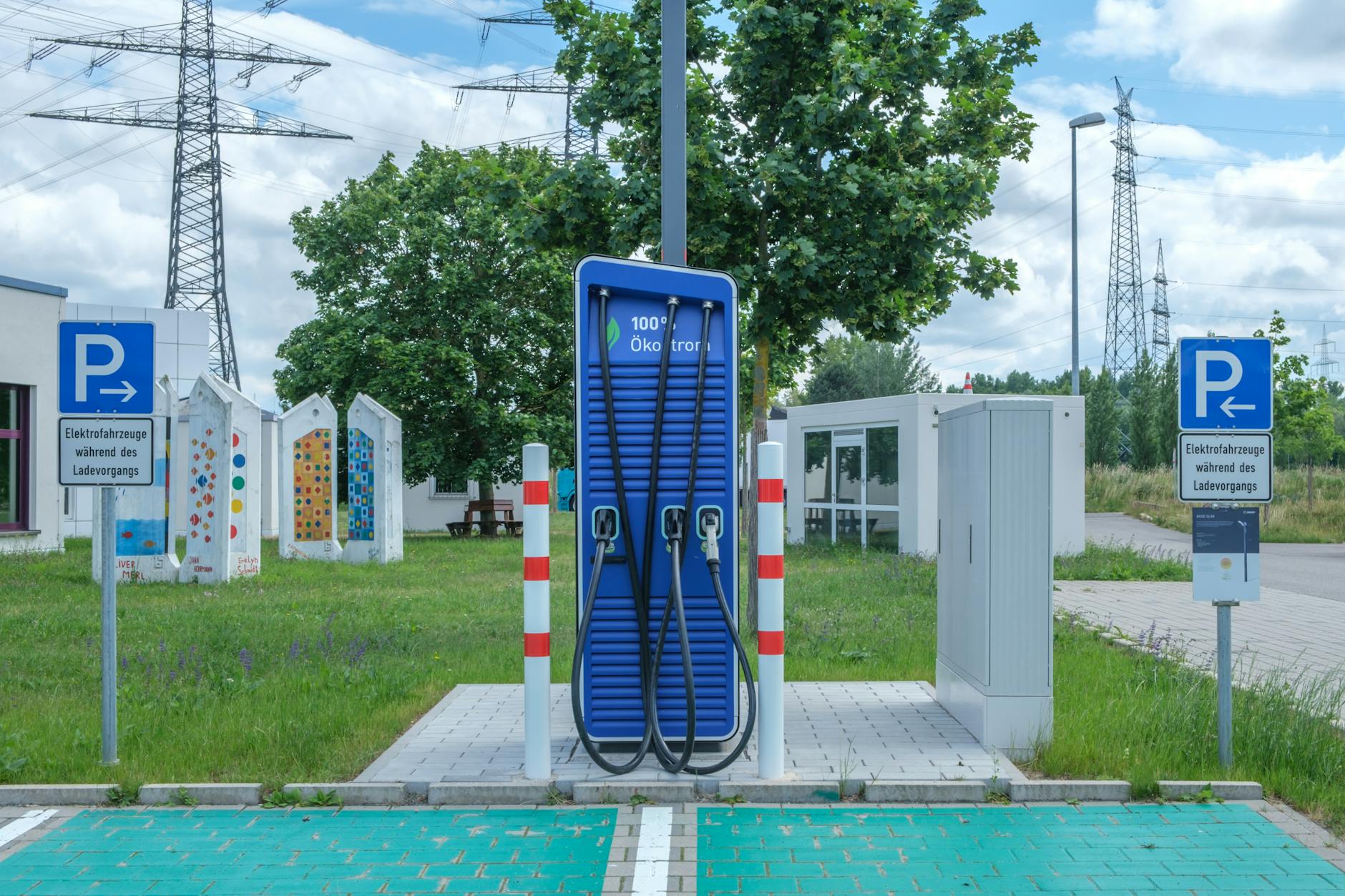
Walmart is rapidly expanding its network of high-speed electric vehicle (EV) charging stations across the US, quickly becoming a major player in the market. This swift buildout aims to make public EV charging more accessible and affordable, especially in areas historically slower to adopt electric vehicles. By leveraging its vast store locations, Walmart is not only boosting its business but also playing a crucial role in accelerating the nationwide transition to cleaner transportation and reducing reliance on fossil fuels. This strategic move underscores the growing urgency and collective effort needed for environmental action.
Eastern European nations face an unprecedented energy crisis as record low water levels on the Danube River threaten power plant operations. Persistent droughts and extreme heatwaves, clear signs of accelerating climate change, have drastically lowered the Danube's flow, pushing crucial infrastructure, including Hungary's Paks nuclear plant, to the brink of shutdown. Governments in Hungary, Romania, and Serbia are now implementing urgent conservation measures, asking citizens and industries to reduce electricity use. This stark situation underscores the severe and immediate impacts of global warming on essential resources and energy security across the region. The crisis highlights the urgent need for sustainable solutions and collective climate action to mitigate such environmental emergencies.
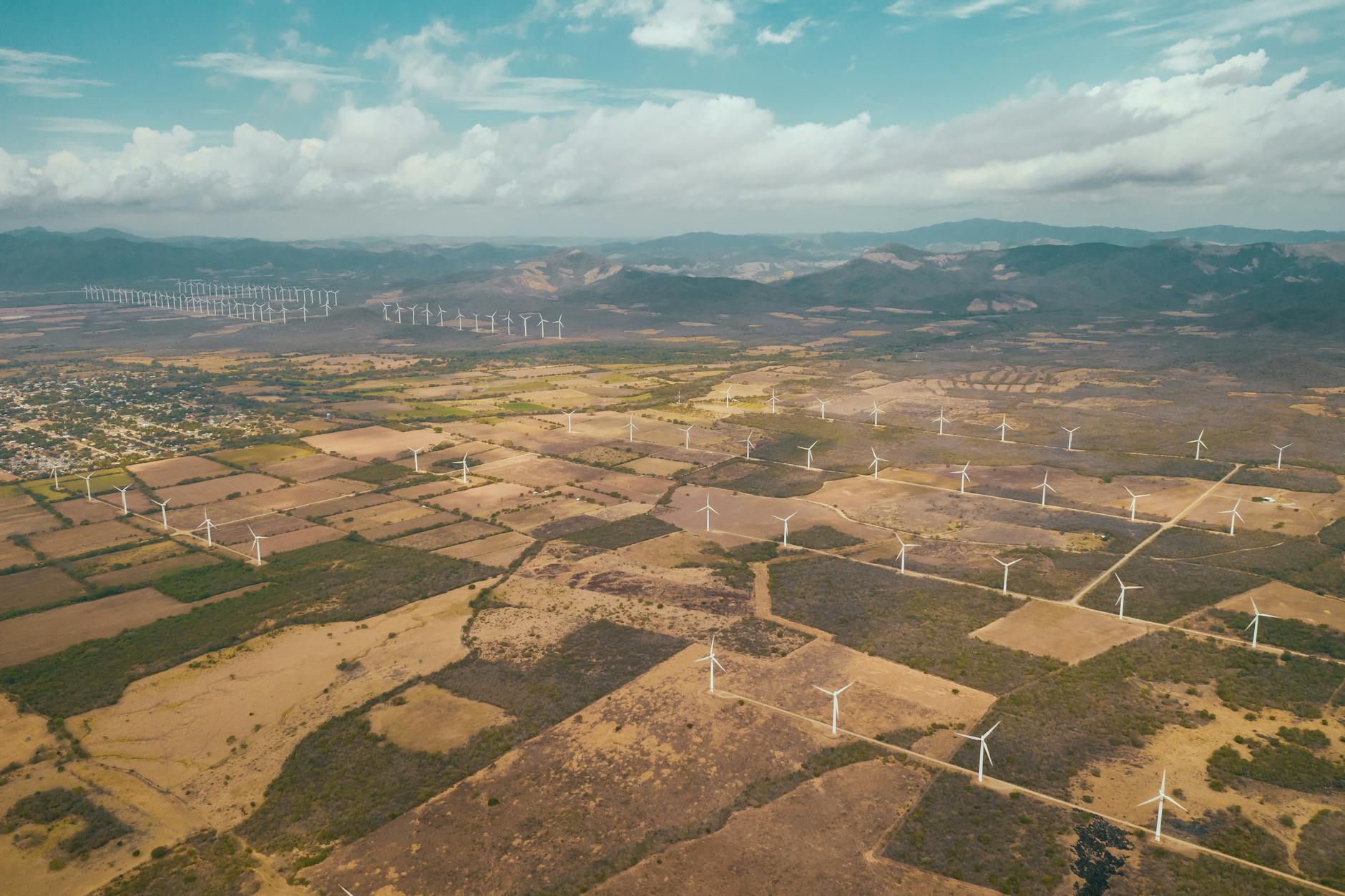
New Mexico is rapidly transforming its electricity supply, with the state's largest utility, Public Service Company of New Mexico (PNM), reporting 80% carbon-free power in 2025. This remarkable shift, driven by ambitious state policies like the Energy Transition Act and a strong commitment to sustainability, has unfolded in just five years. Moving away from fossil fuels like coal and gas, New Mexico is demonstrating how quickly a region can embrace clean energy, benefiting both the environment and its citizens with cleaner air and stable energy costs.
The Tesla Cybertruck has received the highest safety honor, the Top Safety Pick+, from the Insurance Institute for Highway Safety (IIHS). This makes it the only full-size pickup truck to earn this distinction in recent evaluations, highlighting Tesla's commitment to safety in its electric vehicles. The award applies to Cybertrucks built after April 2025, thanks to key structural upgrades. This achievement demonstrates how innovative design in electric vehicles can set new benchmarks for occupant protection, even as global regulatory differences present unique challenges.
Tesla's latest Full Self-Driving (FSD) software, version 14.3.7, is showing significant improvements, delivering a smoother and more confident driving experience. Reviewers are noting that many of the previous version's hesitations and abrupt movements have been resolved. Crucially, the system demonstrated its life-saving potential by actively preventing a serious accident involving an unaware driver, showcasing the growing reliability of advanced electric vehicle technology. This progress highlights the ongoing commitment to making future travel safer and more efficient, underscoring the benefits of innovation in sustainable mobility.
Carbon markets are expanding with renewable energy now eligible under the UN's Article 6.4 mechanism, crucial for tripling global renewable capacity by 2030 and staying within the 1.5°C warming limit. Ethiopia has also made significant strides, becoming the first country to issue verified forest carbon credits under a World Bank program, totaling 14.9 million tCO₂e. These developments signify strong global commitment to climate action. Simultaneously, efforts to standardize carbon accounting through a unified GHG Protocol and ISO standard, alongside digital taxonomy updates from ISSB, aim to boost transparency for investors.
Elon Musk, a prominent figure across Tesla, SpaceX, and xAI, believes artificial intelligence is advancing at an astounding pace. He predicts that within just two years, AI will become so advanced it will be almost unrecognizable. Musk sees AI not only as a tool to simplify human lives but also as a key to solving major global issues and enabling humanity to become multiplanetary. This ambitious outlook highlights a future where AI's capabilities could rapidly redefine our world.
Major strides are being made in global climate action as the UN carbon market now includes renewable energy projects, offering crucial support to developing nations. Ethiopia has achieved a significant milestone, issuing its first verified carbon credits for forest protection, setting a precedent for high-integrity climate finance. Simultaneously, leading organizations are working to unify global carbon accounting standards, enhancing transparency and strengthening our collective fight against climate change. These developments underscore a growing global commitment to sustainable solutions and a greener future.
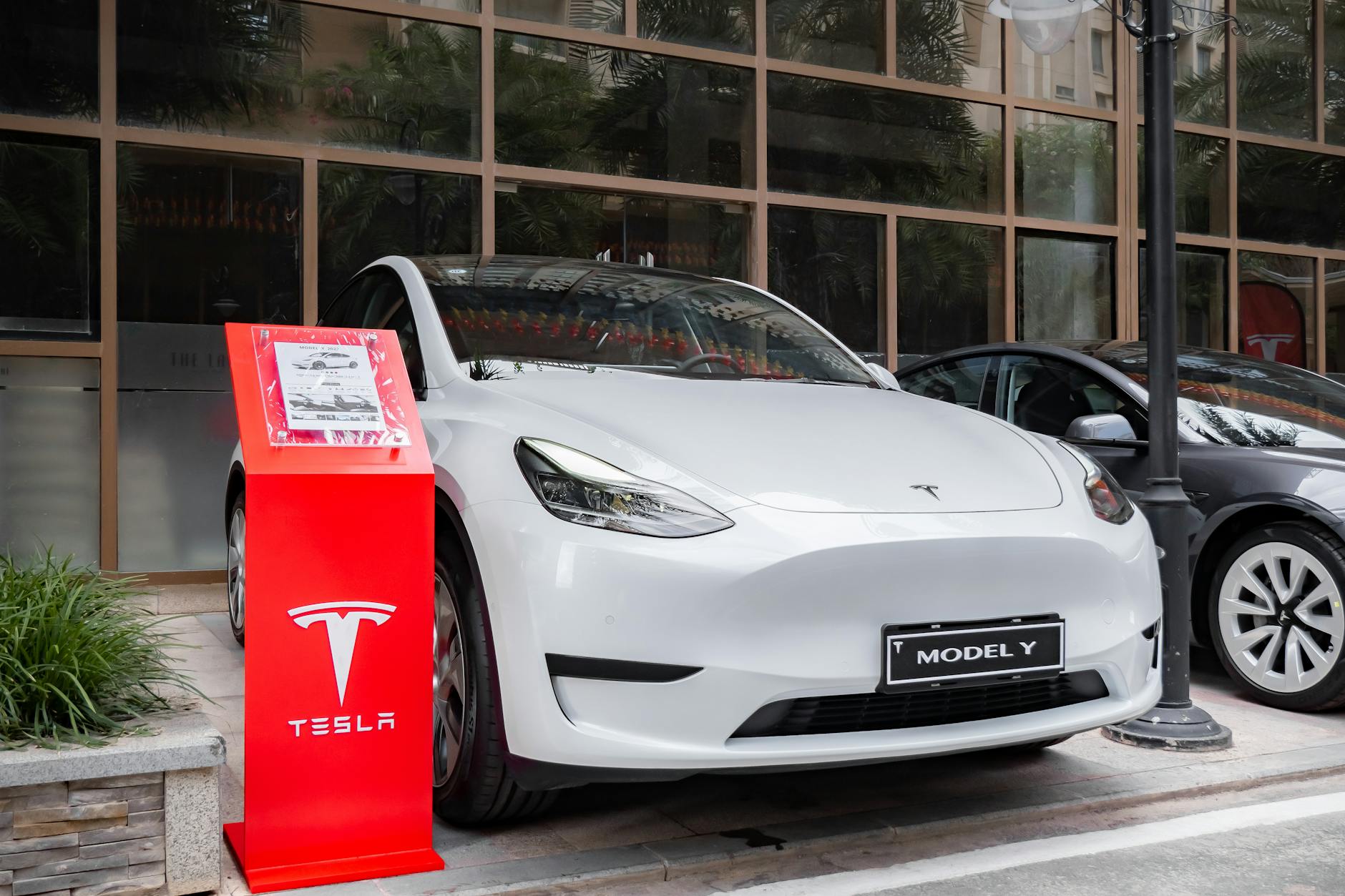
Tesla recently showcased the exciting new features of its Model Y L, an extended-wheelbase version of the globally best-selling all-electric crossover. Unveiled at a special media event, this new variant promises enhanced comfort and impressive efficiency improvements. Already rolling off the production lines, the Model Y L underscores Tesla's commitment to advancing sustainable transportation, making electric vehicles even more practical and appealing for families and individuals alike. First deliveries are anticipated later this year, with high demand already noted.
Amazon recently celebrated a strong second quarter in 2026, reporting a record $200.6 billion in net sales. This impressive growth was largely driven by booming demand for cloud computing and Artificial Intelligence (AI) services, particularly within its Amazon Web Services (AWS) segment. While AI investments did push free cash flow into negative territory, the company also shared significant progress on its ambitious sustainability goals. These efforts include becoming water-positive, sourcing 100% renewable energy for operations, and using lower-carbon materials in its rapidly expanding infrastructure, underscoring a commitment to environmental action alongside rapid expansion.
In a remarkable five-year span, New Mexico has rewritten its energy story, transforming its electricity supply from primarily climate-warming fossil fuels to majority renewable sources. This swift shift, spurred by the state’s ambitious Energy Transition Act, shows a clear path towards a cleaner future. Utilities rapidly built solar, wind, and battery storage, retiring a major coal plant in the process. Crucially, this environmental progress also came with economic benefits, as electricity prices remained lower than average. New Mexico's success offers a powerful example of how rapid electrification can combat global warming and create sustainable solutions.