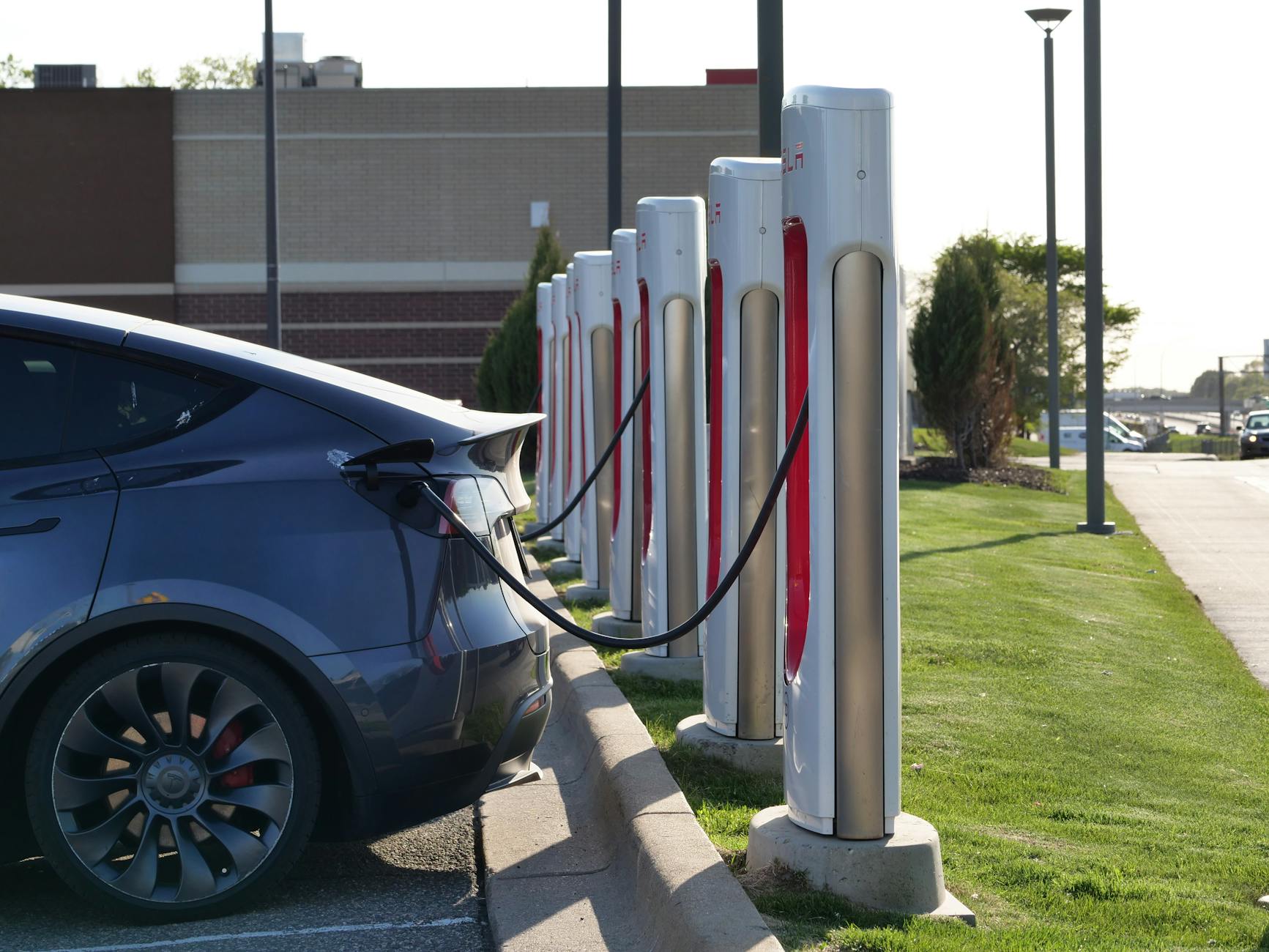
Tesla's much-anticipated Roadster is getting a serious boost with a new patent designed to keep it glued to the road at breathtaking speeds. This innovative "Electric Car Fan" system aims to generate crucial downforce no matter the vehicle's speed, allowing the all-electric supercar to unleash its full power. This groundbreaking approach ensures that the Roadster's expected sub-two-second 0-60 MPH time and 250+ MPH top speed are not just dreams, but safely achievable realities, further showcasing the immense potential of electrification in pushing automotive limits sustainably.
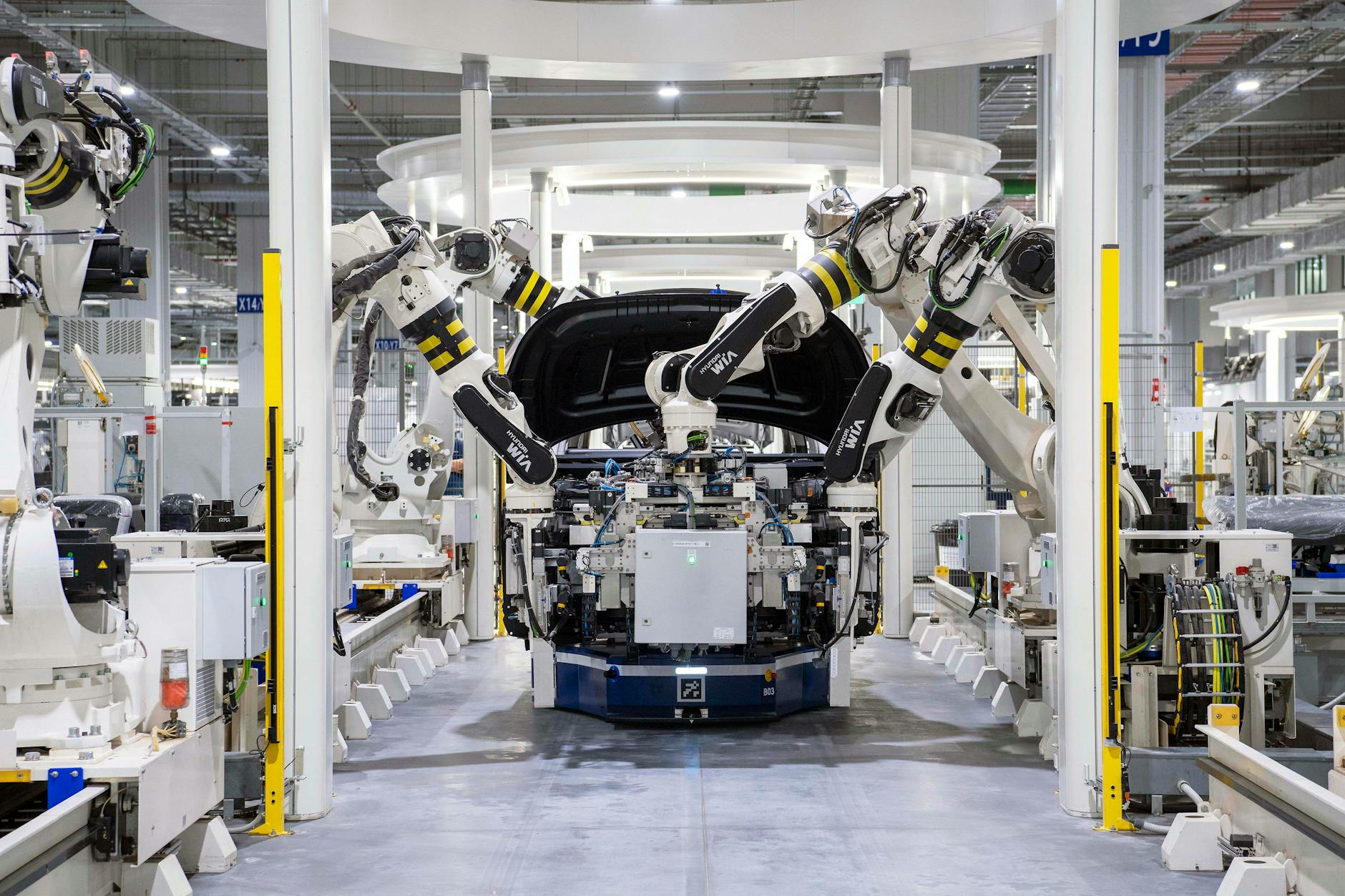
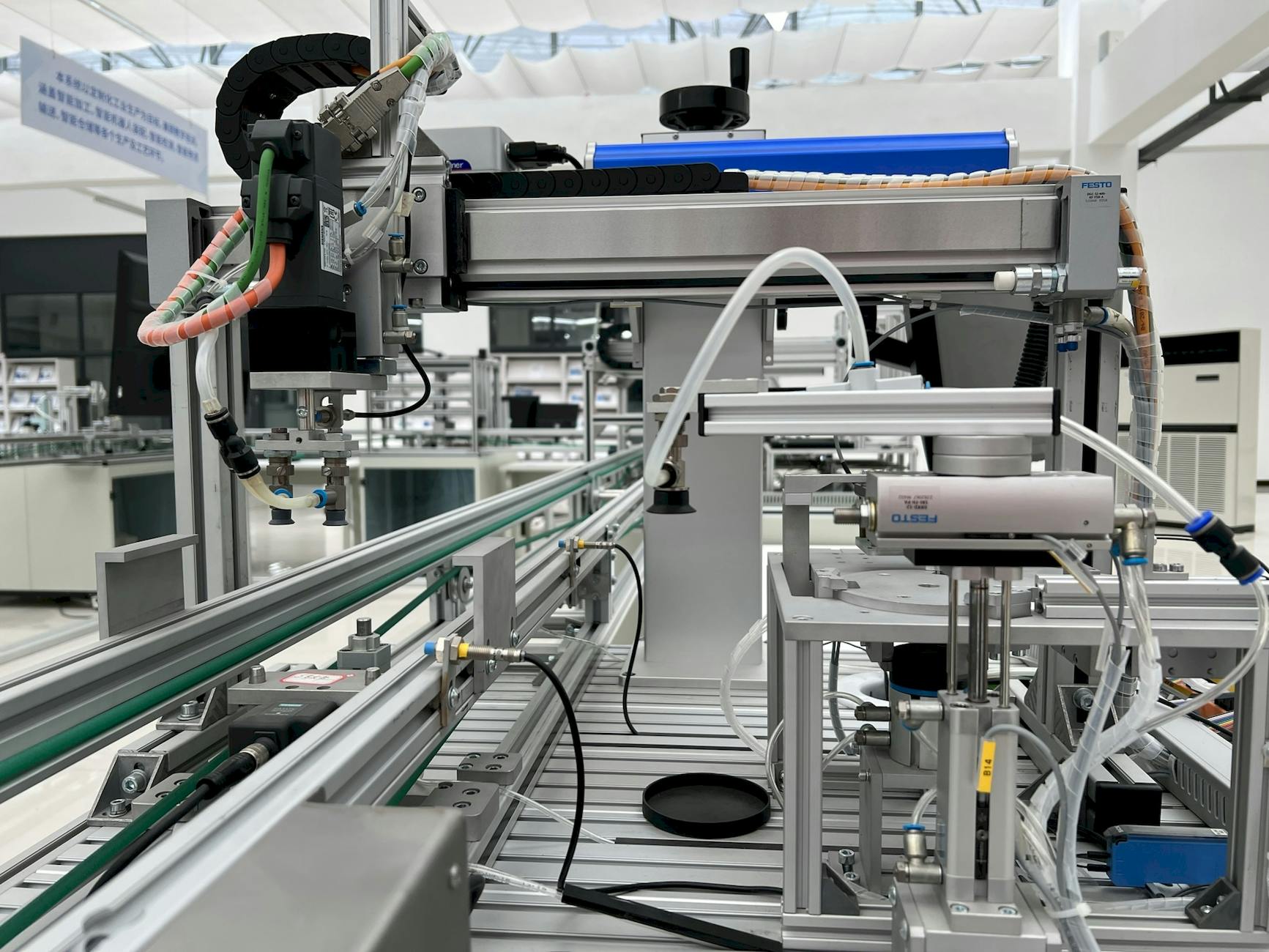
Tesla is revolutionizing how electric trucks are made, moving towards an unprecedented level of automation for its Semi. The company aims for a 'zero human touch point' production pipeline, from battery cell manufacturing in Texas to final assembly in Nevada. This innovative approach promises to streamline operations, cut waste, and improve quality. It's a significant step not only for manufacturing but also for scaling up the production of emission-free commercial transport, crucial for a healthier planet.
The United States and Argentina are launching a significant $7 billion initiative, the Andes-Atlantic Corridor, to boost the flow of critical minerals and energy. This ambitious project aims to improve vital infrastructure like railways and ports, connecting Argentina's rich mineral regions and energy basins to global markets. By strengthening these supply chains, the collaboration supports the growing demand for materials essential for electric vehicles, renewable energy, and modern power grids. It represents a crucial step in accelerating the transition to a cleaner, electrified world.
Museums serve as powerful platforms for public education, offering engaging ways to understand complex scientific topics like climate change. The Griffin Museum of Science and Industry in Chicago is leading the charge, creating exhibits that not only inform but also inspire action. Chevy Humphrey, the museum’s CEO, emphasizes their role in providing facts that empower visitors to develop their own insights and agency. This approach is crucial for addressing the urgent global warming crisis and fostering a deeper understanding of our planet's future.
Tesla is making huge strides in electric vehicle manufacturing with its new Semi truck factory in Nevada. This state-of-the-art facility, spanning 1.8 million square feet, is designed to churn out 50,000 electric trucks annually, marking a significant leap toward sustainable transportation. At its core is an innovative, fully automated system for handling 4680 battery cells, aiming for a "zero human touch point" process from production to assembly. This ambitious plan not only promises to speed up the delivery of crucial electric fleets but also underscores a vital commitment to cleaner logistics and a healthier planet.
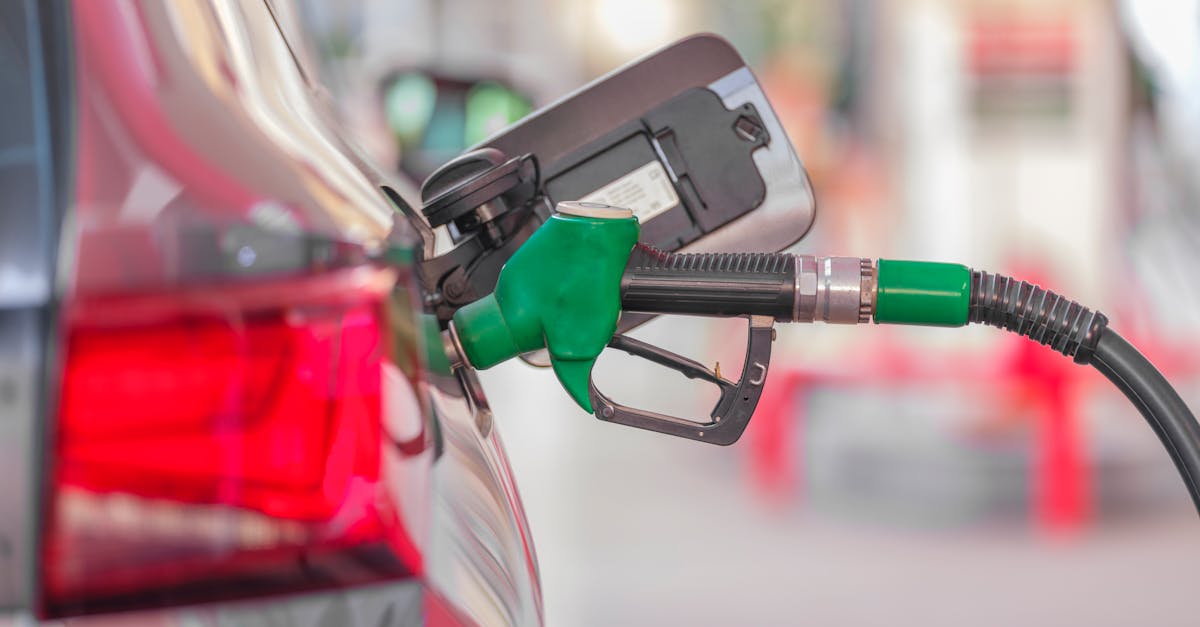
The Trump administration has significantly scaled back federal fuel efficiency standards for cars and trucks, relaxing rules that aimed to make vehicles cleaner and more efficient. These revised Corporate Average Fuel Economy (CAFE) standards will now require only a 1% annual increase in fuel efficiency, a stark reduction from the previous 2% annual target set by the Biden administration. While officials cite affordability as the reason, aiming to lower new car prices, climate advocates warn this rollback will lead to increased gasoline consumption and harmful pollution. This move is seen as a major step back for environmental action and the urgent global effort to combat climate change, potentially hindering America's transition to sustainable transportation.
Tesla is revolutionizing electric truck manufacturing with an innovative, highly automated process for its all-electric Semi. This groundbreaking system aims for "zero human touch" in handling 4680 battery cells, from production in Giga Texas to final assembly in Nevada. Such advancements are critical for scaling up clean transportation and accelerating the shift away from fossil fuels. By streamlining production, Tesla paves the way for a future where sustainable, emission-free heavy-duty vehicles become a common sight, drastically reducing our carbon footprint. This initiative highlights the urgent need for environmental action and the immense benefits of electrification.
Tesla has reached a significant milestone, producing its first Cybercab electric vehicle with cathode material manufactured at its new plant in the United States. This strategic move tackles the most expensive component of EV batteries head-on, promising substantial cost reductions. It marks a major step in Tesla's vertical integration, aiming for a more resilient supply chain and accelerating the rollout of sustainable electric transportation. This innovation is crucial for making electric vehicles more accessible and combating climate change.
Two U.S. federal judges have reinstated the $7 billion "Solar for All" program, ruling that the Environmental Protection Agency (EPA) acted unlawfully by canceling it. This vital initiative, designed to bring solar power to low-income communities, aims to fund over 4 gigawatts of clean energy and significantly reduce carbon emissions. Experts project the program could cut 30 million metric tons of CO2 equivalent and save households billions on electricity bills over 25 years, accelerating the shift to sustainable solutions. While the EPA reviews its options, including appeals, this decision marks a significant step toward cleaner energy and climate action.
Global efforts to tackle climate change are advancing, with Brazil striving to unify international carbon markets and Verra launching a new standard for supply chain emission reductions. The OECD now offers a tool to track climate policies across 50 countries, providing crucial insights into global progress. Yet, the urgency of environmental action is underscored by a recent study revealing that Greenland and Antarctica have lost a staggering 11.3 trillion tons of ice since 1979. This melt has contributed to a 3.14 cm rise in global sea levels, highlighting the immediate need for sustainable solutions.
The Trump administration is set to weaken federal fuel efficiency standards for cars, a move that reverses stricter rules from the Biden era. These previous standards aimed to accelerate the shift towards electric vehicles (EVs) and reduce emissions. While the current administration suggests the changes will lower car prices, experts warn they could lead to higher costs at the gas pump for consumers and further delay urgent climate action by encouraging less efficient, fossil-fuel-dependent vehicles. This policy shift comes amidst already high fuel prices and ahead of key midterm elections.
The global effort to combat climate change is seeing significant movement, from ambitious carbon market integrations to stark warnings from melting polar ice caps. Brazil is positioning itself as a leader in harmonizing global carbon markets, even as new methodologies for emission reduction projects gain traction. Meanwhile, a critical new study reveals alarming rates of ice loss in Greenland and Antarctica, directly contributing to rising sea levels. These developments underscore both the urgent need for action and the innovative steps being taken worldwide to address environmental challenges.