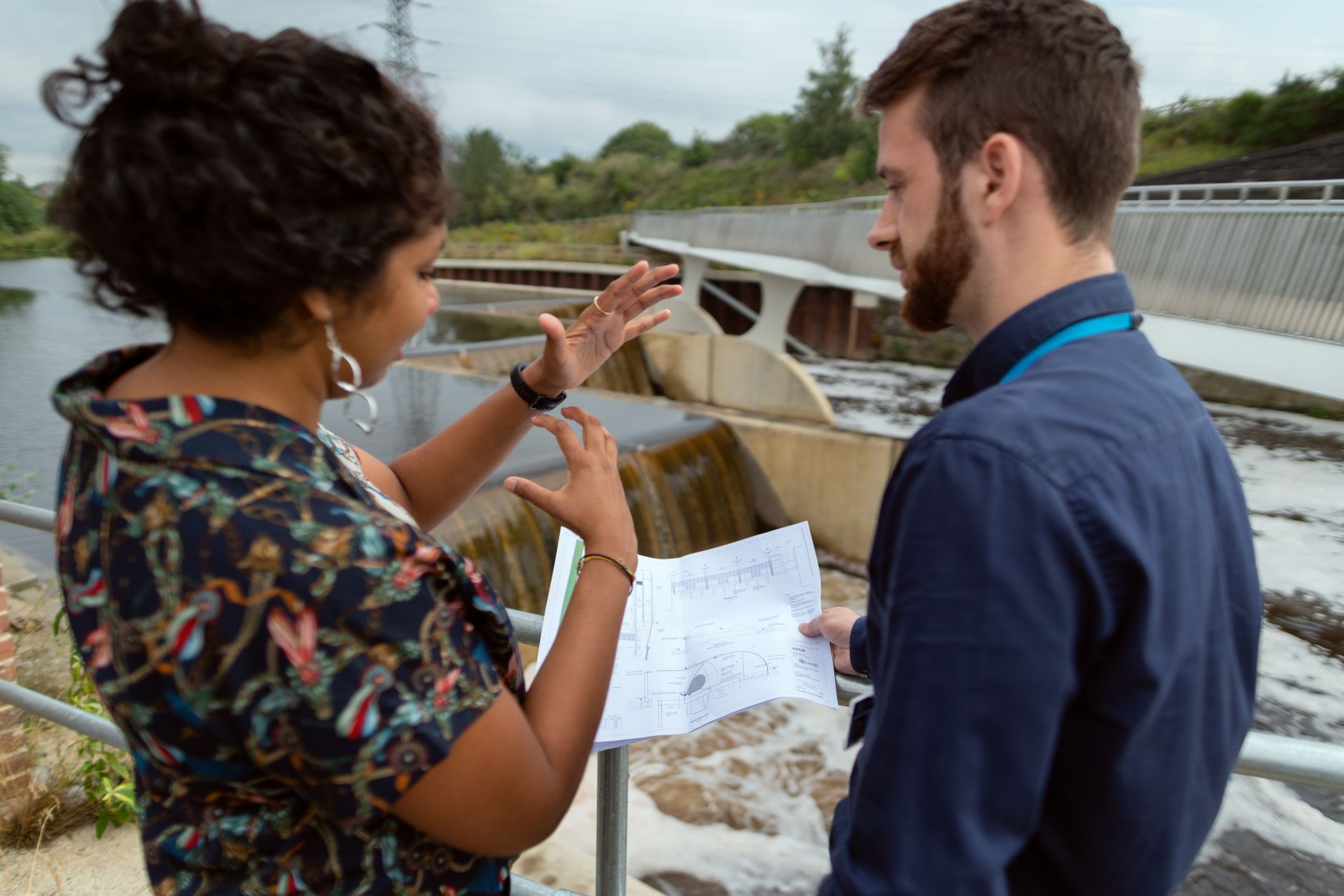
California is bracing for potentially powerful El Niño storms this fall and winter, which bring the dual threat of flooding and a valuable opportunity: a massive influx of water. Instead of merely managing floodwaters, the state is proactively working to capture this precious resource, replenishing depleted groundwater supplies. From urban basins to restored natural floodplains, these efforts are crucial for building a more resilient water system. This strategic approach highlights the importance of adapting to extreme weather, a growing challenge driven by global warming.
Nepal recently suffered devastating floods and glacier collapse, an event scientists from the World Weather Attribution group strongly linked to climate change. The catastrophe claimed at least 1,300 lives and caused over $4 billion in damages, deeply impacting a nation responsible for less than 0.02% of global emissions. This disaster highlights the urgent need for global climate action and equitable support for vulnerable countries. As activist Tanuja Pandey explains, the situation is a stark reminder of the profound human cost of climate injustice.
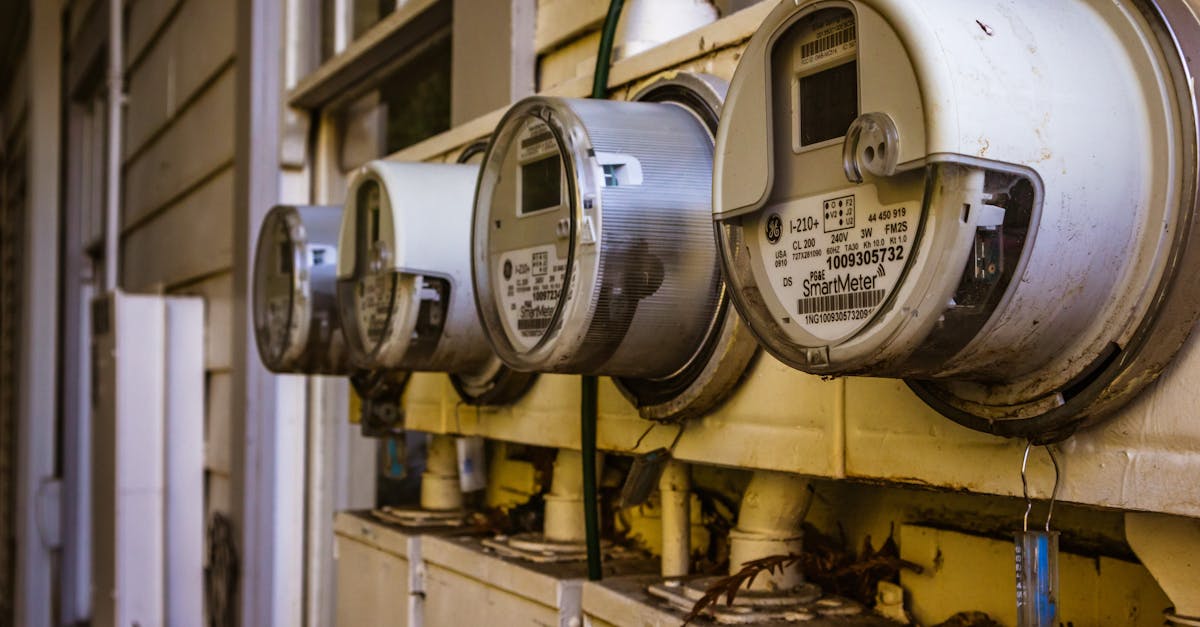
A new neighborhood near Denver, Colorado, is showcasing a groundbreaking approach to home energy. Nearly 100 homes are now equipped with advanced ground-source heat pumps, a partnership between Dandelion Energy and Lennar. This initiative could dramatically change how we heat and cool our buildings, offering a powerful step towards electrifying homes and slashing carbon emissions. The technology not only reduces reliance on fossil fuels but also plays a key role in helping Colorado meet its ambitious climate goals by lowering peak energy demand.
Despite decades of dire warnings and alarming images, progress on climate change remains challenging. Political polarization and public anxiety have hampered effective action, prompting experts to suggest a radical new approach to how we discuss this critical issue. Will Hackman, author of "Radically Reframing Climate Change," believes it's time to shift our focus and language. This fresh approach aims to engage new audiences and accelerate the shift towards sustainable, electrified solutions, emphasizing tangible benefits over abstract fears.
The UN General Assembly recently heard urgent pleas for climate action, with Secretary-General António Guterres declaring the climate crisis has shifted from a “distant warning” to a “daily reality.” Despite being overshadowed by other global crises, a critical declaration on escalating sea-level rise was adopted, highlighting severe, irreversible risks and an unprecedented 6mm rise in 2024. While the path to global climate consensus remains challenging, an unexpected boost for cleaner energy solutions has emerged from geopolitical events, underscoring the growing imperative for immediate and widespread environmental action to safeguard our planet.
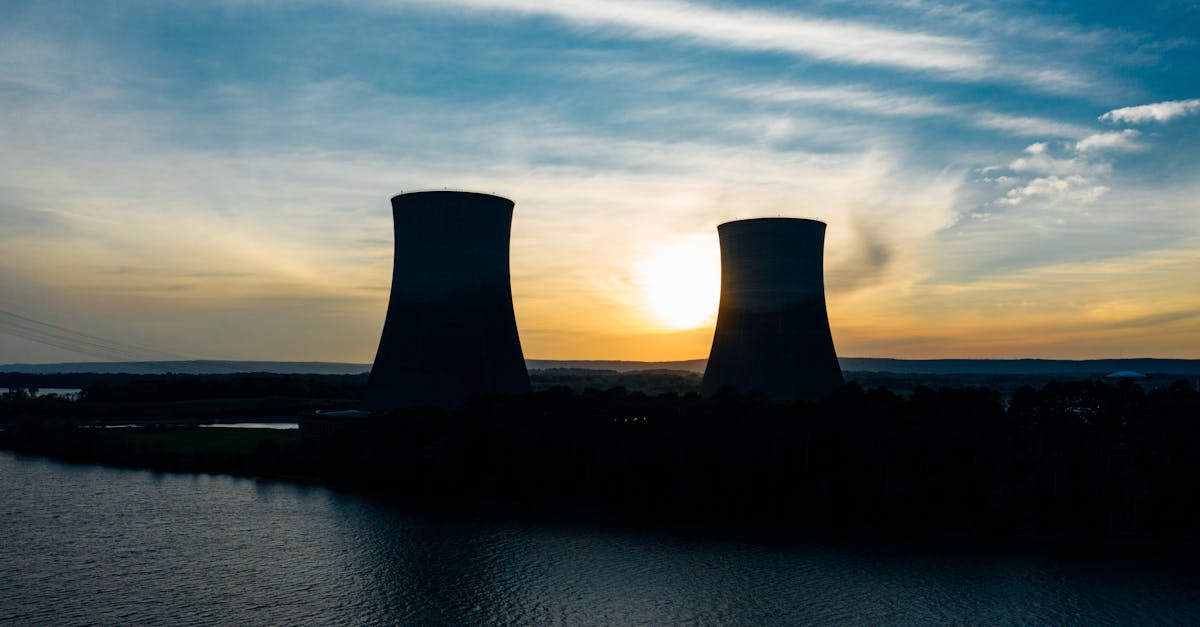
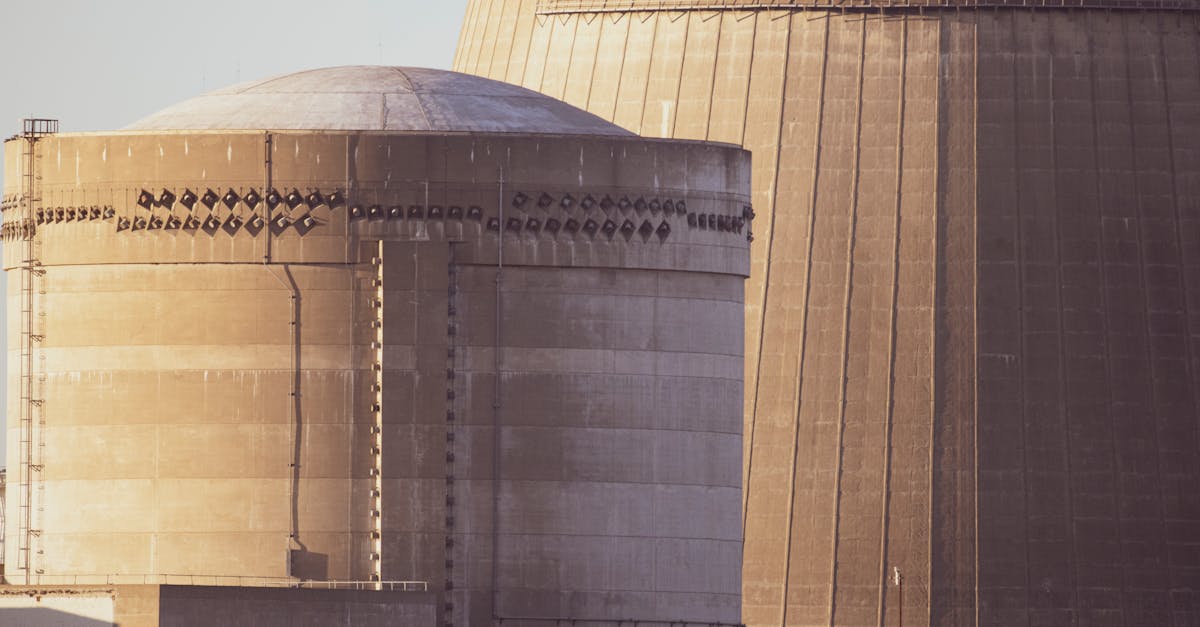
The former Indian Point nuclear power plant, just north of New York City, is at the heart of a significant political and environmental dispute. While currently undergoing decommissioning, there's a strong push to reopen it, raising serious concerns among residents and activists about public health and ecological risks. This debate is unfolding in a crucial congressional race, where candidates are split on whether nuclear power offers a clean energy solution or poses a potential hazard. The plant's history of environmental incidents and rising energy emissions since its closure highlight the complex challenges of moving towards a truly sustainable, carbon-free future.
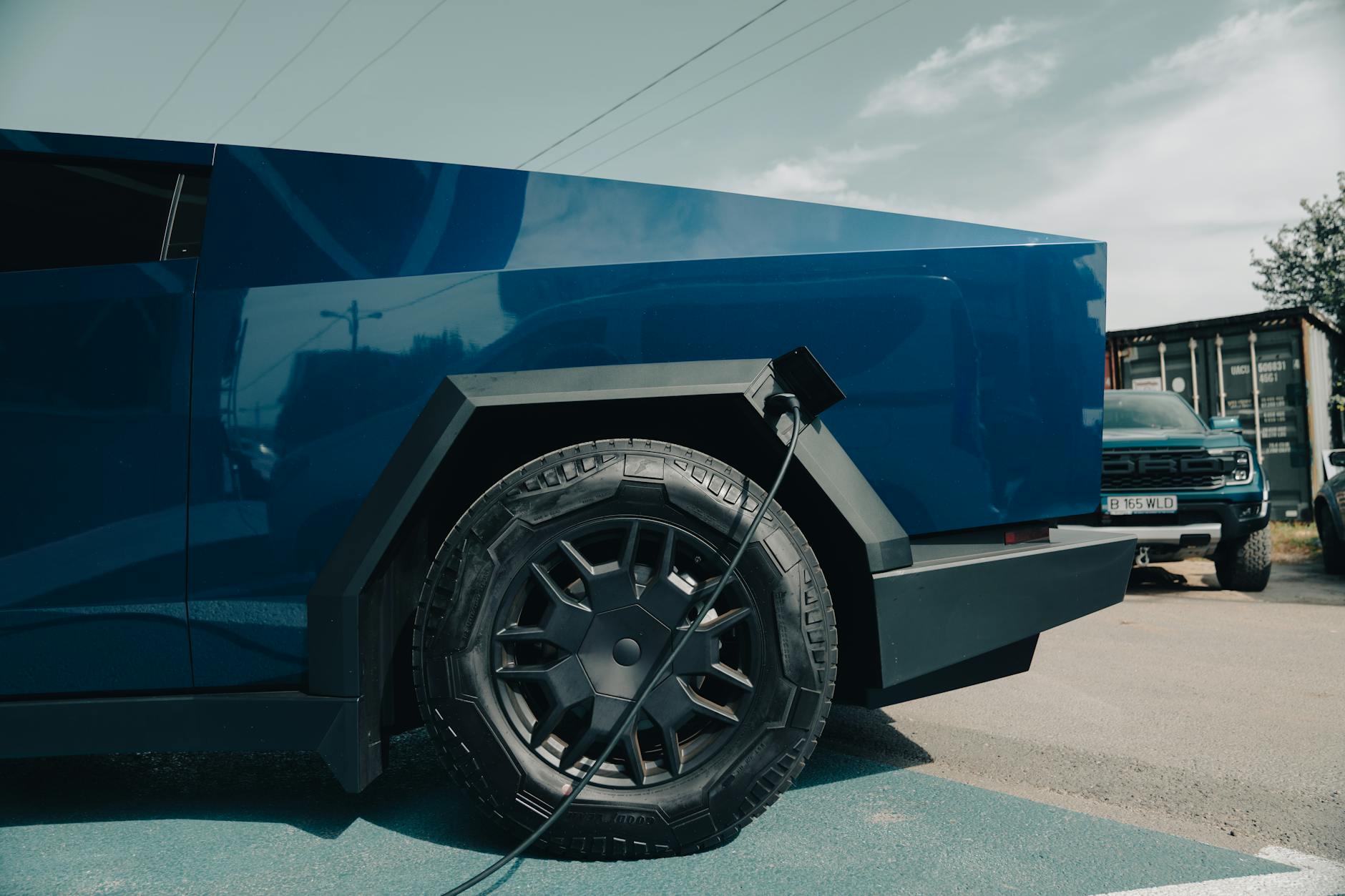
The U.S. trucking industry is making a monumental leap toward a greener future with the largest order of electric Class 8 trucks to date. This ambitious initiative, spearheaded by the ZET SCALE program with support from major companies like Microsoft and PepsiCo, aims to deploy 2,500 battery-electric trucks, potentially doubling the nation's existing heavy-duty electric fleet. This move is crucial for significantly reducing emissions from the transportation sector, a leading source of greenhouse gases, and highlights the urgent shift towards sustainable solutions.
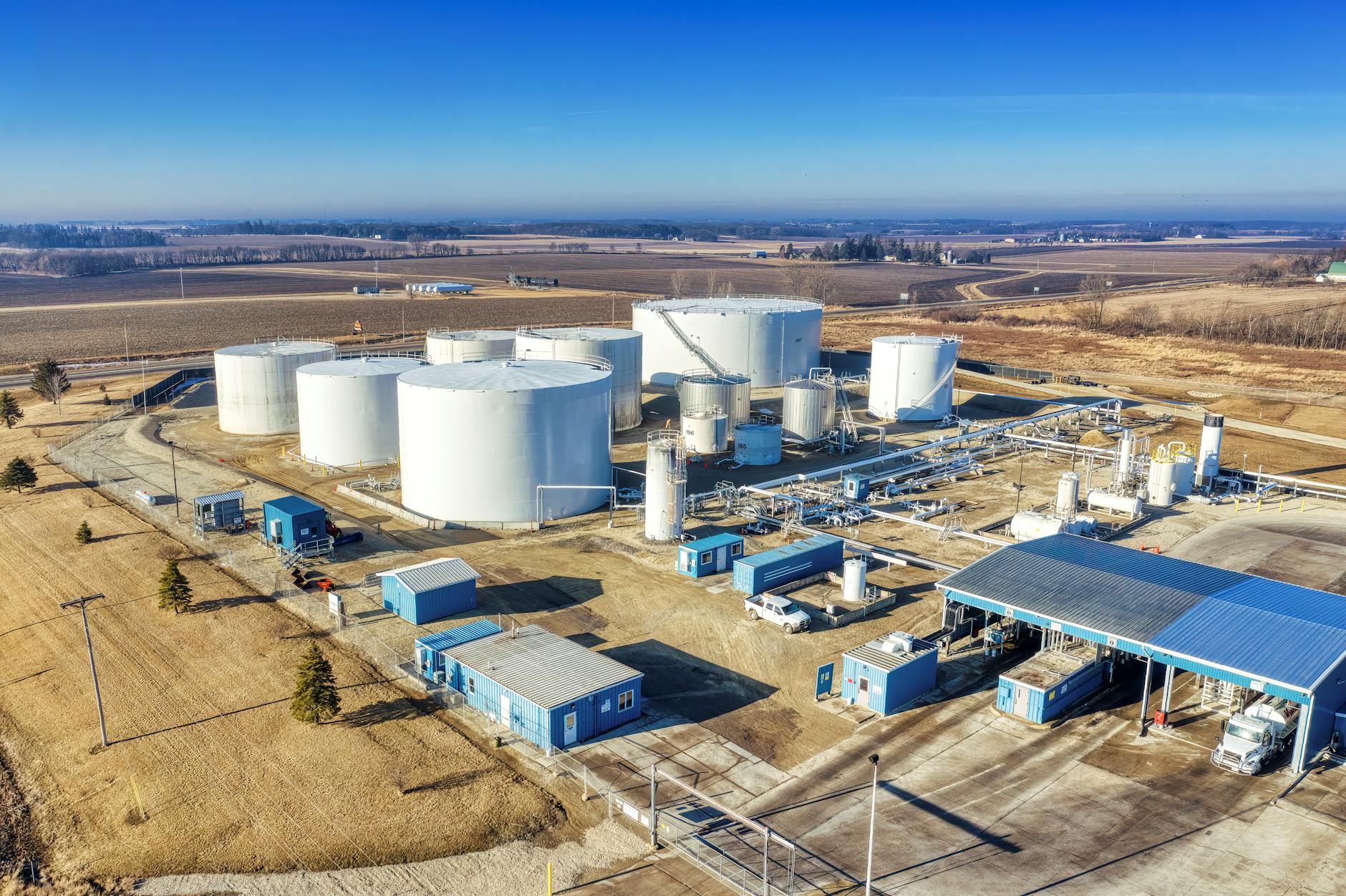
The U.S. Strategic Petroleum Reserve (SPR), a vital government oil stockpile, has dropped to its lowest levels since the 1980s. Frequent drawdowns, spurred by global conflicts and efforts to control high fuel prices, have significantly depleted this critical resource. This situation not only threatens the physical integrity of the storage facilities but also weakens the nation's ability to respond to future energy crises. Addressing this vulnerability requires urgent reevaluation of our energy strategies, pointing toward sustainable solutions.
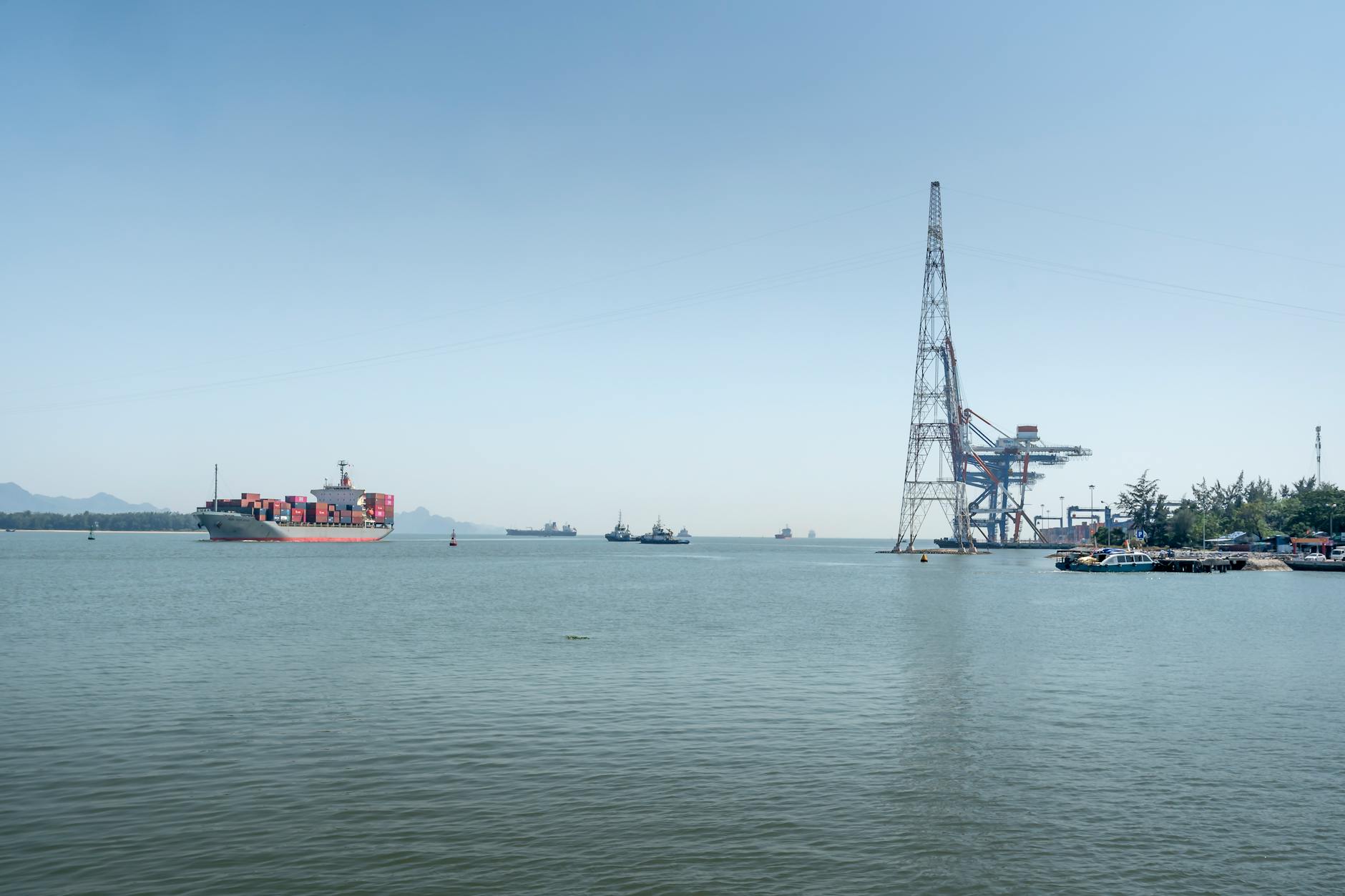
California's efforts to curb air pollution from massive cargo ships in its ports are facing a significant challenge from the U.S. House of Representatives. Recent votes aim to strip the state's authority to mandate cleaner solutions, like requiring ships to use electricity instead of diesel engines while docked. This move threatens to worsen air quality in communities near harbors, which already bear the brunt of smog and harmful emissions. The situation unfolds amidst a legal battle, with a federal judge already questioning the legality of the administration's deregulation attempts.
A powerful collaboration involving SGE, GE Vernova, Hitachi, and Samsung C&T is set to revolutionize Europe's energy landscape. These industry leaders have signed an agreement to explore deploying a fleet of BWRX-300 Small Modular Reactors (SMRs) across Central and Eastern Europe and the UK. This initiative aims to provide 4.2 GW of reliable, low-carbon electricity, a crucial step toward meeting climate goals and bolstering energy independence. By adopting advanced nuclear technology, Europe is moving decisively to reduce emissions and ensure a stable power supply for millions.
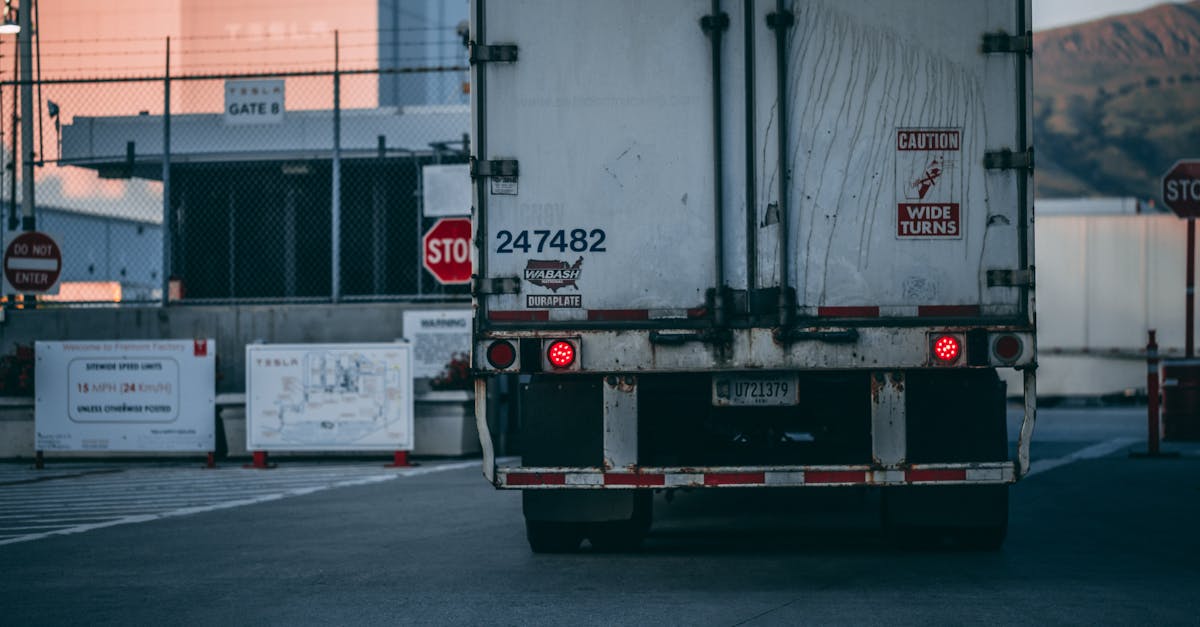
Tesla is opening its dedicated Semi factory in Sparks, Nevada, marking a significant step for electric heavy-duty transport. Ahead of the official handover event, drone footage has revealed several major companies, including PepsiCo and Einride, are already committing to integrate Tesla's electric Class 8 trucks into their fleets. This milestone event not only accelerates the adoption of sustainable logistics but also highlights a critical shift towards reducing carbon emissions in the transportation sector, offering a clearer path to cleaner air and a healthier planet.
Artificial intelligence is at a crossroads, with leaders offering wildly different views on its future and climate impact. While some tech companies at Climate Week NYC highlight AI's potential for clean energy, others, like former President Trump, dismiss concerns as a "hoax," linking them to climate change denial. Crucially, new research suggests that AI's vast energy demands and its use in boosting fossil fuel production currently outweigh its benefits for sustainable solutions. This emerging picture raises significant questions about AI's true environmental footprint and the need for immediate action.