Florida is increasingly passing state laws that prevent local governments from setting their own rules on issues like environmental protection, climate change, and managing urban growth. These "preemption" laws are alarming local officials and advocates who argue that communities are best equipped to address their unique challenges, especially in a state highly vulnerable to intensifying storms and sea-level rise. This shift in power could undermine crucial efforts to build resilient communities and protect natural resources.
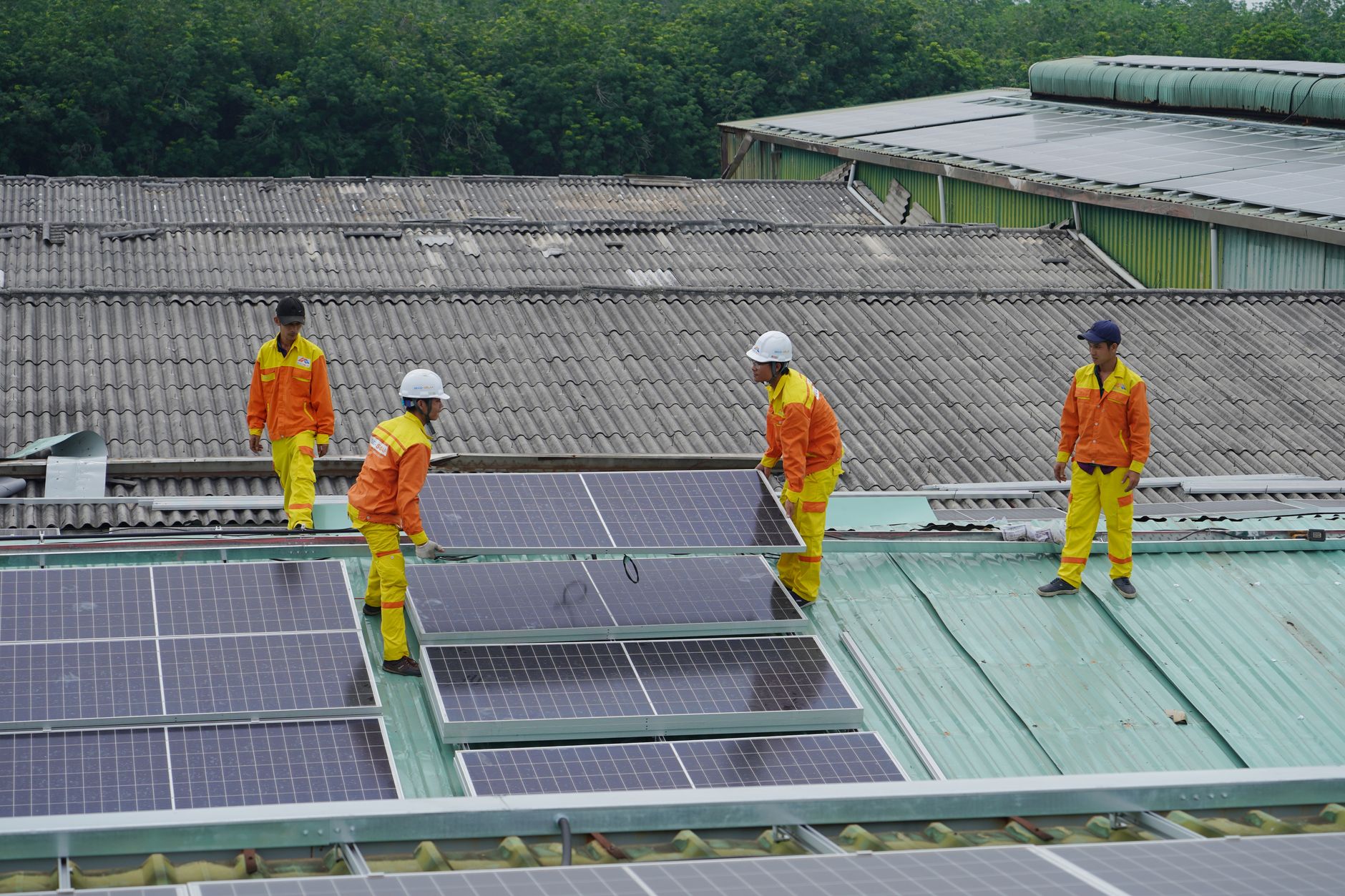
A federal judge has ruled that the Trump administration unlawfully stopped $7 billion in clean energy grants intended for disadvantaged communities. This significant decision revives the 'Solar for All' program, initially launched under the Inflation Reduction Act to lower electricity bills, create jobs, and cut down on greenhouse gas emissions. The funding, meant to accelerate our shift to cleaner energy, was canceled in 2025, but now must be released, marking a crucial win for environmental action and sustainable development across the nation.
Global efforts to tackle climate change are advancing on multiple fronts, with new methodologies for clean cooking projects and international agreements solidifying carbon credit frameworks between nations like Japan, India, and Costa Rica. Meanwhile, Europe's recent "summer of truth" starkly highlighted the escalating impacts of global warming, prompting urgent calls for increased resilience and preparedness. Scientific research, such as insights from Galápagos corals, further underscores the accelerating pace of climate phenomena and the critical need for immediate action and sustainable solutions worldwide.
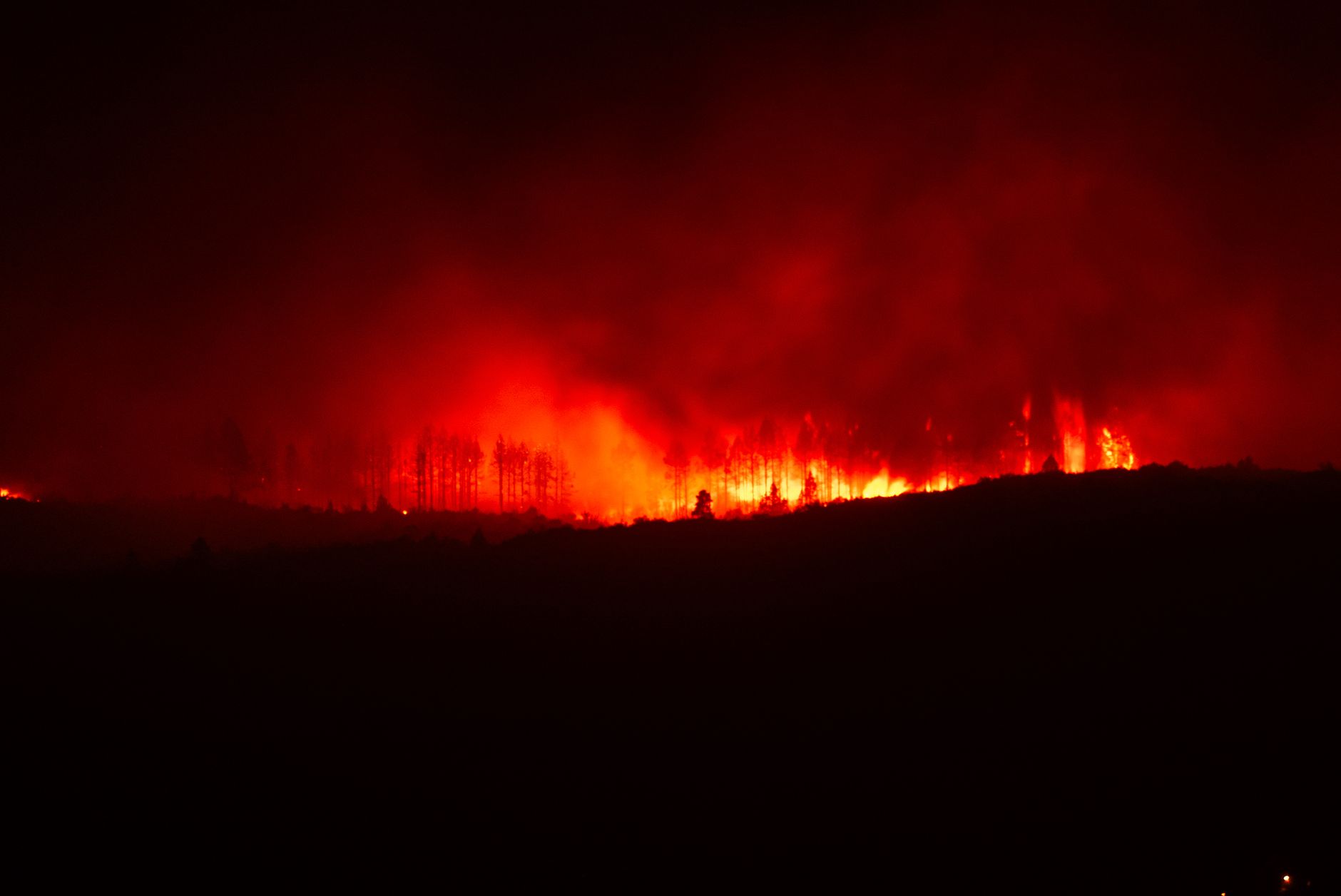
This past summer brought a harsh "summer of truth" to Europe, with devastating wildfires, crop losses, and over 35,000 heat-related deaths, underscoring the urgent need for climate action. As Europe grapples with warming at double the global rate, leaders are pushing for new resilience strategies. Meanwhile, global efforts to combat climate change are advancing, with new rules bolstering carbon credit projects for clean cooking and strengthening international cooperation through mechanisms like the JCM. Scientific research from Galapagos corals also reveals a troubling increase in strong El Niño events, signaling the profound impact of human activity on our planet's delicate systems.
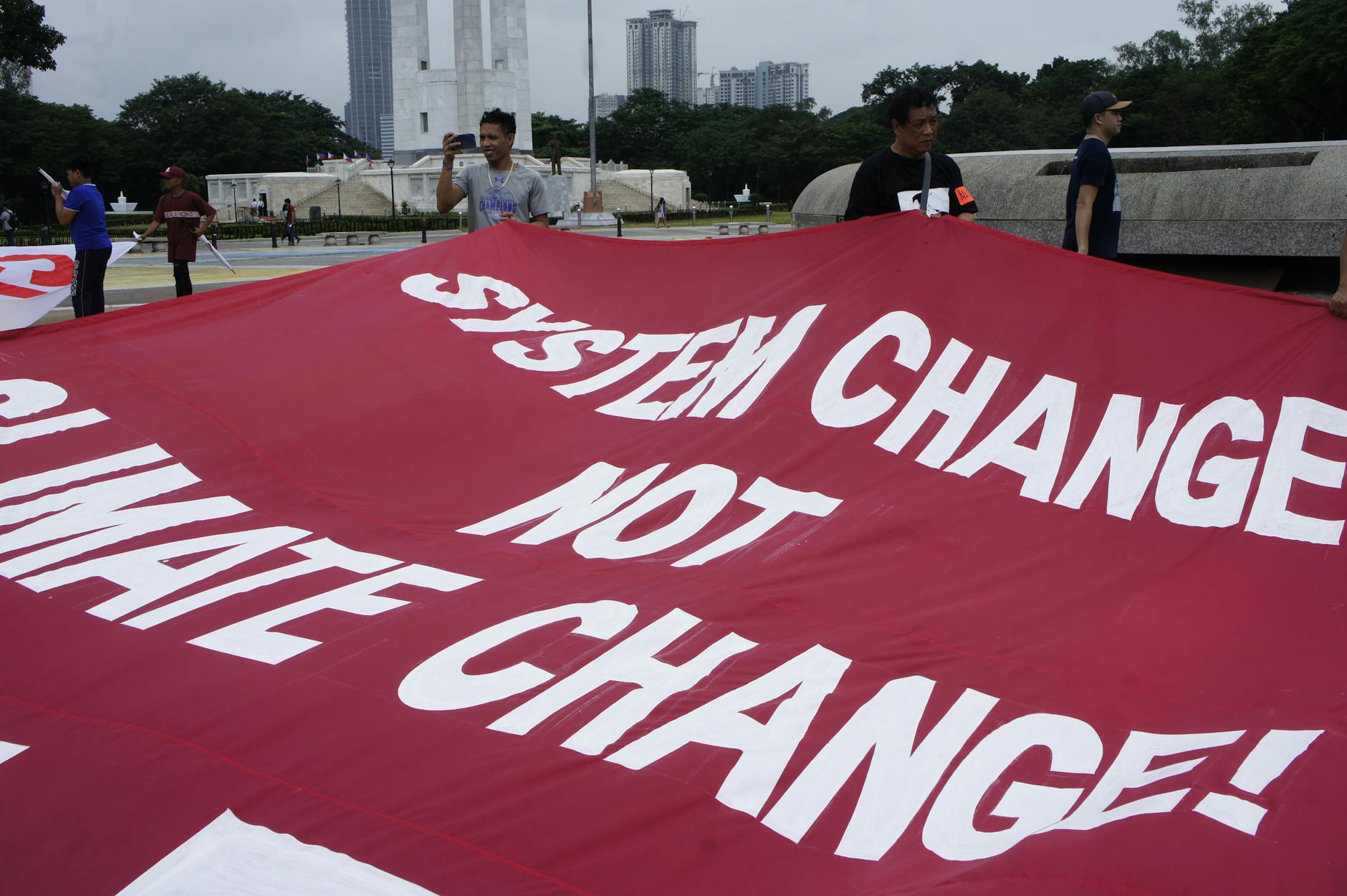
Even as concerns about artificial intelligence grow, a different, more immediate threat to humanity is intensifying: the systematic rollback of environmental protections. The Trump administration's policies, from weakening power plant emission limits to hindering electric vehicle adoption, are actively accelerating global warming. These actions contribute to alarming environmental impacts like overheated oceans and extreme weather. However, a growing wave of public resistance and activism is emerging to champion sustainable solutions and advocate for urgent climate action.
Just two years after a massive incident, the Moss Landing Power Plant in Monterey County is grappling with another battery fire. This latest blaze involves batteries still charged from the previous 2025 fire, which had displaced residents and spewed toxic gases. While officials report this fire is smaller and contained, nearby residents were again ordered to shelter-in-place, underscoring the ongoing challenge of safely transitioning to large-scale clean energy solutions. Ensuring the reliability and safety of such crucial infrastructure is paramount for our climate goals.
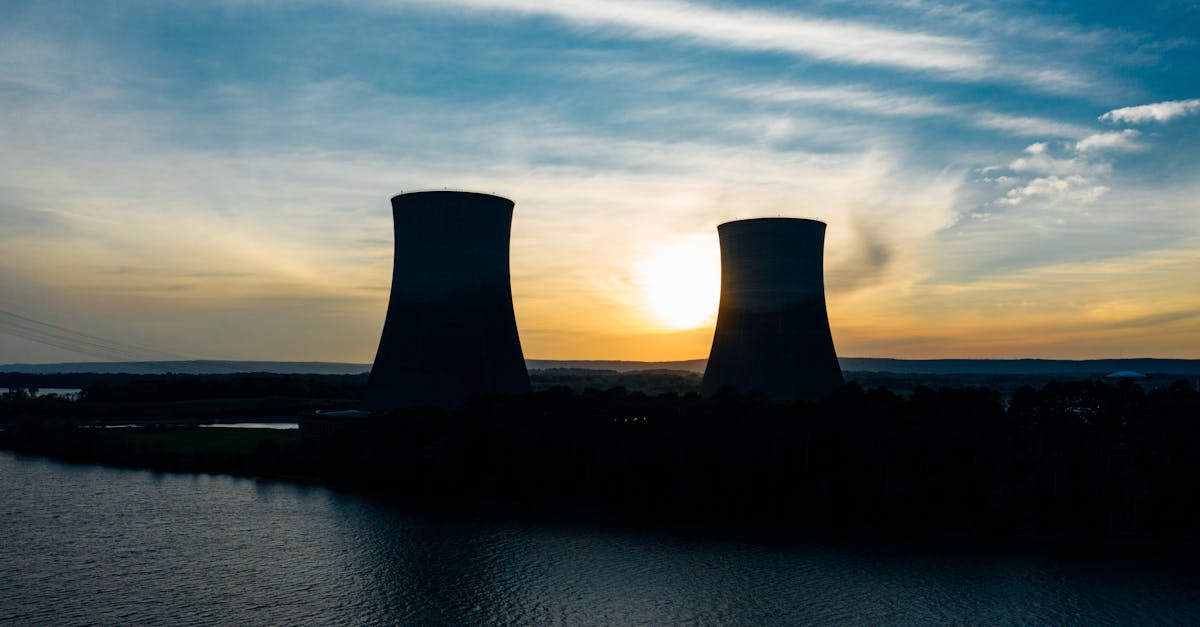
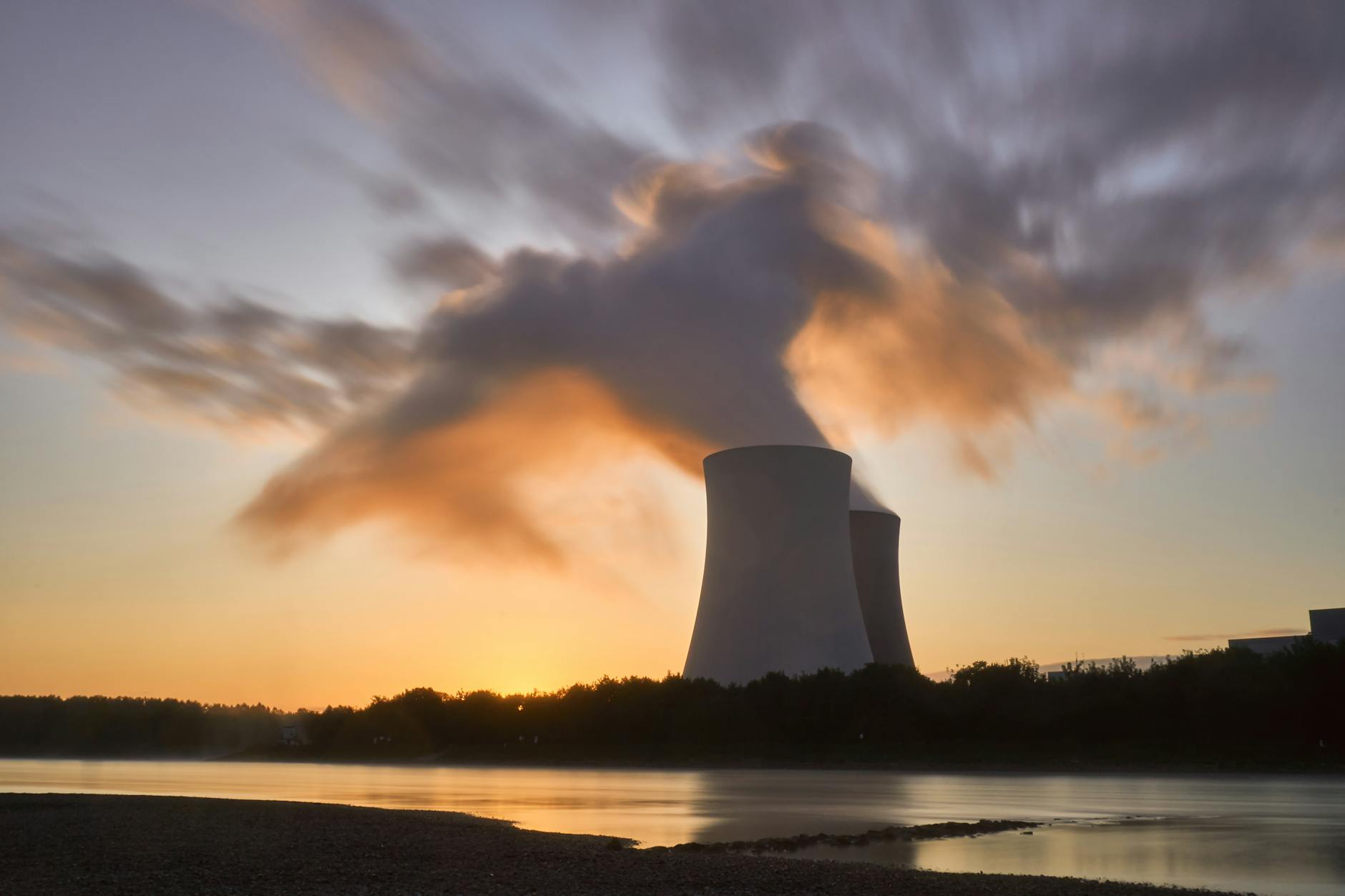
As the climate crisis intensifies, traditional views on energy are being urgently re-evaluated. Many are rethinking long-held opposition to nuclear power, acknowledging its vital role in achieving a carbon-free future. This shift recognizes that the immense and immediate threat of global warming demands an "all hands on deck" approach to energy, prioritizing effective decarbonization over outdated cost-first strategies or fear-driven narratives. It's becoming clear that embracing all clean energy options, including reliable nuclear, is essential to protect our planet.
Once a vocal critic of nuclear energy, a leading analyst has dramatically changed his stance, now advocating for its expansion. This transformation stems from a fresh look at nuclear power's safety record, remarkable operational improvements, and its crucial, often underestimated, role in tackling the escalating climate crisis. As the world urgently seeks cleaner energy solutions, this shift highlights nuclear power's potential to significantly reduce carbon emissions and accelerate our transition to a sustainable future.
Once a fervent advocate for carbon taxes and renewable energy, one analyst recounts a profound shift in his perspective on nuclear power. This change was sparked by the failure to implement effective carbon pricing and the controversial closure of New York's Indian Point nuclear plant. The experience forced a critical re-evaluation of how we truly decarbonize our energy grid, highlighting the complex trade-offs and unexpected setbacks in the urgent fight against global warming. It underscores why every source of carbon-free electricity matters.
Oracle is making significant strides in sustainable data center operations with its ambitious Project Jupiter in New Mexico. As the demand for AI infrastructure skyrockets, so does the energy and water consumption associated with these facilities. Oracle's innovative approach aims to tackle these environmental challenges head-on by redefining how large-scale cloud and AI data centers are built and powered. This project highlights a critical shift in the tech industry toward more environmentally responsible practices, focusing on reducing its impact on vital natural resources.
The United Kingdom and the United States are deepening their collaboration on fusion energy, a move aimed at speeding up the development of a clean, near-limitless power source. This new partnership, announced in London, focuses on integrating artificial intelligence (AI) and advanced computing with fusion research, alongside simplifying regulations for future power plants. Both nations are investing heavily to turn decades of laboratory work into real-world electricity, hoping to address the urgent need for sustainable energy solutions. This strategic alliance represents a significant step towards unlocking a future powered by clean, reliable fusion energy, offering a powerful alternative to fossil fuels and combating climate change.
A devastating rock and glacier collapse in Nepal recently claimed over 1,300 lives and left thousands missing, causing an estimated $5 billion in damages and obliterating communities. New research from World Weather Attribution definitively links this catastrophe to decades of global warming. Record-hot temperatures and thawing permafrost fundamentally weakened the mountain, leading to an unprecedented disintegration of ice and rock. This disaster highlights the urgent need for global climate action to protect vulnerable regions from irreversible environmental shifts.