A new bill, the Energy Efficiency Reform Act, is currently under consideration in the Senate, sparking a crucial debate over the future of home appliance energy standards. If passed, this legislation could make it significantly harder for the Department of Energy to update efficiency requirements for products like washing machines and boilers, and even make it easier to repeal existing mandates. This move challenges decades of progress that have not only saved American households thousands on utility bills but also contributed to reducing national energy consumption and fighting climate change. The outcome could profoundly impact both consumers' wallets and environmental efforts.
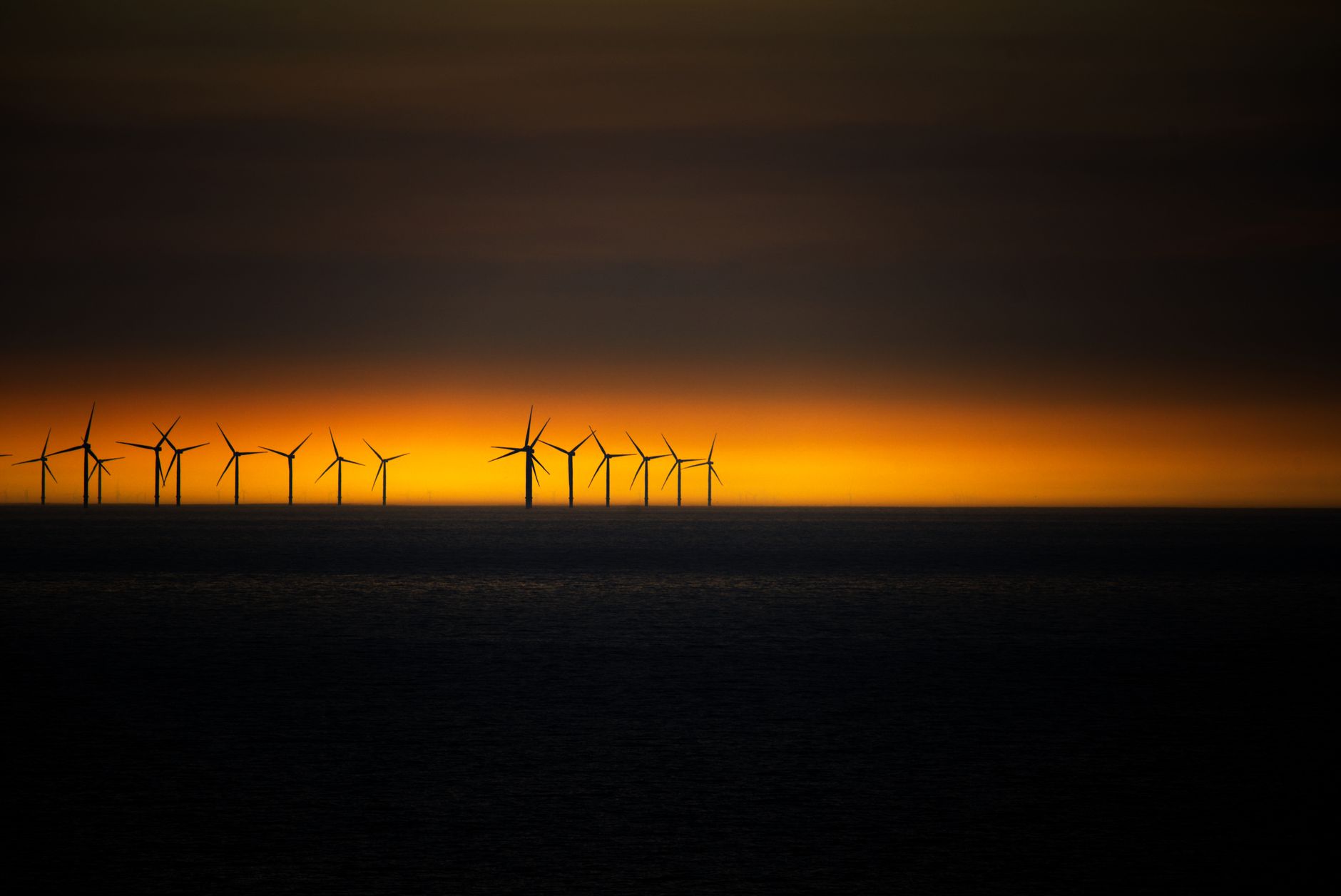
Germany is making a significant leap towards its clean energy goals with a massive €2.1 billion (roughly $2.4 billion) financing package for the Gennaker offshore wind farm. This landmark project, backed by BlackRock-owned Skyborn Renewables, will add nearly 1 gigawatt of clean electricity to the German grid. Set to power approximately one million households by late 2028, it marks a crucial step in reducing reliance on fossil fuels and accelerating the country's transition to sustainable, domestically produced energy. The investment underscores Europe's growing commitment to robust environmental action.
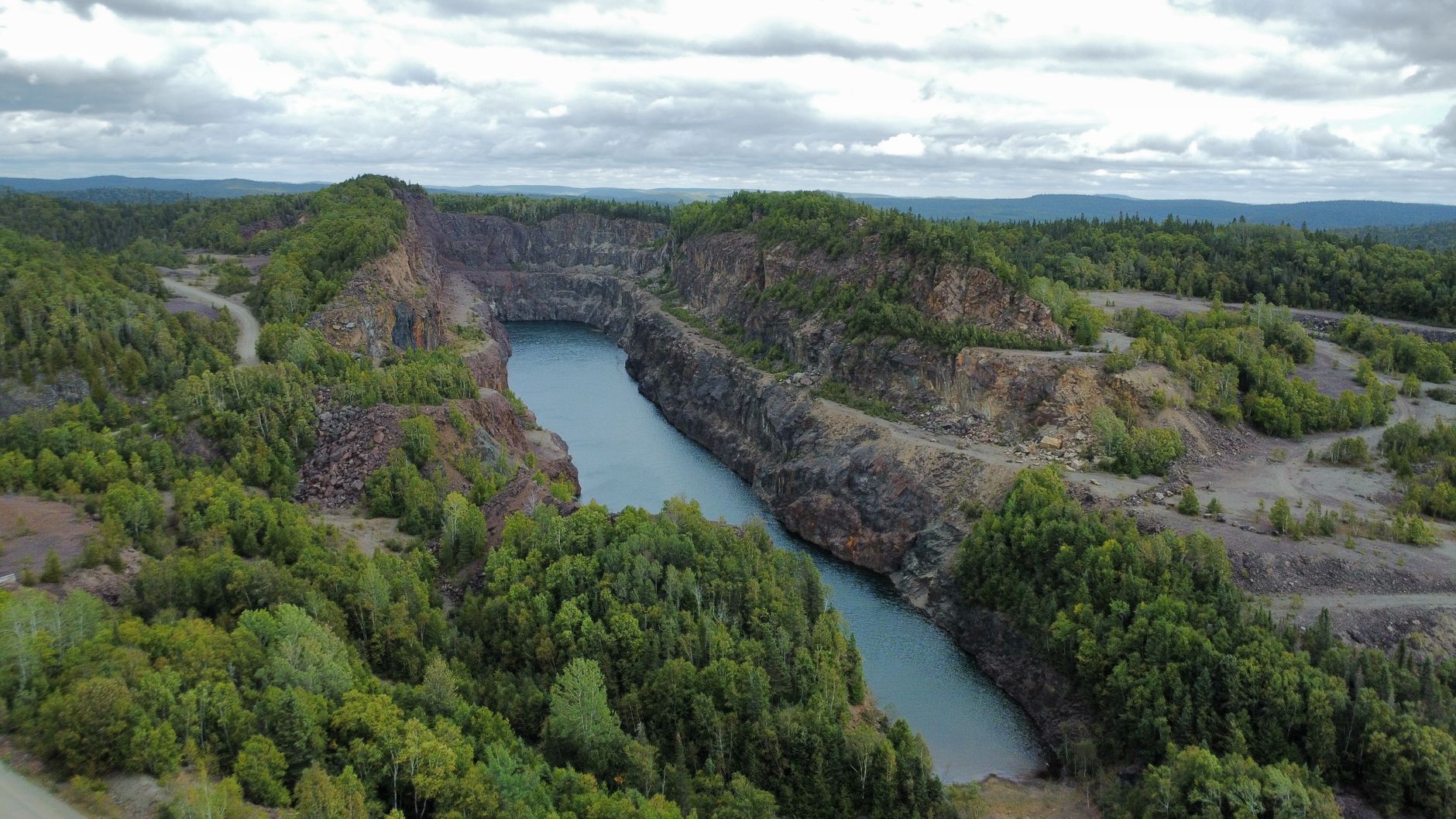
Canada has launched an ambitious initiative, the Canada Investment Summit 2026, aiming to attract C$1 trillion in global investments over five years. At the core of this plan is a significant focus on critical minerals, essential for electric vehicles, renewable energy, and other clean technologies. With 63 mining and metals projects highlighted, the nation seeks to become a key player in diversifying global supply chains. This strategic push is crucial for accelerating the worldwide shift towards sustainable solutions, but it also underscores the vital need to manage the environmental impact of increased mining activities responsibly.
Tesla is set to unveil its highly anticipated next-generation Roadster on October 1st in Waco, Texas. This electric supercar promises to redefine speed and range, showcasing the incredible potential of sustainable transportation. After years of speculation and delays, the event is expected to reveal mind-bending performance specs, including a potential 'SpaceX thruster package.' This launch highlights how electric vehicles are pushing boundaries, offering a cleaner, more thrilling future for driving and accelerating our shift away from fossil fuels.
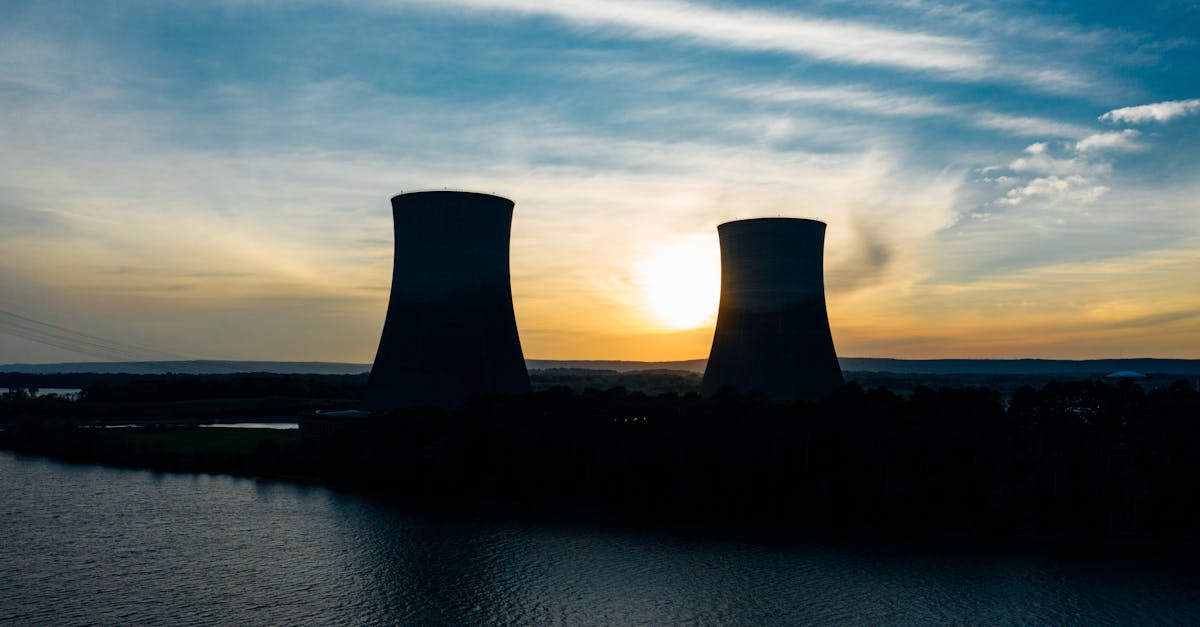
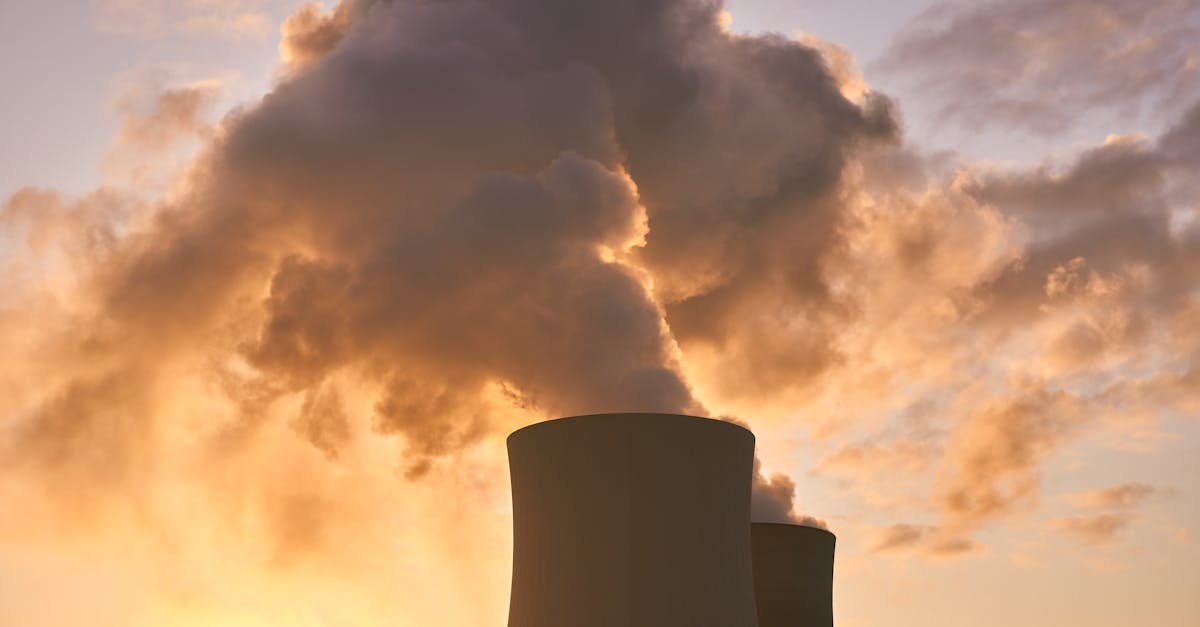
Google has made a significant 22-year commitment to Finland's low-carbon energy future, signing a major power purchase agreement with utility Fortum. This landmark deal will secure up to 50% of the Loviisa nuclear power plant's output, helping finance crucial investments to extend its operation until 2050. This ensures a vital source of fossil-free electricity, which currently provides about 10% of Finland’s power, remains online for decades. Beyond nuclear, Google's €13 billion investment also targets new renewable energy projects and battery storage solutions, underscoring a broad strategy for a resilient, sustainable energy grid and highlighting the urgency of transitioning to cleaner technologies.
Elon Musk has given his clearest indication yet that Tesla and SpaceX could eventually merge, citing their deepening collaboration at the All-In Summit. This marks a significant shift from his past denials, fueling months of speculation on Wall Street. With both companies increasingly working together on key projects like AI and chip facilities, the prospect of a combined entity could accelerate innovation across various sectors. Such a move would amplify their potential to drive forward sustainable technologies, furthering Tesla's mission for a greener future alongside SpaceX's ambitious space endeavors.
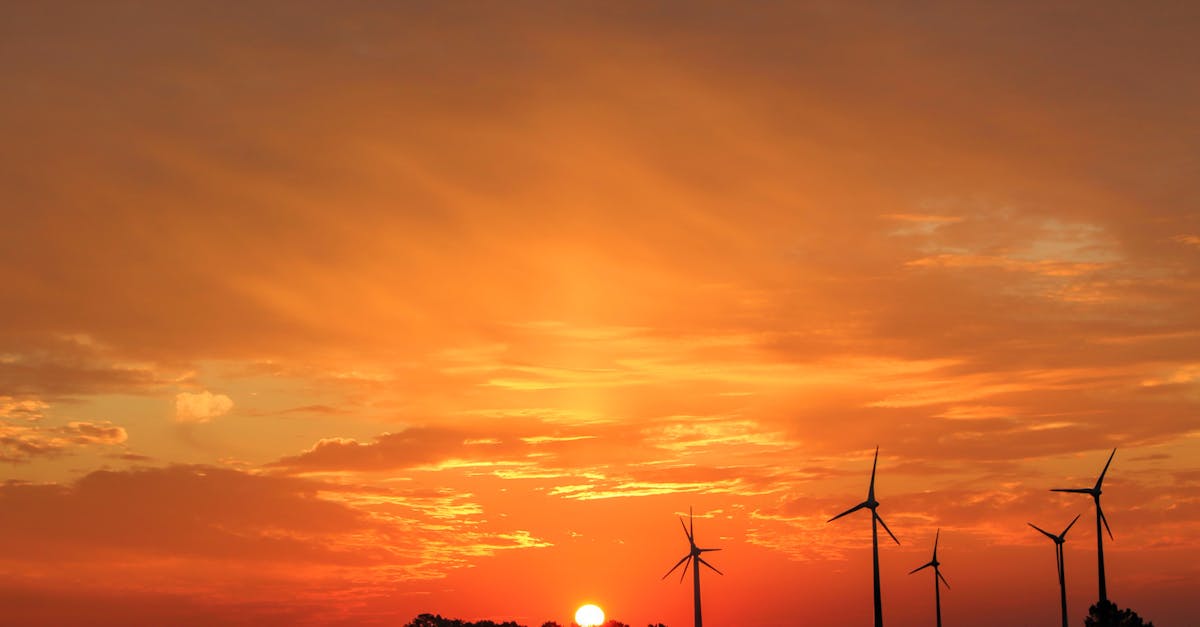
Maine's Public Utilities Commission has given a major green light to a project that will dramatically boost clean energy across New England. This initiative includes 800 megawatts of new onshore wind power and a transmission line capable of carrying even more electricity to homes and businesses. This crucial step is set to cut planet-warming emissions, enhance grid reliability, and stabilize energy costs, especially during peak winter demand. It represents a significant stride in the region's commitment to electrification and a sustainable future, though some details remain under wraps.
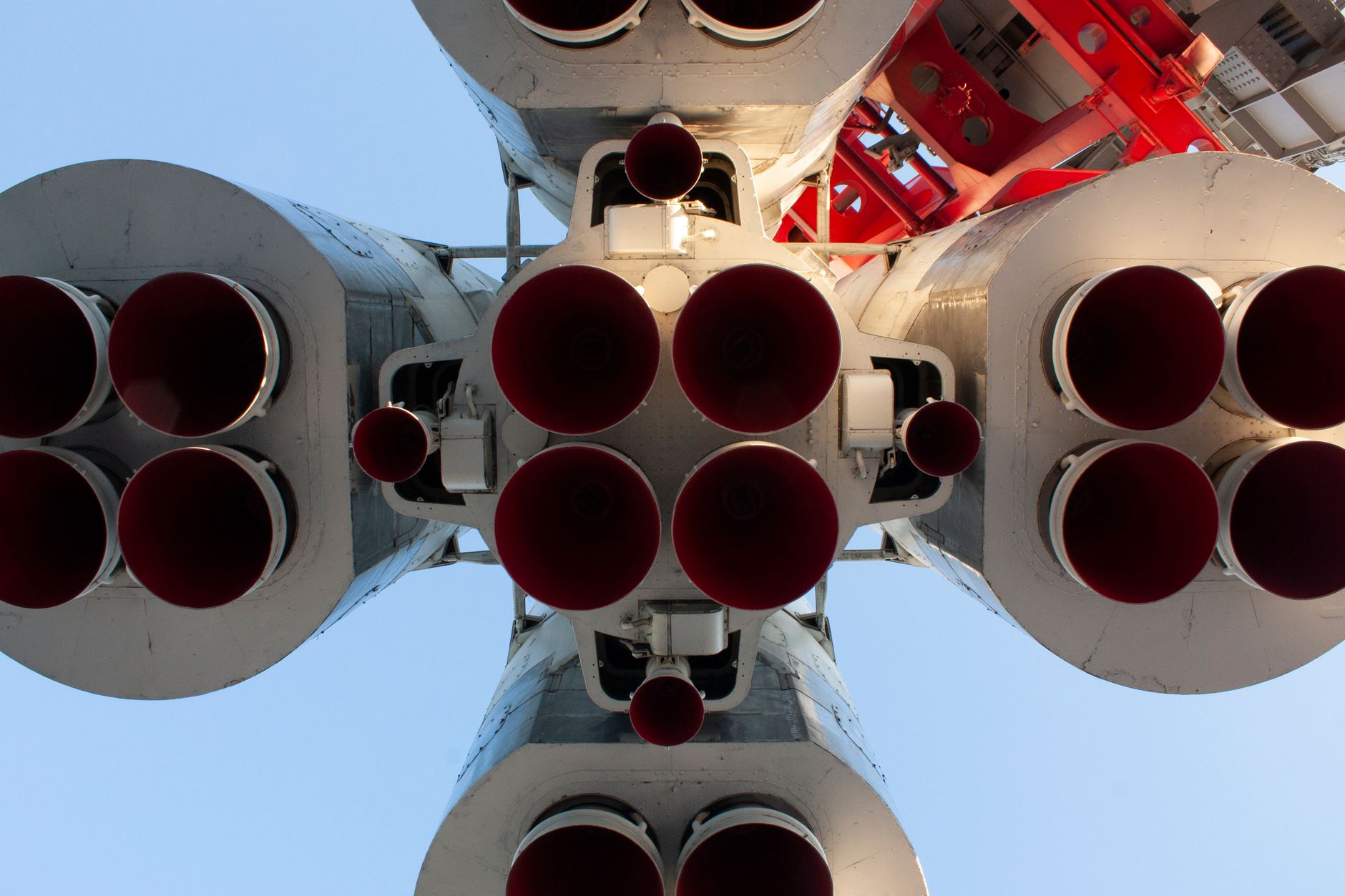
Tesla is gearing up for a highly anticipated event on October 1 in Waco, Texas, hinting at the official unveiling of its next-generation Roadster. After nearly a decade of development and increasing speculation, this electric supercar promises to redefine vehicle performance with features like a powerful "SpaceX developed thruster package." This upcoming demonstration is set to showcase the cutting-edge potential of electrification, pushing the boundaries of sustainable transport while setting new standards for speed and innovation in the automotive world. It underscores how clean energy solutions can offer unprecedented capabilities.
European leaders recently convened in Finland to address the rapidly changing Arctic region. Global warming is dramatically thinning Arctic ice, unlocking new shipping routes and access to vast natural resources. This environmental transformation is creating a "geopolitical hotspot," intensifying competition and raising significant security fears. Leaders are particularly concerned about Russia's increasing military presence and its implications for European stability, emphasizing the urgent need for a cohesive EU Arctic strategy.
Following the hottest summer on record, the Trump administration’s Environmental Protection Agency (EPA) has rolled back crucial climate rules for power plants, a major source of greenhouse gas emissions. This move comes despite a United Nations warning about rising global temperatures pushing climate risks to dangerous levels. Experts are questioning the scientific basis and legal standing of the repeal, which undermines established efforts to protect public health and the environment from escalating climate impacts.
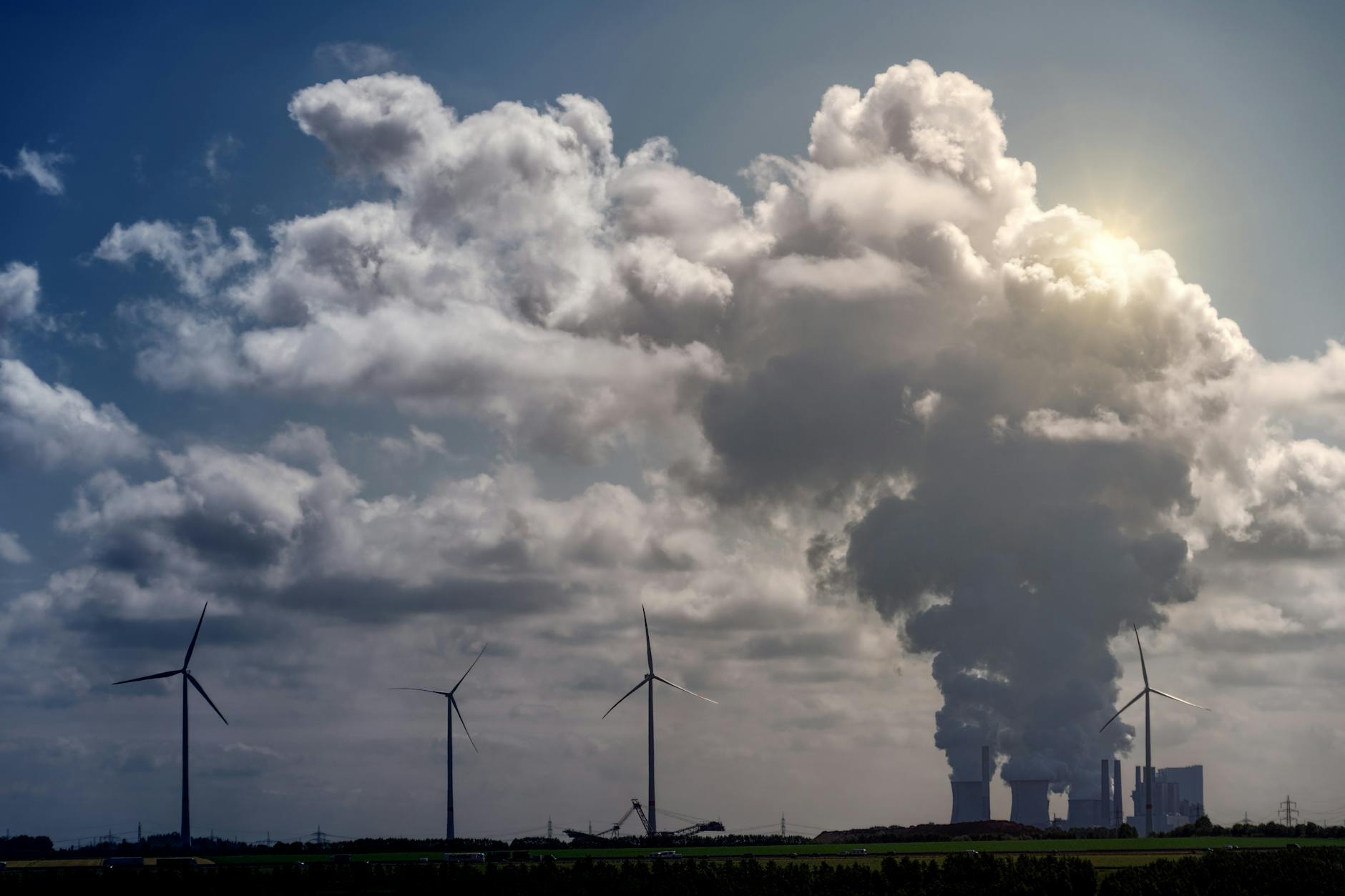
Iowa, a state celebrated for powering nearly two-thirds of its electricity with wind, is now seeing a surprising return to coal. A new report reveals that from 2024 to 2025, major utilities significantly increased coal power generation for the first time in years. This shift is driven by a booming demand for electricity, fueled by new data centers and manufacturing, combined with a slowdown in new wind and solar projects. This reliance on aging, polluting coal plants poses serious risks to air quality and public health, underscoring the urgent need for faster investment in clean energy solutions to safeguard our environment.
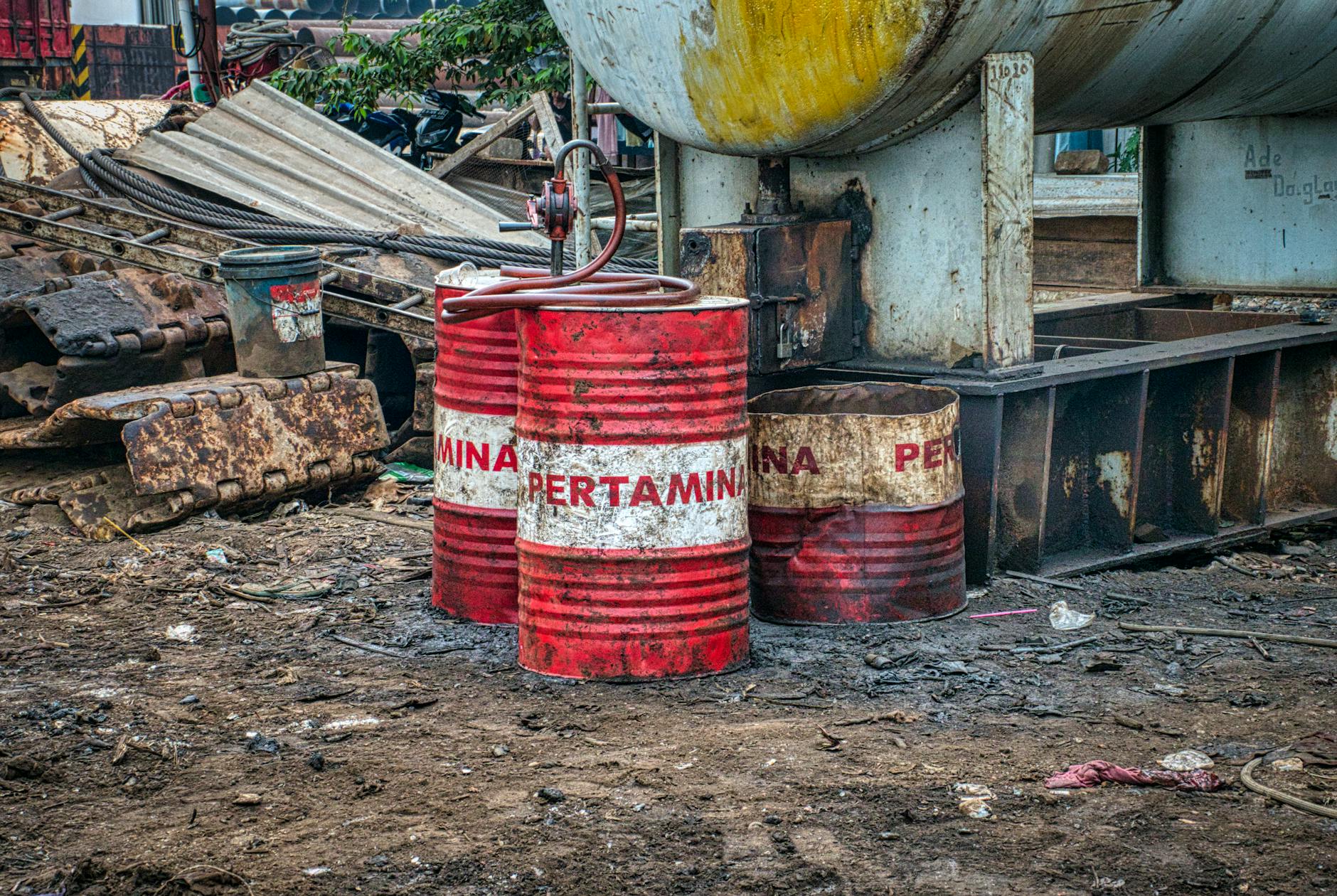
New reports highlight the human cost of environmental policy rollbacks, connecting a jet fuel spill in Pennsylvania to widespread plastic pollution in Guatemala. These incidents underscore a troubling trend where reduced oversight for the fossil fuel industry leads to significant health and environmental consequences for ordinary people. The stories reveal how weakened regulations can allow contamination to persist, affecting vital resources like drinking water and breathable air, emphasizing the urgent need for stronger environmental protections and sustainable solutions.