A devastating rock and glacier collapse in Nepal recently claimed over 1,300 lives and left thousands missing, causing an estimated $5 billion in damages and obliterating communities. New research from World Weather Attribution definitively links this catastrophe to decades of global warming. Record-hot temperatures and thawing permafrost fundamentally weakened the mountain, leading to an unprecedented disintegration of ice and rock. This disaster highlights the urgent need for global climate action to protect vulnerable regions from irreversible environmental shifts.
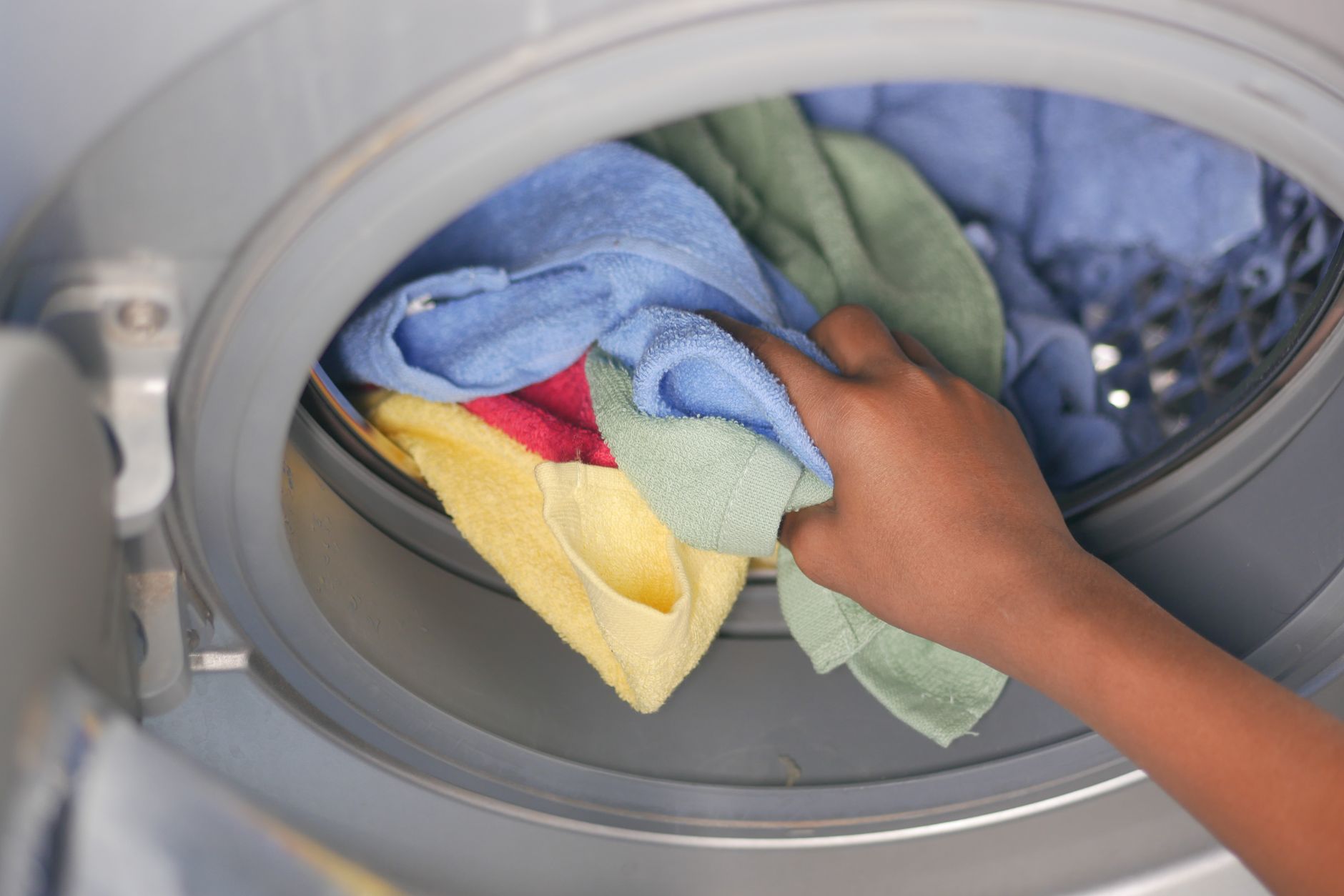
A new bill, the Energy Efficiency Reform Act, is currently under consideration in the Senate, sparking a crucial debate over the future of home appliance energy standards. If passed, this legislation could make it significantly harder for the Department of Energy to update efficiency requirements for products like washing machines and boilers, and even make it easier to repeal existing mandates. This move challenges decades of progress that have not only saved American households thousands on utility bills but also contributed to reducing national energy consumption and fighting climate change. The outcome could profoundly impact both consumers' wallets and environmental efforts.
Texas Railroad Commissioner Wayne Christian recently defied state lawmakers by skipping a critical hearing concerning the oversight of the state's powerful oil and gas industry. This comes amid a controversial change to the commission's public participation policy, which now limits guaranteed public comment periods. The move has sparked a serious clash with the Texas House Committee on Energy Resources, raising significant concerns about transparency and accountability in regulating issues like abandoned wells and hazardous wastewater, which deeply impact Texas communities and the environment.
A new scientific report reveals that Greenland and Antarctica have lost a staggering 12.5 trillion tons of ice since 1979. This massive melt, largely driven by warming ocean waters, has already contributed to a global sea level rise of about an inch. Experts warn that this seemingly small change leads to annual flooding for millions of people, highlighting the urgent need for global climate action. The study underscores how quickly our planet's polar regions are transforming, with significant consequences for coastal communities.
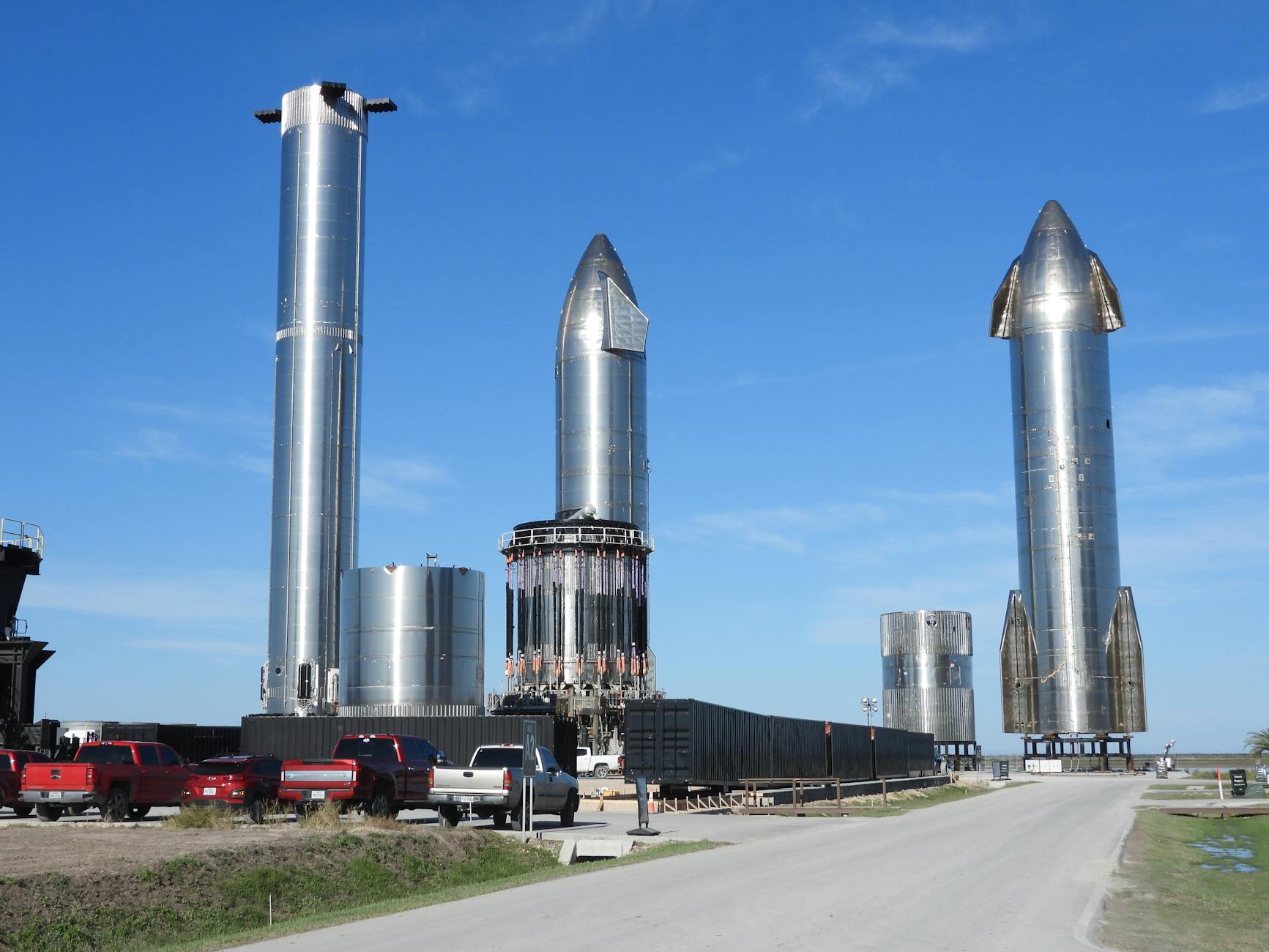
SpaceX is preparing for a landmark moment as its Starship rocket targets September 22 for its 14th test flight. Unlike previous suborbital journeys, this mission aims to achieve a genuine orbit around Earth for the first time. This ambitious step is not just about reaching space; it also seeks to deploy a fresh batch of Starlink V3 satellites, promising a significant boost in global internet bandwidth. Following extensive testing of Starship's heat shield and reusability, this flight represents a pivotal shift from experimental hops to delivering real payloads. Success here is vital for advancing more sustainable and efficient access to space, helping connect the world while paving the way for future exploration.
A quiet revolution is stirring in our food system, challenging the way we think about everything from wheat fields to the bread on our tables. Farmers, bakers, and consumers are uncovering the complexities of industrial agriculture, particularly in grain production. This movement emphasizes local economies, transparent processes, and genetically diverse crops, aiming to build soil health, boost biodiversity, and provide truly nourishing food. It's a shift towards a more sustainable and community-driven future, highlighting the urgent need for environmental action in how we grow what we eat.
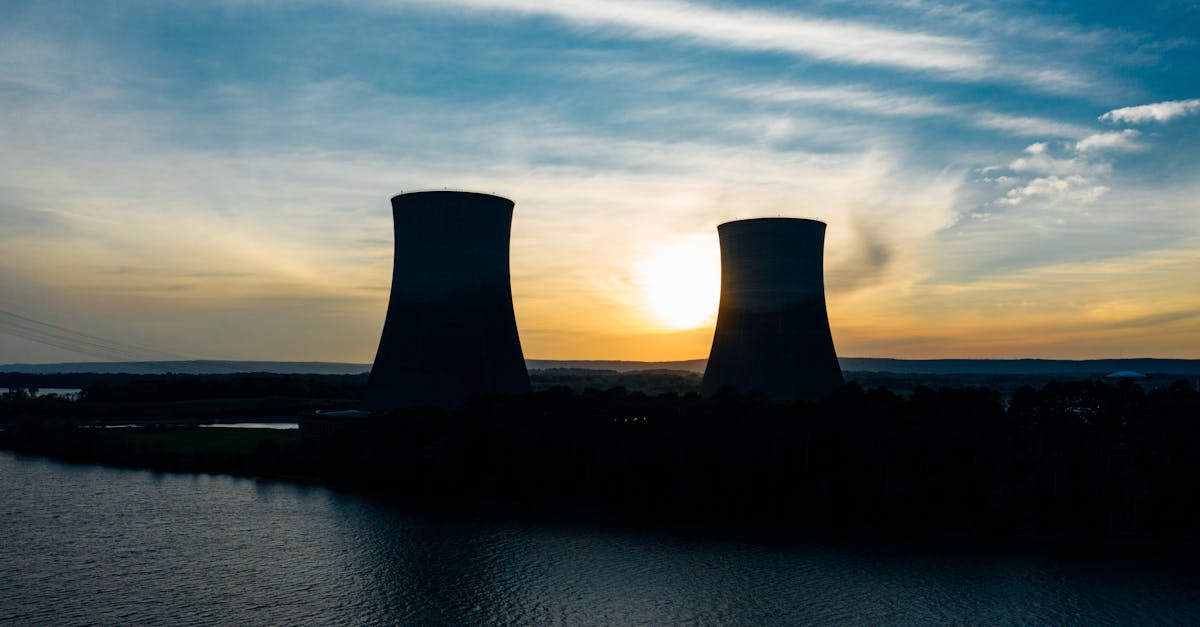
Google has made a significant 22-year commitment to Finland's low-carbon energy future, signing a major power purchase agreement with utility Fortum. This landmark deal will secure up to 50% of the Loviisa nuclear power plant's output, helping finance crucial investments to extend its operation until 2050. This ensures a vital source of fossil-free electricity, which currently provides about 10% of Finland’s power, remains online for decades. Beyond nuclear, Google's €13 billion investment also targets new renewable energy projects and battery storage solutions, underscoring a broad strategy for a resilient, sustainable energy grid and highlighting the urgency of transitioning to cleaner technologies.
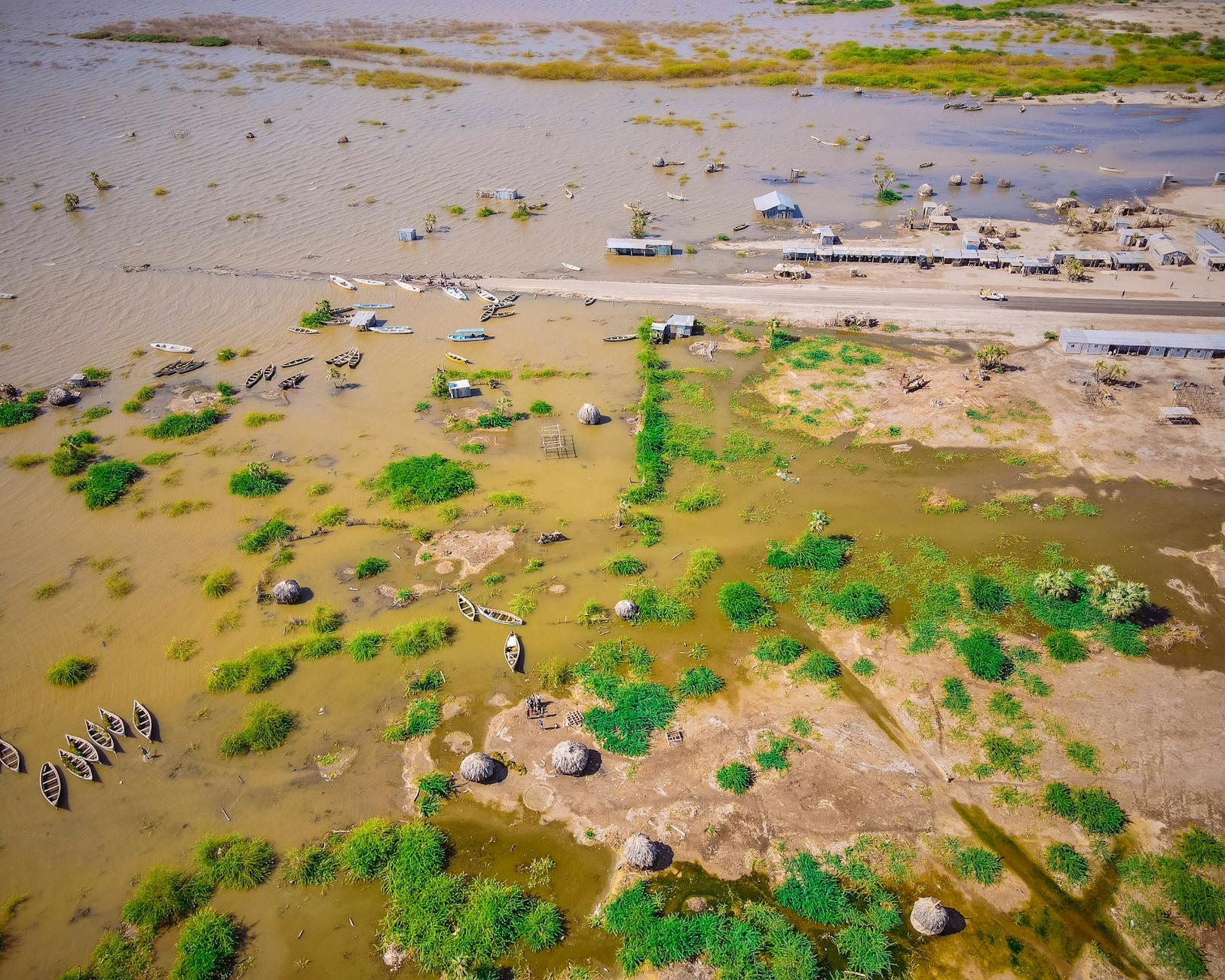
As our climate warms, communities face increasingly extreme disasters like fires and floods, causing billions in damage and devastating lives. A vital federal initiative, the Building Resilient Infrastructure and Communities (BRIC) program, offers a solution by funding projects to limit this destruction before it happens. Remarkably, every dollar invested in such proactive measures has been shown to save six dollars in future costs. This demonstrates the critical financial and environmental sense in preparing for the escalating impacts of climate change.
As students return to classes, they face a world grappling with the warmest U.S. summer on record and challenges to the very sciences that explain our changing planet. To meet this moment, Yale Climate Connections has assembled a thought-provoking collection of new books. This diverse bookshelf reveals how virtually every academic discipline—from physics and biology to art and archaeology—is critical for understanding and effectively addressing the climate crisis. It underscores the urgent need for a multidisciplinary approach, offering insights into environmental action, climate urgency, and pathways toward a sustainable future.
Latino Conservation Week has begun, spotlighting the critical need to protect cherished natural spaces like Arizona's Ironwood Forest National Monument. This annual event aims to connect the Latino community with the outdoors and inspire advocacy for our shared natural resources. Kicking off at Ironwood Forest, the week draws attention to this precious Sonoran Desert habitat, currently facing threats from proposed mining expansions. Safeguarding such areas is vital for scientific study, biodiversity, and ensuring future generations can experience their beauty. This highlights why collective environmental action is more urgent than ever.
Thousands of California homeowners have faced a silent danger: homes left standing after wildfires, but infiltrated by toxic smoke and ash. This contamination created health risks and led to frustrating battles with insurance companies. Now, Governor Newsom has signed groundbreaking legislation to establish the first-in-the-nation scientific standards for testing and cleaning smoke-damaged homes. These new laws ensure insurers must cover the costs, providing crucial protection as wildfire seasons intensify across the West.
Tesla is gearing up for a highly anticipated event on October 1 in Waco, Texas, hinting at the official unveiling of its next-generation Roadster. After nearly a decade of development and increasing speculation, this electric supercar promises to redefine vehicle performance with features like a powerful "SpaceX developed thruster package." This upcoming demonstration is set to showcase the cutting-edge potential of electrification, pushing the boundaries of sustainable transport while setting new standards for speed and innovation in the automotive world. It underscores how clean energy solutions can offer unprecedented capabilities.