Coastal towns across North Carolina, including Beaufort and Carolina Beach, are facing a growing challenge: frequent flooding even when the skies are clear. This isn't just about rain anymore; rising global sea levels mean that normal tides now push ocean water higher than infrastructure can handle. This persistent "sunny day flooding" disrupts daily life, forcing residents to miss work, school, and vital appointments. It’s a stark reminder of the urgent need for action as climate change continues to reshape our environments.
Frustrated by the constant 'doom and gloom' in climate conversations, Alec Turnbull and J. English Cook launched the Climate Film Festival. Their goal was to highlight stories of climate action and solutions, rather than just problems. Having screened over 100 films, Turnbull now shares his top streaming recommendations. These selections offer a fresh perspective, showcasing the power of human ingenuity and collective effort in addressing the global climate crisis and fostering a more sustainable future.
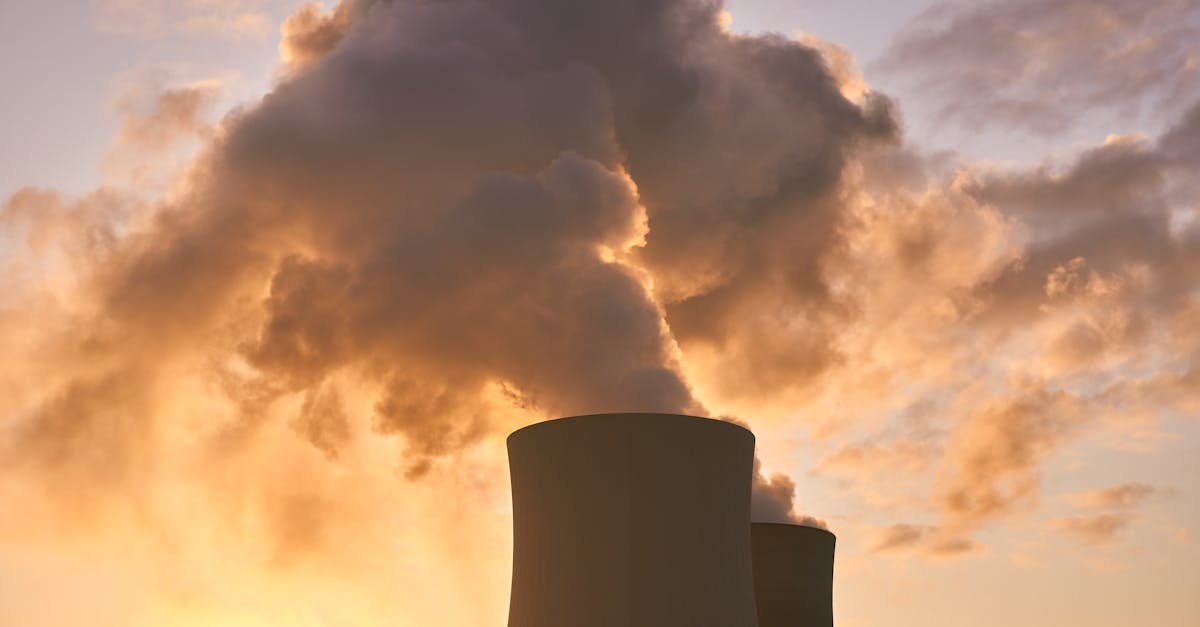
Following the hottest summer on record, the Trump administration’s Environmental Protection Agency (EPA) has rolled back crucial climate rules for power plants, a major source of greenhouse gas emissions. This move comes despite a United Nations warning about rising global temperatures pushing climate risks to dangerous levels. Experts are questioning the scientific basis and legal standing of the repeal, which undermines established efforts to protect public health and the environment from escalating climate impacts.
European airlines received billions in free carbon allowances from the EU Emissions Trading System (EU ETS) between 2013 and 2025. A new report by CE Delft reveals that most of this €10.9 billion windfall primarily boosted airline profits rather than fueling essential environmental investments. While intended to support a greener transition, airlines spent only a fraction on sustainable initiatives. This highlights a significant missed opportunity for accelerating aviation's decarbonization efforts and tackling global warming. The EU is now phasing out these free allowances by 2026, aiming for a more impactful approach to climate action.
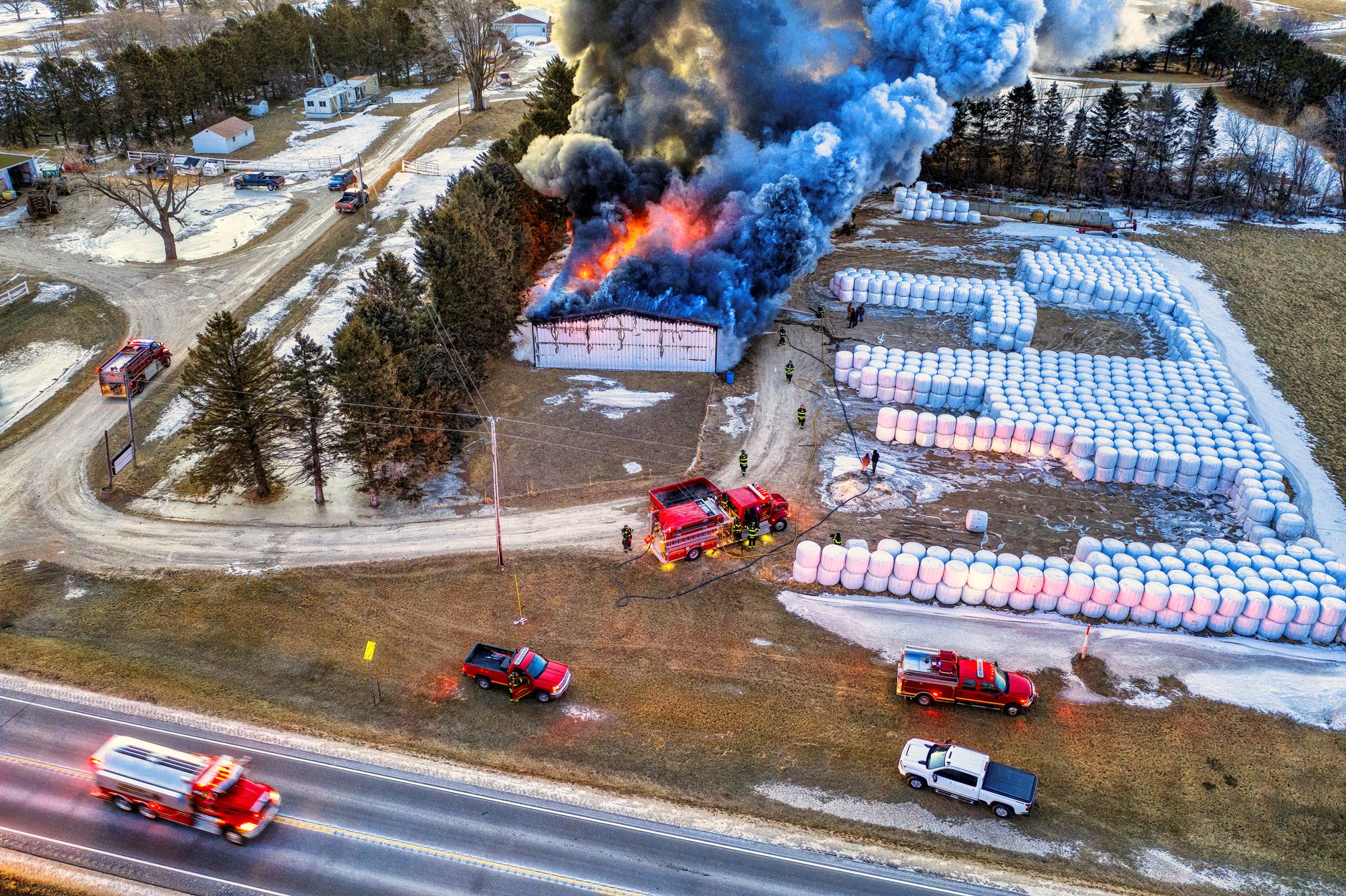
The Midwest, traditionally spared from the large-scale wildfires seen in the West, is now facing a significant and growing threat. Recent infernos in northern Minnesota and Canada’s boreal forest highlight a disturbing trend: climate change is intensifying extreme weather, creating perfect conditions for destructive blazes. This shift means longer fire seasons and more frequent, larger fires, fundamentally altering the region's landscape. Experts warn that this emerging crisis underscores the urgent need for action against global warming.
SpaceX has successfully launched the final three satellites for SES’s O3b mPower constellation, marking a significant milestone in global connectivity. This launch by a Falcon 9 rocket completes a project that has been over a decade in the making, promising high-speed, reliable internet service to enterprise customers worldwide. Unlike the more numerous Starlink satellites, O3b mPower uses a smaller, 13-satellite network in medium Earth orbit, offering powerful service with fewer spacecraft. This advanced system is designed to provide robust connectivity for demanding sectors like airlines, cruise lines, and governments, complementing existing networks.
A recent study reveals a troubling reality about urban trees planted by developers in England: many never get planted, and a significant number die shortly after. This widespread failure undermines efforts to create greener cities and combat climate change, as healthy, mature trees are crucial for absorbing carbon and cooling our urban environments. The findings highlight a critical gap in oversight and maintenance that demands urgent attention to protect our natural infrastructure.
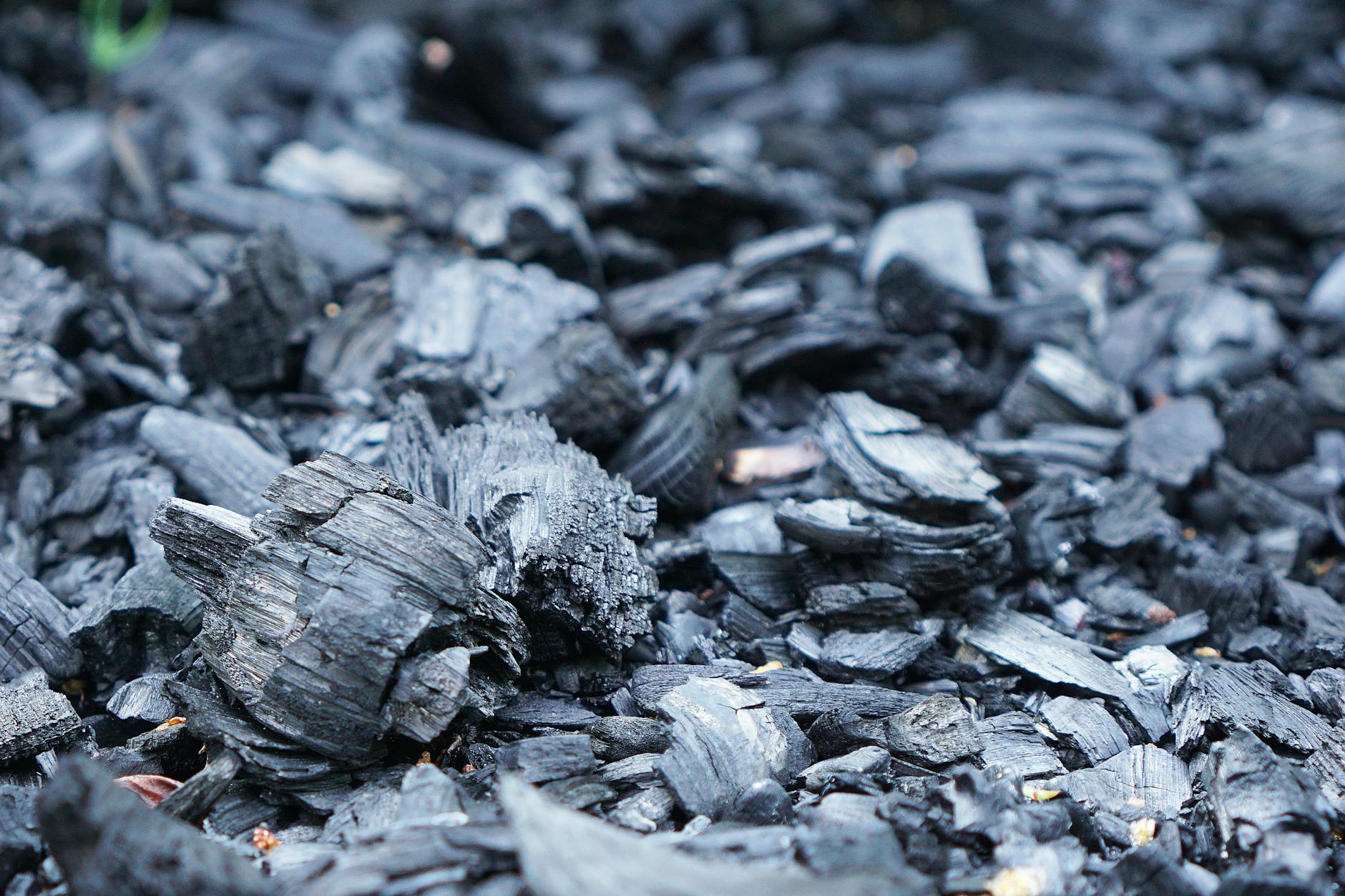
Biochar, a crucial tool for removing carbon from our atmosphere, is experiencing unprecedented demand. A new report from Supercritical reveals that companies are rapidly securing future supplies, leading to a potential shortage of high-quality biochar. This intense competition means many buyers might struggle to find the verifiable, impactful carbon removal solutions they need for their climate goals. The rush highlights biochar's growing importance in the fight against global warming, pushing businesses to act faster to secure sustainable options.
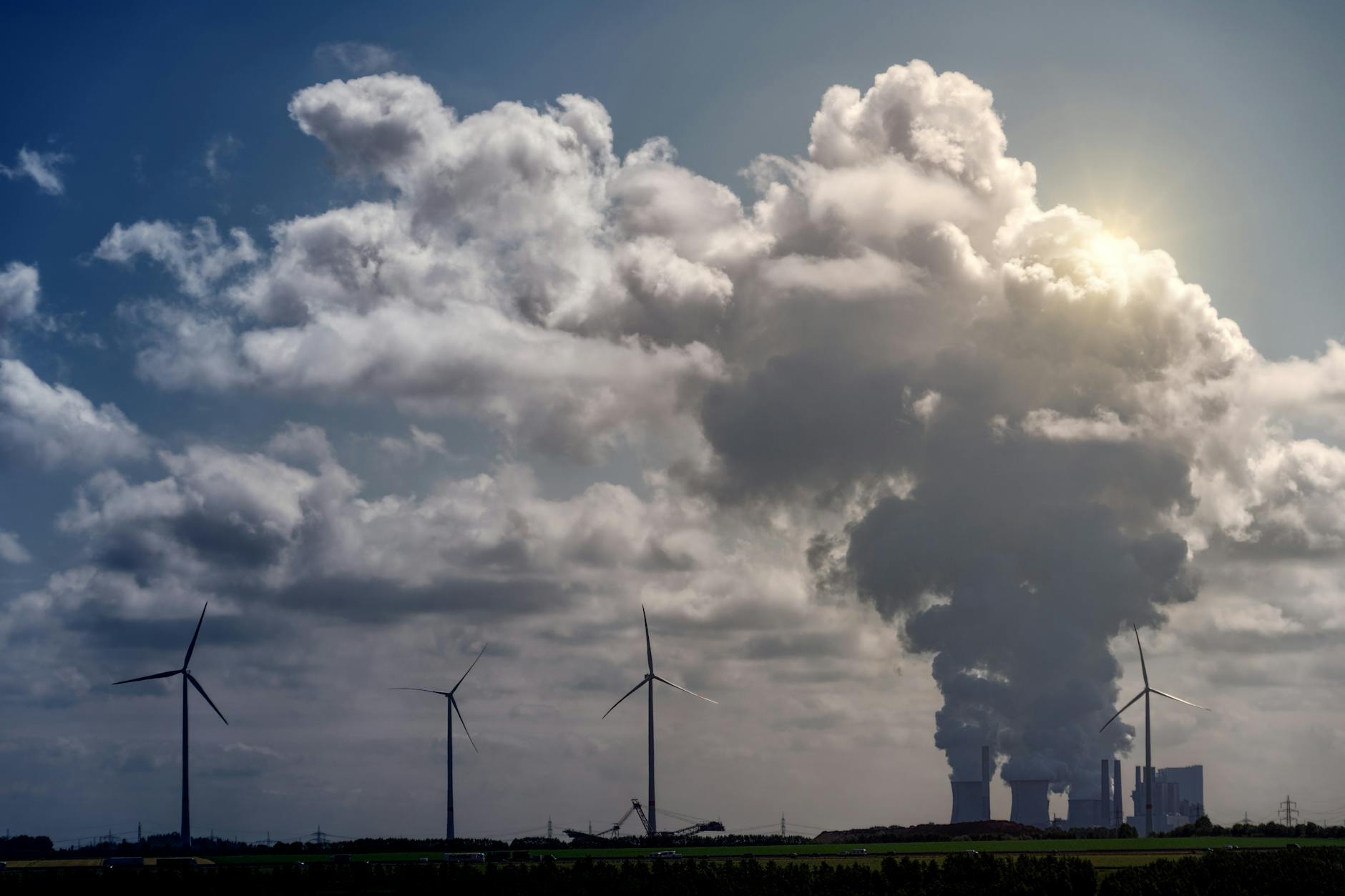
Iowa, a state celebrated for powering nearly two-thirds of its electricity with wind, is now seeing a surprising return to coal. A new report reveals that from 2024 to 2025, major utilities significantly increased coal power generation for the first time in years. This shift is driven by a booming demand for electricity, fueled by new data centers and manufacturing, combined with a slowdown in new wind and solar projects. This reliance on aging, polluting coal plants poses serious risks to air quality and public health, underscoring the urgent need for faster investment in clean energy solutions to safeguard our environment.
This week, the city of Wuhan, China, takes center stage in global climate discussions. Major conferences like the Two Lakes Dialogue and the China Carbon Market Conference are bringing together leaders to accelerate the low-carbon transition through robust carbon markets and international cooperation. These gatherings underscore China's growing influence and commitment to global climate action, including a potential bid to host COP33 in 2028. Such initiatives are crucial steps in addressing the urgent challenge of global warming and fostering sustainable economic growth.
New reports highlight the human cost of environmental policy rollbacks, connecting a jet fuel spill in Pennsylvania to widespread plastic pollution in Guatemala. These incidents underscore a troubling trend where reduced oversight for the fossil fuel industry leads to significant health and environmental consequences for ordinary people. The stories reveal how weakened regulations can allow contamination to persist, affecting vital resources like drinking water and breathable air, emphasizing the urgent need for stronger environmental protections and sustainable solutions.
Alabama lawmakers recently grappled with a significant bill, HB 475, aimed at curbing the immense power and profits of Alabama Power, the state's dominant electric utility. This landmark legislation, which initially promised public rate hearings—a common practice in most states but absent in Alabama for 44 years—passed the House unanimously. However, during a crucial spring break, the bill's core reforms were stripped away and replaced with a diluted version. The resulting law largely reorganizes the Public Service Commission but fails to introduce the transparency and ratepayer protections initially sought, leaving consumers vulnerable to some of the nation's highest electricity bills and potentially hindering progress toward sustainable energy solutions.