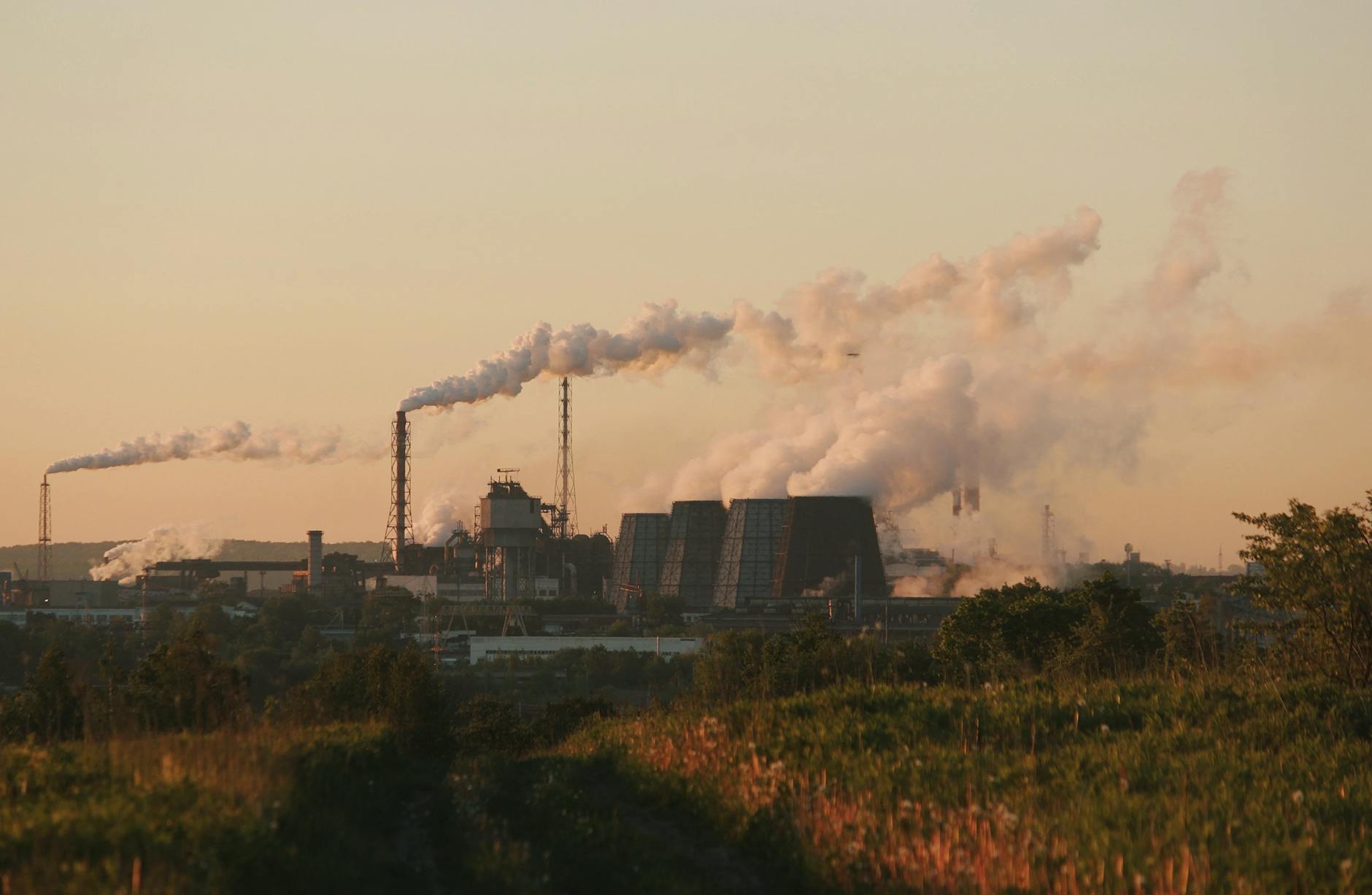
The fashion industry's environmental footprint is expanding at an alarming rate. New data reveals that greenhouse gas emissions from the sector surged by approximately 14% over just two years, reaching a staggering 1 gigaton annually – comparable to Japan's total climate pollution. This concerning trend, driven largely by increased material production, highlights a critical need for immediate and widespread sustainable changes. It underscores the urgent necessity to reduce our collective impact on the planet and embrace cleaner technologies.
The Environmental Protection Agency (EPA) is once again seeking public input on its plan to redefine federal protection for wetlands and other waterways. This move, nearly a year after an initial proposal, aims to align with a 2023 Supreme Court ruling that significantly narrowed the scope of the Clean Water Act. Critics fear the changes could remove federal safeguards from vast areas, leaving essential ecosystems vulnerable to pollution and development. The outcome will profoundly impact the nation's biodiversity and resilience against climate change.
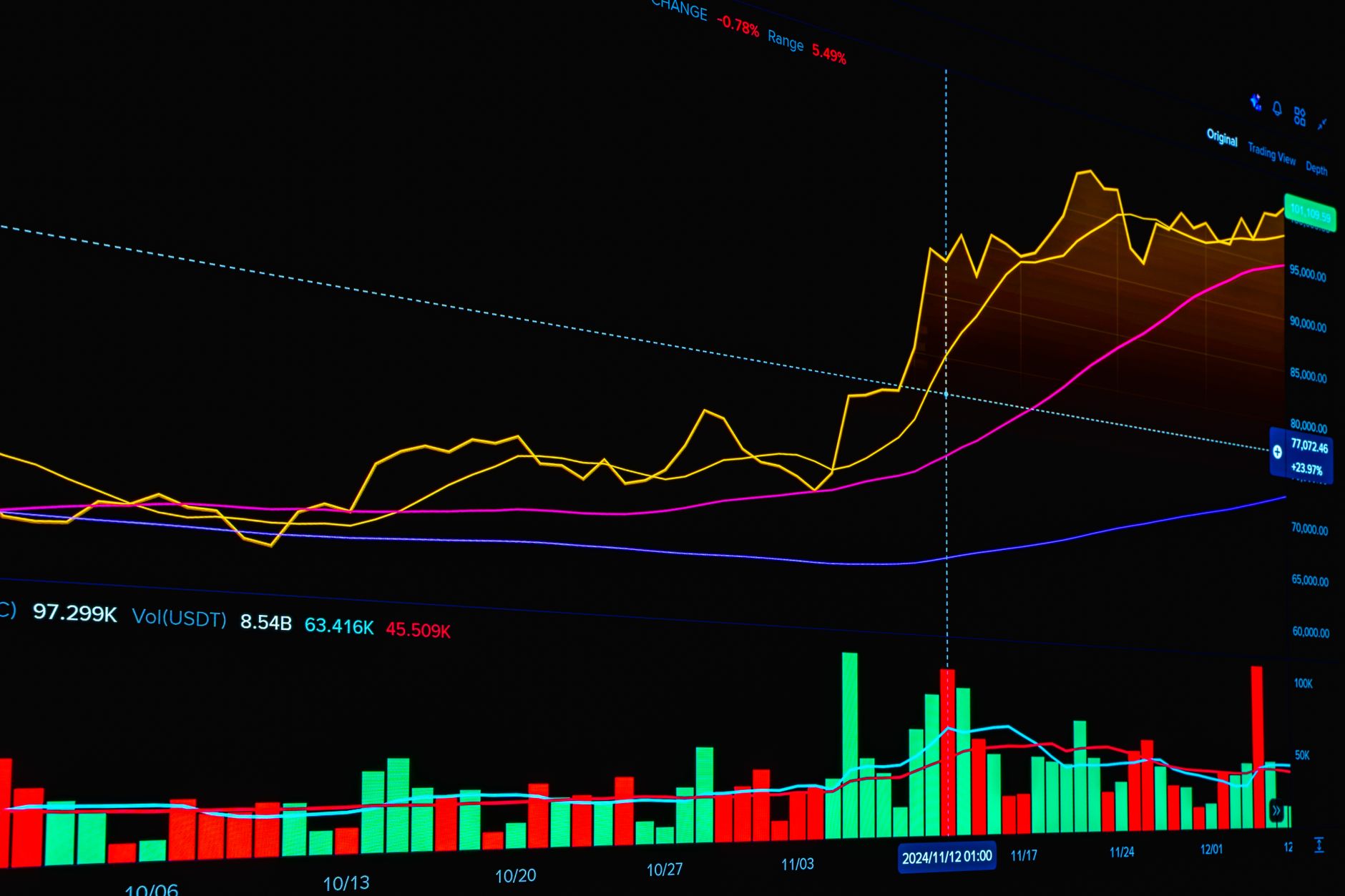
Copper prices have surged to record highs, driven by a perfect storm of tightening supply and skyrocketing demand. From artificial intelligence infrastructure to vital power grids and the push for electric vehicles, our world is craving more copper. This rally highlights a crucial challenge for environmental action, as a dependable copper supply is essential for building the clean energy systems needed to tackle global warming and accelerate our shift to sustainable solutions.
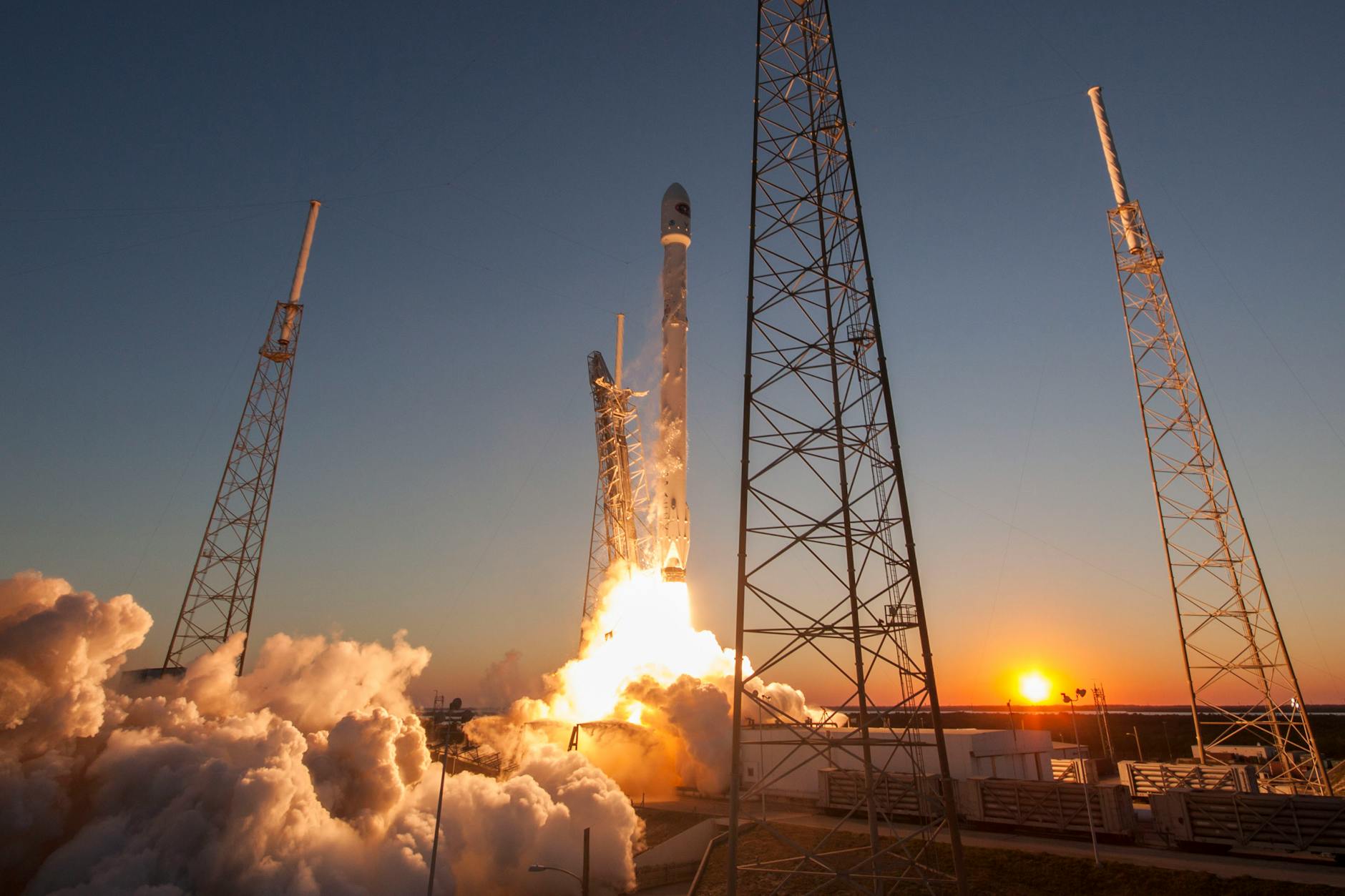
SpaceX, a titan in space exploration today, once teetered on the brink of collapse. After three consecutive failures of its foundational Falcon 1 rocket, the company had just enough funds for one last attempt. This make-or-break moment in 2008 was more than just a rocket launch; it was the hinge upon which the entire future of modern spaceflight, including projects like Starlink, depended. Had it failed, the industry landscape would look vastly different, underscoring the high stakes of innovation.
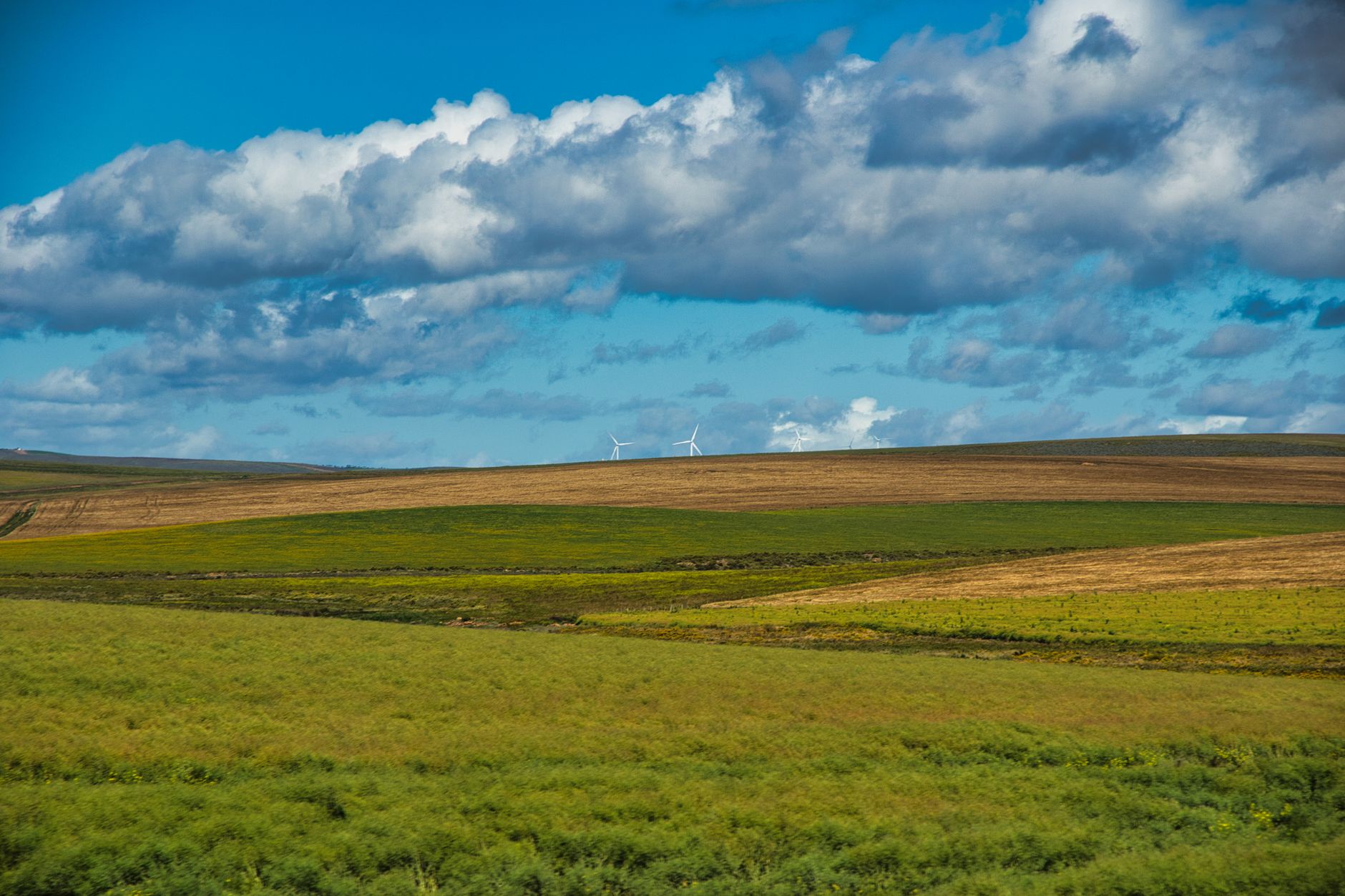
South Africa's power sector saw a significant 19% drop in carbon emissions in 2025, marking a crucial step towards a cleaner future. This decline, the largest recorded by BloombergNEF, signals a structural shift as renewable energy expands. While coal still generates most electricity, solar and wind power are rapidly gaining ground. This progress is vital for addressing global warming and demonstrates how countries can transition towards more sustainable electrification.
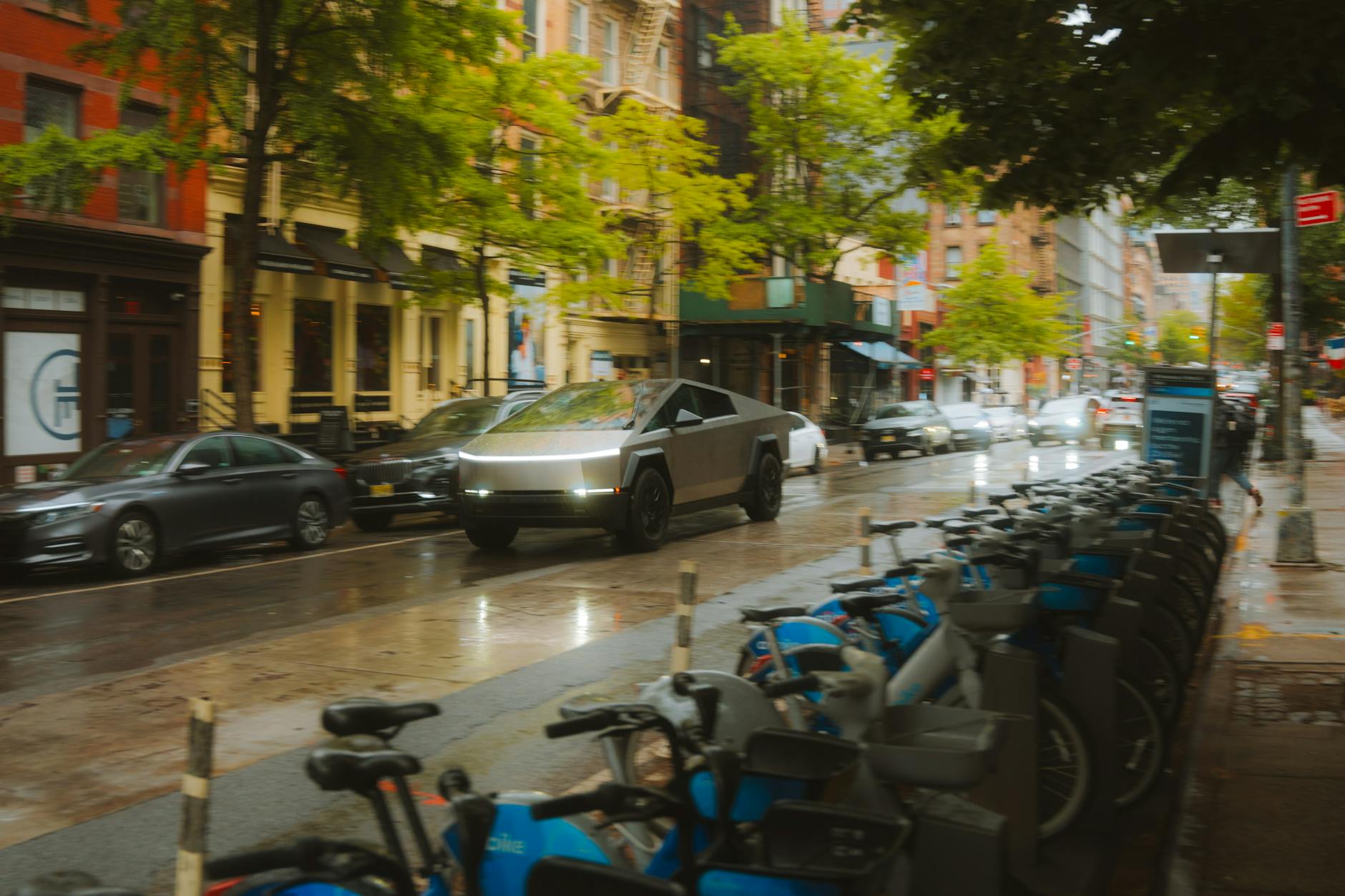
The Tesla Cybertruck All-Wheel-Drive model is making waves, recently seeing a price adjustment to $74,990. Despite the change, many argue its unique features make it a standout choice in the pickup market. This electric vehicle promises an unparalleled driving experience, setting a new standard for comfort and performance in a truck. It represents a significant step forward for sustainable transportation, showcasing how electric solutions can truly outperform traditional fossil-fuel alternatives in everyday use.
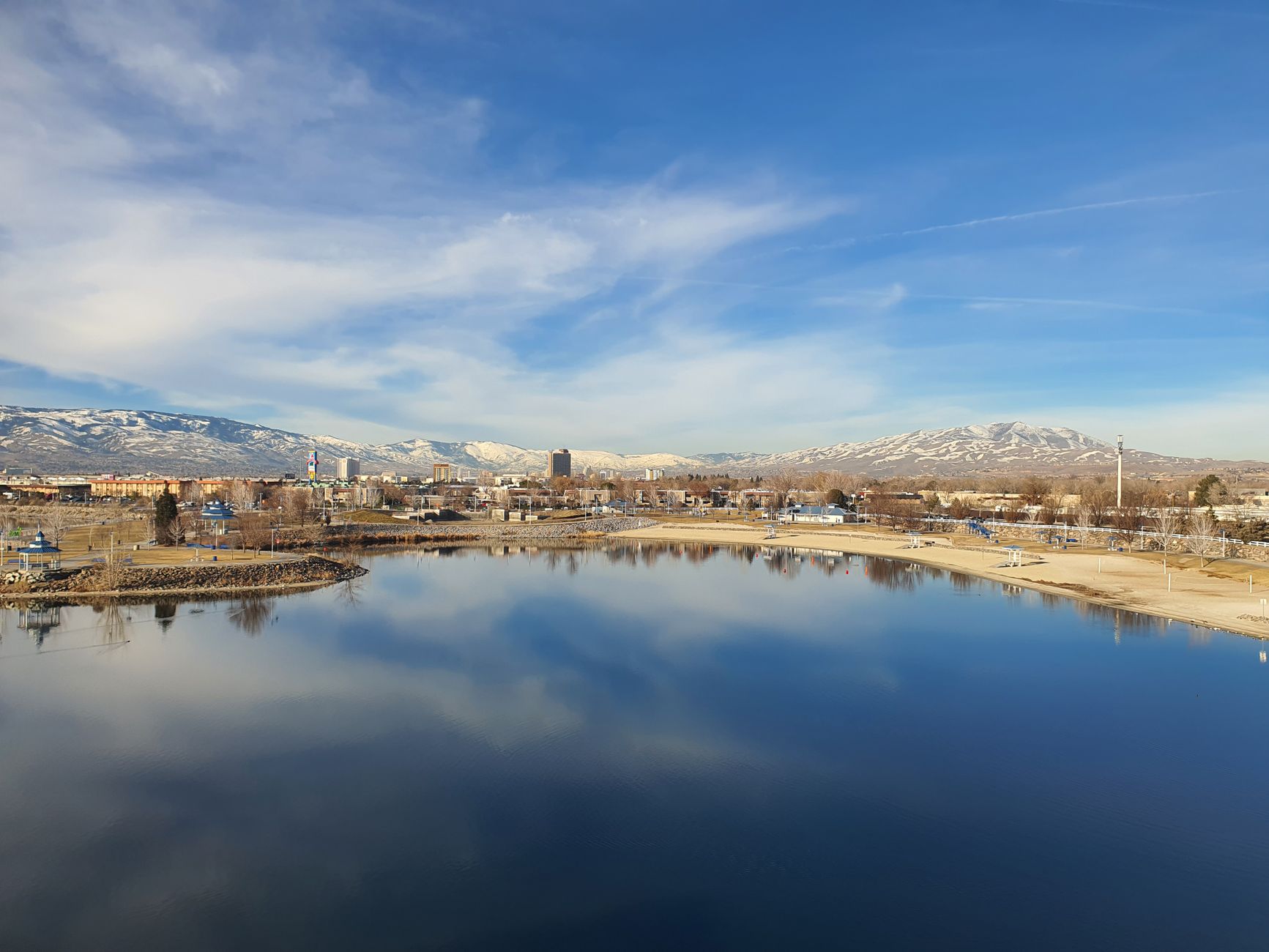
Reno, Nevada, a city known for its vibrant character, is experiencing a dramatic shift in its climate as winters begin much later than ever before. Latest data shows the city's first fall freeze now occurs an astonishing 41 days later on average compared to 1970, the most significant delay among over 200 U.S. cities studied. This alarming trend is a clear indicator of the rapid local impact of global warming, further intensified by the city's expanding urban footprint. It underscores a pressing need for attention to our changing environment.
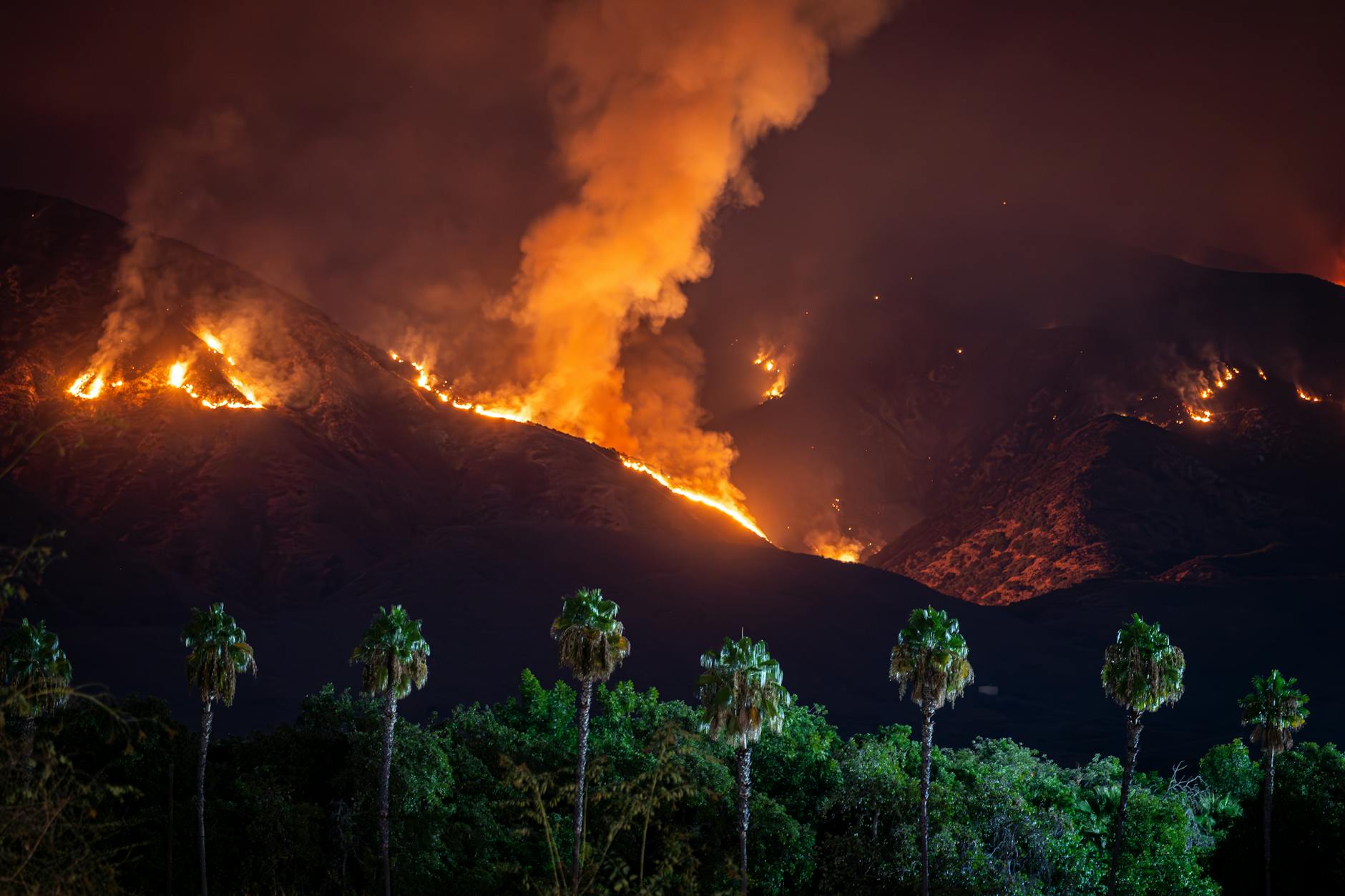
A new bill passed by California legislators aims to redefine the responsibilities of public water agencies during intense wildfires. Senate Bill 1153 seeks to clarify that agencies are not primarily designed for large-scale wildfire defense, nor is losing water pressure automatically a "substantial cause" of fire damage. This comes as communities grapple with destructive events like the 2025 Palisades fire, which highlighted the immense challenges of climate-driven blazes and existing water infrastructure. If signed by Governor Newsom, the bill intends to strengthen emergency preparedness while shielding agencies from costly lawsuits.
Canada is making a bold move, attracting 64 leading global scholars, including many from top U.S. institutions like Harvard and MIT, with $362 million in research funding. This initiative, part of a larger $1.2 billion investment, aims to boost Canadian universities and tackle critical global challenges. Researchers will focus on vital fields such as health, artificial intelligence, and crucially, the environment, seeking innovative solutions for a cleaner, more sustainable future. This contrasts sharply with recent funding cuts and policy shifts in other nations, underscoring Canada's commitment to scientific advancement and academic freedom.
Tesla's innovative Cybercab, a fully driverless vehicle without a steering wheel or pedals, recently launched its ride-hailing service in Austin, Texas. This groundbreaking electric taxi aims to revolutionize urban transport by offering a quiet and smooth experience. CEO Elon Musk has now hinted at Europe being the next major market for the Cybercab, signaling a global expansion for this sustainable transportation solution. However, bringing this cutting-edge electrification technology across the Atlantic will require navigating complex European regulations.
The early days of SpaceX were fraught with peril, as the company faced three consecutive rocket failures with its Falcon 1 vehicle. Running dangerously low on funds, the fourth launch attempt represented a do-or-die moment that would either secure the company's future or lead to its demise. This critical launch in September 2008 successfully placed a payload into orbit, a landmark achievement for a privately developed liquid-fueled rocket. This singular triumph was not just a win for SpaceX; it became the foundation for everything from Falcon 9 to Starlink, fundamentally reshaping access to space and igniting a new era of exploration.
Tesla's all-electric Cybercab recently rolled out for paid rides in Austin, marking a notable step for autonomous, sustainable city transport. Just days after its launch, Tesla began surveying early passengers, seeking crucial feedback on their experience. This rapid request for input highlights Tesla's unique strategy of treating users as active collaborators in refining its advanced electric vehicles. The company is gathering detailed opinions on everything from seat comfort to desired new features, aiming to swiftly evolve the Cybercab into an even more appealing and efficient option for future mobility.