Tesla's all-electric Cybercab recently rolled out for paid rides in Austin, marking a notable step for autonomous, sustainable city transport. Just days after its launch, Tesla began surveying early passengers, seeking crucial feedback on their experience. This rapid request for input highlights Tesla's unique strategy of treating users as active collaborators in refining its advanced electric vehicles. The company is gathering detailed opinions on everything from seat comfort to desired new features, aiming to swiftly evolve the Cybercab into an even more appealing and efficient option for future mobility.
The era of cheap carbon credits might be drawing to a close as a new report suggests future demand for high-quality credits could soon outpace supply. After a period of price pressure and concerns over credit quality, the voluntary carbon market is poised for a significant transformation. This shift means companies striving for net-zero emissions may face higher costs and tougher competition to secure credible offsets. Understanding these evolving dynamics is crucial for effective climate action and achieving ambitious sustainability goals.
The United Kingdom is investing £400 million ($541 million) in Brazil's Tropical Forests Forever Facility (TFFF). This significant loan aims to transform tropical forest conservation into a sustainable financial asset, marking a new approach to climate finance. Unlike traditional grants, this repayable investment highlights a shift towards economically viable solutions for global warming. This crucial funding helps the TFFF reach its ambitious goal of securing $10 billion to protect vital ecosystems. It underscores the urgent need to preserve these natural carbon sinks for the health of our planet.
In Georgia, the brutal summer heat brings a hidden danger: frequent electricity disconnections for thousands of households. As temperatures soar, many families struggle with rising power bills, leading to shutoffs that leave homes stifling and unsafe. Georgia Power, the state's largest utility, reports some of the highest disconnection rates nationally, a problem exacerbated by increased energy costs and the growing demand for air conditioning. This crisis highlights the urgent need for sustainable solutions and support, especially as climate change promises even hotter summers, making access to cooling a matter of health and survival.
A clandestine global trade in donkey skins is driving immense animal suffering, posing serious public health risks, and pushing donkey populations towards collapse. This illicit network operates in the shadows, often linked to organized crime and environmental contamination. With millions of donkeys slaughtered annually, experts warn that unchecked demand could lead to the extinction of this vital species, highlighting an urgent need for global action to protect animals and planetary health.
Extreme heat and prolonged droughts, intensified by climate change, are making headlines for surface water shortages. However, a deeper, less visible crisis is unfolding underground: our groundwater supplies are warming. Scientists predict a global temperature increase of 2.1°C in groundwater by century's end, altering its chemistry and leading to contamination. This urgent environmental issue threatens the quality and safety of the water vital for billions, highlighting the critical need for climate action and sustainable solutions to protect our most valuable hidden resource.
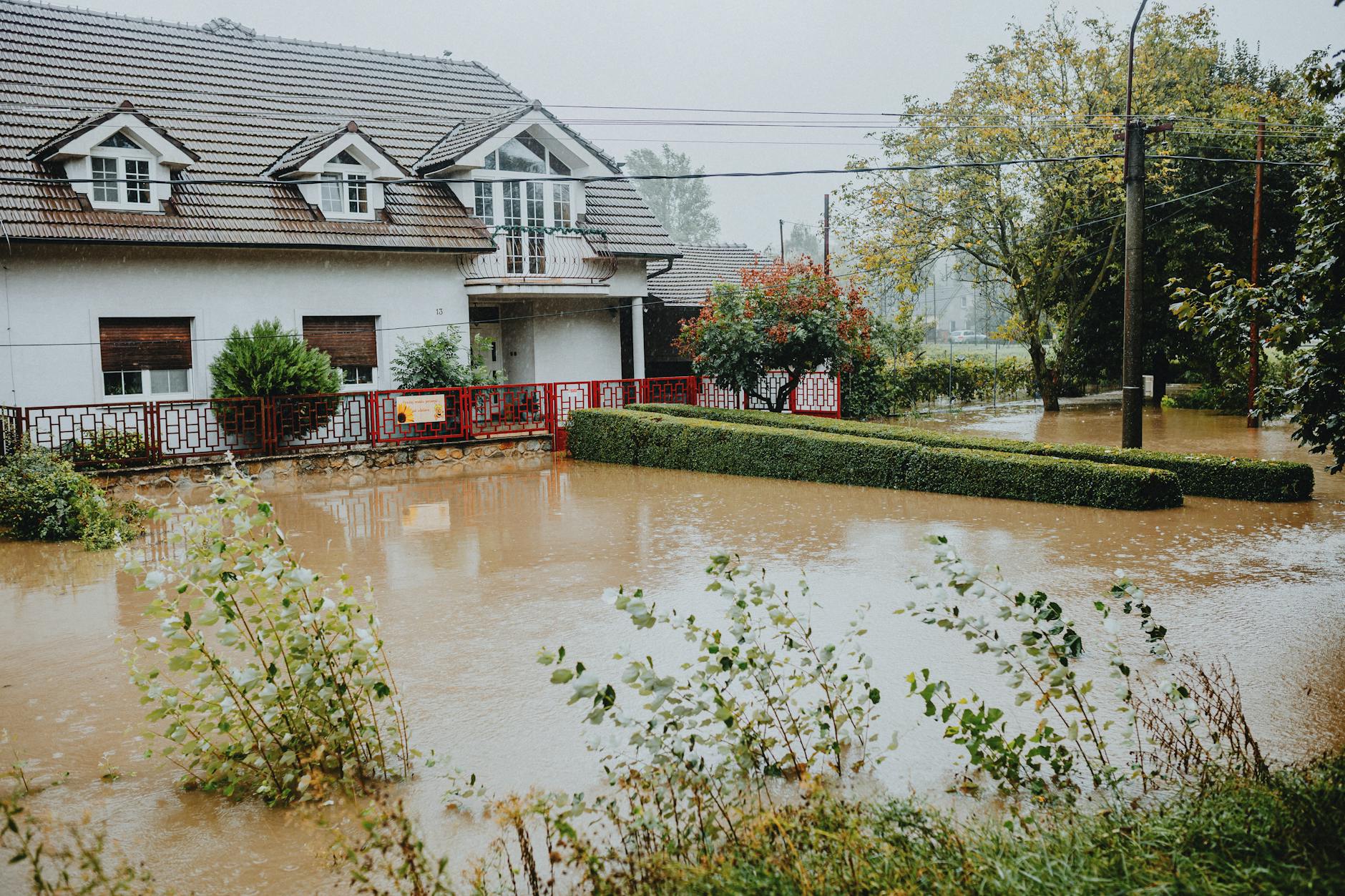
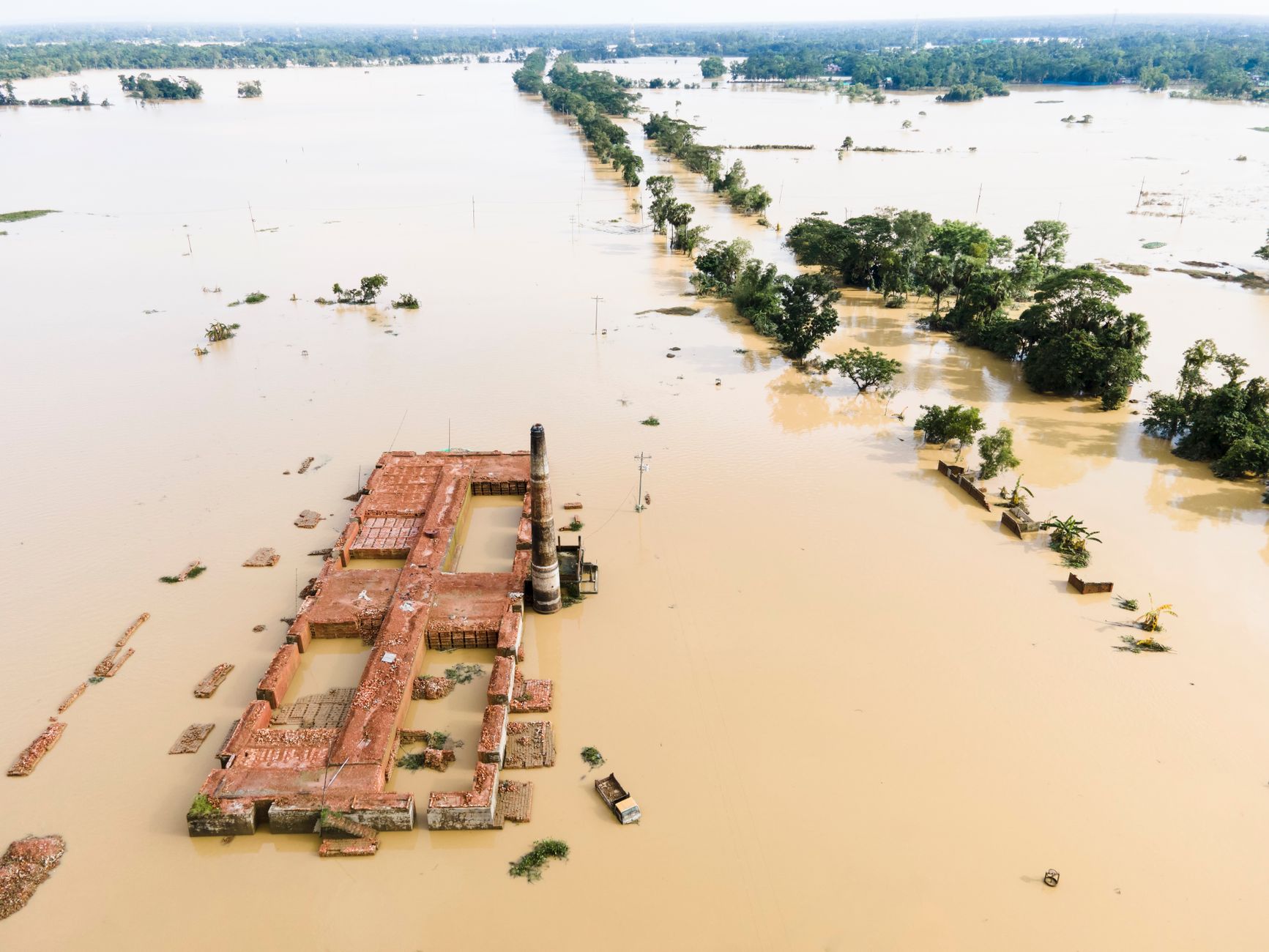
Torrential floods, like those that recently swept through central Texas, are becoming more frequent and severe due to our changing climate. These disasters disproportionately impact residents in manufactured homes, which are often situated in vulnerable floodplains. While these homes offer affordable housing, outdated zoning laws and the high cost of rebuilding often force families back into harm's way or leave them with no safe options. Addressing these challenges is crucial for climate resilience and social equity.
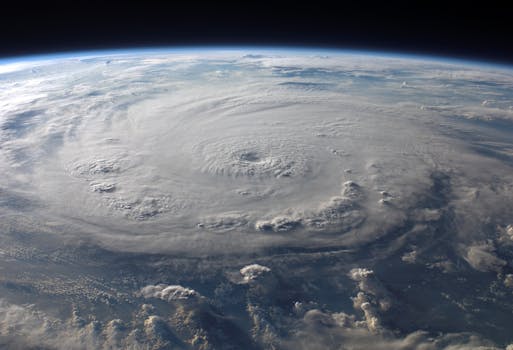
Hurricane Lowell, an exceptionally powerful Category 5 storm, is heading towards Hawaii, bringing significant threats of torrential rain, gale-force winds, and flash flooding. This comes as the Pacific continues to generate numerous tropical cyclones during an El Niño year, highlighting the intense and unpredictable nature of current weather patterns. Forecast to pass just west of Kauai and Niihau, Lowell's rapid intensification and sustained strength are a stark reminder of the escalating challenges posed by extreme weather events. Residents are preparing for potential widespread impacts, making preparedness crucial for the islands.
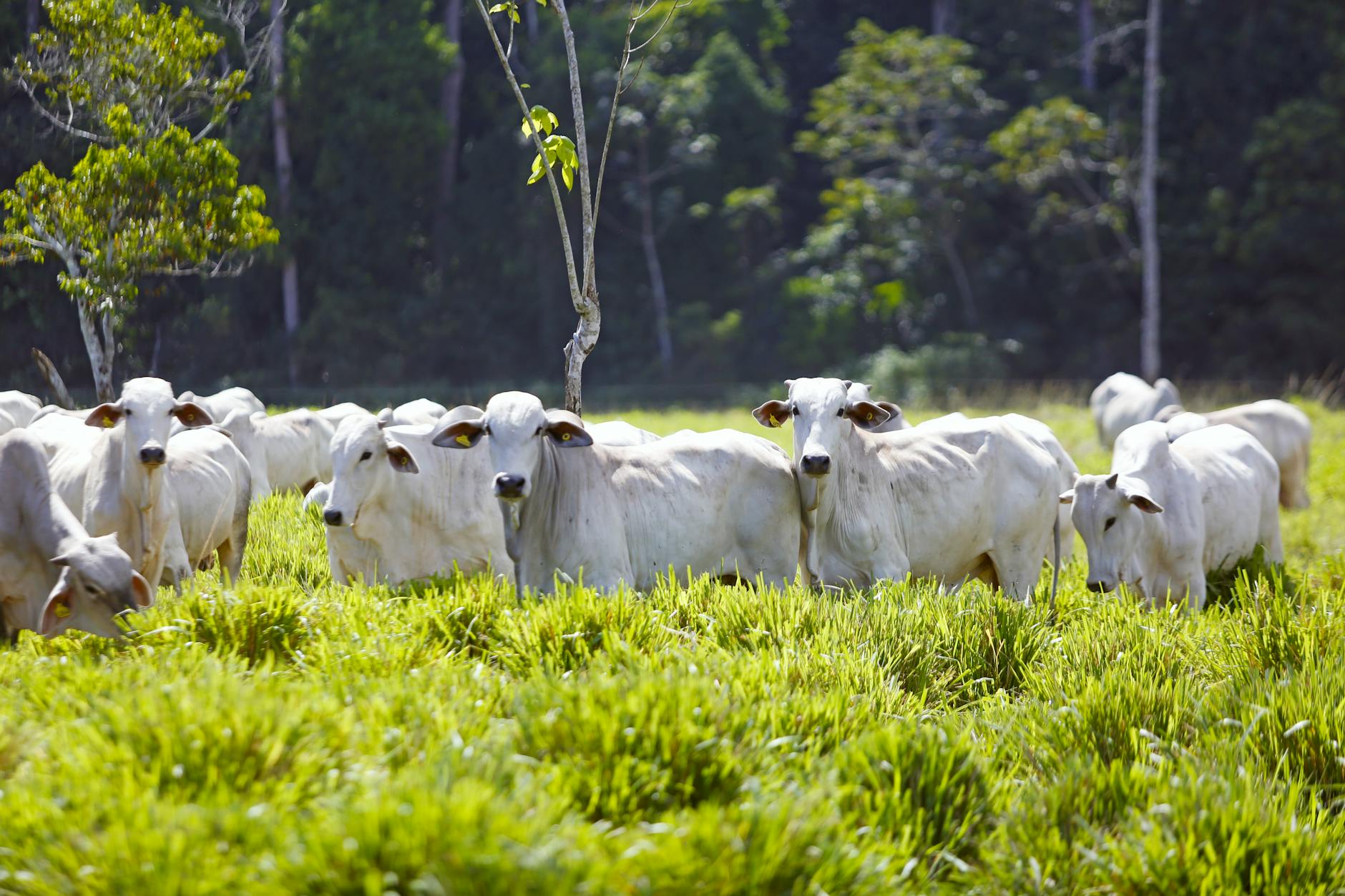
Brazil's environmental agenda is increasingly shaped by a complex, interconnected network of government, corporations, and non-profits. While these collaborations aim for sustainable development, they raise crucial questions about genuine accountability, especially as major players in beef and oil production exert significant influence. With ongoing deforestation and massive emissions from agriculture threatening vital ecosystems like the Amazon, understanding who defines "green" solutions is more urgent than ever. Critics worry that this consensus might inadvertently prioritize agricultural growth over robust environmental protection.
Tesla has launched its groundbreaking Cybercab in Austin, Texas, marking a significant leap into unsupervised self-driving ride-hailing. These all-electric vehicles stand out by entirely lacking traditional manual controls like steering wheels and pedals, pushing the boundaries of automotive design. While promising a cleaner, more efficient urban transportation future, this innovative approach has prompted the National Highway Traffic Safety Administration (NHTSA) to open an inquiry into its safety certification. This move highlights the crucial balance between rapid technological advancement and ensuring public safety in the evolving landscape of electric, autonomous transport.
Global efforts to combat climate change are accelerating, with new rules strengthening carbon markets and promoting cleaner technologies like low-carbon ammonia and renewable fertilizers. Simultaneously, a stark warning from the UN Environment Programme confirms the world is already exceeding the critical 1.5°C warming limit, intensifying the need for immediate mitigation and adaptation. This comes as Nepal demands financial justice from major emitters following a devastating glacial flood, highlighting the growing legal obligations for climate accountability. As nations prepare for a hotter future, integrating sustainable solutions and collective action becomes paramount.
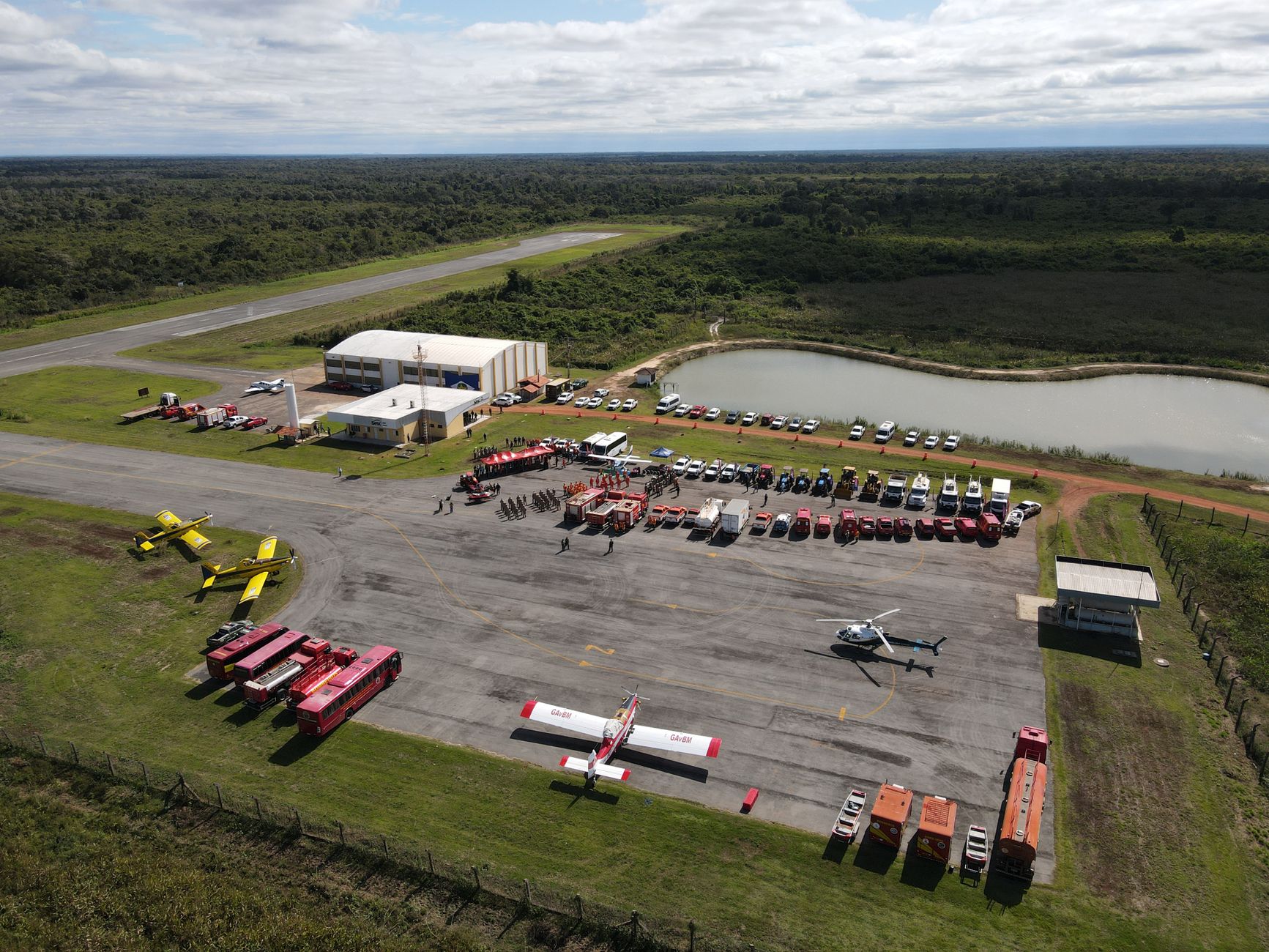
New research from Oregon State and Portland State Universities reveals alarming levels of lead contamination near Hillsboro and Troutdale airports. This lead, traced back to fuel used by small aircraft, poses significant health risks, especially for children, where even low levels can cause irreversible cognitive decline. The findings highlight a critical environmental and public health concern that impacts communities surrounding thousands of small airports across the nation, underscoring the urgent need for cleaner aviation solutions.