New research reveals that thousands more Americans die from heat each year than official records show. A two-year investigation by NPR and Boston University estimates around 9,000 annual heat-related deaths, a figure five times higher than the federal average. This vast undercount, intensified by human-driven climate change, obscures the true danger of rising temperatures. Failing to acknowledge this silent killer hinders efforts to develop vital solutions and protect vulnerable communities across the nation.
The global carbon credit market is undergoing significant changes, with experts pushing for faster development, greater integrity, and seamless integration across national and international systems. Discussions highlight the urgent need for automation and modern certification to build trust and accelerate climate action. A notable trend sees increased preference for technological solutions over some nature-based projects, primarily due to concerns about long-term risks. These developments are crucial for effectively tackling global warming and steering investment towards sustainable outcomes.
The Trump administration recently announced a major agreement with Venezuela to develop vast oil reserves, claiming it as the 'biggest oil deal in the world.' However, energy experts are voicing strong skepticism about its feasibility and immediate impact. Questions arise over how the U.S. government, which lacks a national oil company, will manage its stake, and whether private firms will find the terms attractive. Crucially, analysts warn this deal is unlikely to lower gas prices anytime soon, highlighting the complex global energy landscape at a time when sustainable solutions are increasingly vital for our planet's future.
Across the nation, energy demands are surging due to hotter summers and new technologies like data centers, leading to rising utility bills. However, Alabama stands out, with its residents facing the highest residential power costs among 100 major utilities. This comes as the state grapples with an outdated regulatory system and a boom in energy-hungry data centers, raising urgent questions about fair pricing, transparency, and the environmental impact of increased reliance on fossil fuels. The situation underscores the critical need for sustainable energy solutions.
Recent discussions at Brazil's 4th Climate & Carbon Conference underscored the urgent need to accelerate and strengthen global carbon markets. Experts emphasized boosting integrity, embracing automation, and integrating national systems to effectively combat climate change. Meanwhile, a new integrated registry launched by Verra and S&P Global Energy aims to enhance transparency and tracking of carbon credits, crucial for building trust. These developments are vital steps in ensuring carbon markets genuinely drive environmental action and promote sustainable solutions worldwide.
For decades, communities in eastern North Carolina have endured severe pollution from industrial hog farms. Hurricanes in the 1990s exposed a disastrous waste management system, leading to the 2000 Smithfield Agreement. This pact aimed to replace crude waste lagoons with "environmentally superior technologies." However, despite scientific advancements proving effective and affordable solutions, the dominant pork producer, Smithfield Foods, refused to implement them. As a result, residents, often low-income and minority, continue to face health risks and environmental decay, highlighting a critical failure to adopt sustainable practices.
Global temperatures are on the rise, making cities particularly vulnerable to increasingly dangerous heatwaves. These extreme weather events don't just cause discomfort; they pose serious health risks and disrupt daily life. Urban climate expert Brian Stone, a Georgia Tech researcher, recently discussed with NPR's Scott Simon the critical need for cities to fundamentally change their design and infrastructure. His insights underscore the urgent call for sustainable urban planning to protect residents and ensure our cities can withstand the escalating climate challenges.
California Governor Gavin Newsom has significantly altered his plan regarding utility-sparked wildfire liabilities, backing down after weeks of protests from wildfire survivors and critics. The initial proposal, which would have shifted more costs to insurers and reduced payouts for victims, faced strong opposition, labeled as a "corporate bailout." A revised bill now aims to streamline payments for fire victims, curb profits for hedge funds on claims, and introduce new measures for utility accountability, particularly concerning executive bonuses. This shift underscores the growing pressure to protect communities from devastating fires, increasingly worsened by climate change, and ensure utilities bear fair responsibility.
In Alabama, a surprising partnership has unfolded: Alabama Power, the state's largest utility, has become a key player in expanding surveillance. Partnering with companies like Flock Safety, the utility resells and installs license plate readers and cameras on its power poles across more than 80 municipalities. While supporters tout enhanced public safety, residents and experts are increasingly concerned about privacy, potential data misuse, and the alarming lack of transparency surrounding these powerful surveillance networks. This unique arrangement raises serious questions about who is watching and what happens to the collected information.
Pennsylvania is spending hundreds of millions of taxpayer dollars to burn waste coal, a practice that environmental experts say actively harms climate goals. While companies argue this method cleans up historical pollution, burning waste coal is significantly more carbon-intensive than traditional coal, worsening global warming. This costly approach diverts funds and attention from critical renewable energy development, leaving Pennsylvania far behind in the clean energy transition. The state produces more power from this polluting waste than from vital solar arrays, highlighting a critical environmental and financial misstep.
Microsoft and Aker Solutions are partnering to accelerate carbon capture and removal projects worldwide. This collaboration aims to move promising ideas from concept to reality by addressing critical challenges like financing and project readiness. As global temperatures rise and emissions continue, speeding up these sustainable solutions is vital for tackling climate change and helping major companies meet their ambitious environmental goals. The urgency for effective carbon management has never been clearer.
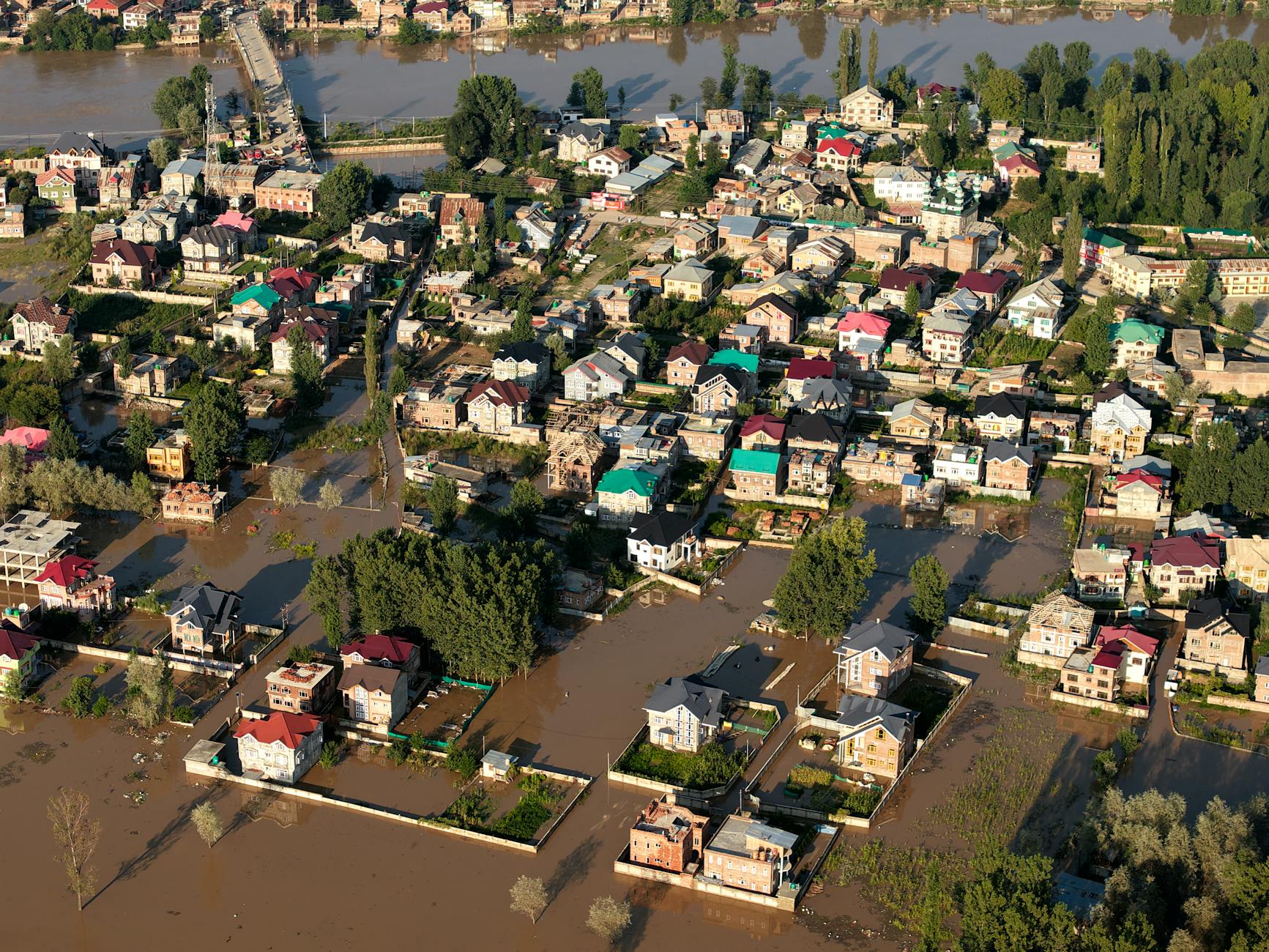
A catastrophic rock-and-ice avalanche unleashed devastating floods across Nepal and Tibet on August 26, claiming hundreds of lives and leaving thousands missing. Rescue efforts faced further complications due to new flooding concerns. This tragedy isn't just a natural disaster; it's a stark warning about our warming planet. Experts confirm that long-term human-caused climate change has dangerously destabilized the Himalayas' glaciers and permafrost, setting the stage for such catastrophic events. This disaster underscores the urgent need for global climate action to protect vulnerable communities and ecosystems.