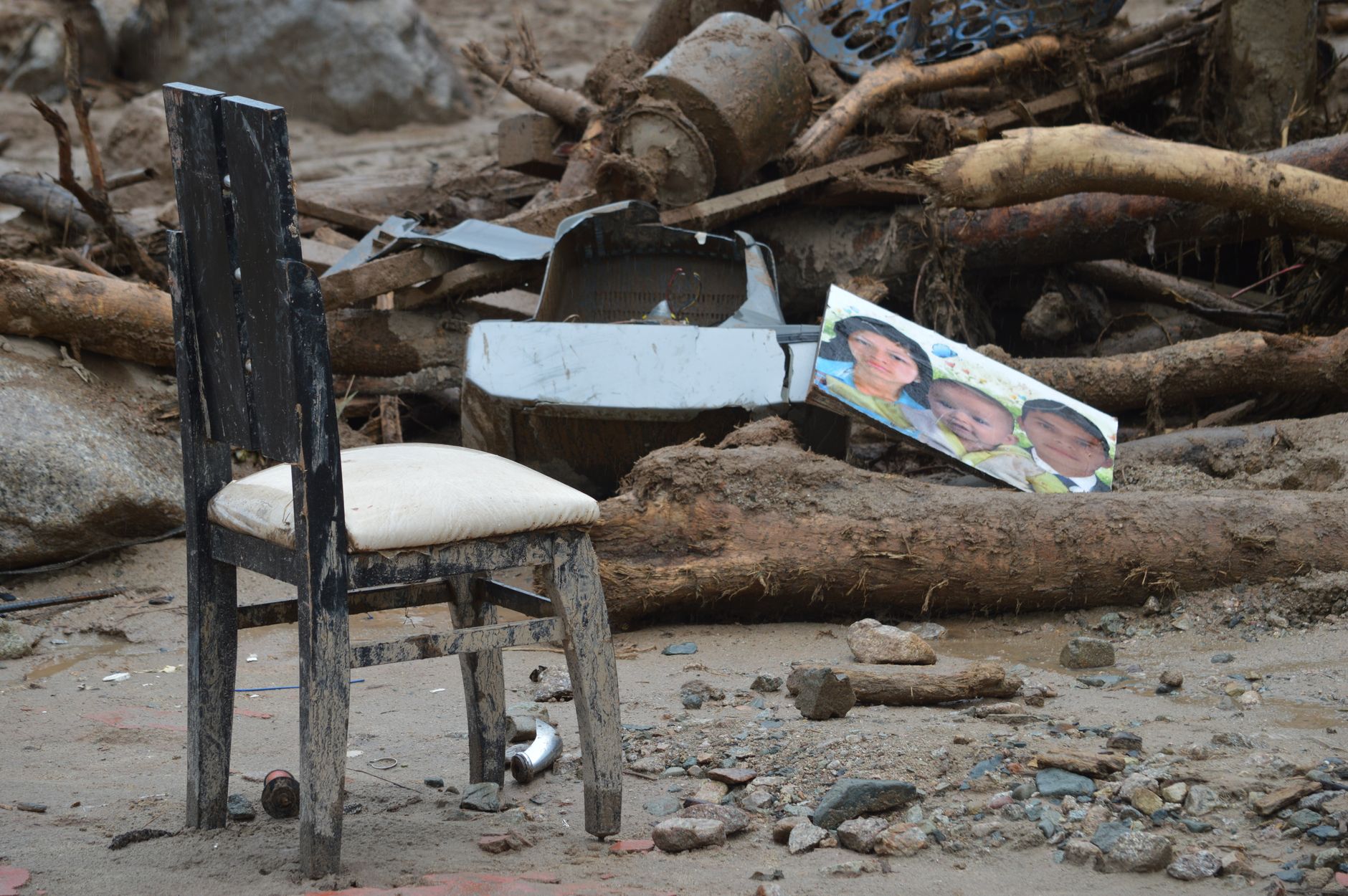
Deadly flash floods have swept through Nepal and Tibet, leaving hundreds dead and over a thousand missing. Initial reports indicate a massive chunk of ice broke off a glacier, sending a torrent of rock, ice, and mud through valleys. This devastating event highlights the increasing instability of glaciers worldwide, a direct consequence of human-caused global warming. As our planet heats up, such natural disasters are becoming more frequent and severe, urging immediate action.
Lee Marten, a former Vancouver police sergeant, is sharing his remarkable journey as one of the first patients to receive Neuralink’s brain implant. Diagnosed with ALS, a devastating neurodegenerative disease, Marten faced a future without the ability to move or speak. This advanced wireless brain-computer interface technology has offered him a lifeline, allowing him to communicate and interact with the world using just his thoughts. His story highlights a significant leap in assistive technology, providing hope for many facing similar challenges.
Southern California is experiencing an unusually muggy summer, with humidity levels soaring to create conditions more akin to Florida. This uncomfortable blend of heat and moisture is making already intense temperatures feel even more miserable, especially overnight, where new low-temperature records are being set. Experts link this phenomenon to a mix of tropical storm remnants, a powerful El Niño, and significantly warmer ocean temperatures, a direct consequence of ongoing climate change. The situation highlights the urgent need for action as our planet's warming trends reshape local climates, posing health risks and challenging our perception of 'normal' weather.
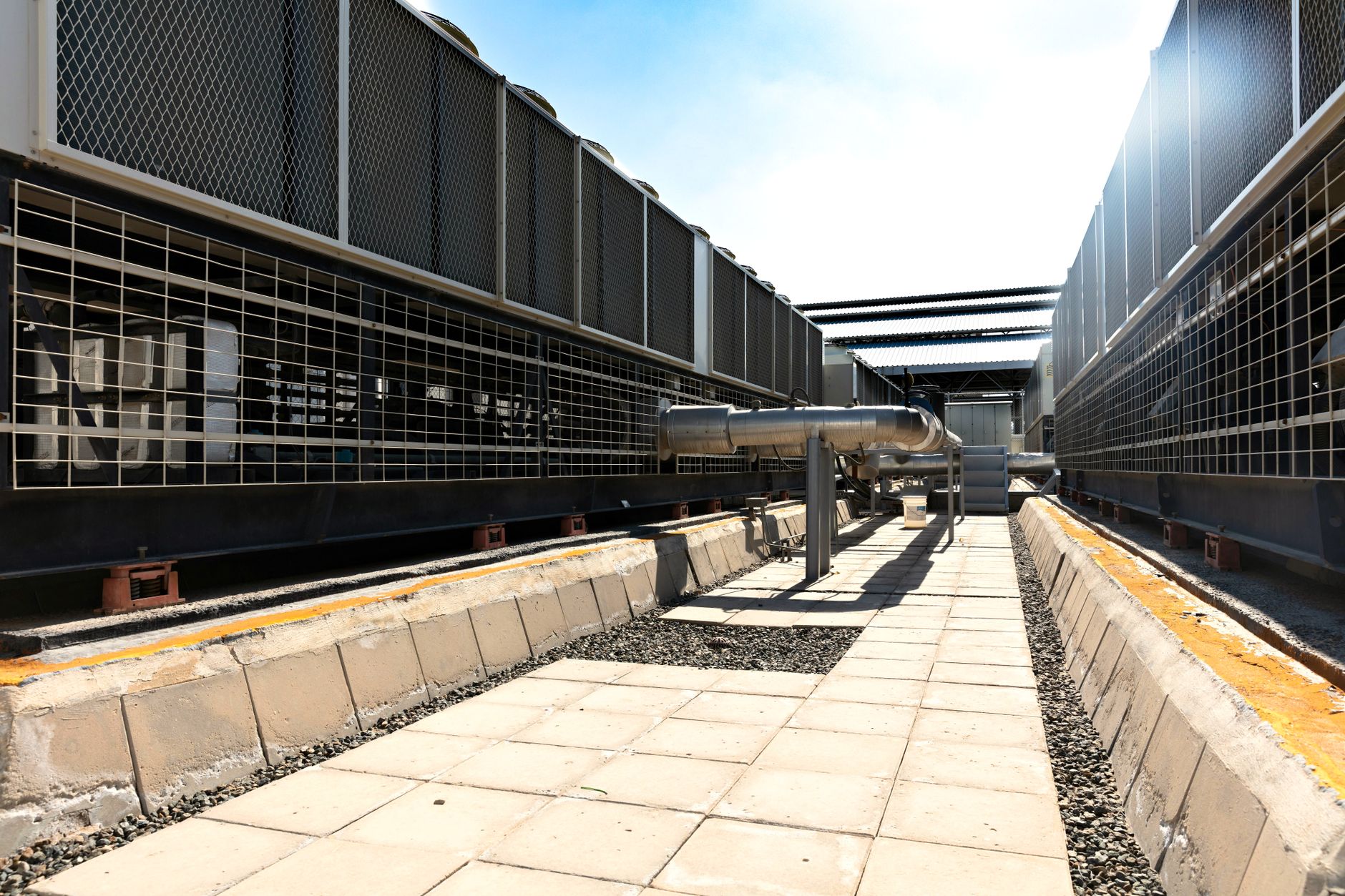
The market for carbon credits is evolving rapidly, with buyers increasingly paying a premium for verified quality, signaling a shift towards higher integrity in offsetting climate impacts. Meanwhile, the surging demand for AI technology is putting unprecedented pressure on power grids and significantly increasing emissions from semiconductor manufacturing, underscoring the deep link between technological growth and energy choices. On a more optimistic note, the world's largest direct air capture facility is on track to begin operations soon, offering a major milestone for industrial-scale carbon removal and a step towards tackling climate change with advanced solutions.
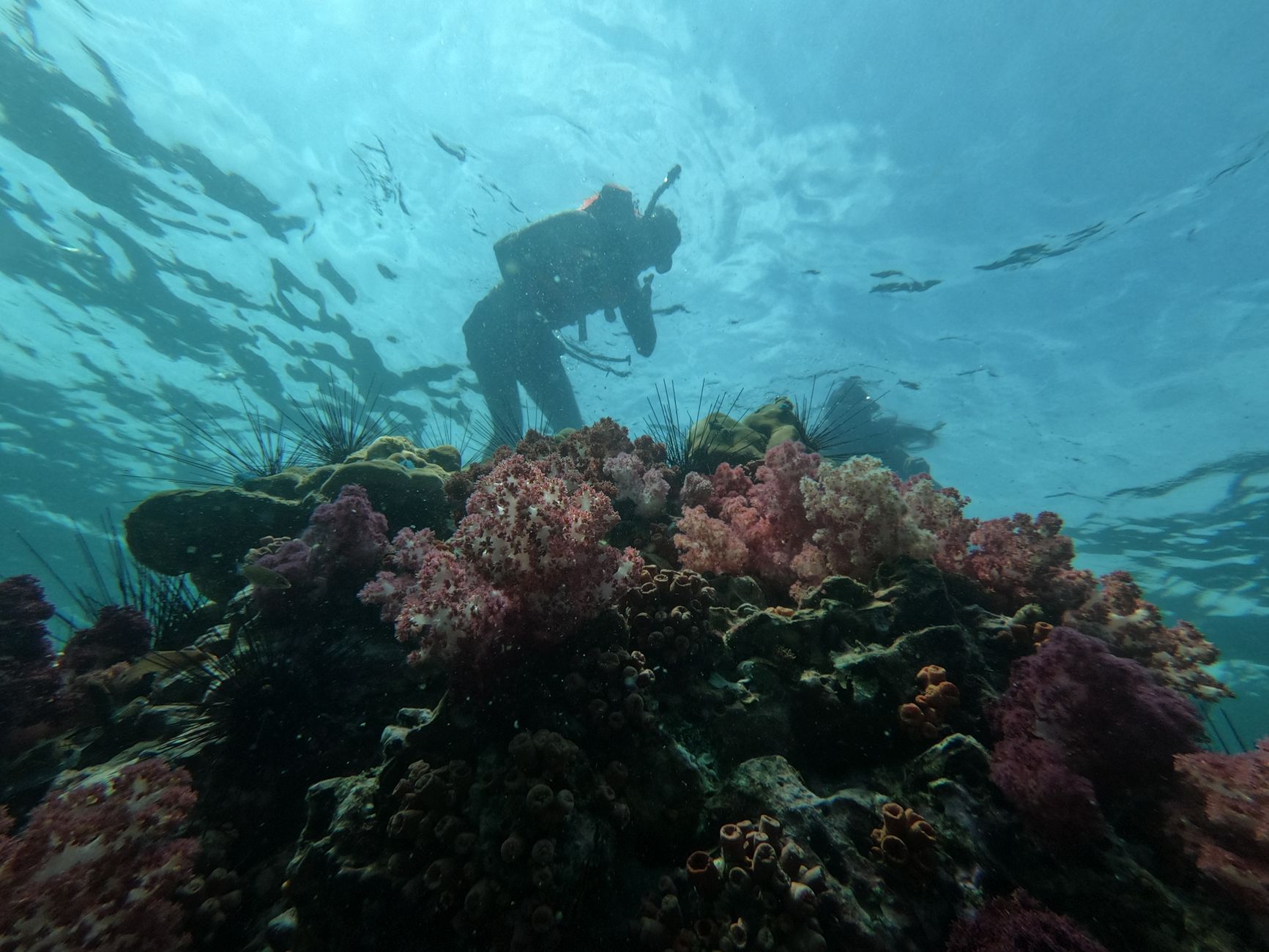
New research from the Galápagos Islands reveals a stark warning about our planet's changing climate. By examining both modern and ancient corals, scientists have found that global warming has intensified El Niño cycles over the past 40 years, pushing them beyond any natural variations seen in the last millennium. This escalation, linked to the burning of fossil fuels, makes these crucial weather events more extreme and costly than ever before. The findings underscore the urgent need for climate action, as stronger El Niños contribute to devastating global weather disruptions and accelerate planetary warming.
California farmers have long relied on plastic mulch to boost crop yields and control pests, a practice known as "plasticulture." However, this widespread use, especially for popular crops like strawberries, now presents a significant environmental dilemma. As plastic production escalates and is tied to fossil fuels, microplastics are accumulating in our soils and waterways, raising alarms about food contamination and ecosystem health. Scientists are urgently seeking truly sustainable alternatives to protect both agriculture and our planet.
A devastating flash flood in Nepal has claimed hundreds of lives and left many more missing, highlighting the extreme vulnerability of the Himalayan region. Scientists, piecing together satellite and ground data, suggest a massive chunk of a glacier broke off, temporarily damming a river before unleashing a powerful surge downstream. While investigations continue, this catastrophe underscores the growing risks posed by rapidly melting glaciers in a world grappling with accelerated climate change, especially in sensitive mountain environments.
Tropical Storm Dolly has formed in the Atlantic, offering a complex outlook for the drought-stricken Caribbean. While the system is expected to weaken, its remnants could bring much-needed rain to islands like Puerto Rico, which is facing extreme drought and water shut-offs. However, heavy downpours on dry, compacted land also raise concerns about flash flooding. This unexpected blend of potential relief and new hazards highlights the delicate balance communities face amid changing climate patterns.
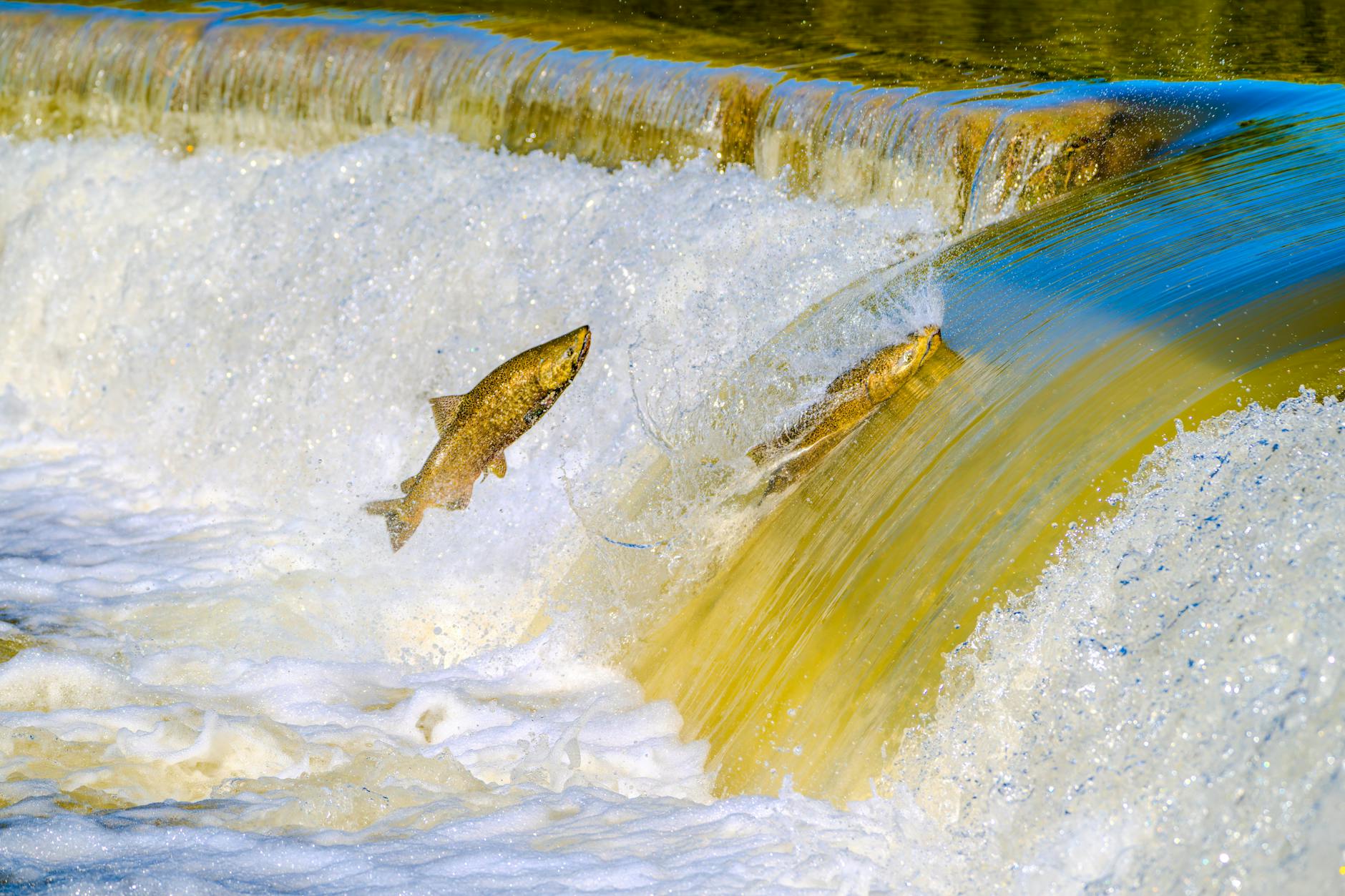
The Klamath River, once choked by dams, is witnessing a remarkable comeback for its iconic salmon populations. In a historic achievement for environmental restoration, four dams were removed in 2024, clearing a path unseen for over a century. New research reveals over 20,000 Chinook salmon have already migrated upstream, repopulating vast stretches of their ancestral spawning grounds. This rapid return highlights the power of restoring natural ecosystems, though ongoing challenges with water management and climate change remain critical for the river's long-term health.
Guatemala faces a severe plastic pollution crisis, with widespread open burning of plastic waste leading to dire health consequences. In rural areas lacking formal waste collection, communities often resort to burning plastic, unknowingly releasing harmful toxins into the air. This practice poses significant health risks, especially to women and children, contributing to respiratory issues and developmental problems. The "Ecolectivos" project, a collaboration of international and local researchers, empowers these communities by providing education and strategies to reduce plastic use and burning, highlighting the urgent need for sustainable waste management and cleaner solutions.
Nepal is grappling with deadly flash floods, a situation that many scientists have long anticipated. These catastrophic events are directly linked to the accelerating melt of glaciers, a stark consequence of our changing climate. As global warming intensifies, these melting glaciers create vast amounts of water, threatening the lives and livelihoods of millions across the region. The urgent need for environmental action has never been clearer to protect vulnerable communities.
Nvidia has announced stellar financial results for the second quarter of fiscal 2027, with revenue more than doubling to an impressive $96.2 billion, fueled by explosive demand for AI computing. This incredible growth, however, casts a spotlight on a significant environmental concern: the company's Scope 3 emissions, primarily from its supply chain, surged to 10.7 million metric tons of CO2e in fiscal 2026. While AI offers immense potential, its rapid expansion highlights an urgent need for sustainable practices across the tech industry to keep global warming in check. Addressing these indirect emissions is crucial for a truly green future.