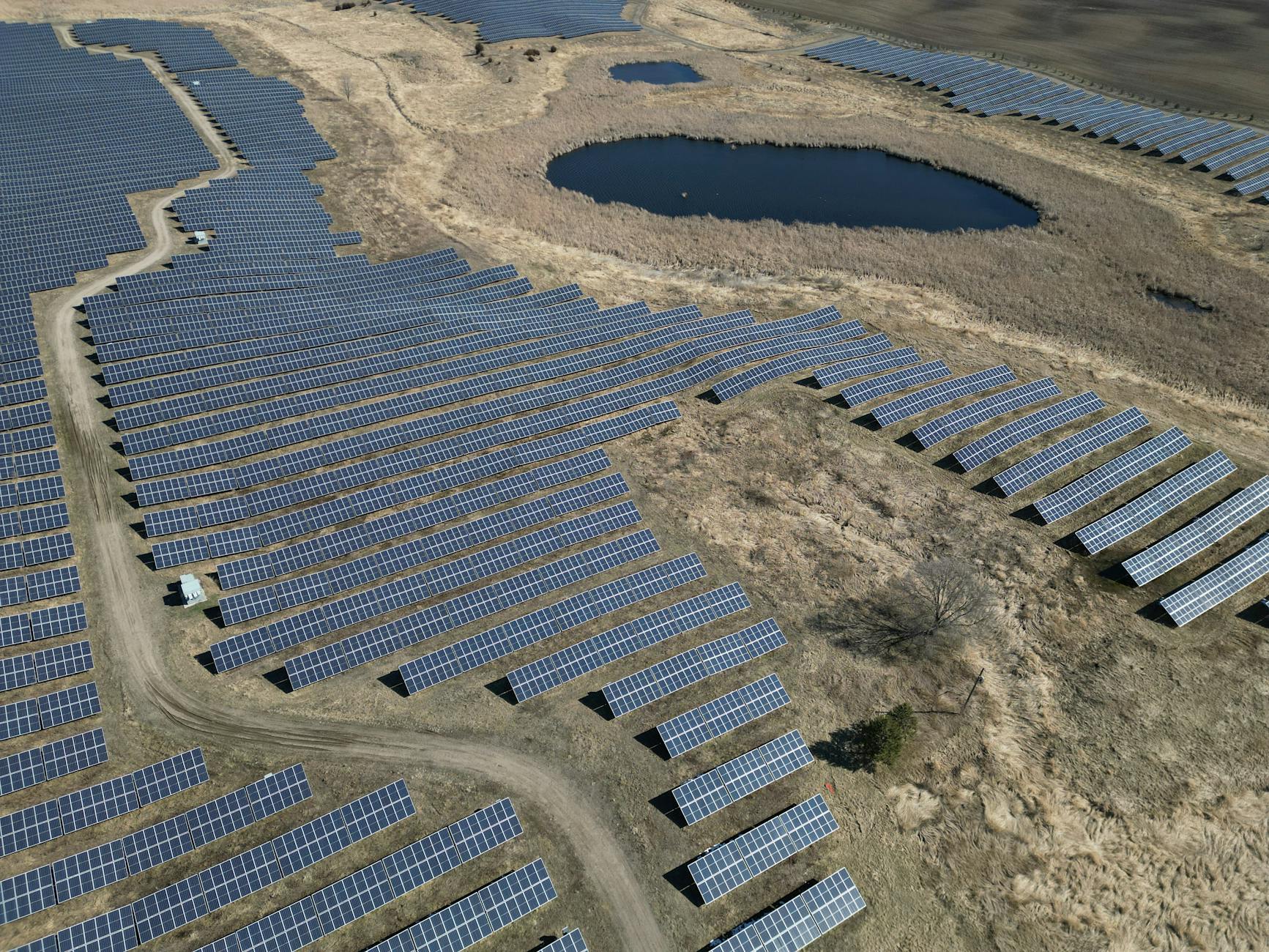
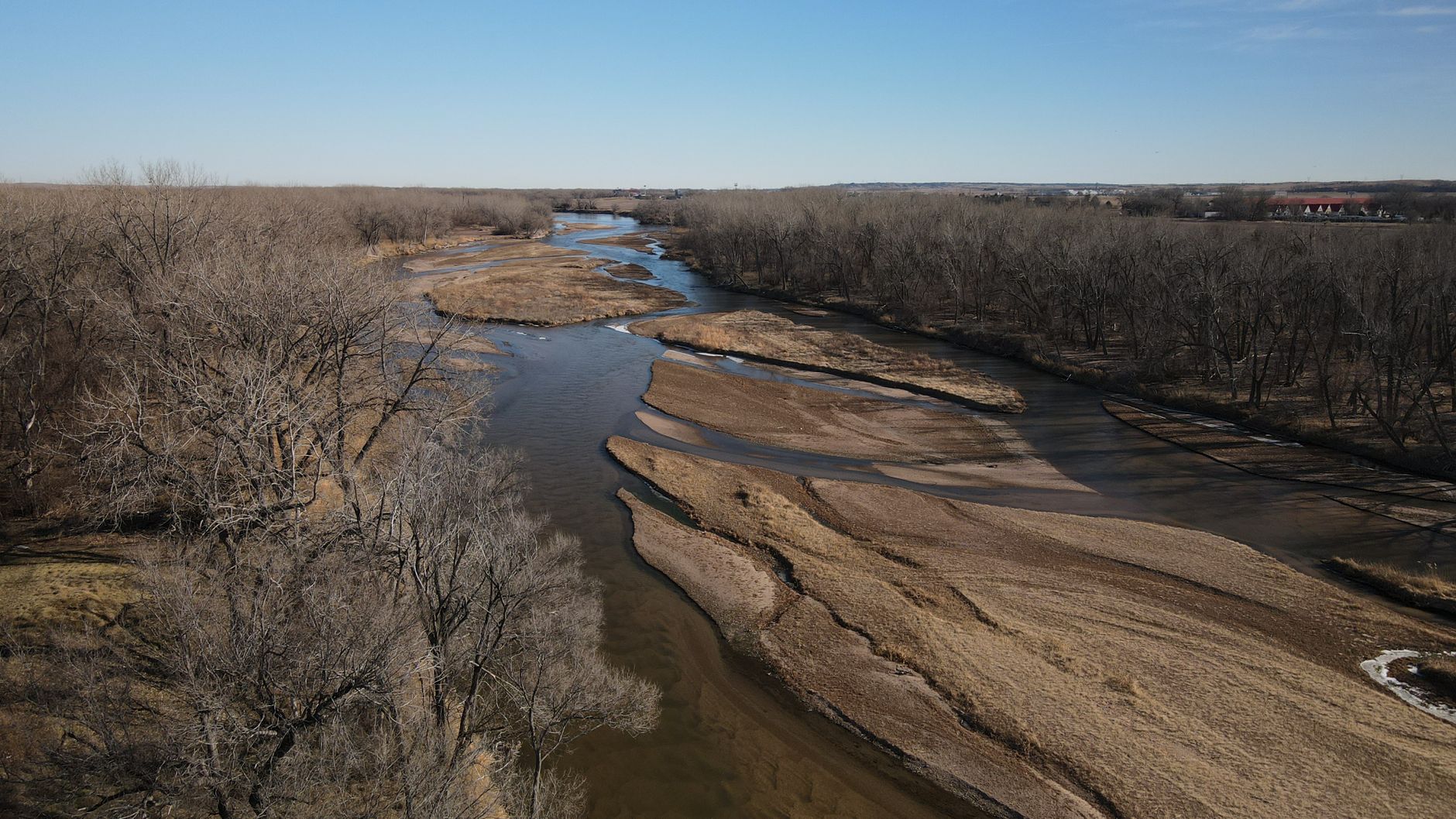
Google is significantly expanding its renewable energy footprint in Oklahoma through a new 15-year power purchase agreement with German energy company RWE. This partnership will see Google acquire all electricity from RWE’s 155-megawatt Crooked Creek Solar project, set to begin commercial operations in 2028. This move is crucial for powering Google's growing data center and AI operations, reflecting a broader commitment to clean energy and environmental action. It also promises substantial local economic benefits, including job creation and tax revenue, making it a win for both sustainability and community development.
Health officials along the Gulf Coast are issuing urgent warnings as cases of a flesh-eating bacteria, Vibrio vulnificus, sharply increase. This year, states like Louisiana and Florida are reporting higher infection rates and fatalities compared to past averages. Scientists point to rising ocean temperatures driven by climate change as a key factor enabling the bacteria to spread and thrive, turning our beloved coastal waters into a growing health concern. This trend underscores the critical need for climate action to protect public health and our environment.
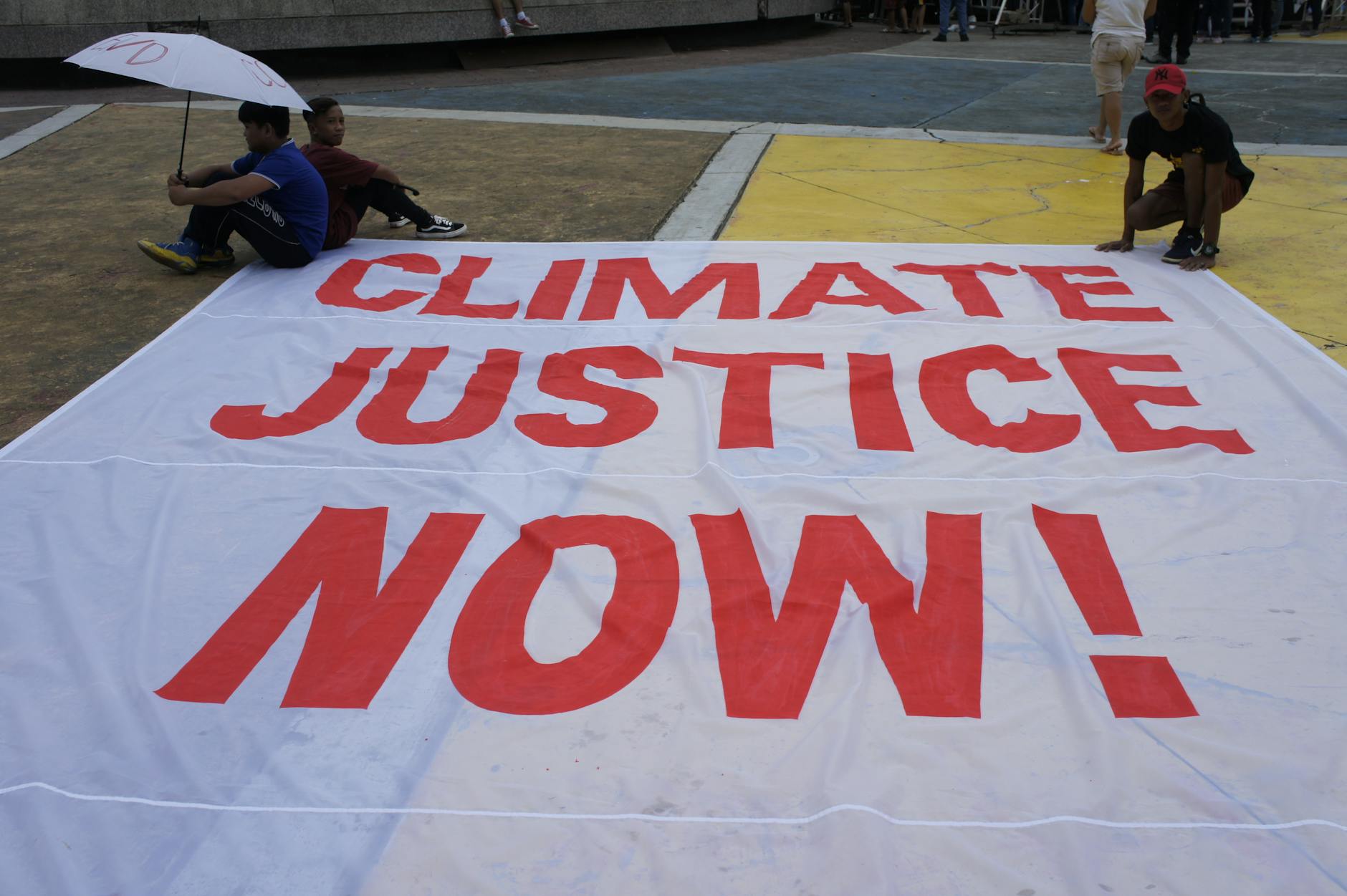
Recent reports highlight urgent global climate challenges and varied responses. While carbon credit markets are evolving to place governments at the heart of mitigation, Europe is notably lagging, with no country on track to meet its climate action goals. Meanwhile, California is proactively addressing future climate risks in its insurance sector, a stark contrast to a new private hurricane evacuation service in Florida, underscoring growing climate inequality. Türkiye is championing resilient cities and international cooperation for COP31, demonstrating diverse global approaches to our shared environmental crisis.
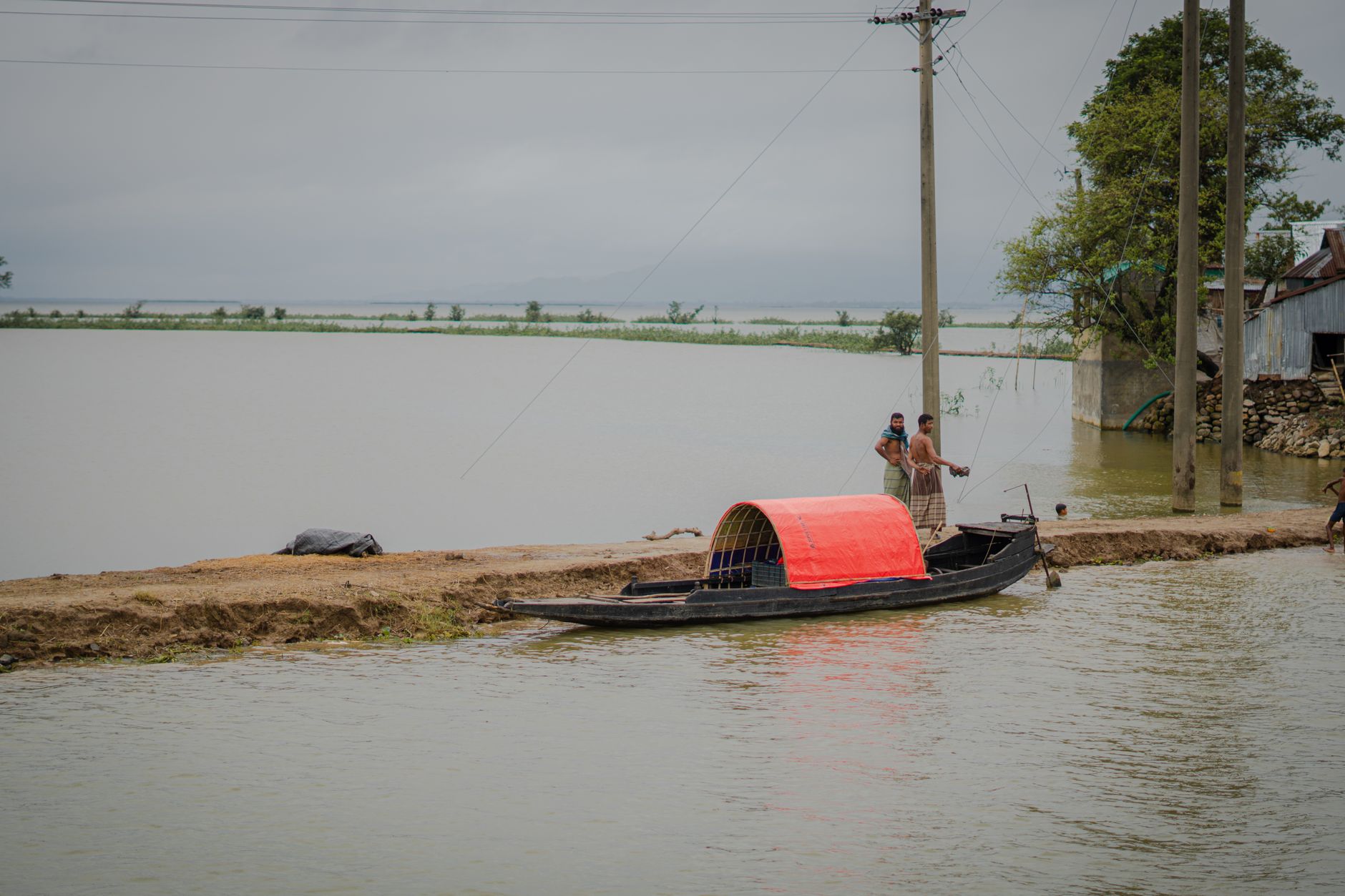
India's northeastern Assam state is grappling with a severe flood crisis, where the death toll has tragically reached 100. Relentless monsoon rains have caused major rivers, including the Brahmaputra, to overflow, sweeping away homes and displacing hundreds of thousands of people. While many are slowly returning, they face immense challenges rebuilding their lives amidst widespread devastation. Experts point to human-caused climate change as a key factor intensifying these destructive monsoons, highlighting the urgent need for global climate action to prevent further humanitarian disasters. This crisis underscores the devastating real-world consequences of a warming planet.
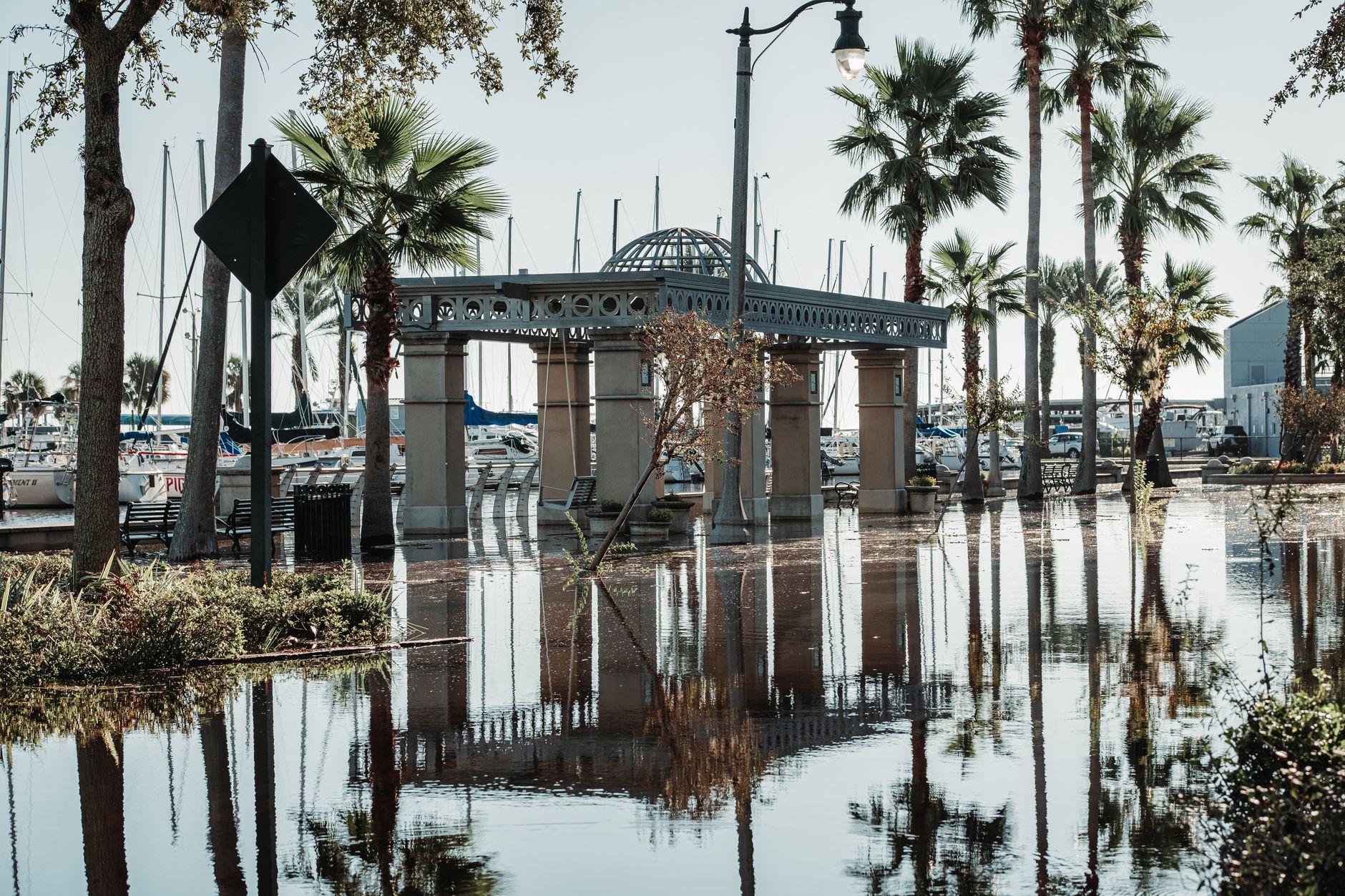
Southern California is facing a significant weather challenge this August, with a scorching heatwave bringing temperatures well into the 90s and 100s across the region. This intense heat increases the risk of heat illnesses and elevated fire conditions. Compounding the situation, high tides, amplified by unusually warm ocean temperatures and ongoing sea level rise, threaten coastal areas with minor flooding. This combination of extreme weather underscores the urgent need for climate action and sustainable solutions.
New reports highlight critical shifts and alarming failures in global climate action. Governments are stepping up their role in scaling carbon credit markets, crucial for mitigating emissions across entire regions. Meanwhile, Turkey prepares for COP31 by championing urban resilience and energy transition through international cooperation. However, the EU faces a stark reality: no country is on track for its climate goals, underscoring growing environmental and economic risks. This uneven progress, from innovative insurance rules in California to private disaster escapes in Florida, reveals both advancements and troubling climate inequalities.
In Nebraska's 'Beef Country,' a new facility known as Blackshirt Feeders is set to become the nation's largest single-site beef feedlot, housing 200,000 cattle. This massive operation, covering nearly 700 acres, is sparking significant local concern over dwindling water resources and potential pollution. Beyond its immediate footprint, industrial-scale livestock farming, like Blackshirt, represents a major challenge for global climate goals. The staggering volume of methane and manure produced intensifies the urgency of finding sustainable solutions for our food system.
A sanctioned oil tanker, the Caroline Bezengi, is sinking deeper off Oman's coast, leaking nearly a million barrels of crude oil. Satellite images confirm the vessel's worsening condition, with oil spreading rapidly and reaching Qibliyah Island. This unfolding disaster poses an immediate and severe threat to the Arabian Sea reserve, a crucial habitat for endangered species like the Arabian Sea humpback whale and various petrels. Environmental groups are issuing urgent warnings of an unprecedented ecological catastrophe, emphasizing the critical need for swift action to protect precious marine life and fragile coastlines from widespread devastation.
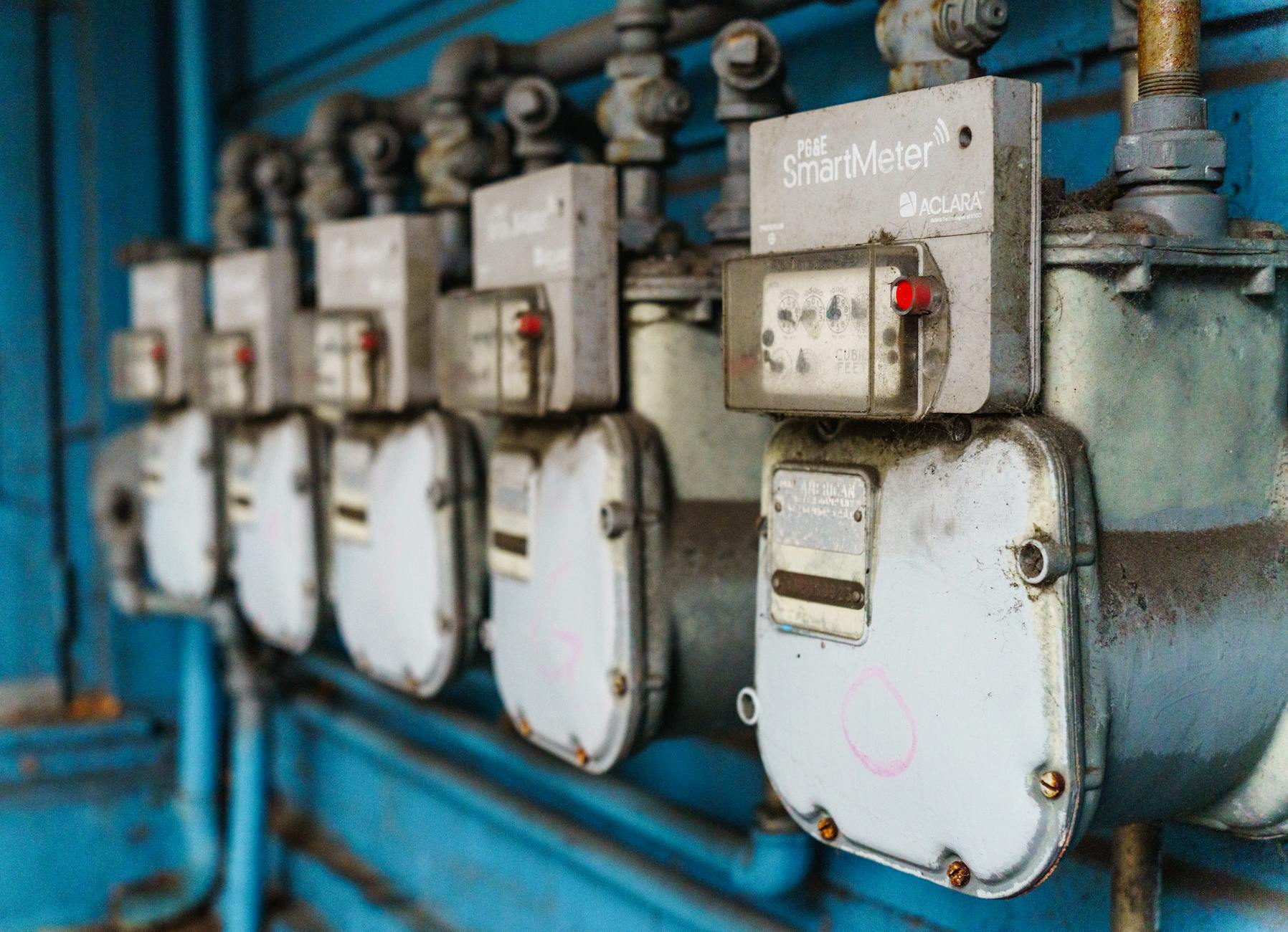
For the first time in over four decades, Alabama utility regulators are holding public hearings to potentially reduce the guaranteed profits of Spire Alabama, a major natural gas provider serving millions. This rare move by the Alabama Public Service Commission (PSC) follows a push by the state’s Attorney General to lower the allowed earnings of Spire, a company that delivers natural gas to homes and businesses across Alabama and neighboring states. The outcome, expected in September, could significantly impact customer bills and signal a broader shift in how states oversee essential utility services. This debate comes at a critical time when communities are increasingly seeking cleaner, more affordable energy choices, highlighting the importance of moving away from fossil fuels.
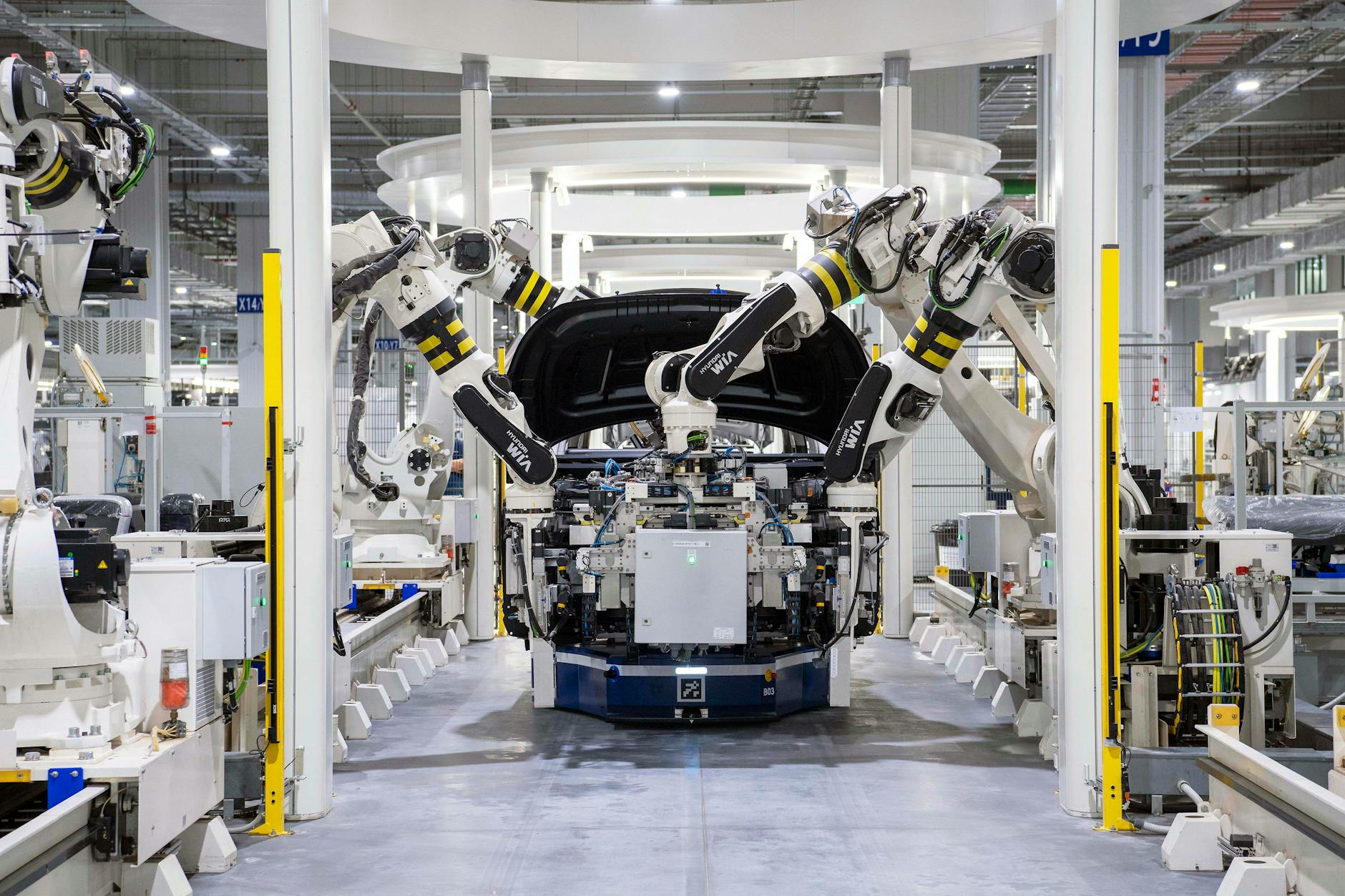
Elon Musk recently shared a compelling video showcasing the future vision for Terafab, a colossal new facility planned for Grimes County, Texas. This render highlights not only the stunning architecture but also upcoming advancements like the driverless Robovan for cargo and passengers, alongside the Tesla Semi and Cybercab. The video also features Optimus robots, central to the facility's operations. This ambitious project signals a significant leap toward highly automated, electric, and environmentally conscious industrial infrastructure, demonstrating a bold step in sustainable technology and global manufacturing.
Elon Musk recently shared a compelling video showcasing the future vision for Terafab, a colossal new facility planned for Grimes County, Texas. This render highlights not only the stunning architecture but also upcoming advancements like the driverless Robovan for cargo and passengers, alongside the Tesla Semi and Cybercab. The video also features Optimus robots, central to the facility's operations. This ambitious project signals a significant leap toward highly automated, electric, and environmentally conscious industrial infrastructure, demonstrating a bold step in sustainable technology and global manufacturing.
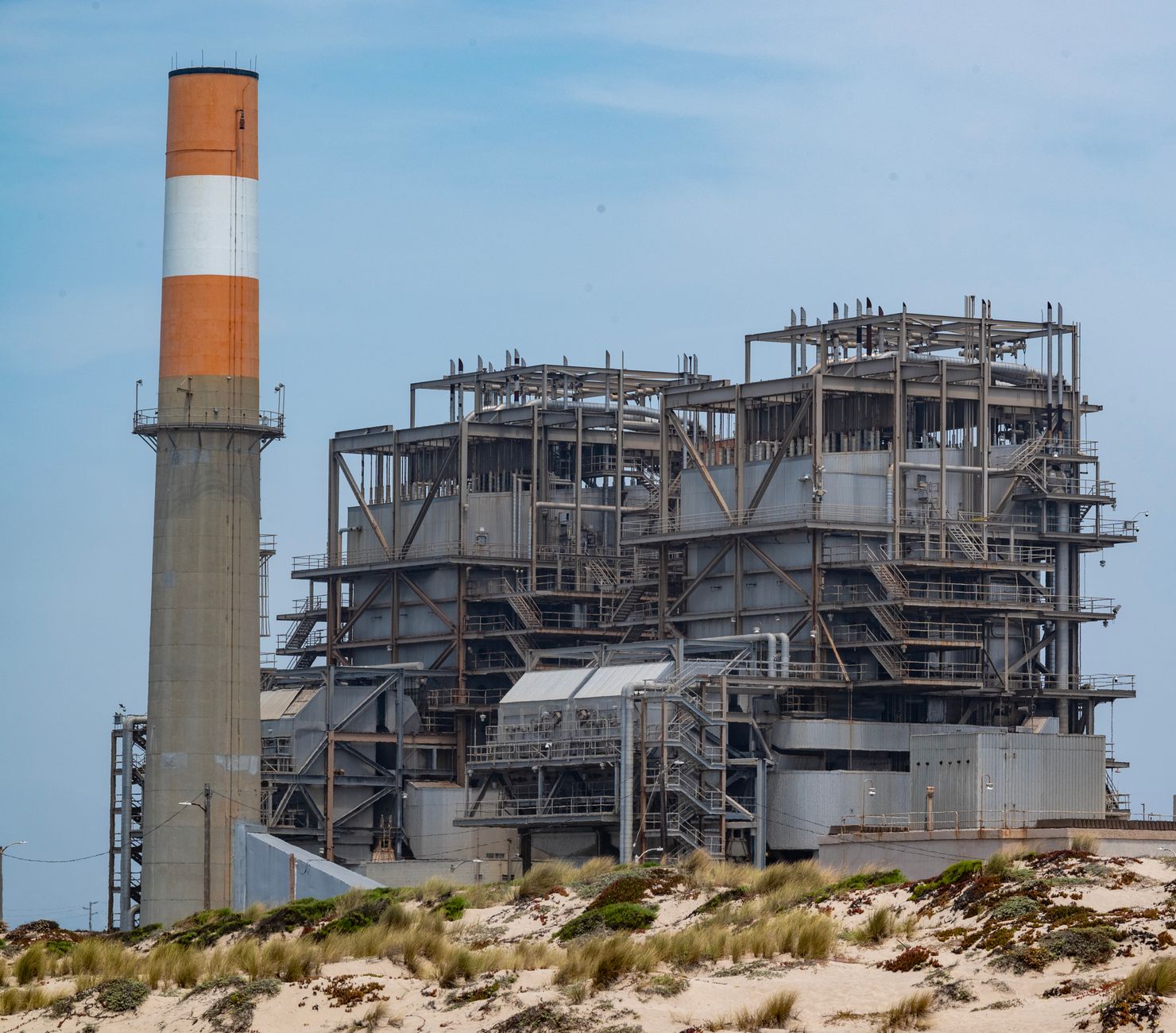
A surprising shift is underway in the PJM Interconnection grid, which powers a large part of the eastern U.S. Natural gas projects now lead new energy proposals in the first round of their reformed interconnection process, making up nearly half of the massive capacity queue. This surge, largely driven by the booming demand from data centers, stands in stark contrast to just a few years ago when clean energy like solar and wind dominated. The situation raises concerns about our progress toward cleaner power and the urgent need for sustainable solutions to combat global warming. Our energy future hangs in the balance as the grid faces increasing pressure.